
Should a Wedding Be a Buffet? Exploring the Benefits and Drawbacks
Choosing the right dining style for your wedding can feel overwhelming. When considering whether a buffet is the way to go, remember that buffets can offer variety and flexibility for your guests.
A buffet can be an excellent choice, allowing everyone to choose what they like while also creating a relaxed atmosphere.
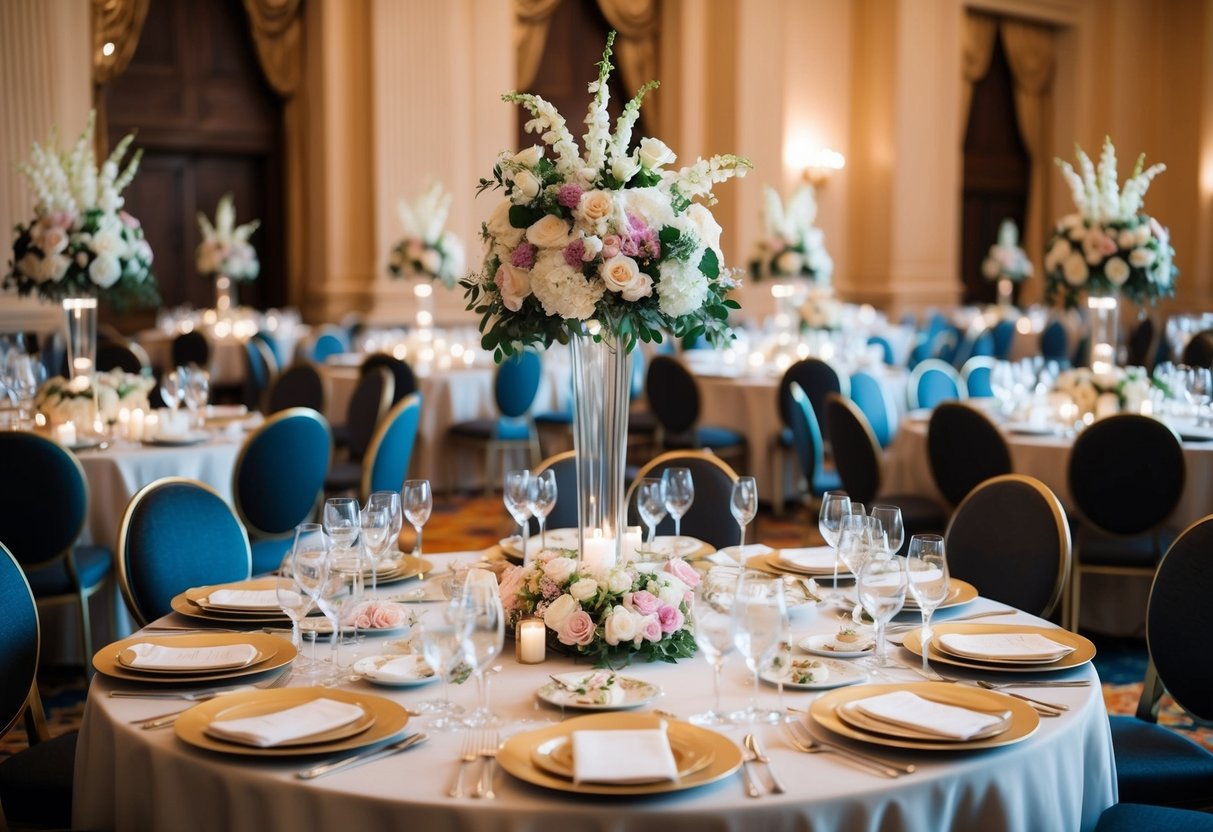
Many couples worry that a buffet may seem less formal than a plated meal. However, with the right planning, you can elevate the buffet experience to fit your wedding style. Not only can it cater to diverse tastes, but it can also save you money compared to plated options, making it an appealing choice for budget-conscious couples.
Ultimately, the decision comes down to your preferences and those of your guests. A buffet allows for mingling and interaction, making it a fun and enjoyable part of your celebration. If you want a casual yet upscale vibe, a buffet might just be the perfect solution.
Deciding on the Dining Format
Choosing the right dining format for your wedding affects the overall feel of your event. You need to think about the dining experience you want to offer and how it fits with your guest list.
Comparing Buffet and Plated Service
When deciding between a buffet and a plated meal, consider the atmosphere each creates. A buffet-style wedding reception often invites guests to mingle and choose their food. This option can bring more variety and is usually more affordable.
On the other hand, a plated meal is formal and structured. Guests sit at their tables while servers bring each course. This creates a more elegant dining experience, which some couples prefer for their special day.
Think about the type of meal you want as well. Buffets might include multiple dishes, which can please diverse tastes. With plated meals, you may need to plan meal choices in advance.
Understanding Your Guest List
Your guest list plays a major role in your dining choice. For families with young children or guests with special needs, a buffet can be easier. They can serve themselves as needed, minimizing any hassle.
Consider how many guests you expect. A larger guest list might lean towards a buffet for better flow and shorter wait times. A smaller group can make a sit-down dinner feel more intimate.
Lastly, think about your budget. Sometimes, a buffet can offer more options without stretching your finances too much. Review these factors carefully to determine what suits your wedding best.
Budgeting for Your Wedding Reception
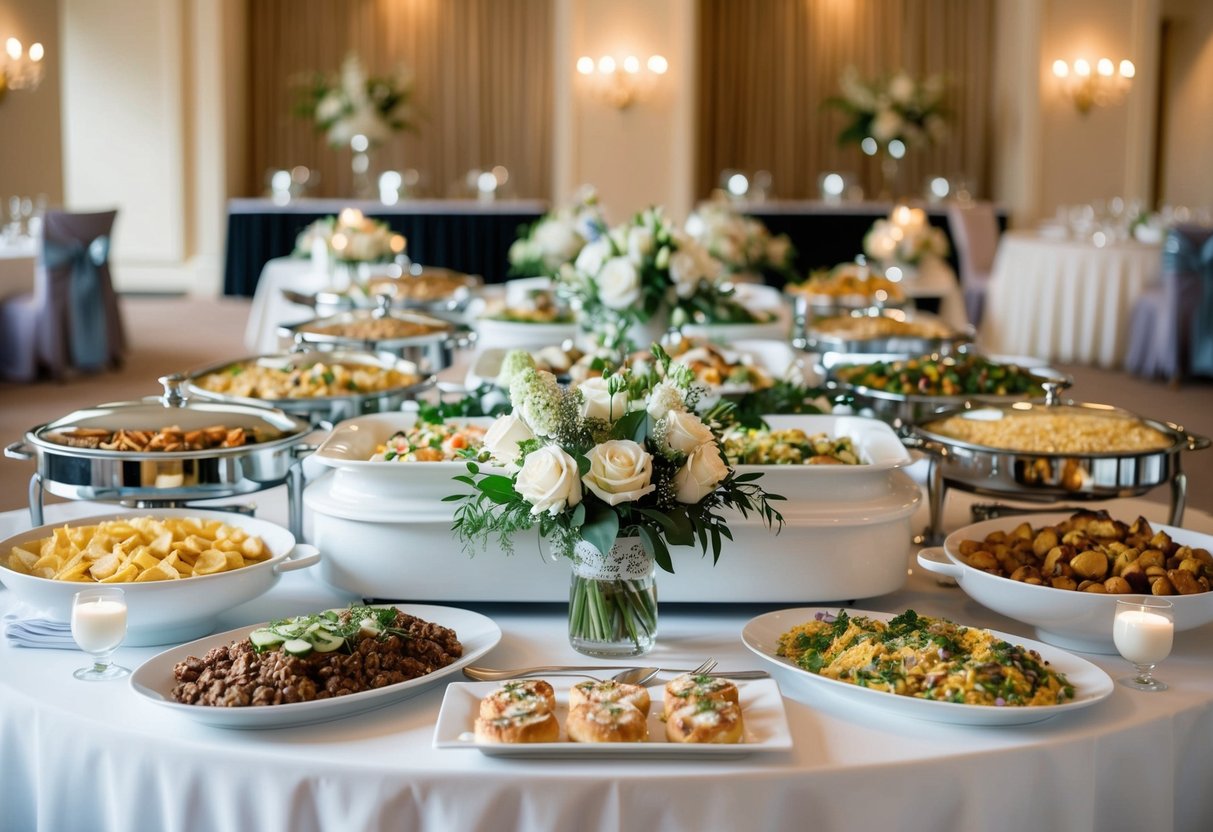
Planning your wedding reception involves careful budgeting. You want to enjoy the celebration without overspending. Choosing between a buffet and plated dinner can greatly affect your costs.
Cost Analysis of Buffet vs. Plated Dinners
When you compare buffet and plated dinners, the costs can vary significantly. Buffets often require less food per person because guests serve themselves. According to recent data, the average catering cost for a wedding is around $6,500 to $9,500, depending on the guest count and meal style. Buffets can be more budget-friendly since they typically reduce the need for extra staff to serve each plate individually.
For example, if you have 100 guests, a buffet might cost you $75 per person, while a plated meal could go up to $85 or more per person. This price difference can add up quickly, so consider how many guests you have when calculating your catering budget.
Budget-Friendly Meal Options
There are many budget-friendly meal options to consider for your buffet reception. A simple yet delicious menu can include pasta, salad, and a couple of meat choices. This variety lets guests pick what they want while keeping costs down.
You may also want to think about seasonal ingredients. They are usually cheaper and fresher. Another great idea is to select dishes that can be prepared in larger quantities, like casseroles or grilled vegetables. These options not only cater to different tastes but also minimize waste and leftovers.
Lastly, don’t forget about drinks. Offer a cash bar or a limited cocktail selection to save on costs without sacrificing the fun. Keeping these tips in mind can help you create a wonderful, budget-friendly reception.
Creating the Perfect Menu
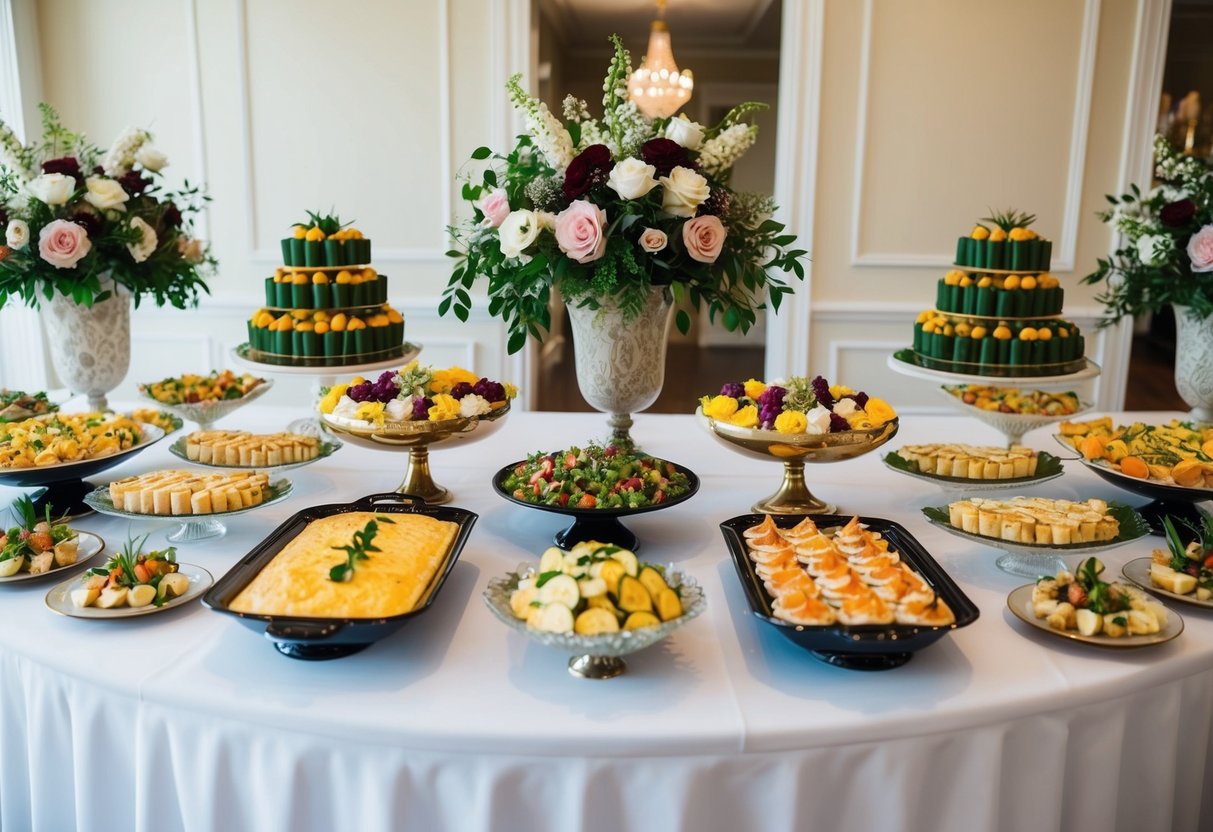
When planning a buffet for your wedding, it’s important to create a menu that everyone will enjoy. A successful buffet includes a variety of food options to cater to different tastes and dietary needs. Consider these key areas to make your buffet memorable and inclusive.
Designing a Diverse Buffet
A diverse buffet offers options for all guests. Start with a mix of appetizers, main courses, and desserts. Including dishes like bruschetta, mini sliders, and fresh salads can cater to different palates.
For the main course, consider proteins like chicken, beef, and a vegetarian option, such as a hearty vegetable lasagna. Don’t forget side dishes like roasted veggies and starches like mashed potatoes or quinoa.
Make sure to display everything beautifully. Use attractive platters and labels to enhance the experience. This makes it easy for guests to choose their favorites while enjoying a variety of flavors.
Incorporating Dietary Preferences and Restrictions
Many guests may have specific dietary needs. It’s crucial to take these into account when planning your buffet. Clearly label all dishes to indicate whether they are gluten-free, vegan, or contain common allergens like nuts or dairy.
You can include specific food stations, like a salad bar or a taco stand. This way, guests can customize their plates based on their preferences. Having a dedicated vegetarian or vegan option ensures that everyone feels considered.
Make sure to communicate with your caterer about any dietary restrictions. This ensures a seamless dining experience where every guest feels included.
Selection of Food Stations and Classics
Food stations add an interactive touch to your wedding reception buffet. Consider popular options like a pasta station, where guests can choose their sauce and toppings, or a carving station with roasted meats.
Classic buffet dishes, like macaroni and cheese or roasted chicken, provide comfort. Mixing these with trendy options keeps things fresh.
You could also include a dessert station with cupcakes, a chocolate fountain, or a selection of mini pastries. This variety lets guests indulge their sweet tooth and creates a memorable finish to the meal.
By combining classic favorites with exciting food stations, you can ensure your buffet is a hit with all guests.
Ensuring Quality and Safety in Food Service
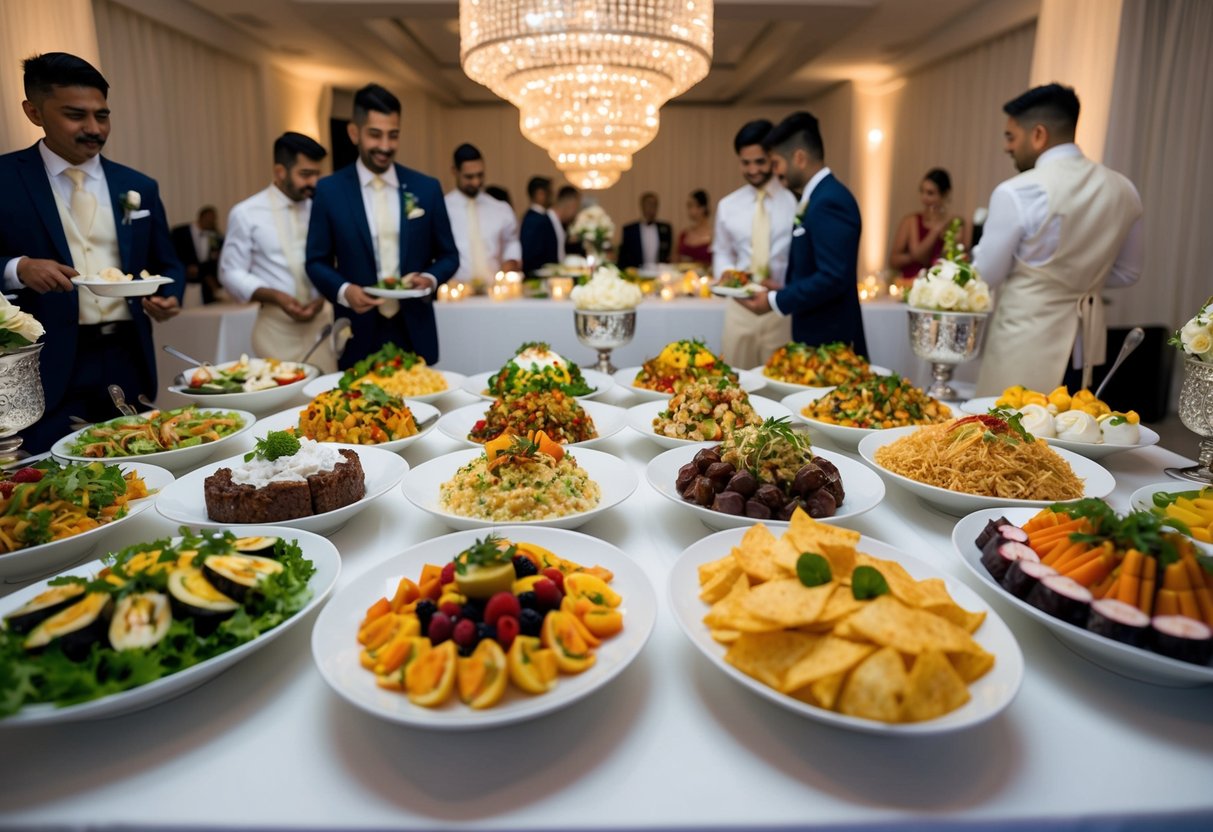
When planning a wedding buffet, it’s essential to focus on quality and safety. This includes choosing the right caterer and implementing proper food safety measures. Both aspects will help ensure a pleasant experience for you and your guests.
Working with Professional Caterers
Choosing a professional caterer is critical for your wedding buffet. Look for a catering team experienced in buffet service. They should be able to manage your specific guest count while ensuring everyone enjoys fresh and safe food.
Ask potential caterers about their food safety protocols. A reputable caterer will train staff on hygiene practices, such as wearing gloves when serving food. Check their reputation for quality and reliability by reading reviews or asking for references.
Finally, discuss your needs with the caterer. If you’re considering a socially remote wedding, they can help plan a buffet setup that promotes safe distancing while still providing a beautiful spread.
Food Safety Measures for Buffets
Food safety is a top priority when serving a buffet at your wedding. You should ensure that hot foods are kept at a temperature above 140˚F. Cold foods should stay below 40˚F. This helps prevent foodborne illnesses.
Ask your caterer about their practices for monitoring food temperatures. They should regularly check that food remains in the proper temperature range throughout the event.
Using separate serving utensils for each dish can also reduce cross-contamination. Make sure your catering team follows these guidelines closely.
Finally, inform your guests about the safety measures taken to keep the food safe. This reassures them that your buffet is not only delicious but safe for enjoyment.