
Should a Wedding Dress Touch the Floor? Exploring Style Choices and Traditions
Choosing the right length for your wedding dress is an important part of your wedding planning journey. You might wonder if your wedding gown should touch the floor.
Typically, the front of your wedding dress should be about one inch off the floor. This allows you to walk comfortably without stepping on the fabric.
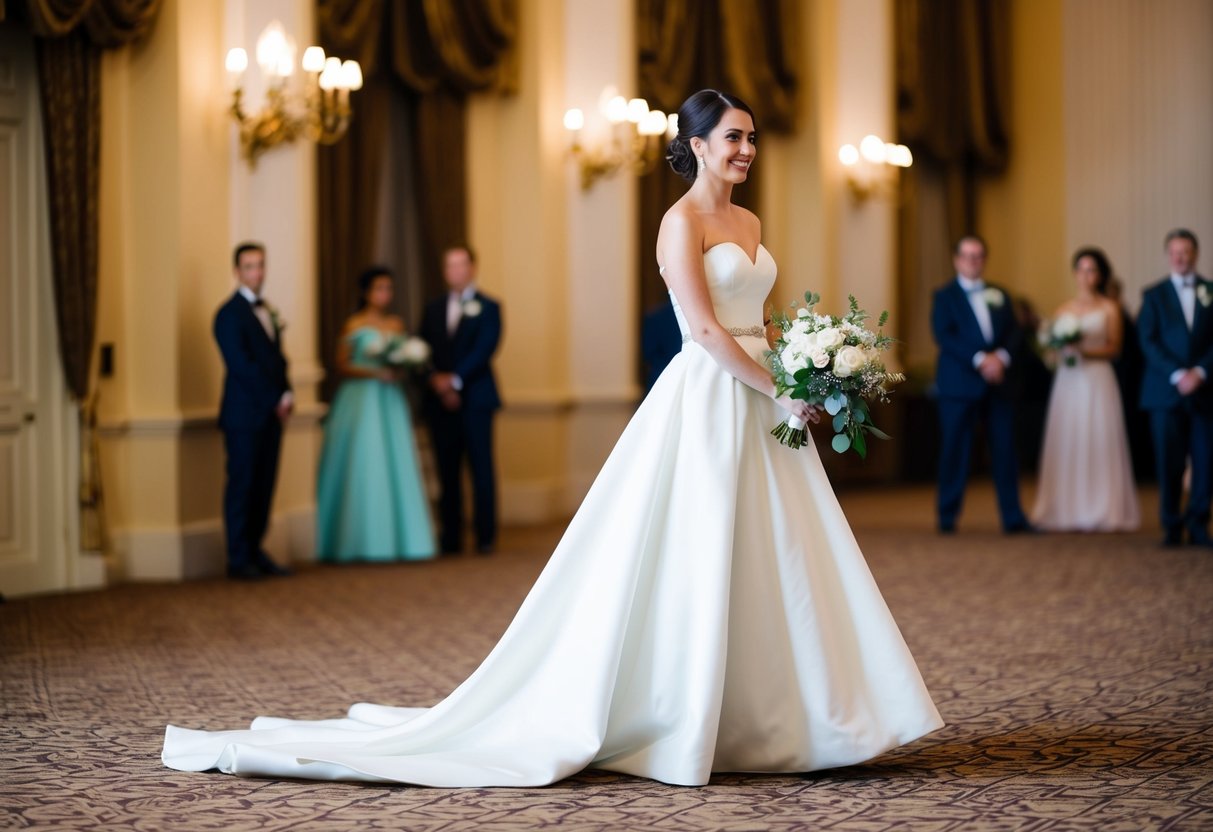
Comfort is key on your big day, and finding a gown that balances style and practicality is essential. A dress that is too long may hinder your movements, while a gown that is too short might not give you that dreamy, elegant feel.
As you explore different styles, remember that the best choice aligns with your personal taste and the overall theme of your wedding. Whether you opt for a classic ball gown or a sleek sheath, make sure it allows you to enjoy every moment with grace and ease.
Determining Your Dress Length

Choosing the right length for your wedding dress is an important decision. It affects your comfort, style, and how well your dress suits the venue.
Suitability to Wedding Venue
The venue plays a big role in deciding the length of your dress. For a beach wedding, a shorter dress or a tea-length dress can be perfect. It allows for easy movement on sand and gives a relaxed vibe.
In contrast, a floor-length dress works well for formal settings, like a church or banquet hall. It adds elegance and sophistication to the overall look. Think about the kind of atmosphere you want to create.
You might also want to consider any restrictions at the venue. Some places may have specific guidelines about attire, so always check in advance.
Dress Style Variations
Different styles of wedding dresses can influence the ideal length you might choose. For instance, A-line and ball gown styles often look stunning when they touch the floor. This length gives them a classic and timeless appearance.
On the other hand, sheath dresses look chic at various lengths. A tea-length option can highlight your shoes while remaining stylish.
You should also think about your personal style. Do you prefer a more traditional look, or are you leaning towards something modern? Choose a length that reflects who you are and makes you feel beautiful on your big day.
Impact of Heels on Dress Length
Your choice of wedding shoes, especially heels, can affect how your dress fits. If you plan to wear heels, aim for a dress length that allows for about one inch off the floor. This way, you won’t accidentally trip over your hem!
If you choose to wear flats, you might want your dress to skim the ground slightly more. Think about the height of the heels you’ll wear when making adjustments to your dress length.
Also, keep in mind that the type of heel can alter the overall look. A stiletto gives you height but may require a different dress length compared to a block heel. Your shoes should complement your dress while still being comfortable for the day.
Customizing Your Dress Fit

Getting the right fit for your wedding dress is crucial. Tailoring can transform your gown, making it uniquely yours. Understanding body type and adjustments, like adding a bustle, ensures you feel comfortable and confident on your big day.
Importance of Tailoring
Tailoring your wedding dress is essential for a perfect fit. A professional tailor can make necessary alterations to ensure your gown complements your figure. This can include adjusting the hem length, taking in or letting out seams, and more.
A well-fitted dress not only enhances your proportions but also helps you move freely. You don’t want to worry about your dress while walking down the aisle. Investing in quality dress alterations can make all the difference in your comfort and style.
Body Type Considerations
Every body type is unique, and your wedding dress should reflect that. Consider your proportions and choose a dress style that flatters your figure. A professional tailor can help identify which areas may need adjustments.
For example, if you have a smaller waist, a fitted bodice can create an hourglass shape. If you prefer more room, an A-line or ball gown might work better. Knowing your body type can guide you in selecting a style that needs minimal changes, enhancing your natural beauty.
Adding a Bustle
Adding a bustle is a practical and stylish choice for your wedding dress. A bustle allows you to lift the train of your gown for easier movement during the reception. This change can help prevent tripping and keep your dress looking good throughout the festivities.
When consulting with your tailor, discuss different bustle styles. Options range from a simple one-point bustle to more complex multi-point designs. Choosing the right technique can keep your dress secured and looking elegant as you celebrate.
Accessories and Dress Coordination

Choosing the right accessories is essential for a polished wedding look. The right shoes and undergarments will enhance your wedding dress while ensuring comfort and confidence throughout your special day.
Choosing the Right Wedding Shoes
When selecting your bridal shoes, consider the height of your dress. Aim for a heel that complements the dress length. For floor-length dresses, your shoes might need to be a little higher to ensure your dress touches the floor correctly.
Types of Bridal Shoes:
- Heels: Elegant and elongate your legs, perfect for adding height.
- Flats: Comfortable and chic for an outdoor wedding or casual vibe.
- Wedges: Provide height while being more comfortable for all-day wear.
Also, consider the fabric and color of your shoes. They should coordinate with your dress for a seamless look.
Selecting Undergarments
Your choice of undergarments plays a key role in how your wedding dress fits and flows. Consider using a slip or underskirt to add volume or smooth out any lines under the dress.
Key Points for Undergarments:
- Support: Look for dresses that provide sufficient support, especially for fitted styles.
- Seamless Options: Look for seamless designs to avoid lines showing through your dress.
- Comfort: You’ll be in these for several hours, so make sure they feel good.
Choosing the right undergarments ensures you look and feel your best on your wedding day.
Avoiding Common Pitfalls
Many people fall into the trap of choosing a dress purely based on trends. Avoid common pitfalls like selecting a length that looks good in pictures but isn’t practical for movement.
A long dress can look stunning, but if it causes you to trip or step on the hem, it can turn your special day into a stressful one.
Check the venue, too. If you’ll be outdoors, keep in mind how grass or sand will affect your dress. Always prioritize your comfort and ability to enjoy your celebration.
Balancing the right length with practicality will enhance your wedding experience.