
Should a Wedding Speech Be Memorized? Tips for Delivering from the Heart
When it comes to delivering a wedding speech, you might wonder if memorizing the entire thing is necessary. Instead of trying to memorize every word, focus on knowing the main points you want to share and feeling comfortable with the flow of your speech. This approach can help ease your nerves during public speaking at the wedding reception.
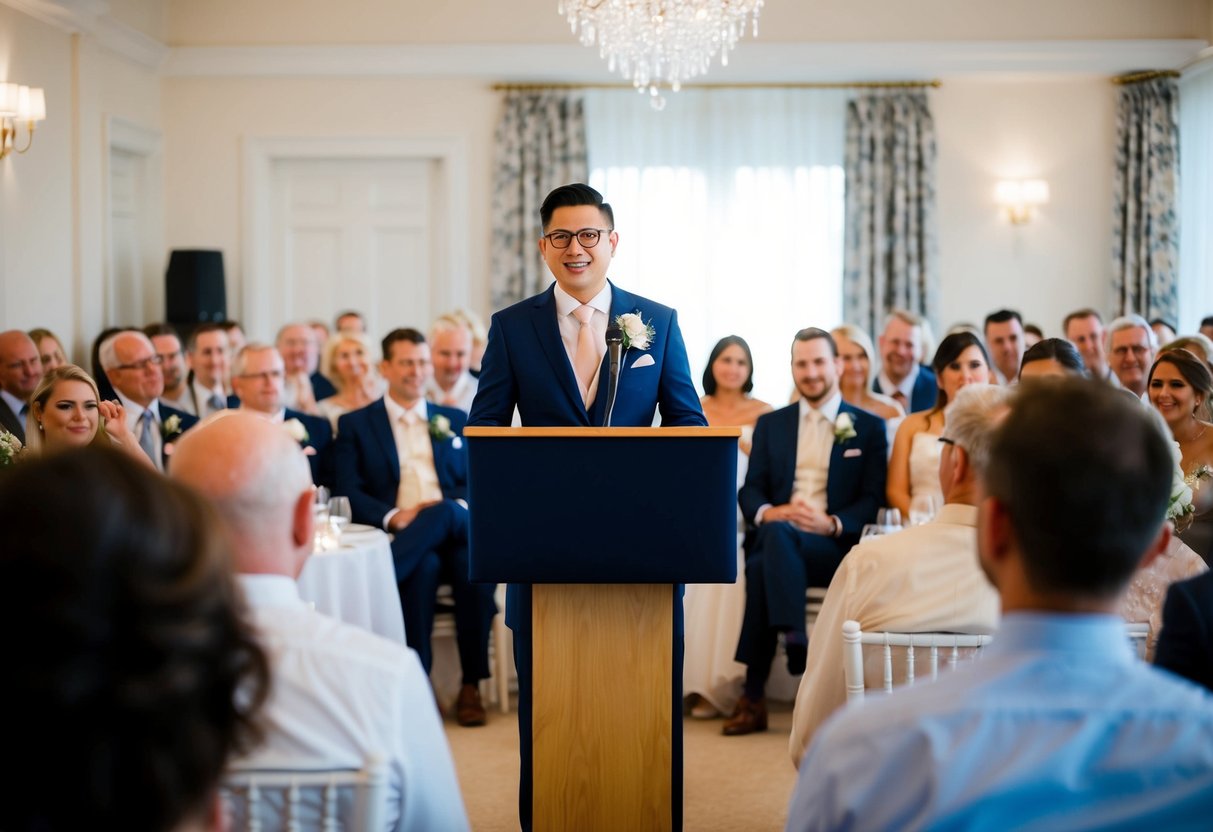
Using notes or bullet points can provide you with a safety net while still sounding natural. By practicing ahead of time, you will gain confidence and ensure that your speech connects with the audience. Remember, the key is to engage your listeners, not just recite your lines.
Weddings are joyful events, and your speech should reflect that happiness. By choosing to be familiar with your content rather than rote memorizing, you allow your personality to shine through. This way, your words will resonate more with the couple and their loved ones.
The Importance of Wedding Speeches
Wedding speeches play a vital role in expressing heartfelt emotions and setting the stage for the celebration. They create a memorable experience for all guests and help connect everyone present.
Creating a Connection Through Words
A wedding speech is more than just words; it’s a way to share stories and feelings. This is your chance to reflect on the couple’s journey, highlighting special moments. When you speak from the heart, your words can resonate with the guests.
Sharing a meaningful anecdote or a funny memory can create laughter and warmth. This personal touch encourages guests to bond, making them feel part of the celebration. A well-delivered wedding toast can lead to smiles and even a few happy tears. This connection elevates the atmosphere, making the day even more special.
Setting the Tone for the Reception
Your speech sets the mood for the rest of the reception. A lively and positive wedding toast can energize the room. By starting with humor or touching stories, you set expectations for the celebration.
It’s essential to gauge the audience and adjust your tone accordingly. A heartfelt speech may encourage guests to share their own stories throughout the night, enhancing the communal feeling. As you wrap up your speech, inviting everyone to raise their glasses for a toast can unify the crowd. This creates a sense of togetherness and joy, ensuring the reception is memorable for everyone involved.
Crafting Your Speech
Creating a memorable wedding speech involves careful planning and personalization. You can make an impact with a well-structured format, personal anecdotes, and thorough practice.
Structuring Your Thoughts
Start by outlining your main ideas. Use bullet points to list key topics you want to address. This might include your relationship with the couple, how you met them, or what makes their love special.
Your speech should have a clear introduction, body, and conclusion.
- Introduction: Say who you are and your relationship to the couple.
- Body: Share core memories and experiences.
- Conclusion: End with a heartfelt wish or toast.
Keeping everything organized will help you stay focused.
Incorporating Personal Stories
Weave in personal stories to give your speech a unique touch.
Think of funny or sweet moments you shared with the couple that highlight their personalities or love. Personal anecdotes make the speech relatable and engaging.
Make sure your stories are appropriate for all age groups attending. Avoid inside jokes that only a few may understand.
Feel free to use cue cards to jot down prompts for these stories. They can help jog your memory and keep you on track.
Practice and Preparation
Rehearsing your speech is crucial for a smooth delivery. Practice in front of a mirror or with a friend.
Focus on your tone, pace, and body language.
Try recording yourself to see how you come across.
If you feel nervous, it’s okay to use cue cards during the speech. Just refer to them for key points.
Remember, the goal is to connect with the audience, so be genuine and speak from the heart.
Memorization Techniques
Memorizing a wedding speech can be less stressful with the right techniques. Think about how you can use simple tools to help remember your key points.
Using Mnemonics
Mnemonics are great tools to aid your memory. You can create acronyms using the first letter of each main point in your speech. For example, if your points include love, respect, and humor, you can use “LRH” to remember them easily.
Another method is to develop visual images related to your points. Picture the couple’s wedding vows or a funny story that emphasizes your message. Associating images with the speech can make recall easier.
Using bullet points for each section of your speech can also help. Write them out and visualize each bullet as a step in your speech, which can serve as your memory cues.
The Role of Rehearsal
Rehearsing your speech is crucial for memorization. Start by reading through your speech several times until you feel familiar with it. Then, practice delivering it out loud.
Consider using cue cards with key phrases or bullet points. These can serve as reminders without having to read every word. Use them as prompts to help guide your delivery while still sounding natural.
Rehearse in front of friends or family. Their feedback can help you improve and build confidence. The more you practice, the more comfortable you will become, making it easier to recall your speech during the big event.
Delivering Your Speech with Confidence
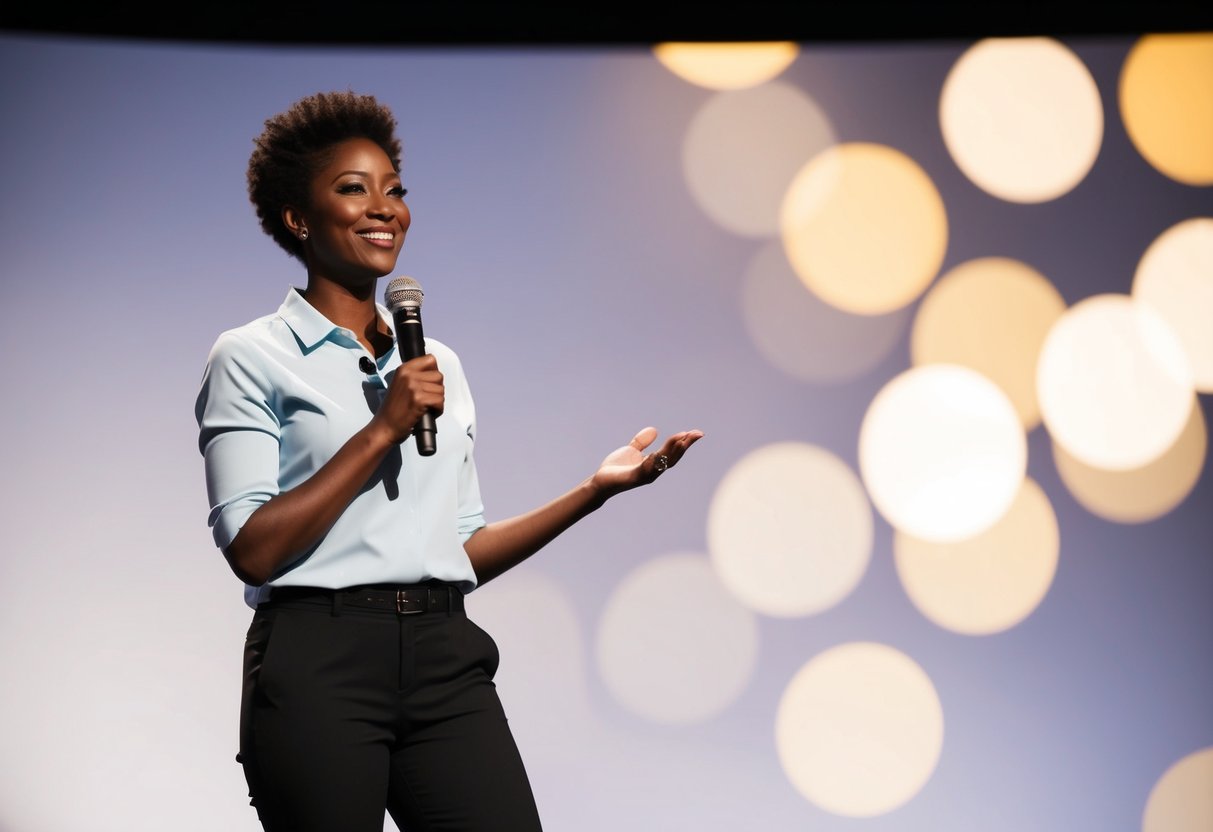
Delivering a wedding speech can feel intimidating, but with the right techniques, you can present with ease. Focusing on how to overcome nervousness, engage your audience, and use effective body language can help make your speech memorable.
Overcoming Nervousness
Many people experience nervousness when speaking in public. To manage this, take some deep breaths before you start. Grounding exercises can help too. For example, feel your feet on the floor.
Practice is also key. Rehearse your speech multiple times. This helps you feel familiar with the material. Try to practice in front of friends or family for constructive feedback. Familiarity can reduce anxiety.
Visualize success by imagining a positive outcome. Picture the audience laughing and applauding. This mental practice can boost your confidence and reduce fear.
Engaging Your Audience
To make your wedding speech truly memorable, connect with your audience. Start with a warm greeting, then share a personal story that relates to the couple. Use humor where appropriate, but keep it light and tasteful.
Eye contact is vital. Looking at different people in the room makes everyone feel involved. You want them to feel your emotion and enthusiasm.
Encouraging reactions can enhance engagement. Pause for laughter or allow the audience to respond. This interaction creates a more enjoyable experience, making your speech more impactful.
Effective Body Language
Your body language speaks volumes when delivering a speech. Stand tall and be aware of your posture. Good posture not only projects confidence but also helps you breathe more easily.
Use hand gestures to emphasize points. It makes your speech more dynamic. Avoid crossing your arms or putting your hands in your pockets, as these can appear closed off.
Move around slightly to keep your audience’s attention. This shows energy and passion for what you are saying. A genuine smile can also go a long way. It creates a friendly atmosphere, making your words resonate more with everyone present.