
Should Both Sets of Parents Sit Together at a Wedding Reception? Exploring the Benefits and Considerations
Choosing the right seating arrangement at your wedding reception can be tricky, especially when it comes to your parents. Having both sets of parents sit together can create a warm and welcoming atmosphere, allowing family dynamics to blend smoothly. This can also serve as a wonderful opportunity for everyone to connect and celebrate your special day as one family unit.
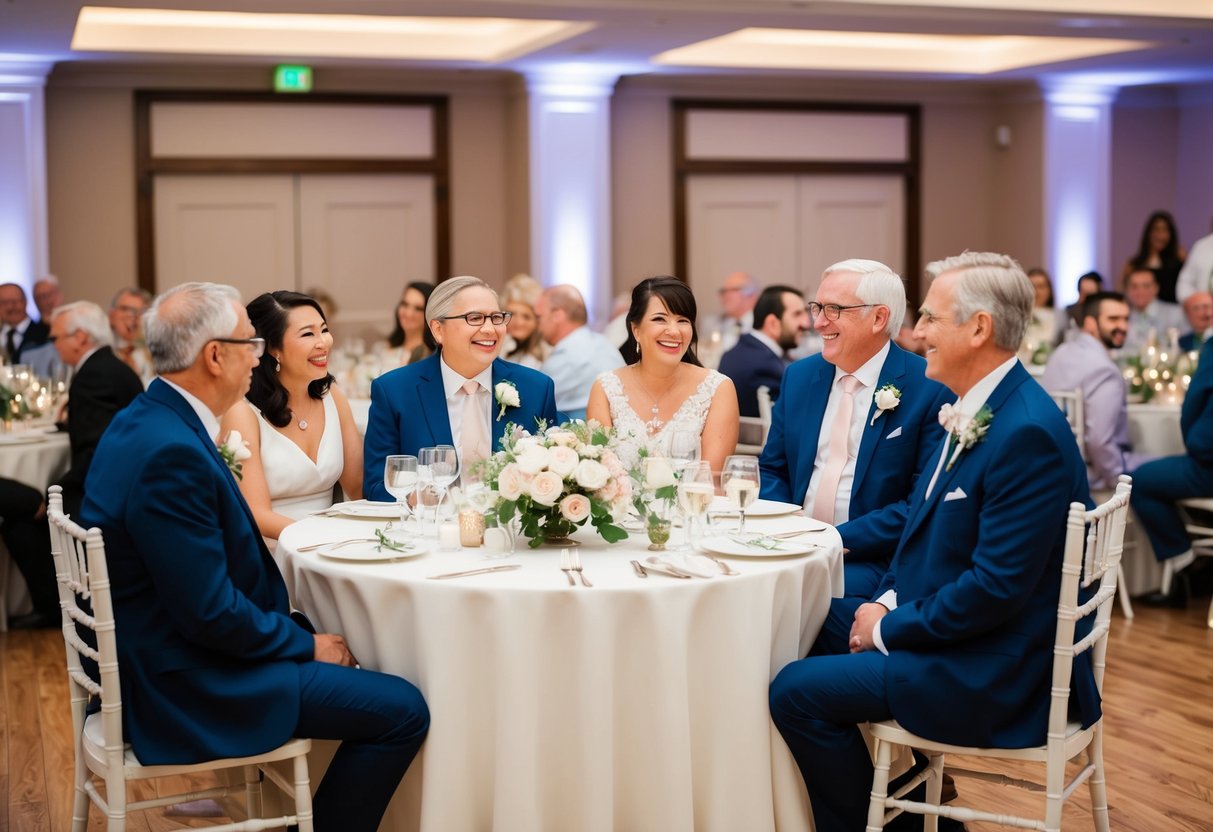
Of course, every family is unique, and your decision might depend on how well your parents get along. If there are any tensions or differing relationships, it may be more comfortable for them to sit separately.
Ultimately, you want to create a joyful setting where everyone feels included and enjoys the occasion.
Thinking through these arrangements ahead of time can help you avoid stress on your big day. By considering your family dynamics, you can decide the best way to seat your parents, ensuring that everyone has a great time at the reception.
The Basics of Wedding Reception Seating
Seating at a wedding reception plays a crucial role in making your event enjoyable and comfortable for all your guests. It’s important to consider how you want to arrange the seating to ensure everyone feels included and engaged.
Understanding Seating Chart Essentials
Your seating chart is a vital tool for organizing your guests. It helps everyone find their assigned tables quickly and smoothly.
Begin by considering your guest list. Make a note of relationships and dynamics. This can help avoid awkward situations.
A common approach is to create a table of honor for close family and friends. The head table typically includes the couple and their wedding party, while the sweetheart table is a cozy spot for just the two of you.
Remember to communicate your seating plan to guests well in advance. This lets them know where they’ll be seated.
Options for Arranging the Head Table
When planning the head table, you have several options to consider. The traditional head table features the bride and groom in the center, flanked by their wedding party. This creates a classic look that many couples love.
Another option is the sweetheart table. This intimate arrangement lets you enjoy a moment together while surrounded by your guests. You could also opt for a long table that includes family members, creating a sense of togetherness.
Deciding on the type of head table you prefer can help set the tone for the entire reception. Make sure it fits your wedding style and feels right for your personality.
Deciding Between Assigned and Open Seating
Choosing between assigned tables or open seating is an important decision. Assigned tables can prevent guests from feeling lost. It also allows you to control interactions among your guests, which is especially helpful if families are meeting for the first time.
On the other hand, open seating offers more flexibility for guests. They can choose where to sit based on existing friendships. This can create a more casual and relaxed atmosphere.
Whichever option you choose, think about your guests’ comfort. Make sure they can enjoy their meal and the company they’re with.
Navigating Family Dynamics and Seating Arrangements
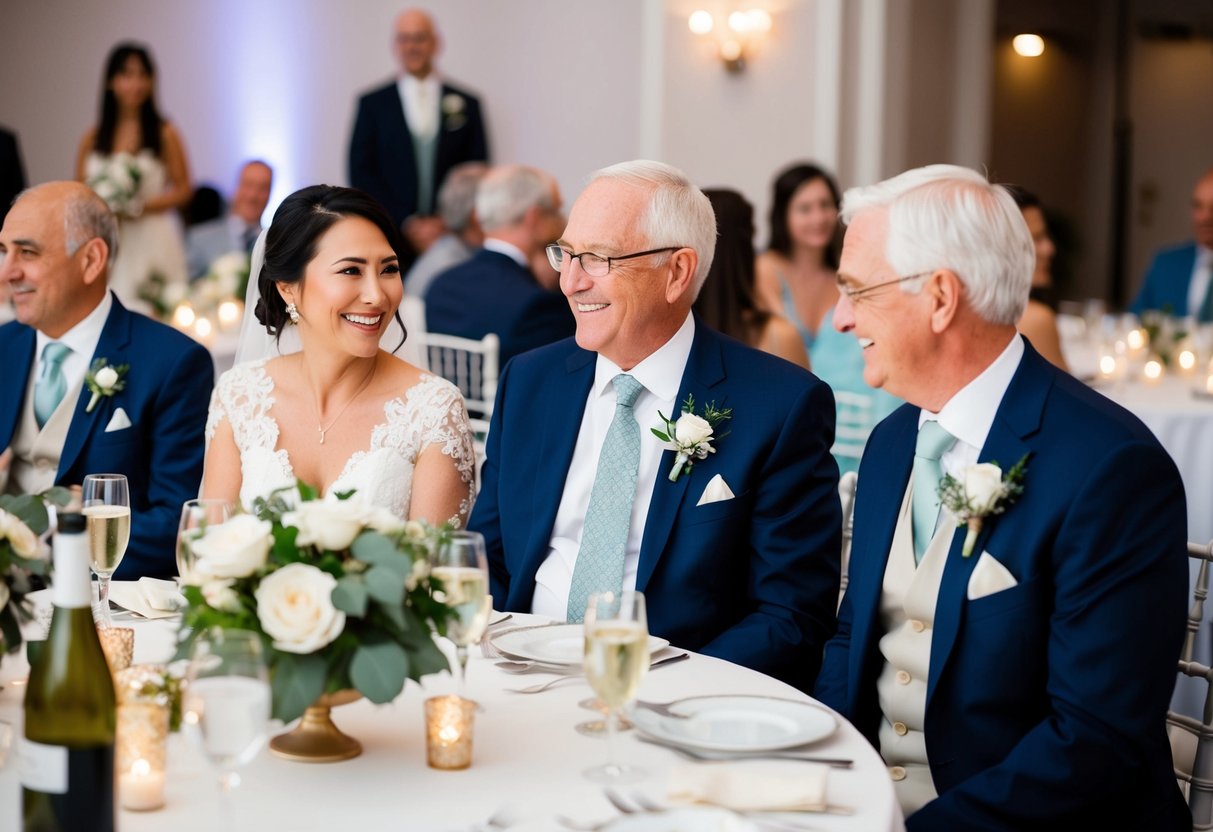
Creating a seating plan for a wedding can be tricky, especially when family dynamics come into play. You want to make sure everyone feels comfortable while enjoying the celebration. Here are key strategies for seating divorced parents, incorporating extended family, and addressing sensitive situations.
Strategies for Seating Divorced Parents
When both sets of parents are divorced, it’s vital to approach seating with care. Start by considering their relationships with you and each other. If they get along, seating them together can create a warm atmosphere.
If not, aim to seat them at separate tables, but still keep them close to the action. For example, one parent could sit with their side of the family while the other sits with friends or extended relatives.
Make sure both tables have clear views of the couple, so they feel included in special moments.
Incorporating Extended Family into the Seating Plan
Your extended family members can enhance the celebratory mood of your wedding. Ensure that they feel valued by placing them strategically in the seating arrangement.
Consider grouping extended family by sides—bride’s side and groom’s side—while mixing in some close friends. This can create a more relaxed atmosphere for everyone.
To avoid conflicts, discuss seating preferences with key family members ahead of time. This can help you understand any potential issues and plan accordingly.
Addressing Sensitive Situations with Tact
There may be sensitive situations to navigate, such as a parent’s new partner or other family disagreements. Approach these with empathy and clarity.
Try to seat either side of the family in a way that minimizes tension. If necessary, discuss arrangements with involved parties beforehand. This helps reassure them that their feelings are respected.
Keeping lines of communication open will help your big day run smoothly. You want everyone to focus on celebrating your love, not on past conflicts.
Communicating with Guests and Finalizing the Seating Chart
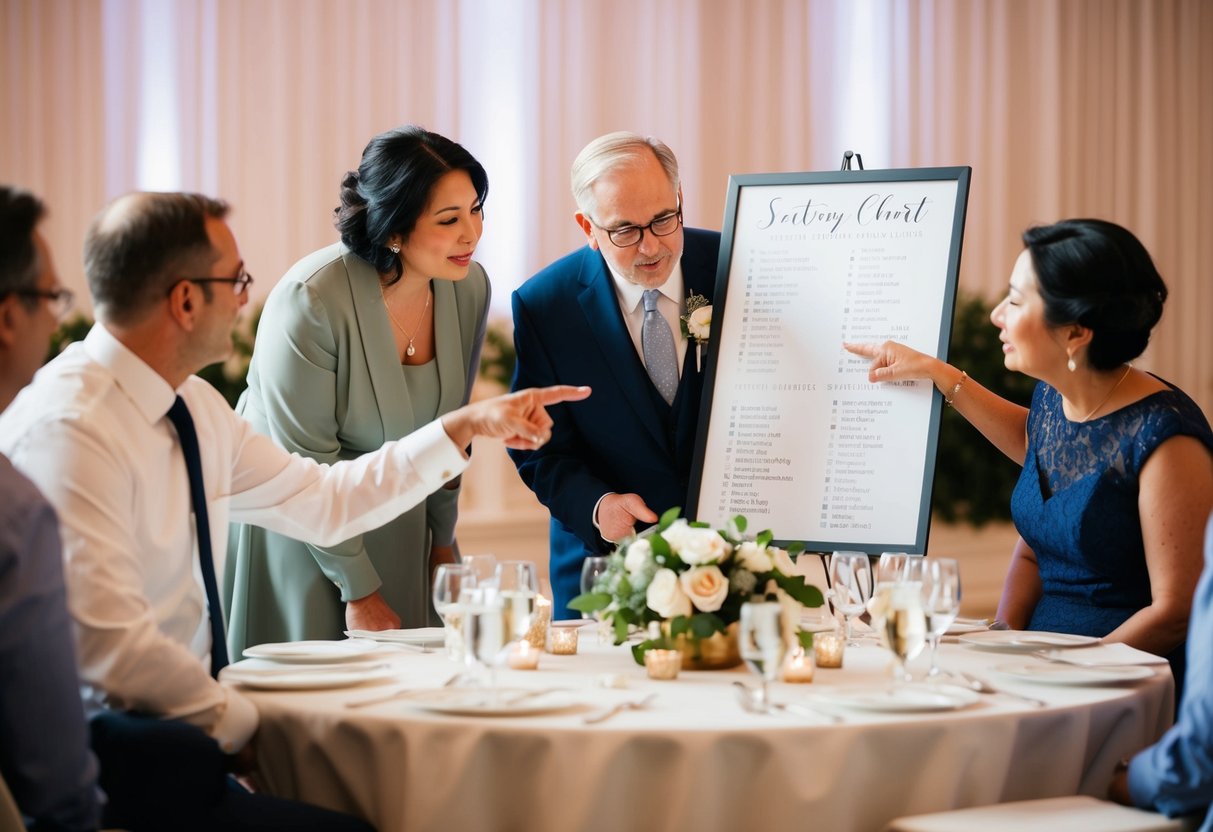
Effective communication with guests is key to finalizing your seating chart for the wedding reception. It helps ensure everyone feels comfortable and valued. Organizing RSOPs, working with wedding planners, and creating clear signage are essential steps in this process.
The Importance of RSVPs and Accurate Guest Counts
Getting RSVPs is crucial. They provide you with a clear understanding of how many guests will attend. This information impacts your seating arrangements and overall planning.
Send out invitations early and set a deadline for responses. Use a simple method for guests to reply, like a phone call, a text, or an online form. Keep a close eye on who has responded. This allows you to adjust your guest list as needed.
An accurate guest count helps in arranging tables and ensuring enough meals. It can also show you if any adjustments are needed. Remember to follow up with those who haven’t replied as the date approaches.
Leveraging Wedding Planners for Optimal Arrangements
If you’re feeling overwhelmed, a wedding planner can be a great resource. They have experience that can simplify the seating chart process.
By collaborating with them, you can focus more on enjoying your big day.
Your wedding planner can help with layout ideas, and guest list organization, and communicate your wishes to vendors. They often have insights into seating dynamics and can suggest arrangements that encourage comfort and conversation.
Discuss any family dynamics openly with your planner. They can provide solutions for challenging situations, ensuring everyone sits in a way that promotes harmony.
Creating Place Cards and Reserved Signage
After finalizing your seating arrangements, create place cards and reserved signage. These items guide guests to their designated seats and help avoid confusion.
Place cards can be personalized. Consider adding a small touch, like your wedding colors or a heartfelt message. Make sure the names are clear and legible.
Reserved signs are equally important. This prevents guests from sitting at tables not designated for them. Clearly mark sections for family, especially if you want both sets of parents to sit together. It all helps guests feel welcomed and makes the reception flow smoothly.