
Should Couples Sit Next to Each Other or Across at Wedding? Exploring the Best Seating Arrangements for Romance
When planning your wedding reception, you may wonder if couples should sit next to each other or across from each other. Both options have their benefits. Sitting next to each other allows for intimate conversation, while sitting across from each other encourages interaction with other guests.
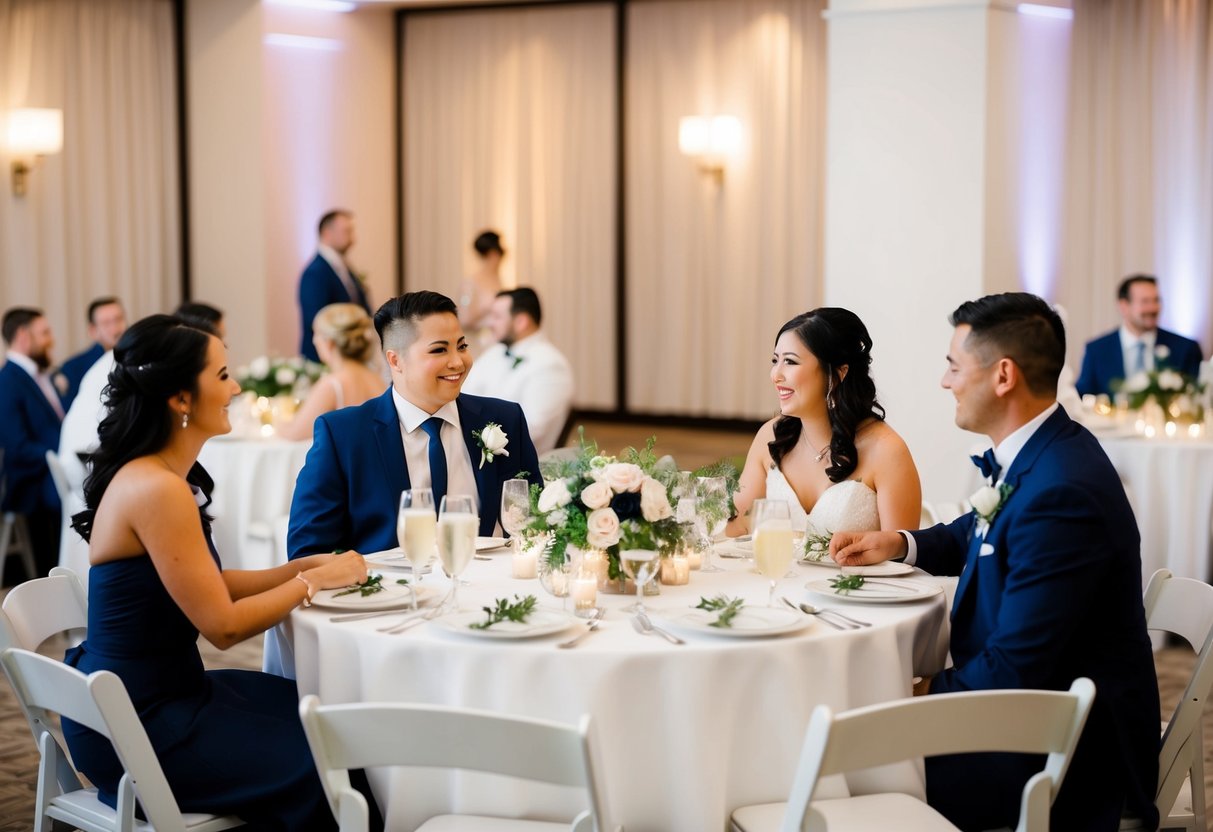
As you create your seating chart, consider the dynamics of your guests. If your friends and family enjoy mingling, placing couples across from each other may help spark more conversations around the table. On the other hand, if you think your guests would appreciate the comfort of sitting next to their partner, go for that option.
Designing Your Wedding Seating Chart
Creating your wedding seating chart involves careful planning to ensure your guests feel comfortable. The layout and arrangement can significantly influence the atmosphere of your reception. Here’s how to approach this task effectively.
Determining the Layout
Begin by deciding on the general layout of your reception space. Think about if you want to use round tables, long tables, or a mix of both.
Round tables often encourage conversation, while long tables can create a more communal feeling.
You’ll also want to consider the head table. This is typically where the wedding party sits, and it can be set as a long table or a sweetheart table for just the couple. Plan the layout around the dance floor and other vital areas, like the buffet or bar, to ensure easy movement for your guests.
Creating a Seating Plan
Next, develop a seating plan based on your guest list. Start by categorizing your guests into groups such as family, friends, and coworkers. This helps you visualize who should sit together.
Using a large sheet of paper or a digital tool can make this easier. Create a draft of your seating chart and play around with different arrangements. Make sure you have enough seats for everyone, and consider using assigned seating to prevent confusion.
Seating Chart Etiquette
Seating chart etiquette is important for creating a welcoming atmosphere. Aim to make your guests comfortable by seating them with familiar faces. Avoid placing guests with those who may have unresolved conflicts.
Remember to accommodate any special needs. For example, guests who may require extra space or those with mobility issues should be seated accordingly.
Seating Arrangements for Couples
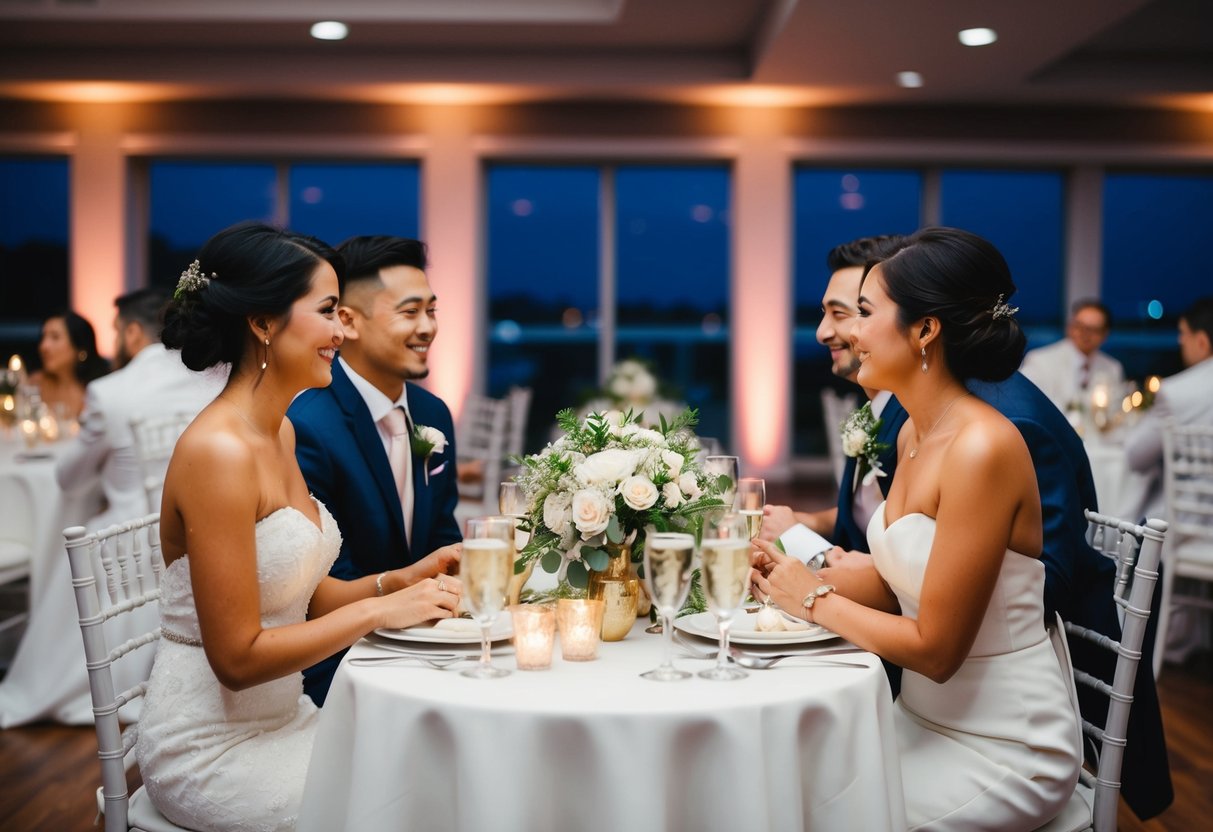
Choosing how to seat couples at your wedding involves balancing personal preferences with the flow of the event. You can decide whether couples should sit next to each other or face each other across the table. Each arrangement has its benefits and can impact the dining experience.
Couples Next to Each Other
Seating couples next to each other can create a sense of unity and comfort. This arrangement allows for easy communication and shared experiences throughout the reception. It can encourage intimate conversations, which enhances the overall mood.
For same-sex couples, this seating can also promote inclusivity. You might consider placing couples next to each other if they are close friends or family. This allows them to feel supported and connected during the event.
This setup works best at smaller tables where guests can interact more freely. The social dynamic often improves because couples can engage directly with one another while still participating in the larger group conversation.
Facing Each Other Across the Table
On the other hand, seating couples facing each other across the table encourages interaction with other guests. It can open up the conversation, making it more inclusive for everyone at the table.
This arrangement may also help couples engage more with the atmosphere. They can share moments together while enjoying the larger celebration. It allows for the opportunity to have personal conversations without feeling isolated.
When seating couples this way, think about the mix of personalities. Consider how well the couples know each other and their comfort levels in engaging with new friends. This arrangement is ideal for larger gatherings, fostering a lively and dynamic environment.
Special Considerations
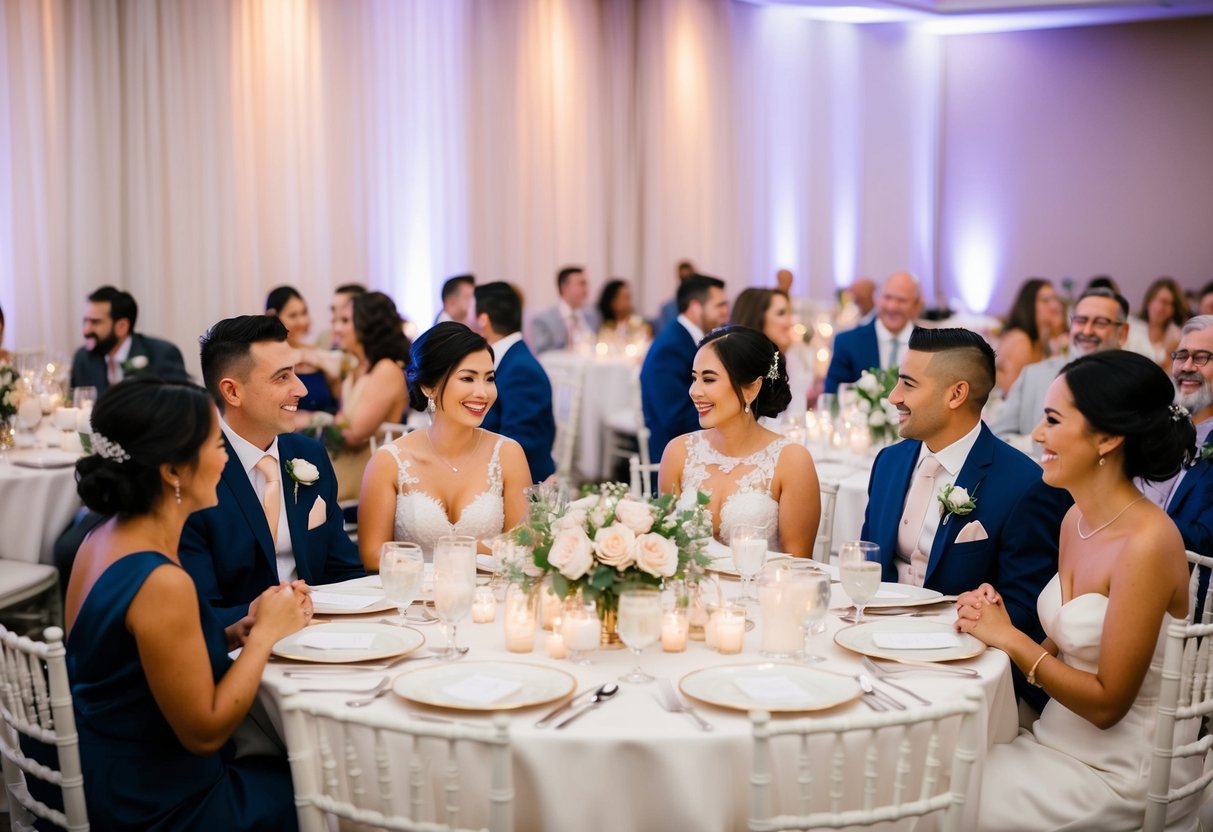
When planning your wedding seating, you should consider how to handle singles and plus-ones, as well as how to include children. These factors can affect the overall atmosphere and enjoyment of your reception.
Handling Singles and Plus-Ones
It’s essential to think about how singles and plus-ones fit into your seating chart. If you have friends attending solo, consider placing them at tables with other singles. This can encourage mingling and fun conversations.
For guests bringing a plus-one, make sure they feel comfortable. You can assign them to a table with familiar faces or mix them with singles. This approach allows everyone to mingle and connect, creating a welcoming environment.
Planning for Children
Including children in your seating arrangements means considering their needs. Many weddings have a dedicated kids’ table where younger guests can sit together. This setup keeps kids entertained and allows parents to enjoy the event more.
When you arrange the kids’ table, you should think about their age range. Pairing children of similar ages is useful for better interaction. Additionally, consider having activities or coloring sheets at the table. This will keep them engaged and content during the reception.