
Should Couples Sit Together at Weddings? Exploring Etiquette and Guest Comfort
Weddings are joyous occasions filled with love, laughter, and celebration. As you plan your special day, one question might rise to the top of your list: Should couples sit together at weddings? The answer is yes; seating couples together creates a more comfortable and enjoyable experience for everyone.
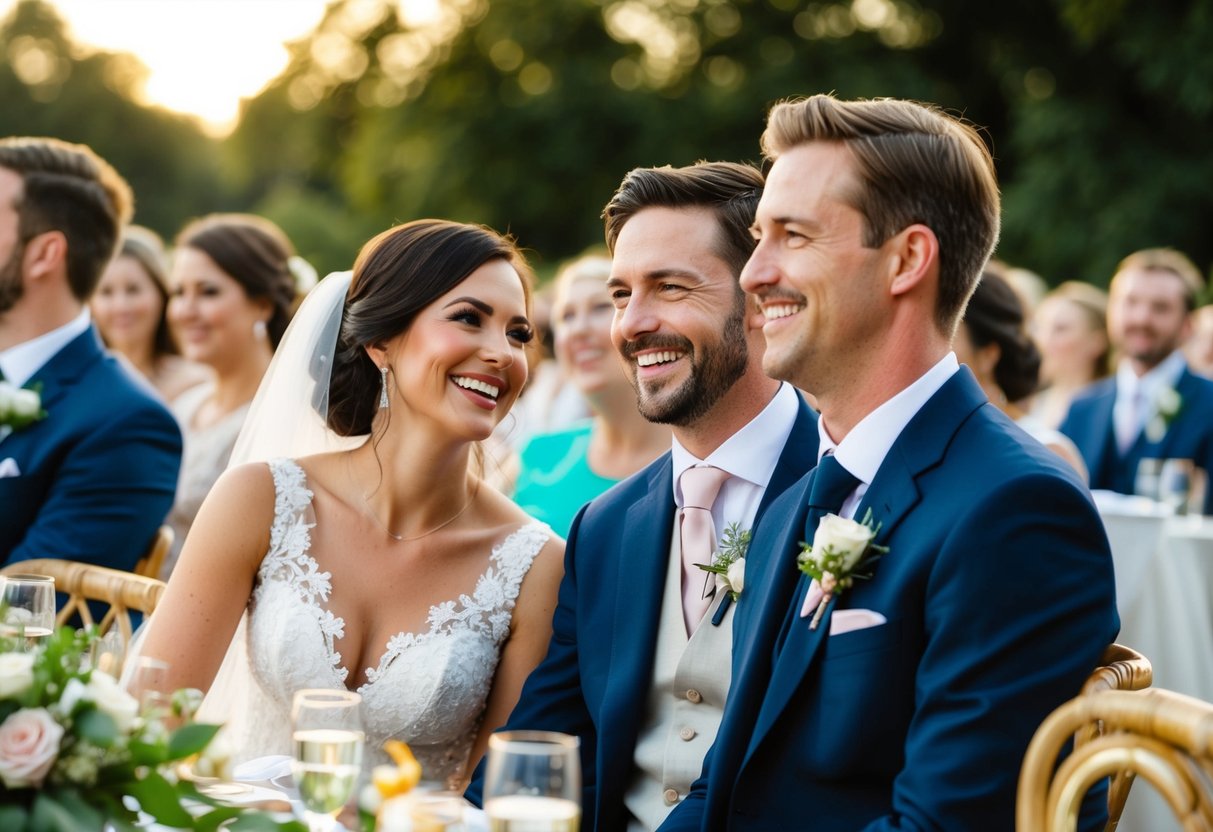
When guests share their table with their partner, they can enjoy the festivities together without feeling separated. This arrangement helps to foster conversation and connection, making the event more pleasant for those who may not know many others in attendance.
Plus, it reflects the spirit of the day—celebrating the bond of love that the wedding represents.
As you consider your seating chart, think about the dynamics of your guests. Making thoughtful choices about where people sit can enhance the overall atmosphere and ensure that everyone has a great time.
Keep reading to explore more tips and insights on wedding seating arrangements!
Understanding Wedding Seating Dynamics
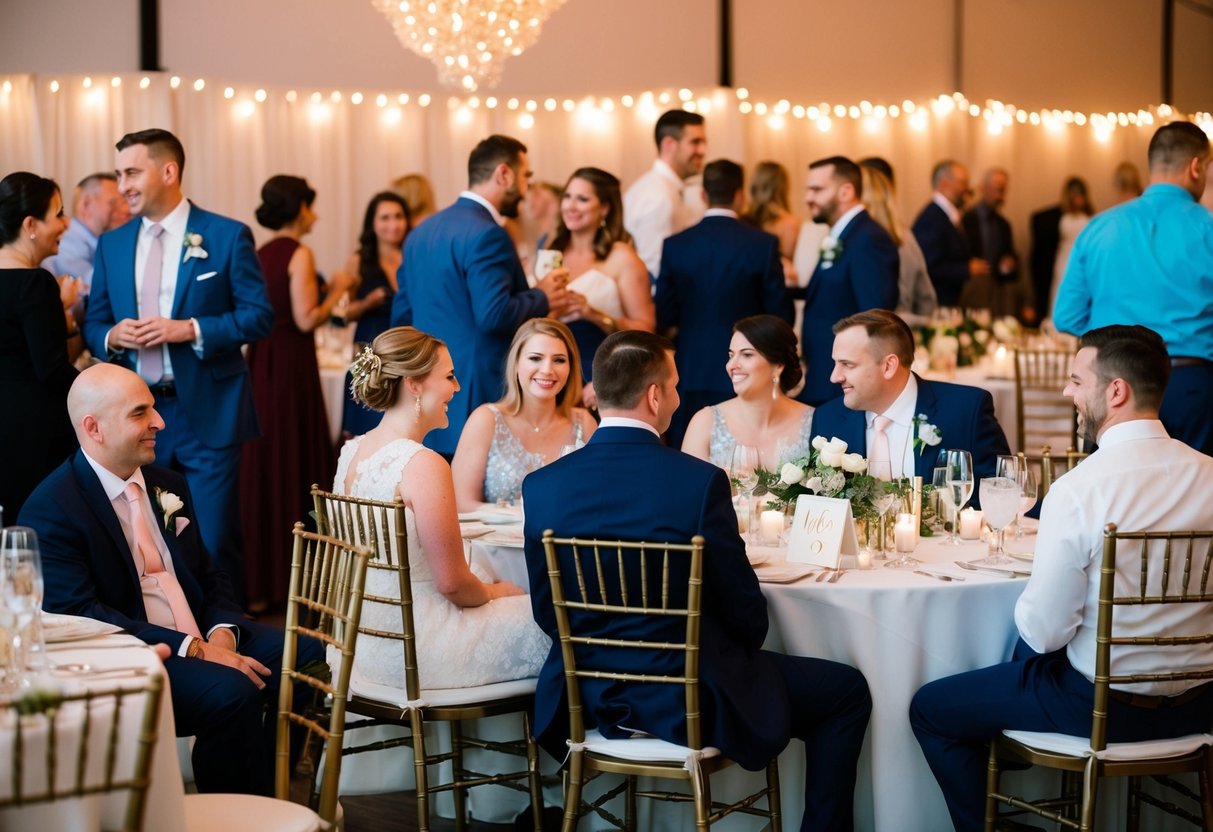
Wedding seating plays a vital role in creating a comfortable atmosphere. By thoughtfully planning a seating chart and arrangement, you can foster connections among guests and ensure everyone enjoys the event.
The Purpose of a Seating Chart
A seating chart helps organize your wedding reception, guiding guests to their designated spots. It’s a tool that merges your guest list with seating etiquette.
For larger weddings, it can prevent confusion and minimize awkward moments.
Using place cards or escort cards can also add a personal touch. Each card directs guests to their table, making it easy for them to find where to sit.
This structure can also balance social dynamics by strategically placing friends and family members together.
Seating Chart vs. Seating Arrangement
The seating chart shows where everyone will sit, while the seating arrangement refers to the specific layout of tables and chairs.
It’s important to create an effective arrangement that considers your venue’s space and flow.
When organizing the seating, consider assigned seating for more formal events. This approach ensures that guests sit with people they know or have something in common with.
Keep in mind the wedding seating etiquette as well; it’s courteous to place the bride’s family on one side and the groom’s on the other, but feel free to mix things up if desired.
Designing the Perfect Wedding Reception Seating

Creating an inviting and functional seating arrangement is essential for a successful wedding reception. Thoughtful planning will enhance guest comfort and promote a joyful atmosphere. Here are key elements to focus on while designing your seating plan.
Creating a Seating Plan That Works for Everyone
Begin by mapping out your wedding venue and its floor plan.
Make a list of everyone you want to invite and categorize them. Consider who should sit together, like the bridal party and close family.
A head table for the couple and bridal party can be a focal point. Meanwhile, arrange tables for families and friends, noting special connections or conflicts.
You might also create a singles table for guests who are unaccompanied. This can help make them feel included and spark new friendships.
Don’t forget to assign spots to guests with children seated at a kids’ table.
Use table assignments to make it clear where everyone should go, ensuring smooth seating flow at your wedding reception.
Utilizing Different Table Shapes and Layouts
Table shape plays a significant role in how guests interact.
Round tables encourage conversation and help guests feel more included. If your space allows, consider mixing round and rectangular tables for variety.
Rectangular tables can maximize seating space and create a more formal look.
If you opt for a sweetheart table, place it prominently within the reception area. This allows you to enjoy the company of your partner while also being visible to your guests.
Design your layout thoughtfully, so guests can move easily between tables without feeling cramped.
Addressing Special Considerations
Think about any special requirements your guests might have.
For instance, ensure that elderly guests have seats away from loud speakers and are easily accessible. Also, consider seating arrangements for guests with dietary restrictions, helping them feel cared for.
If you have lively children attending, make a special kids’ table with fun décor that keeps them entertained. Be mindful of guests who might feel out of place, like those attending solo. Creating a welcoming environment will ensure everyone enjoys themselves during your wedding reception.
Couples at Weddings: To Sit Together or Not?
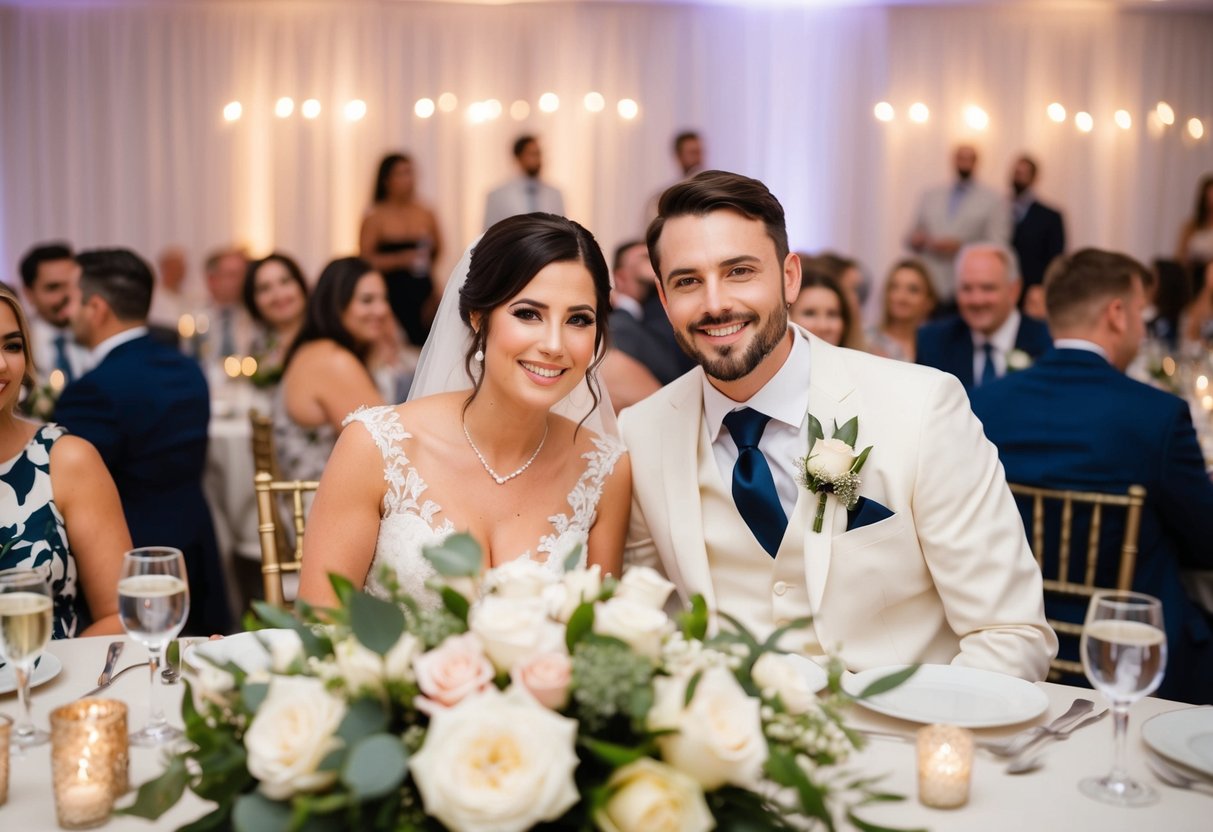
When planning your wedding reception, deciding whether couples should sit together is important. This decision impacts guest comfort, interaction, and overall enjoyment of the celebration.
Considering the Couple’s Preference and Comfort
Think about how you and your partner feel about sitting together during the reception. Many couples prefer to be side by side for support and comfort.
Being next to each other allows for easy conversation and connection throughout the event.
This choice can also be reflected in your seating arrangement. For example, using place cards can ensure couples are seated together or near each other.
This way, they can engage with one another in a busy setting. If some guests don’t know many people, sitting next to their partner can offer a sense of security.
Don’t forget to ask your guests if they have any specific dietary requirements when creating the seating chart. This can further enhance their comfort.
Balancing Guest Interaction and Personal Space
While it’s nice for couples to sit together, you also want to foster interaction among your guests.
Consider how a seating arrangement affects both personal space and social engagement. When couples sit together, they can spend time together while also chatting with others nearby.
Think about your guest list, too. If you group couples at tables, you might want to mix them with single guests or friends to encourage mingling. This mix can help break any awkwardness during the reception.
As you plan, communicate clearly through RSVP cards about seating details.
A well-thought-out seating chart can invite interaction without sacrificing comfort. Balancing these elements can create a friendly atmosphere that everyone enjoys.