
Should Formal Shoes Be Tight or Loose? Finding the Perfect Fit for Comfort and Style
Finding the right fit for formal shoes is essential for both comfort and style. Many people wonder if their shoes should be tight or loose. The best fit is a snug but comfortable feel that doesn’t pinch your toes or slide off your heels. A well-fitted shoe allows you to look sharp while feeling confident throughout the day.
When it comes to shoe sizing, knowing your exact measurements can make all the difference. Loose shoes might let your feet swell, leading to blisters, while overly tight shoes can cause discomfort and restrict movement.
You want a balance that provides support without sacrificing your look.
Fashion plays a key role too. A polished appearance starts with your shoes, but they should enhance your outfit rather than detract from it. Understanding how formal shoes should fit will not only elevate your style but also keep your feet happy, so you can focus on making a great impression.
Understanding Shoe Fit Basics
Finding the right fit for formal shoes is essential for comfort and health. Proper shoe fit ensures that you can wear your shoes for extended periods without discomfort.
Pay attention to how your shoes feel in different areas, particularly the heel, toe box, and width.
The Importance of Proper Fit
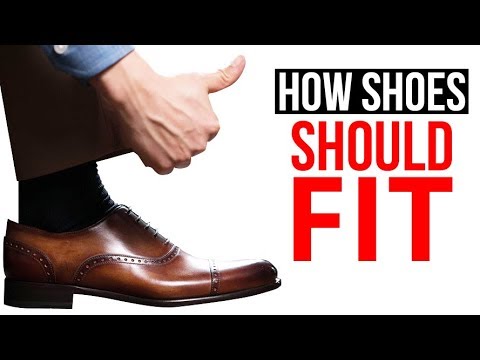
Wearing ill-fitting shoes can lead to discomfort and foot problems. Proper fit allows your feet to move comfortably without excessive pressure. Shoes should be snug at the heel to prevent slippage but allow some wiggle room for your toes.
Aim for at least 1/2 inch of space between your longest toe and the end of the shoe. This space helps avoid pinching and soreness. Remember that about 80% of people wear the wrong shoe size, which can lead to issues like blisters or bunions.
Measuring Your Foot
Measuring your foot accurately is crucial for finding the right shoe size. You can use a Brannock device, which measures length, width, and arch length.
To measure at home, place your foot on a piece of paper and trace it. Measure the longest distance from toe to heel and the widest part of your foot. Repeat for both feet, as they may vary in size.
Make sure to measure later in the day when your feet are slightly swollen for a more accurate fit.
Interpreting Shoe Sizes and Widths
Shoe sizes can differ between brands and styles. Always consult the size chart of the specific brand you’re considering. The standard shoe size usually refers to length, but width is just as important.
Shoe widths are often labeled as narrow (B), standard (D), wide (E), or extra wide (EE). A proper width provides comfort in the toe box, allowing your toes to spread naturally.
Too tight a fit can cause pain, while a loose fit may lead to blisters. Focus on both size and width when choosing your formal shoes to ensure the best fit for your feet.
Selecting the Right Dress Shoes
Choosing the right dress shoes is essential for comfort and style. When shopping, consider the materials, shoe design, and fit. Knowing these factors can help you find the perfect pair that feels great and looks sharp.
Materials and Shoe Design
When selecting dress shoes, the materials matter a lot. Most dress shoes are made from leather. Leather is not only durable but also molds to your feet over time, offering a more comfortable fit.
Look for full-grain or top-grain leather. These types are high quality and provide better breathability.
Consider the shoe design too. Oxfords, brogues, and loafers each have unique styles. Oxfords are formal, brogues have decorative perforations, and loafers offer easy slip-on wear. Choose a design that matches the occasion and your wardrobe.
The Role of Shoe Lasts in Fit
Shoe lasts are the molds used to shape shoes. The right shoe last affects how the shoe fits your foot.
You should pay attention to the width and shape of the last. A shoe that fits well shouldn’t pinch or slide off. It should hug your foot comfortably.
Different brands may have unique lasts, so try several. For instance, some brands are noted for a wider fit, while others may be narrower. Understanding shoe lasts can help you find a comfortable fit that keeps your feet happy all day.
When to Choose Loafers
Loafers are a great option when you want a blend of style and comfort. They are easy to wear and perfect for both casual and semi-formal occasions.
Choose loafers if you’re looking for flexibility. They often have a softer construction and can be less formal than other dress shoes like oxfords.
Consider materials like suede or polished leather to match your outfit. Loafers can provide a stylish look while ensuring your feet remain comfortable, making them an excellent choice for events where you’ll be on your feet.
Troubleshooting Common Fit Issues

Finding the right fit for your formal shoes can prevent many common foot problems. If your shoes are too tight or too loose, you might face discomfort. Below are practical tips to solve these issues.
Dealing With Heel Slippage
Heel slippage occurs when the back of your shoe doesn’t fit snugly. This can lead to instability and discomfort.
To fix this, consider choosing shoes with a better heel grip. Make sure your shoes are the right size. A good fit should feel secure without being overly tight.
If slippage persists, use heel grips or cushions. These small added features can create a better fit and keep your heel in place.
Solutions for Blisters and Bunions
Blisters and bunions can develop when your shoes rub against your skin. If your shoes are too tight, they may squeeze your toes, leading to painful blisters.
To avoid this, look for shoes with a roomy toe box. For bunions, consider styles with wider fronts. You can also use padded strips or blister bandages to protect sensitive areas.
If you have existing blisters, let them heal before wearing the shoes again.
Adjusting Fit With Insoles or Inserts
If your shoes feel a bit loose, insoles or inserts can help. These additions not only improve fit but also provide arch support.
This is essential if you have narrow feet or specific foot conditions like hammertoe or ingrown toenails.
Make sure the insoles are designed for your shoe type. They can stabilize your foot and reduce movement inside the shoe. Remember, choosing the right insole can make a big difference in comfort during all-day wear.
Maintaining Optimal Comfort and Support

Finding the right fit for your formal shoes is essential for comfort and support. A shoe that fits well can prevent foot pain and related issues while ensuring you look great. Below are important details about snug versus loose fits, how to identify ill-fitting shoes, and ways to avoid foot problems.
The Nuances of Snug vs. Loose Fit
A snug fit in formal shoes means they hold your foot without pinching or causing discomfort. You should have about a half-inch space between your longest toe and the end of the shoe. This provides enough room for your toes to wiggle comfortably.
Loose shoes, on the other hand, may lead to blisters or instability. While a bit of extra room is helpful, make sure it isn’t excessive.
You could use insoles or thicker socks to fill small gaps. The key is to balance comfort with support, ensuring your foot is secure without feeling cramped.
Identifying Signs of Ill-Fitting Shoes
Recognizing ill-fitting shoes is crucial for your foot health. If your shoes cause discomfort, pinch your toes, or lead to blisters, they likely do not fit well. Other signs include foot pain, especially in the heels or arches, which may spell trouble.
If you notice your heel slipping out while walking, this may indicate that the shoes are too loose. Paying attention to these signs can help you find a shoe that provides the comfort and support your feet need. Always try on shoes at the end of the day when your feet are a bit swollen for the best fit.
Preventing Foot Problems With the Right Fit
Wearing shoes that fit properly is essential for preventing foot problems like plantar fasciitis or heel pain. Good support can alleviate pressure on your feet, especially during long periods of standing or walking.
To ensure proper fit, walk around in your new shoes for a few minutes. Make sure to bend your foot to check for flexibility without squeezing your toes. Regularly inspect your shoes for wear and tear. Faded structure can lead to issues down the road. Taking the time to find the right fit can save you from discomfort and health concerns later.