
Should Husband and Wife Have Same Wedding Ring? Exploring Unity and Individuality in Marriage
When it comes to wedding bands, many couples wonder if they should choose matching rings. The truth is, there are no strict rules about matching wedding rings. Some people love the idea of matching bands that symbolize their unity, while others prefer rings that show their individual styles.
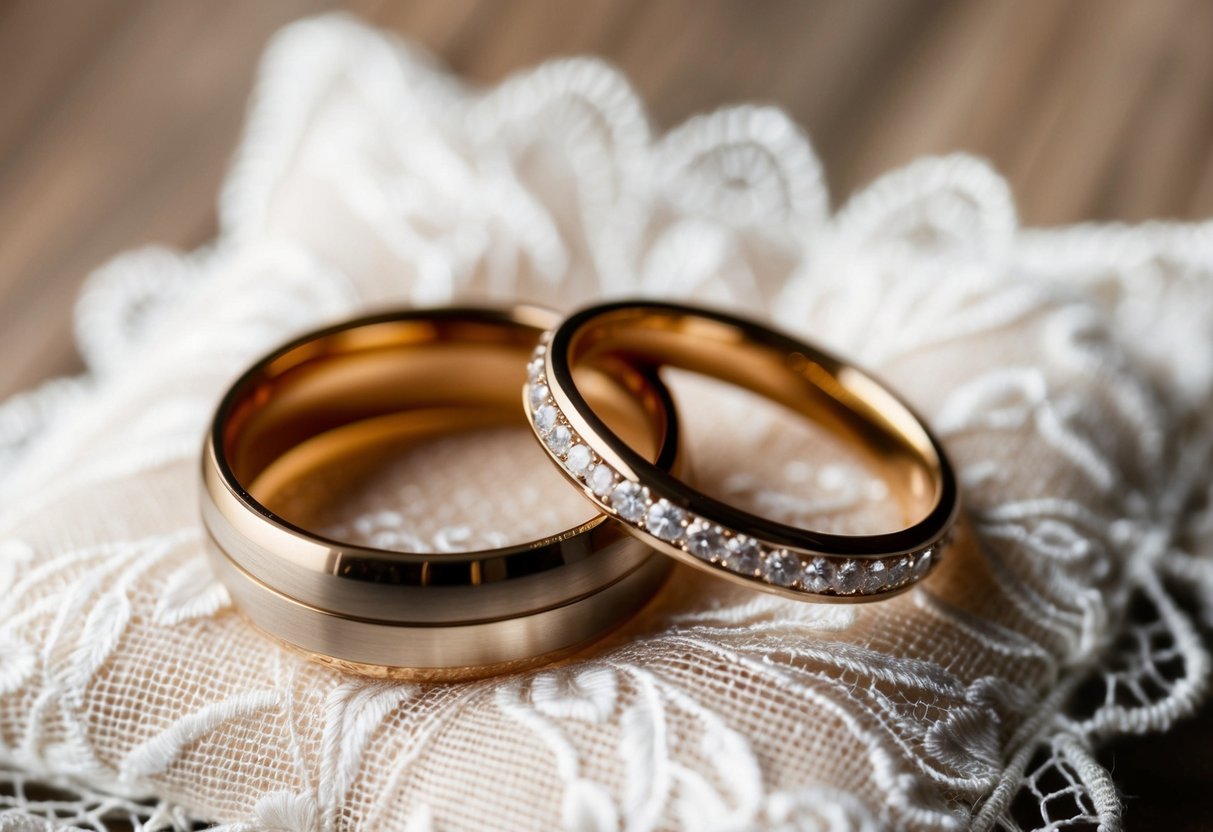
Wedding ring traditions have evolved over time. In the past, matching bands were more common, but today’s couples are breaking the mold. You may decide that having different rings better represents your unique relationship. This choice can add a personal touch and make your wedding rings even more special.
Whether you choose to match your wedding bands or go for different styles, the important thing is that your rings symbolize your commitment to each other. Think about what will make you both feel connected. After all, it’s about celebrating your love in a way that feels right for you.
Cultural and Historical Significance of Wedding Rings
Wedding rings have deep cultural roots and a powerful symbolism tied to commitment and partnership. Their meanings have evolved over time, reflecting the values of love and togetherness. Understanding their significance can help you appreciate the choice of matching or individual styles in rings.
Wedding Ring Tradition and Symbolism
The tradition of wedding rings dates back thousands of years to ancient Egypt and Rome. In those times, rings symbolized eternity due to their circular shape, with no beginning or end. This aspect of infinity ties into the concept of everlasting love.
In many cultures, the ring worn on the fourth finger of the left hand is believed to hold a vein that connects directly to the heart. This idea reinforces the strong emotional bonds between spouses.
Today, couples often choose rings that reflect their personal stories. Some opt for plain bands, while others select ornate designs. Regardless of style, the wedding ring remains a powerful symbol of commitment and togetherness.
Evolution of Matching Bands
The modern dual-ring ceremony is a relatively recent development. For centuries, it was common for only women to wear wedding rings, a tradition that highlighted the symbolism of commitment for wives. Over time, couples recognized the importance of mutual commitment.
Today, many couples choose matching wedding bands to symbolize their partnership. This practice represents their shared journey and reinforces their unity as a couple. Matching rings can be a beautiful reminder of your love story.
Some couples also personalize their bands with unique engravings or designs. This customization adds meaning and allows each partner to express themselves while still showcasing their connection through matching styles.
Choosing the Perfect Wedding Band
Finding the right wedding band is an important part of your journey as a couple. It reflects not just your love but also your personal styles. Here are some key factors to think about when choosing your perfect ring.
Understanding Metal Options
When selecting the metal for your wedding band, consider durability, color, and maintenance. Popular choices include platinum, white gold, yellow gold, and rose gold.
- Platinum is strong and tarnish-resistant, ideal for everyday wear.
- White gold offers a classic look and is usually more affordable than platinum.
- Yellow gold gives a traditional vibe, while rose gold can add a romantic feel.
Think about how these options will match your engagement ring. Both partners may choose different metals for a unique touch, reflecting your individual styles.
Design Elements and Comfort
The design of your wedding band should match your lifestyle. If you lead an active life, consider a low-profile or comfort-fit band. They are easier to wear daily and less prone to snagging.
You can opt for simple, minimalist designs or bands with detailed elements like engraving or gemstones. Matching wedding bands can symbolize unity or you may prefer distinct styles to celebrate your individuality. Always try rings on to ensure they feel comfortable and fit well.
Personal Preference and Individual Styles
Your wedding bands should represent you as a couple and as individuals. Don’t be afraid to express your tastes. Modern couples often mix and match styles, choosing rings that complement each other without being identical.
For example, if one of you loves a vintage look, while the other prefers sleek designs, both styles can work together beautifully. Take the time to discuss your likes and dislikes openly. It’s about finding rings that make both of you happy.
Expressing Individuality and Unity
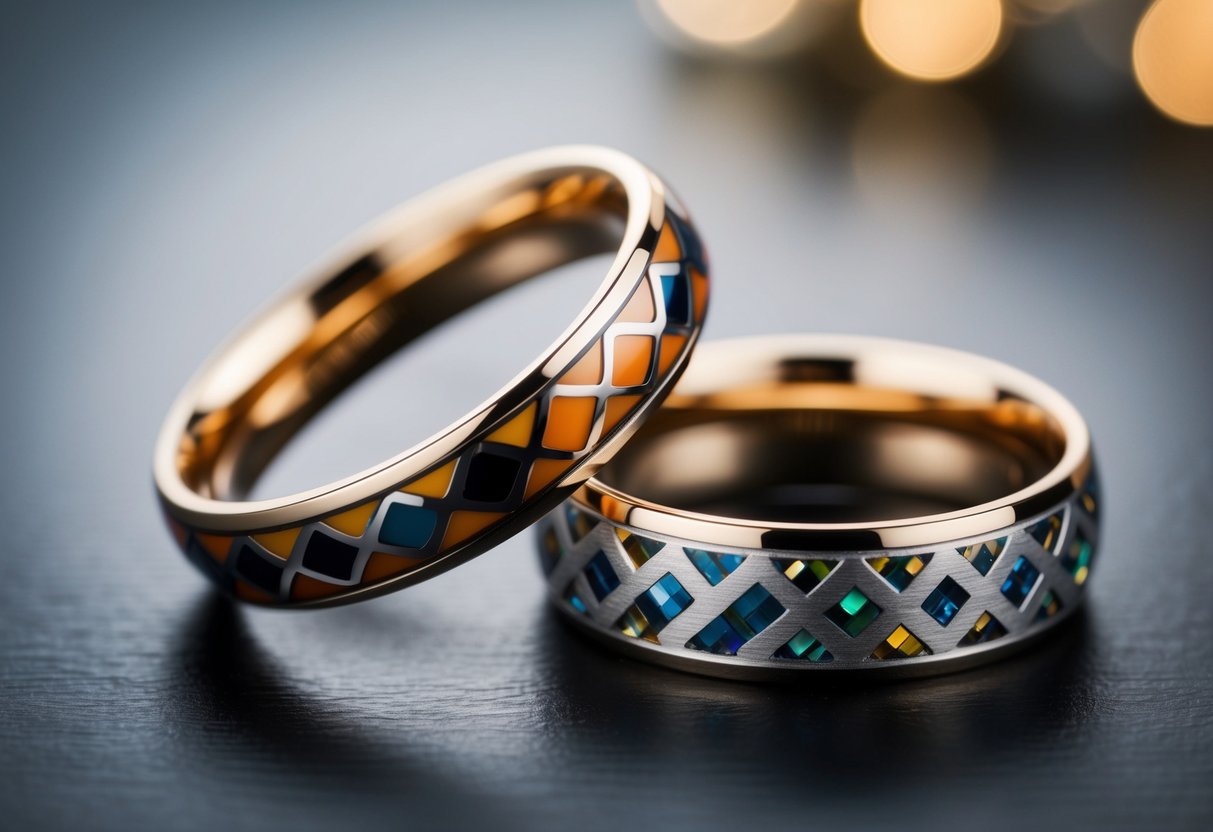
Choosing wedding rings is a personal journey that reflects both your unity as a couple and your individual tastes. The decision to go with matching rings or unique ones often leads to thoughtful consideration of your relationship.
Benefits of Unique Rings for Each Partner
Having unique rings allows you to express your personal style. You can choose designs, materials, and gemstones that resonate with your personality. For example, you might prefer a simple band, while your partner might love intricate details or a unique shape.
Individuality in ring choices can also reflect your journey together. Each ring tells a story, showcasing your differences and highlighting what makes your relationship special. This way, your rings become beautiful representations of your self-expression and your bond.
Moreover, choosing non-matching bands can open up options for custom designs. Personalized rings create a sense of ownership and pride, allowing you to wear something that truly feels like you.
Meaning Behind Matching Wedding Rings
Matching wedding rings often symbolize unity and commitment. They can serve as a constant reminder of your shared vows and partnership. With matching designs, you show the world that you are a team, celebrating your love in a synchronized way.
However, these rings can also carry a deeper meaning beyond aesthetics. They can be a reflection of common values and dreams. When you both choose similar styles, it can represent shared interests and goals in your relationship.
Even with simple bands, the choice of matching rings may enhance the emotional connection you share. They remind you of your commitment to each other, reinforcing the significance of your partnership. Matching wedding rings can beautifully blend self-expression with a message of unity.
Wedding Ring Etiquette and Trends
When choosing wedding rings, you’ll find various styles and traditions at play. Understanding the current trends can help you make a decision that suits your relationship and personal style. We’ll explore the latest in wedding band choices and give you some etiquette tips for matching or non-matching rings.
Current Trends in Wedding Bands
Today, many couples are embracing unique styles for their wedding bands. Matching bands are still popular, but many people like to express individuality through their rings.
Some current trends include:
- Mixed Metals: Combining gold, silver, and rose gold offers a modern touch.
- Colored Gems: Adding colored stones to rings is becoming fashionable. These gems can reflect personal stories or preferences.
- Simple Designs: Sleek, minimalist styles are favored by those who prefer subtle elegance.
Many couples now choose rings that reflect their personality rather than strictly adhering to tradition.
Etiquette for Matching Versus Non-matching Bands
Wedding ring etiquette has evolved. There are no hard rules about matching bands. It ultimately comes down to personal preference.
If you choose matching bands, consider these points:
- Symbol of Unity: Matching bands can signify unity and shared values.
- Style Coordination: Coordinated designs can enhance your overall wedding aesthetic.
For non-matching bands:
- Personal Expression: Different styles allow for personal expression and individuality.
- Complementary Designs: Non-matching rings can still complement each other through color or design elements.
Whether you opt for matching or non-matching bands, make sure they resonate with both of you and your unique bond.