
Should I Give Him the Engagement Ring Back? Navigating the Emotions of a Broken Engagement
Breaking off an engagement can be a tough experience filled with emotions. You might find yourself asking, “Should I give him the engagement ring back?” The general answer is yes, you should return the engagement ring to him unless there are specific legal or personal reasons not to. This decision can be influenced by how the relationship ended or your feelings about the ring.
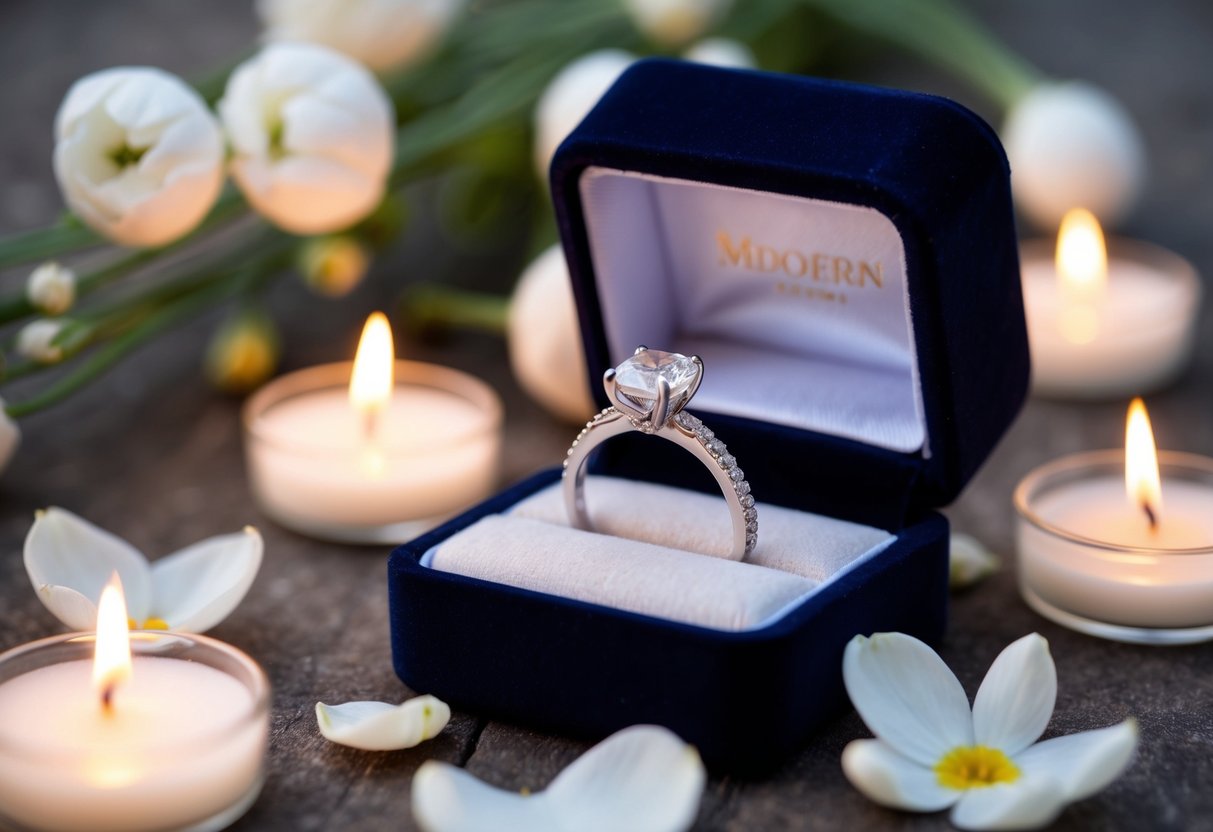
Consider the importance of the ring itself. It often symbolizes a promise and shared future, making the act of returning it a meaningful step. Whether you feel sadness, relief, or anger, addressing this part of the breakup can help you move forward.
As you navigate your feelings and the logistics of returning the ring, remember that you’re not alone in this. Many have faced the same question, and understanding the reasons behind your decision can clarify what feels right for you.
Understanding Engagement Rings as Gifts
Engagement rings carry deep meaning and value, tying together emotions, traditions, and sometimes legal considerations. Understanding these aspects can help you navigate the question of whether to return the ring.
The Significance of an Engagement Ring
An engagement ring symbolizes commitment and love. When you receive or give this ring, it often represents a promise of marriage.
The design and cost can vary greatly, but the emotional significance usually remains strong, linked to shared memories and future hopes.
In many cases, it is seen as an “unconditional gift,” given freely without expectations. Yet, if the engagement ends, questions about the ring’s fate may arise. This can lead to different interpretations of the original intent behind the gift.
Engagement Ring as an Asset
From a financial viewpoint, an engagement ring is also considered an asset. The value can fluctuate based on factors like diamond quality, market trends, and demand.
When thinking about returning the ring, it’s essential to understand your rights regarding this asset. You may feel attached to the ring, but it can hold significant monetary value as well.
In some situations, an engagement ring can be classified as a “conditional gift.” This means that if certain conditions, like marriage, are not met, the giver may have the right to reclaim it.
Legal Perspective on Engagement Ring Returns
The legal standing of engagement rings can vary by state and jurisdiction. Generally, many courts view engagement rings as gifts with a presumption of donative intent.
This means they are typically considered unconditional gifts unless proven otherwise, such as through a clear condition tied to the gift.
In places like New York, the law often reflects that the ring should be returned regardless of who ended the engagement. However, if the breakup was not the recipient’s fault, the recipient may be entitled to keep it.
Breaking Up and Ring Etiquette
When you face a broken engagement, it’s important to know what to do with the engagement ring. Understanding the etiquette and legal aspects can help guide your decision about returning the ring.
Navigating the Break-Up
Breaking up is never easy, especially when an engagement is involved. Feelings run high, and decisions may feel overwhelming.
If you initiated the break-up, you may feel it’s fair to return the ring. Consider how the relationship ended. If it was mutual or if your partner ended it, you might not need to return the ring at all. Each situation is unique, so take time to reflect on the circumstances.
It’s also helpful to have a calm conversation with your ex about the ring. Open communication can ease tension during a difficult time.
Engagement Ring Return Etiquette
Engagement ring return etiquette often follows traditional rules. Generally, if the bride-to-be broke off the engagement, she typically returns the ring. If the groom ended it, the wearer might be allowed to keep it.
In some states, the law treats an engagement ring as a gift, regardless of who broke up. For example, in Montana, courts see it as an “inter vivos” gift, meaning you can keep it even if the engagement fails.
Keep in mind: Your decision should reflect your feelings and the relationship’s context. Always think about what feels right for you when it comes to returning the ring or keeping it.
Legal Implications and Precedents

When considering whether to return an engagement ring, it’s essential to understand how the law views such items. The rules can vary significantly depending on the situation, including who ended the engagement and the specific laws in your state.
Engagement Rings in the Eyes of the Law
In many states, engagement rings are considered a conditional gift. This means the ring is given with the expectation that a wedding will occur. If the engagement is called off, the law typically allows the original giver to reclaim the ring.
Some courts apply a fault-based approach. If the person who broke off the engagement is at fault, they may need to return the ring. In states with a no-fault rule, the rules can differ. For example, if both parties agree to cancel the wedding, the ring may be returned regardless of blame.
Key Cases and Decisions
Various court cases have shaped the rules around engagement rings. One significant case is Heiman vs. Parrish, ruled by the Kansas Supreme Court. The court decided that an engagement ring is a conditional gift, generally returning it to the giver if the wedding does not take place.
Additionally, civil code § 1590 addresses the return of engagement rings under certain circumstances. In small claims court, disputes over engagement rings can arise when the parties disagree about who should keep the ring. If a family heirloom is involved, the sentimental value may complicate the situation, affecting final decisions.
The Practicalities of Ring Returns
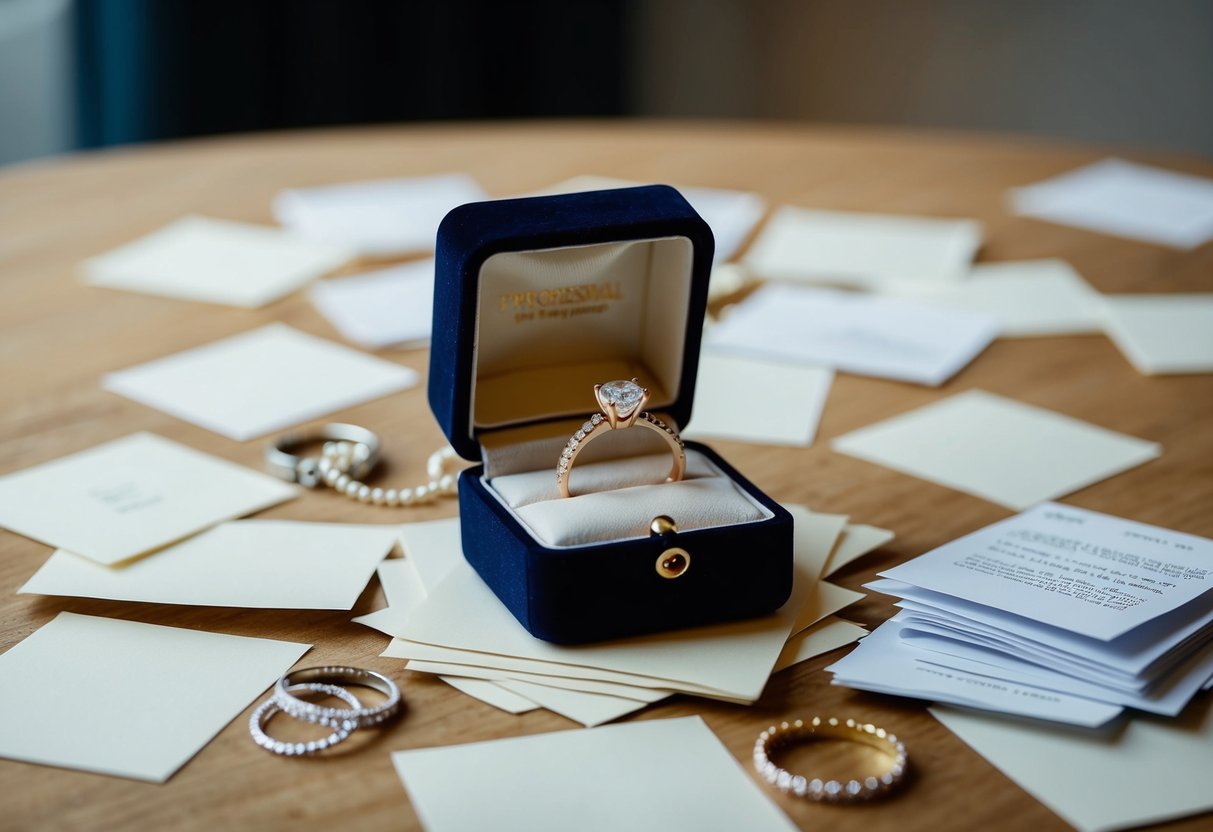
Returning an engagement ring involves specific steps. You should know when to return it and how to handle special circumstances, especially if it’s a family heirloom. Understanding these details can simplify the process.
When and How to Return an Engagement Ring
Returning an engagement ring involves specific steps. You should know when to return it and how to handle special circumstances, especially if it’s a family heirloom. Understanding these details can simplify the process.
Timing is important in returning an engagement ring. Generally, you should return the ring as soon as the decision to end the engagement is made. Most states consider engagement rings as conditional gifts. This means the gift is linked to the commitment of marriage. If that commitment is broken, the expectation is that you should return it.
To return the ring, reach out directly to the giver. Arrange a meeting if possible. This allows for a respectful conversation. If you’re uncomfortable meeting in person, you can choose to send the ring by mail. Use a secure method to ensure it arrives safely.
Dealing With Family Heirlooms and Separation of Property
Some engagement rings are family heirlooms, making the situation more delicate. If the ring has sentimental value, approach the return with care. Discuss feelings about the ring and its history with the giver. This shows respect for its significance.
In some cases, the ring may be considered separate property. You may get to keep the ring if it was a gift to you. Laws about this differ by state, so understanding local laws helps. In any situation, open communication about expectations is key. This helps prevent misunderstandings and hurt feelings.