
Should I Have a Big or Small Wedding? Key Considerations for Your Special Day
Choosing between a big wedding and a small wedding can feel overwhelming. A big wedding offers a lively celebration with many loved ones, while a small wedding provides intimacy and personal connections. You have to think about what matters most to you on your special day.
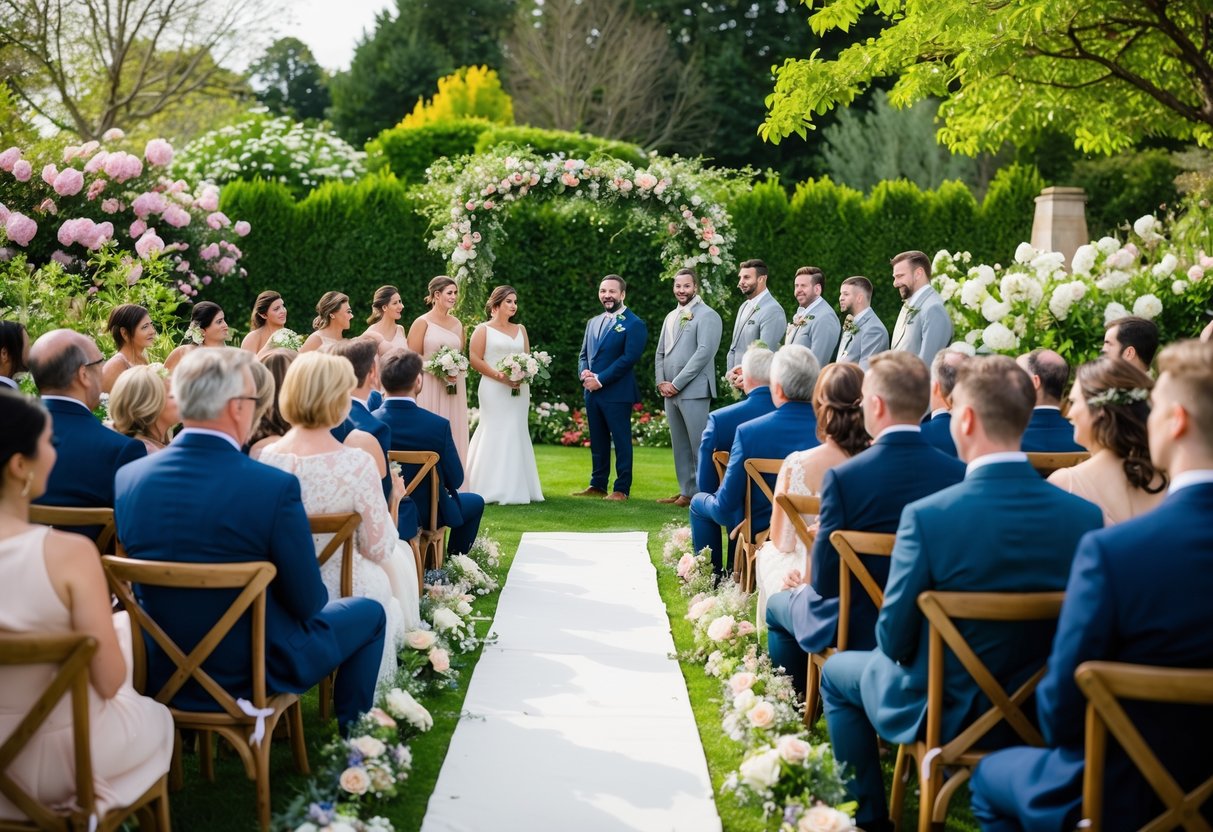
A big wedding often means more guests, a larger venue, and a livelier atmosphere. It can be exciting to celebrate with a big crowd, sharing joyful moments with family and friends. On the other hand, a small wedding lets you focus on the people who matter most to you, creating a cozy and memorable experience.
Consider what you envision for your wedding day. Do you imagine a bustling celebration full of laughter and dance, or a quiet gathering filled with heartfelt conversations? Your choice should reflect your personality and what you truly value in this once-in-a-lifetime event.
Determining Your Wedding Size
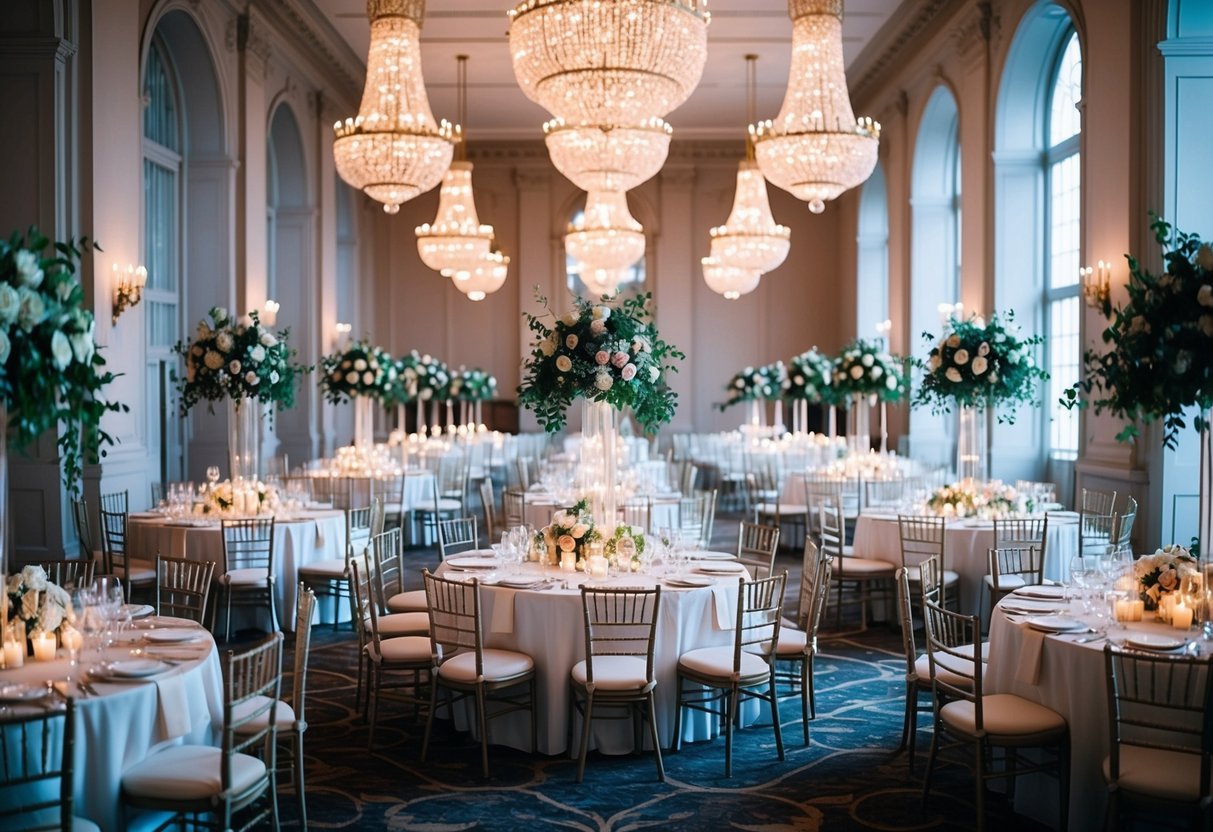
Choosing your wedding size involves several key factors. You’ll want to think about your guest list, how it affects venue choices, and what it means for your budget. Each element plays a crucial role in shaping the kind of celebration you’ll have.
Assessing Guest List Considerations
Your guest list is the heart of your wedding. Start by making a list of everyone you want to invite. This could include family, friends, and colleagues.
Questions to Consider:
- Who are your must-invite guests?
- Are there people you need to invite out of obligation?
A large guest list leads to a big wedding, but it can also create pressure to accommodate everyone. If you’re leaning toward a small wedding, you can focus on inviting only those who matter most to you.
Understanding the Impact on Venue Choice
The size of your guest list directly affects your venue choices. Bigger weddings require larger spaces. This means looking at ballrooms, outdoor fields, or banquet halls that can accommodate many guests.
For small weddings, consider intimate venues like:
- Gardens
- Cozy restaurants
- Community centers
Reflecting on your ideal wedding size will help narrow down your venue options. Not every venue fits a large group, and this impacts your overall atmosphere.
Budget and Financial Implications
Your budget is a significant factor in deciding wedding size. Larger weddings often cost more due to increased expenses for food, drinks, and rentals.
Typical Expenses for Big Weddings:
- Catering for a larger guest list
- Venue costs
- Decorations and seating
In contrast, small weddings can be more budget-friendly. You might spend less on catering or decorations since the focus is on a few cherished guests. Consider what’s most important to you and your partner when allocating your budget.
Pros and Cons of Big vs Small Weddings
Choosing between a big or small wedding involves weighing various advantages and disadvantages. Think about what matters to you most when making this decision, as both options offer unique experiences.
Advantages of Big Weddings
A big wedding allows you to invite a large number of guests, which can be exciting. You can reconnect with old friends, distant relatives, and coworkers you don’t see often. This can enhance your celebration by creating a lively atmosphere.
Many venues can accommodate large gatherings, giving you plenty of choices for where to celebrate. Additionally, a larger guest list often translates to more wedding gifts, which can provide financial support for your new life together.
Big weddings may also feature more elaborate decorations, entertainment, and food options. This means you can create a memorable experience not just for yourselves, but for all your guests as well.
Advantages of Small Weddings
Small weddings offer a more intimate celebration. You can create a cozy atmosphere where you connect deeply with your closest family and friends. This can lead to meaningful moments that you will cherish forever.
Fewer guests mean less stress when it comes to planning. You can focus more on details that truly matter, such as a beautiful venue or a special menu. This can also save you money, allowing you to allocate more resources to enhancing your experience.
Small weddings can also allow for flexibility. You might find unique venues that aren’t fitting for larger crowds, and you can choose personalized experiences that reflect your style. With a smaller guest list, each person can feel more valued and included in your special day.
Planning Details for Your Ideal Wedding
When planning your ideal wedding, important details like catering and seating arrangements can shape the whole experience. These factors set the mood and ensure your guests enjoy themselves.
Catering and Seating Arrangements
Choosing the right catering is crucial. Decide whether you want a sit-down dinner, buffet, or family-style meal. Each choice has a different feel and cost. Create a menu that reflects your taste and preferences.
Don’t forget to think about dietary restrictions for your guests. It’s helpful to have vegetarian, gluten-free, or dairy-free options.
Seating arrangements can enhance the atmosphere. Consider who you want to sit together. Create a seating chart that encourages conversation among guests. Guests will feel more comfortable when sitting near familiar faces.
Crafting the Perfect Reception
Creating the perfect reception involves thoughtful planning. Start with the layout. Arrange tables to facilitate mingling. Leave enough space for dancing and movement.
Decor plays a major role in setting the mood. Choose colors and themes that reflect your style. Use flowers, lighting, and table settings to add personal touches.
Entertainment is another key aspect. Think about hiring a DJ, live band, or even unique performers. Including fun activities, like photo booths or interactive games, helps keep your guests engaged.