
Should I Have My Mom and Dad Walk Me Down the Aisle? Consider the Meaning Behind the Tradition
Choosing who walks you down the aisle for your wedding is a big decision. Having both your mom and dad accompany you can symbolize unity, honoring their important roles in your life.
This choice can reflect your family dynamics and help you feel supported as you take this significant step.
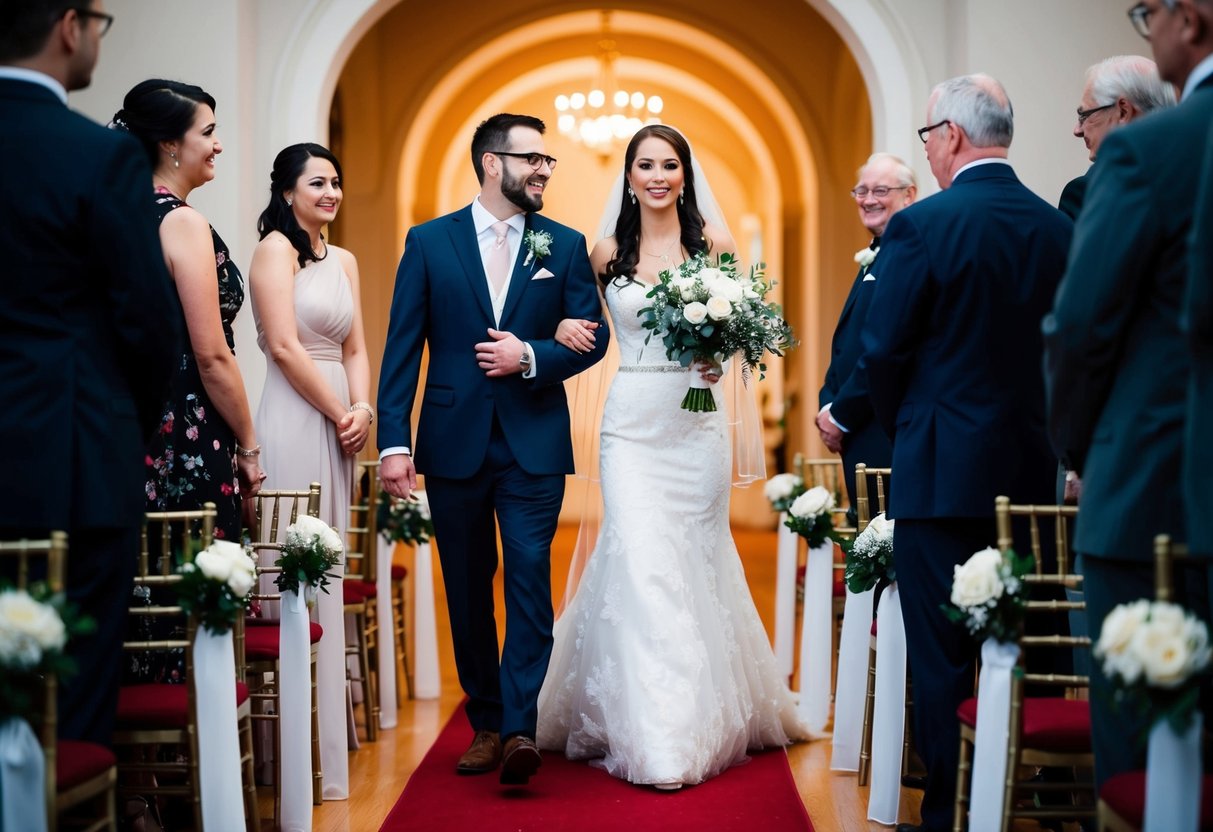
When planning your wedding, you might wonder if traditional paths still apply or if you can make your own rules. Walking down the aisle with both parents is a beautiful way to acknowledge their love and support.
Whether your parents are together or divorced, this can create a memorable moment for you and your guests.
Ultimately, the choice is yours and should reflect what feels right for you.
As you plan your special day, think about how having both parents walk you down the aisle can enhance your experience and strengthen family bonds. Your wedding should be a celebration of your journey, and including your parents can make it even more meaningful.
Exploring the Tradition
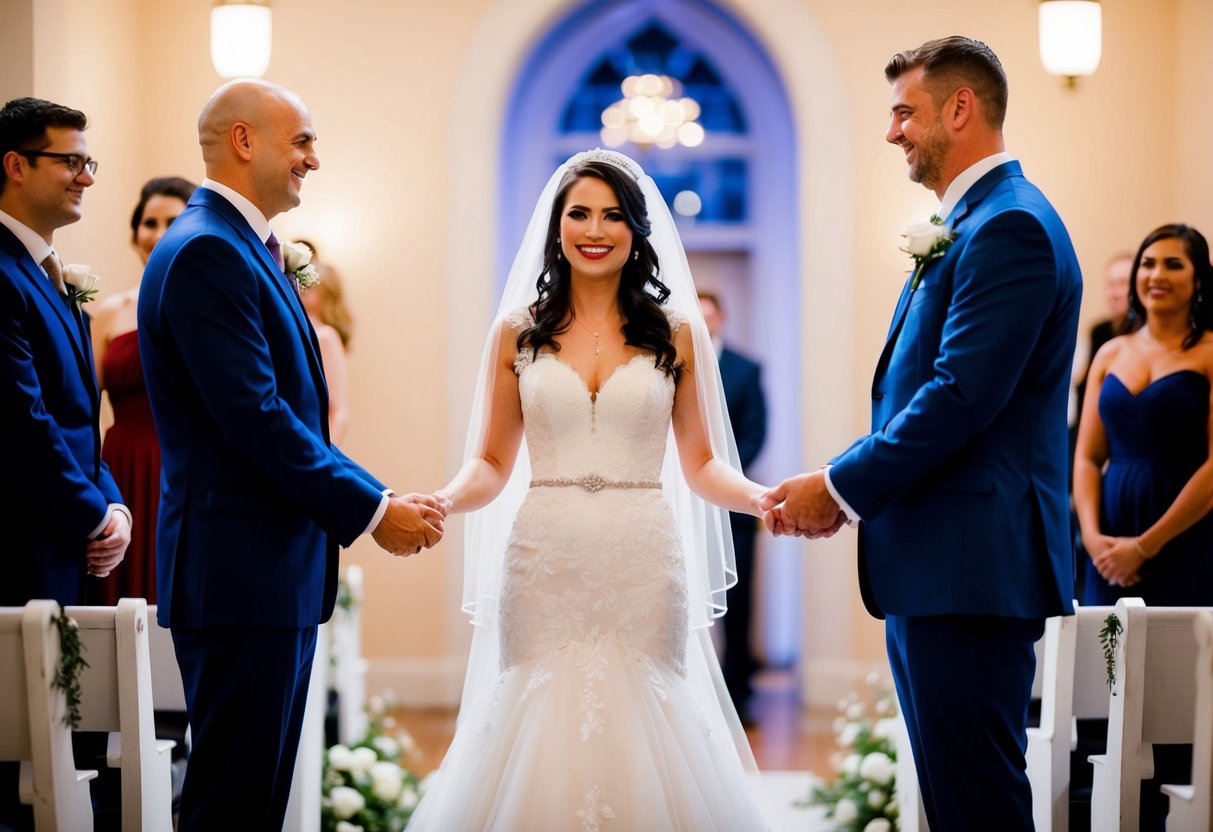
Walking down the aisle is a moment filled with emotion and significance. Many couples consider whether to have one or both parents participate in this key moment. Understanding the history and cultural aspects can help you make a thoughtful decision.
Historical Significance
Traditionally, the father of the bride escorted his daughter down the aisle. This practice dates back to arranged marriages, where the father played a significant role in the marriage negotiations.
It symbolized giving the bride away, as daughters were often seen as property of their families.
As time passed, the tradition began to evolve. Many brides wanted to honor their mothers and included them in the ceremony.
This shift reflects changing views on family roles and gender equality. The act of walking down the aisle became less about ownership and more about love and support.
Modern Interpretations
Today, couples have many options for how to walk down the aisle. You might choose to have both parents join you, creating a powerful symbol of unity. This approach honors both your mother and father, acknowledging their roles in your life.
Some couples are breaking tradition entirely. They might walk alone, with friends, or even with siblings. This flexibility allows personal expression. In a Jewish ceremony, it’s also common for both parents to escort the bride and groom, showcasing traditions adapting to modern values.
Cultural Perspectives
Different cultures have unique customs surrounding the aisle walk. In various traditions, both parents are integral to the ceremony. This reflects the importance of family in many societies.
For example, in some cultures, it’s common for other family members or close friends to participate. These practices highlight the support network surrounding the couple.
It’s important to consider these cultural views when deciding how to incorporate your parents into the ceremony.
Deciding Who Walks You Down the Aisle

Choosing who walks you down the aisle is an important decision. It often reflects not just tradition, but your family dynamics and personal wishes. You can include different family members in ways that honor their roles, creating a meaningful moment for everyone involved.
Considering Family Dynamics
Family dynamics play a significant role in your decision. Think about your relationships with your parents and how they might feel about participating in your wedding.
If your parents get along well, it may feel natural to have both of them walk you down the aisle.
If family relationships are complicated, you might prefer walking alone or with just one parent. Discuss your options openly with your family.
This can help prevent misunderstandings or hurt feelings and ensure everyone feels valued during your special day.
Personal Wishes and Wedding Vision
Your personal wishes and wedding vision are key factors. Consider what feels right for you.
Do you value the idea of walking down the aisle with both parents, or would you prefer a more personal moment alone?
Imagine the moment and how it fits into your overall wedding theme. If it’s a traditional ceremony, walking with your dad might feel suitable. If it’s a more modern event, having one or both parents might work better.
Make sure it aligns with your personal style and the message you want to convey.
Role of the Father
The father of the bride traditionally plays a significant role in the wedding. Many brides choose to have their dad walk them down the aisle as a symbol of love and support. This tradition can create a touching moment, especially if you have a close relationship.
However, it’s essential to think about your own feelings.
If you prefer a different arrangement like walking alone or with both parents, that’s perfectly acceptable too. The most important thing is that the choice feels right and reflects your connection with your father.
Inclusion of the Mother
The inclusion of the mother in the wedding ceremony is gaining popularity. Many brides are choosing to walk down the aisle with their moms to symbolize equality and support.
This can be a wonderful way to celebrate your relationship with your mother.
You can also opt for a combination, where your mom walks with you halfway and then hands you off to your dad or fiancé. This approach honors both parents in a unique way.
Whatever you choose, make sure it reflects your bond with your mother and your vision for the day.
Step-Parents and Blended Families
In blended families, the inclusion of step-parents can be a sensitive subject. If you have a step-mother or step-father, think about how they fit into your family dynamic.
Communication is essential. Discuss with your parents how you can include them in the ceremony.
For example, you could have both biological parents and step-parents walk you down the aisle together. Or, you might choose one parent and have a special moment with the step-parent later.
Making everyone feel loved and included is key to a joyful wedding experience.
Planning the Processional
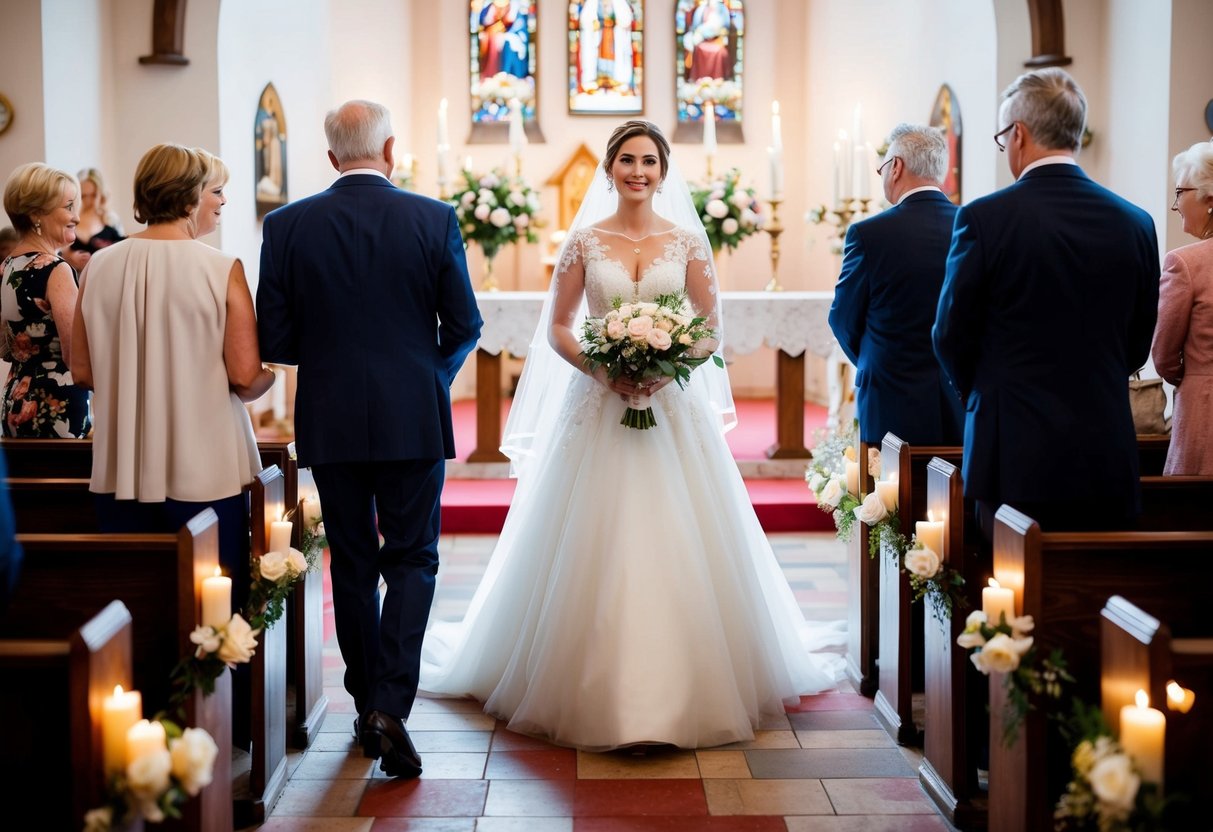
Planning your wedding processional is an important step in your ceremony. You get to decide who walks down the aisle with you and the order of everyone involved. This can set the tone for your special day.
Sequence and Etiquette
When planning the sequence of your processional, think about the roles of your family and bridal party. Traditionally, this includes the officiant, grandparents, parents, bridesmaids, groomsmen, and finally, the bride.
If you want to walk down the aisle with your mom, that’s a beautiful choice. You can also choose to have both parents walk you down together.
Make sure to communicate your plan to everyone involved, so everyone knows their role. This helps avoid confusion on the big day.
Also, consider seating arrangements for family members. It’s polite to place both sets of parents in visible seats while also ensuring divorced parents feel comfortable.
Alternative Processional Ideas
If traditional options don’t feel right for you, consider alternatives. For instance, you might want to be escorted by just your mom or dad.
Another popular idea is to have a close friend or sibling walk you down the aisle. This can be a meaningful choice if you have a strong bond.
You could even consider walking alone, creating a powerful moment as you enter the ceremony solo.
Remember, the processional is about you and what feels right. Think outside the box and create a moment that reflects your unique relationship with those you love.