
Should I Put Mr and Mrs on Wedding Invitations? A Friendly Guide to Your Options
Choosing how to address your wedding invitations can feel overwhelming. Many couples wonder whether to include “Mr. and Mrs.” on the envelopes. You can include “Mr. and Mrs.” if you are addressing a traditional married couple, but there are more modern options available.
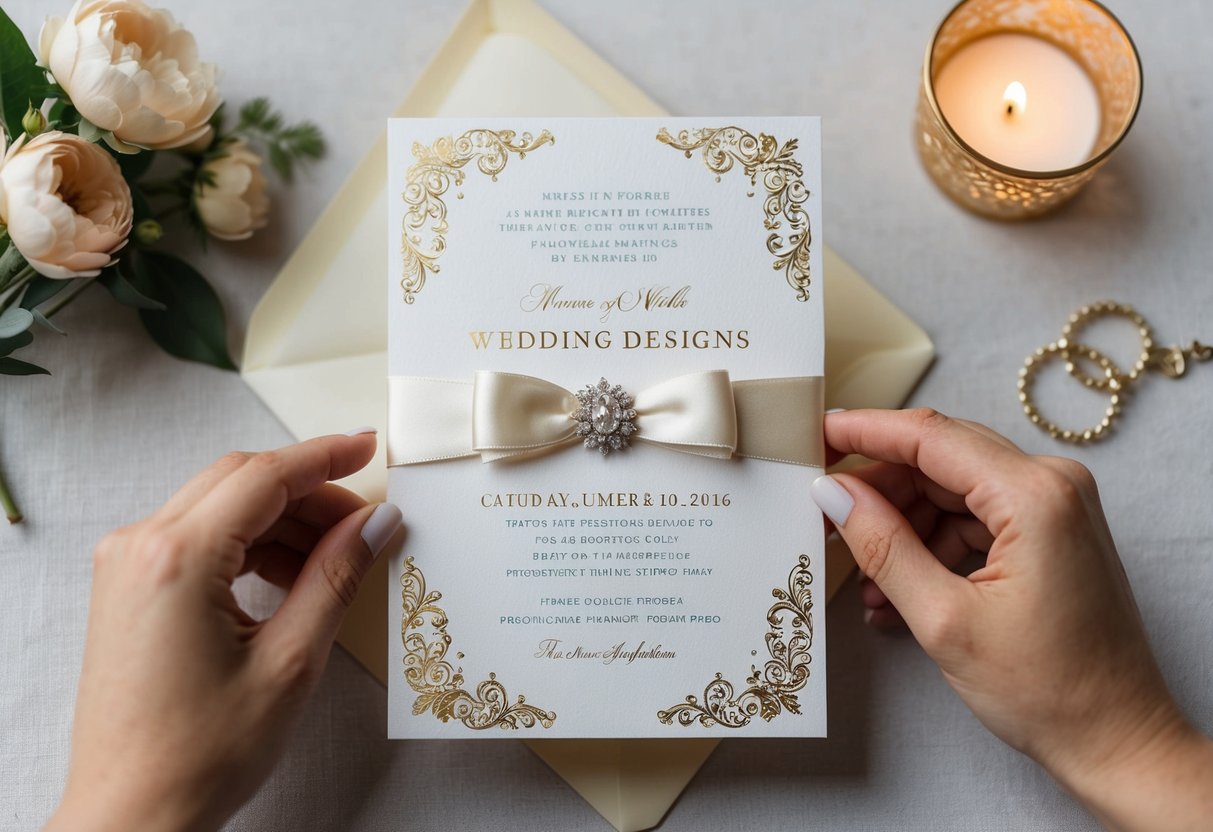
When thinking about your guests and their preferences, it’s essential to consider how they identify. For example, if you have a same-sex couple or an unmarried partner, using “Mr. and Mrs.” might not feel right. You can personalize your invitations to reflect the diverse relationships of your loved ones.
Understanding the best way to address your invitations ensures everyone feels included and respected. By making thoughtful choices, you set the tone for a welcoming celebration that honors all your guests.
Understanding Wedding Invitation Etiquette
When planning your wedding, understanding invitation etiquette is key. Properly addressing your invitations shows respect for your guests and sets the tone for your event. Here are some important guidelines to follow.
The Importance of Proper Etiquette
Using proper etiquette in your wedding invitations reflects the tone of your celebration. It helps your guests know what to expect regarding formality. Paying attention to details, such as titles and names, can make your invites feel more personal.
Remember that how you address your invitations can also prevent misunderstandings. For example, addressing a couple with the titles “Mr. and Mrs.” may imply traditional roles. If you are inviting a same-sex couple or individuals who prefer gender-neutral titles, use their full names instead.
Etiquette for Addressing Envelopes
Addressing envelopes correctly is essential to wedding invitation etiquette. Begin with the outer envelope, which should have the full names of the primary invitees, including titles. For example:
- Traditional: Mr. and Mrs. John Smith
- Same-Sex Couple: Mr. Alex James and Mr. Taylor Brown
- Family: The Smith Family
Next, consider the inner envelope, where you can list first names only, like “John and Jane.” This provides a more intimate touch. If children are invited, include their names or use “and Family” for families with multiple guests.
Titles and Professional Positions
Using titles and professional positions can enhance the formality of your invitation. If your guest holds a title such as Dr., it’s courteous to include it. This shows respect for their profession.
For married couples, traditional etiquette suggests using “Mr. and Mrs.” followed by the husband’s full name. However, you might choose to use both partners’ first names for a modern approach. This applies to same-sex couples as well; address them in a way that reflects their preferences. Being mindful of these details adds a thoughtful touch to your invitations.
Crafting the Perfect Invitation
Creating the right wedding invitation is key to setting the tone for your special day. You’ll want to pay attention to how you address your guests and what titles to use to ensure everyone feels included.
Deciding Formal Vs. Informal Address
When planning your wedding invitations, consider whether you want a formal or informal tone. A formal address might use “Mr. and Mrs.” followed by the husband’s full name.
For example:
Mr. John Smith and Mrs. Jane Smith.
In contrast, if you’re aiming for a more relaxed invitation, you could simply use first names. For example:
John and Jane.
This choice can reflect your personality and the style of your wedding. Think about the atmosphere you want to create.
Incorporating Distinguished Titles
Some guests may hold distinguished titles that you should acknowledge. This includes titles like “Dr.” or “Professor.”
For example, you should address married doctors as:
Dr. John Smith and Dr. Jane Smith.
If both members of a couple have titles, list them appropriately. Make sure to use the titles that resonate with how they wish to be addressed. This attention to detail shows respect for your guests.
Addressing Married, Unmarried, and Same-Sex Couples
Everyone deserves to feel included in your wedding invites. For married couples sharing the same last name, use the traditional format with “Mr. and Mrs.”
For a married couple with different last names, write:
Mr. John Smith and Mrs. Jane Doe.
For unmarried couples, using “Ms.” and “Mr.” is respectful:
Mr. John Smith and Ms. Jane Doe.
For same-sex couples, simply use both first names preceded by “Mr.”, “Mrs.”, or “Ms.”
For example:
Mr. John Smith and Mr. Alex Brown.
Children and Family Members on Invitations
If children are part of your guests, consider their names on the invitation. Use wording like “The Smith Family” for a family invitation.
If inviting children specifically, list them like:
Mr. and Mrs. John Smith,
and Family.
Ensure to include everyone’s names clearly to avoid confusion. This makes your invitation feel warm and welcoming, encouraging families to join in celebrating your special day.
Addressing Specific Scenarios
Addressing wedding invitations can get a bit tricky in certain situations. Here are some ways to handle unique scenarios like hyphenated last names, different last names, and special cases for envelopes.
Hyphenated, Alphabetical, and Different Last Names
When you have a married couple with a hyphenated last name, both last names should be included. For example, you would write “Mr. John Smith-Jones and Mrs. Jane Smith-Jones.”
If the couple prefers to go by separate last names, you can address them as “Mr. John Smith and Mrs. Jane Jones.”
For couples with different last names, placing the names in alphabetical order shows fairness. You can write them as “Ms. Jane Doe and Mr. John Smith.” Remember, personal preferences can guide how you decide to address them.
Outer and Inner Envelope Details
The outer envelope is the first impression of your invitation. It should clearly state the full names and titles. For example, on the outer envelope, address it to “Mr. and Mrs. John Smith.”
The inner envelope is where you can be more casual. Here, you can simply write “John and Jane” or “Mr. and Mrs. Smith.”
This can provide a warm touch and show more familiarity with your guests. Just remember, both envelopes should match the tone of your wedding.
Special Considerations for Unique Situations
Some couples might have special circumstances that require unique addressing. If you are inviting a guest who identifies with a gender-neutral title, you can use “Mx.” instead of “Mr.” or “Ms.”
Additionally, if you’re addressing invitations to families, include the children’s names on the inner envelope. Write it like this: “The Smith Family: John, Jane, and Baby Joe.”
This approach shows care and inclusion. Always think about the preferences and identities of your guests while addressing the invitations.
Additional Tips for Wedding Invitations
When crafting your wedding invitations, paying attention to how you address your guests is key. This section will explore traditional address formats, how to honor titles, and the importance of personal preferences, ensuring your invitations feel personal and welcoming.
The Role of Traditional Address Formats
Using traditional formats can add elegance to your wedding invitations. For a married couple, the common format is “Mr. and Mrs. [Husband’s First Name] [Last Name].” This applies mostly to heterosexual couples. If you’re inviting a same-sex couple, consider using “Mr. and Mr.” or “Mrs. and Mrs.” based on their preferences.
For couples with hyphenated last names, you can address it as “Mr. and Mrs. [Husband’s First Name] [Hyphenated Last Name].” This honors their union while also following etiquette. Including titles and first names is a nice touch for formality, so make sure to check the couple’s preference to avoid misunderstandings.
Honoring Guests with Professional or Academic Titles
Sometimes, your guests may have titles like “Dr.” or “Professor.” It’s respectful to include these when addressing invitations. For example, you can write “Dr. and Mrs. Smith” or “Professor and Mr. Jones.” This acknowledges their hard work and statuses in a thoughtful way.
If you’re unsure about how to address a single guest with a companion, you can simply write “Samantha Peters and Guest.” It’s helpful to check if guests have preferences, especially if they hold significant titles. By doing this, you show respect and acknowledgment to their achievements.
Understanding Personal Preference and Modern Practices
Today, many couples prefer a more modern approach to addressing invitations. Some may not want the traditional “Mr. and Mrs.” titles at all. You can use both first names, such as “Samantha and Jamie,” or even “The Peters Family,” especially when addressing families.
Take time to know your guests and their preferences. A widow may prefer an invitation without “Mr.” or may want to be simply addressed by first name. Modern practices allow for flexibility, so you can make yours unique while still maintaining decorum.