
Should My Bouquet Match My Wedding Colors? Choosing the Perfect Floral Palette
Choosing the right bouquet for your wedding can feel overwhelming, especially when thinking about color coordination. Your bouquet does not have to perfectly match your wedding colors, but it should complement them to create a harmonious look. This allows for creativity and personal expression, helping your bridal bouquet stand out while still fitting into your overall color scheme.
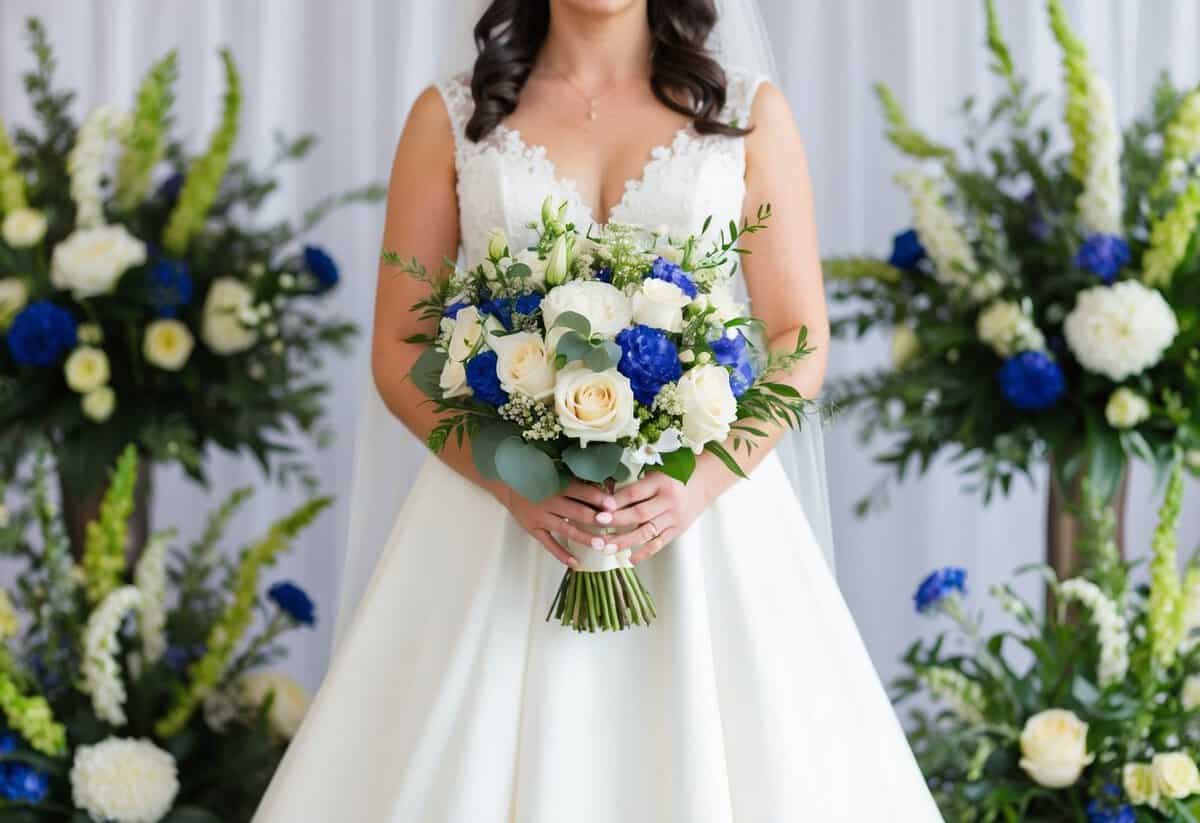
When planning your wedding colors, consider the many shades you can play with. You might find that using variations of your main wedding colors adds depth and interest to your bouquet. This approach gives you the freedom to include unique flowers that shine on their own but still tie back to your chosen color palette.
Remember that your bridal bouquet should reflect your style and personality. Whether you prefer a unified look or a more eclectic mix, focus on what makes you happiest. After all, your wedding day is all about celebrating your love and joy!
Choosing Your Wedding Colors
Selecting your wedding colors is an important step in planning your special day. A well-chosen color palette reflects your style and sets the tone for your wedding theme. It’s essential to understand how to blend different colors, including neutrals, to create harmony throughout your event.
Understanding the Color Palette
A color palette is a combination of colors that you will use throughout your wedding. Start by identifying the main colors that resonate with you. You may choose 2-4 primary colors as your wedding colors. A popular approach is to incorporate both vibrant and soft hues.
You can think about seasonal inspirations. For example, spring might inspire pastels like soft pink and lavender, while autumn might call for deeper shades like burgundy and gold. Using a color wheel can help you see which colors complement each other best.
Additionally, don’t hesitate to explore color schemes based on your venue. Look around for colors that naturally occur in the space and use those to guide your choices.
The Role of Neutral Colors
Neutral colors play a key role in balancing your wedding color palette. These tones, such as white, cream, gray, and beige, can create a calming effect alongside bold colors. Utilizing neutrals in your decor can help make your main colors pop without overwhelming the space.
You can incorporate neutral colors through your table settings, linens, and even bridesmaids’ dresses. By mixing neutral colors with your chosen shades, you can achieve a cohesive look that enhances your wedding theme.
Think about how these colors work together. For instance, a crisp white backdrop can highlight soft pastels or rich jewel tones. Using neutral colors will ensure that your event feels harmonious and inviting.
Designing Your Bridal Bouquet
Creating your bridal bouquet is an exciting journey. You’ll want to choose flowers that reflect your style while fitting within your wedding theme. Both the flowers and their arrangement should harmonize with your wedding colors, enhancing the overall beauty of your special day.
Selecting Bouquet Flowers
When selecting bouquet flowers, think about the colors and types that will complement your wedding palette. For a wedding with navy as a primary color, consider shades like white, blush, or deep red for contrast. Each flower type brings its own charm, so mix in varieties for visual interest.
Use popular choices like roses, peonies, or orchids to establish a romantic feel. You can also include seasonal blooms for freshness. Aim for a balanced arrangement that showcases your personality and matches your dress style. Don’t be afraid to choose unique flowers that stand out!
Incorporating Texture and Color
Incorporating texture and color adds depth to your bouquet. Consider mixing different flower shapes and sizes to create interest. Adding greenery, like eucalyptus or ferns, can make the bouquet appear fuller and more dynamic.
You might think about using ribbons or lace that align with your dress. These details can enhance the bouquet’s visual appeal. Remember, your bouquet can tie together your colors and textures, making a memorable statement as you walk down the aisle. Consider your bouquet as part of your overall wedding design that reflects your love story.
Aligning Bouquet and Decor
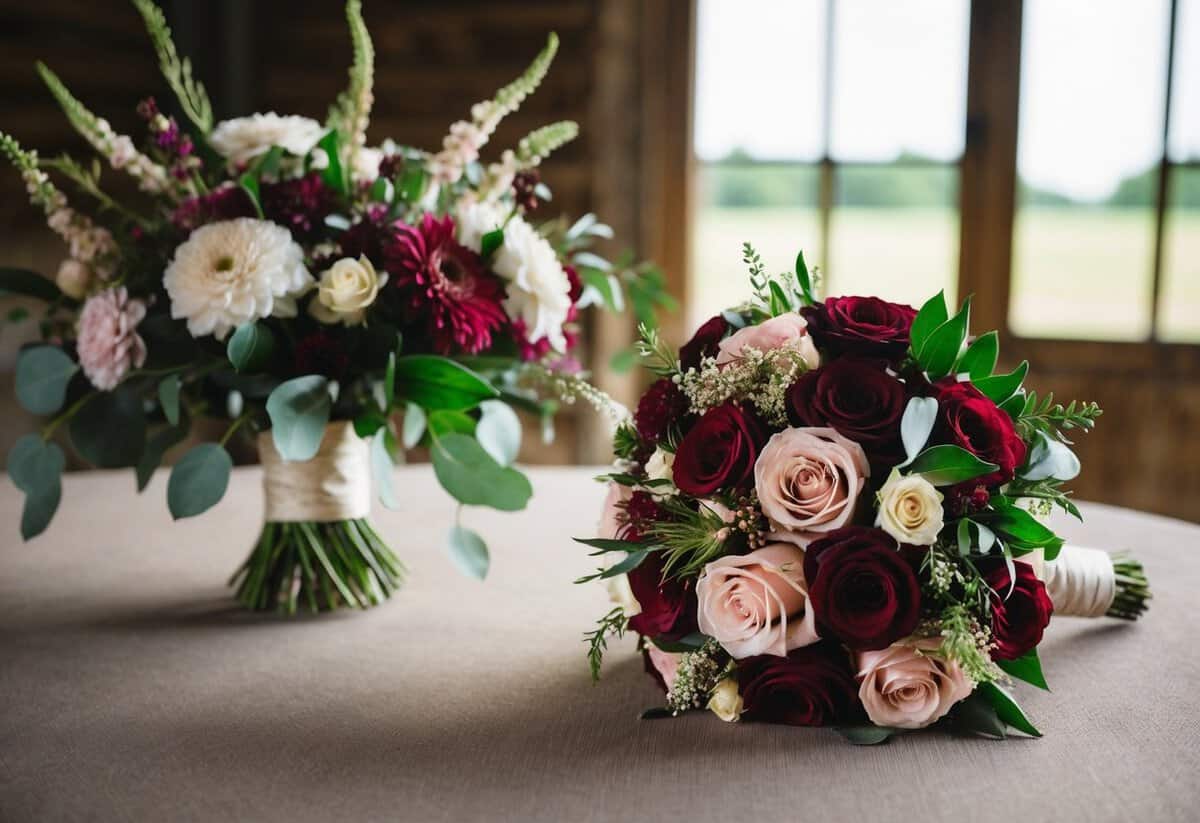
Your bouquet is a key part of your wedding’s overall look. It should blend well with your decorations and create a harmonious atmosphere for your special day. Focus on coordination to make everything feel connected and visually appealing.
Coordinating with Wedding Decorations
Start by considering your wedding colors and theme. If your decor features soft pastels, select flowers in similar hues for your bouquet. This creates a cohesive look throughout your event. You can use colors like blush pink or light blue to tie everything together.
Additionally, think about the materials and textures in your decorations. For example, if your wedding has a rustic theme with burlap and lace, choose flowers that complement these elements.
Matching Centerpieces and Ceremony Setup
Your bouquet should complement your centerpieces and ceremony setup. If you have floral arrangements on tables, make sure your bouquet reflects those flowers. This will create visual unity across all your decor.
Choose flowers from your centerpieces for your bouquet or select blooms in similar colors. If your centerpieces feature white roses and greenery, including these in your bouquet reinforces the theme. Remember to keep the size of your bouquet in mind so it doesn’t overwhelm delicate centerpieces.
Avoiding Color Chaos
To avoid color chaos, stick to a focused color palette. Using too many colors can make your wedding decor look messy. Select two to three main colors and incorporate varying shades of those colors in your bouquet.
It can be helpful to use a neutral base, such as creams or whites, to balance stronger colors. For instance, a bold bouquet of deep reds can be softened with white flowers. This approach keeps everything looking fresh and organized while still allowing your bouquet to stand out.
Personalizing Your Wedding Theme
Choosing your wedding flowers is a key part of personalizing your theme. It reflects your style and creates a beautiful atmosphere. Your preferences and consulting a wedding professional can guide you in making the best choices.
Your Style and Preferences
Your bouquet is a major detail that represents your style. Think about colors, shapes, and types of flowers that speak to you. If you love bold colors, don’t shy away from incorporating them.
Consider a mix of flowers that captures your personality, even if they don’t match your wedding colors exactly. The bouquet can be a statement piece that stands out while still fitting within your overall theme.
You might want to choose flowers that evoke a certain feeling or symbolize something meaningful. These details help craft a unique experience for you and your guests.
Consulting a Wedding Professional
A wedding consultant can help bring your vision to life. They have experience and knowledge about trends that work well with different themes.
Talking to a wedding professional allows you to brainstorm ideas tailored to your personal style.
Be open about your preferences, and share what you love. They can give you ideas that harmonize with your wedding colors and theme.
With their help, your bouquet can be both complementary and striking.
Working with a consultant also helps ensure that all your wedding details fit together seamlessly. This can take away some of the stress, allowing you to enjoy planning your special day.