
Should My Engagement Ring and Wedding Band Be the Same Size? Exploring This Common Dilemma
Many people wonder if they should choose rings of the same size when picking an engagement ring and wedding band. The key is to have both rings complement each other in width for a balanced look. Traditional wedding bands are often around 2.5mm wide, but personal preference plays a big role in your decision.
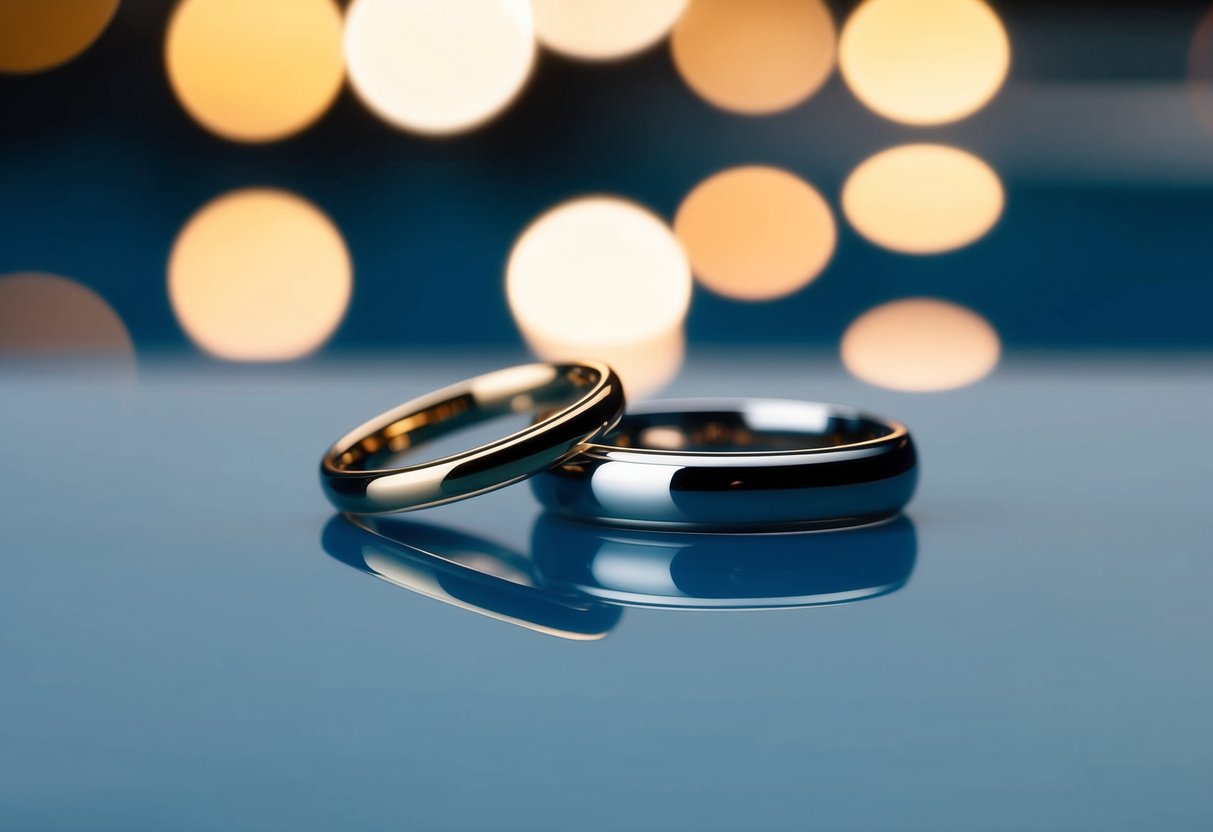
By matching the widths of your engagement ring and wedding band, you create a harmonious appearance that draws attention to both pieces. You might prefer a wider band for a more statement look, or you might want to keep it simple with matching sizes. Whatever you decide, it’s essential to consider comfort and style.
The choice depends on what feels right for you. Think about how the rings will look together and how comfortable they will be on your finger. This decision is not just about aesthetics; it’s also about making sure you enjoy wearing your rings every day.
Understanding Ring Sizes and Fit
Finding the right size for your engagement ring and wedding band is crucial. A proper fit ensures comfort and wearability, so it’s important to understand how sizes relate and affect your rings’ fit and feel.
Engagement Ring Size vs. Wedding Ring Size
Your engagement ring size is typically the same as your wedding ring size. It’s essential to measure your finger accurately to avoid any issues. If your engagement ring fits well, you should aim for a matching size with your wedding band.
Keep in mind that factors like temperature and daily activities can affect your finger size. It’s a good idea to try on both rings together. This helps determine how they stack and fit side by side.
The Importance of a Comfortable Snug Fit
A comfortable, snug fit is key to enjoying your rings every day. A ring that is slightly tight may cause discomfort, while one that’s too loose can slip off easily. You want to feel confident wearing your rings without worrying about losing them.
When measuring for size, try to avoid times when fingers are swollen, such as after exercise or in hot weather. Aim for a fit that allows the ring to slide over your knuckle with some resistance but feels secure once it’s on.
Final Fitting and Adjustments
After you get your rings, a final fitting is wise to ensure the best comfort. Jewelry stores often provide resizing services if adjustments are necessary. If your engagement ring feels slightly snug, consider increasing the size by half a size.
It might be helpful to visit a jeweler who can check both rings together. They can provide advice on how to adjust either ring for the best fit. Remember, fitting rings should feel like a natural extension of your hand, so don’t hesitate to make adjustments as needed.
Selecting Complementary Rings
Choosing the right wedding band to go with your engagement ring is an important step in your wedding planning. You’ll want to think about how the rings look together, the metal types you like, and how they fit your lifestyle.
Matching Wedding Bands to Engagement Rings
When selecting a wedding band, it’s helpful to consider how it complements your engagement ring. A matching wedding band can create a cohesive look. If your engagement ring has unique features, look for a band that mirrors those elements. For example, if your ring has intricate designs, select a band with a similar pattern.
Be mindful of width as well. Many people prefer wedding bands that are similar in size to the engagement ring. This balanced look is often more visually appealing. If you’re unsure, a bridal set can be a great option. These sets are designed together and ensure a perfect match.
Metal Types and Colors
The type of metal you choose plays a big role in the overall look of your rings. Popular options include gold, platinum, and white gold. Each has its unique properties. Platinum is known for its durability and can withstand daily wear, making it a smart choice for someone active. Gold offers various shades—from yellow to rose—which can highlight your personal style.
When picking metals, consider how they will look together. Mixing different metals can be stylish, but ensure they complement each other. Try to avoid strong contrasts unless that’s the look you want. Your choices should feel harmonious and reflect your taste.
Considering Durability and Lifestyle
Your lifestyle is an essential factor in choosing your rings. If you have an active job or hobbies, durability should be a priority. Platinum is a tough metal that resists scratches, making it ideal for everyday wear. If you prefer gold, consider a higher karat for a richer color but be aware that it’s softer.
Think about how often you’ll wear both rings. If you plan to wear them all the time, prioritize comfort too. A ring that feels good on your finger will mean you’re more likely to wear it every day. By considering your lifestyle and activities, you can choose rings that not only look great but also fit seamlessly into your daily life.
Design Elements to Consider
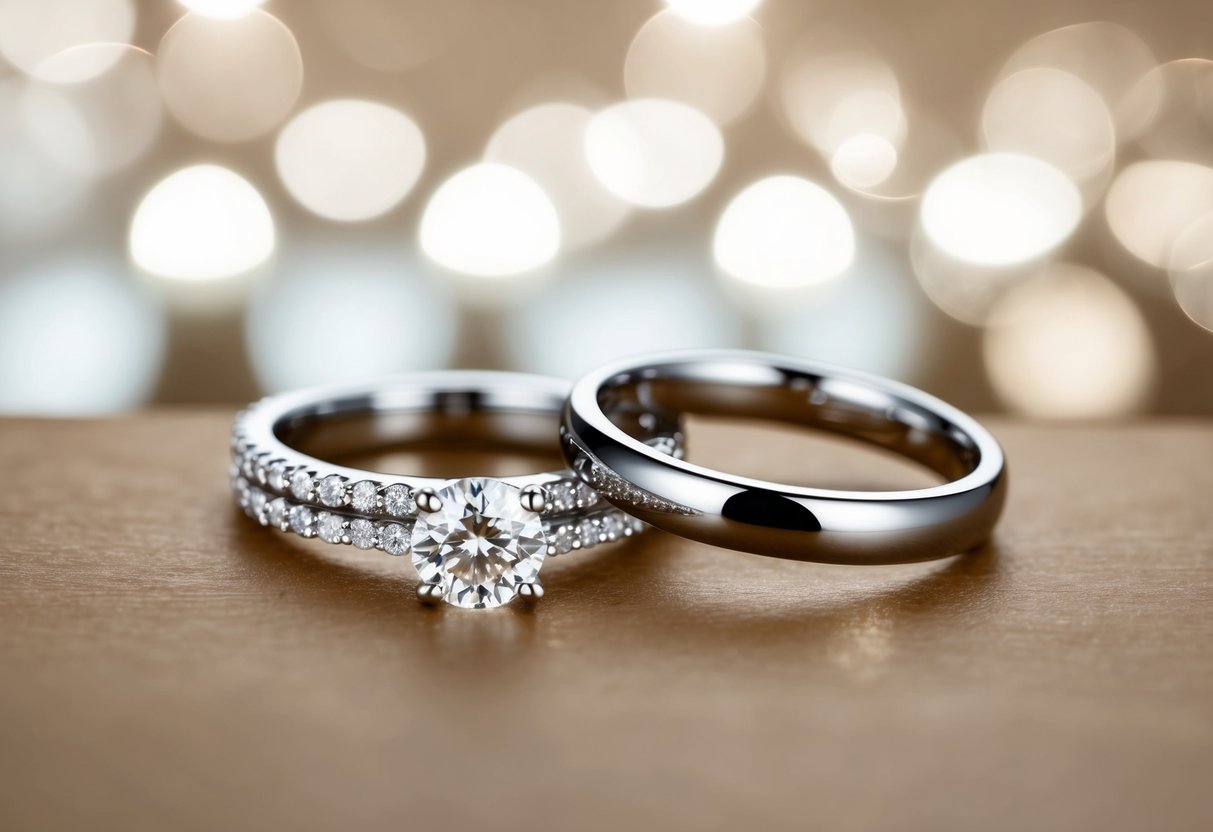
When choosing your engagement ring and wedding band, it’s important to focus on specific design elements. These factors will help ensure that both rings complement each other while also reflecting your personal style.
Ring Width and Band Thickness
The width of the bands plays a significant role in how your rings look together. Traditional wedding bands are often 2.5 mm wide, while engagement rings can vary from thin bands of 1.6 mm to much thicker ones. If you choose a wide engagement ring, consider a slightly wider wedding band to maintain balance.
A notched wedding band can fit nicely with various engagement ring styles, especially if it features a unique design. Contoured wedding bands are another great option as they adapt to the engagement ring’s shape, enhancing the overall look. Aim for a similar band thickness to create a cohesive style.
Choosing the Right Diamond Shape
The diamond shape you select for your engagement ring can impact the overall design with the wedding band. Popular shapes like oval and pear diamonds add a unique twist and often look stunning with halo settings.
Consider how the diamond shape pairs with a wedding band. For instance, a vintage ring with an intricate design might look great with a simpler band, while a modern engagement ring may benefit from a more elaborate wedding band. Matching the aesthetics of both rings ensures they beautifully complement each other.
Special Features in Rings
Adding special features can elevate your ring set. A halo engagement ring, with its surrounding smaller stones, often requires a wedding band that shares similar detailing. Look for bands with small diamonds or intricate designs to enhance visual harmony.
Also, consider the aesthetics of both rings. For example, if your engagement ring has a lot of sparkle, a simpler wedding band can create a nice contrast. Think about accents like milgrain or filigree details to keep the set visually interesting. Matching unique features can truly bring your entire look together.
Making the Personal Choice
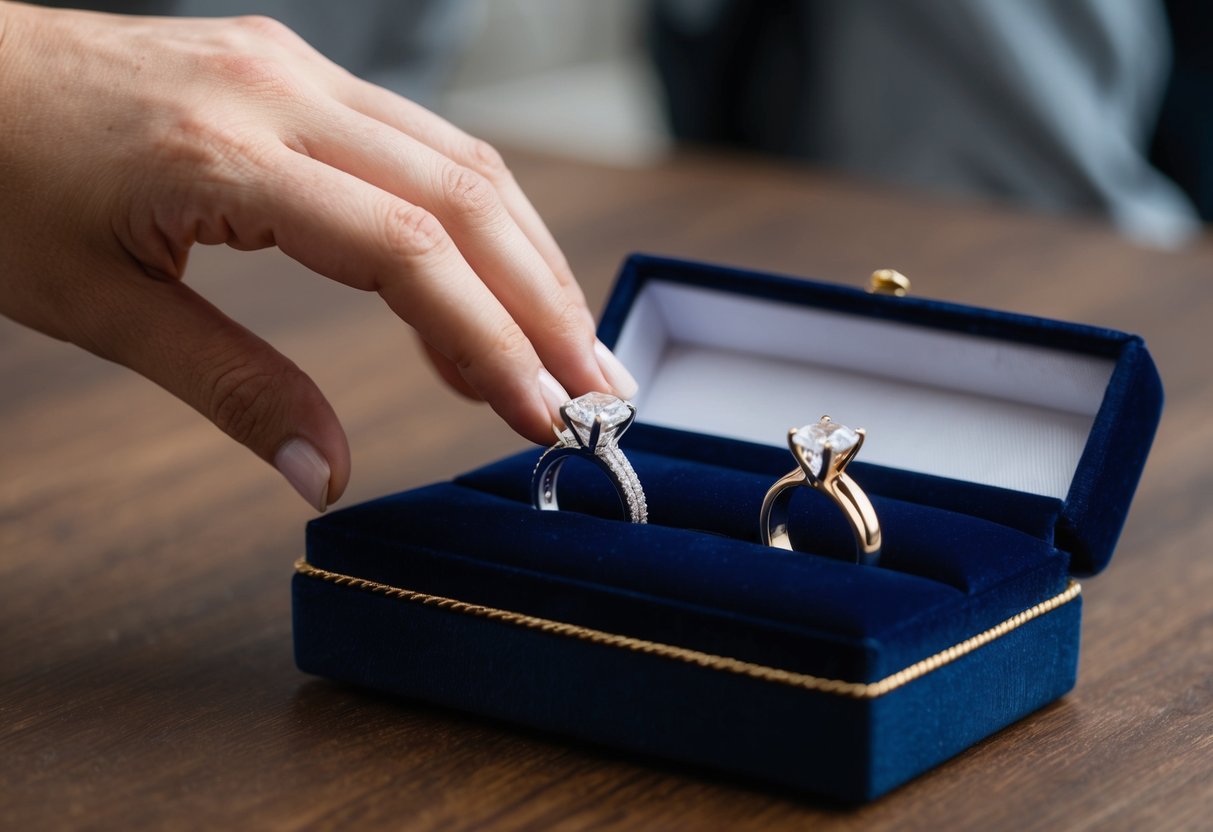
Choosing the size of your engagement ring and wedding band is a personal decision. It involves considering aesthetics, practicality, and your own style preferences. Here are some important factors to think about.
Aesthetics vs. Functionality
When choosing your rings, think about how they look together. Many people prefer a matching set for a balanced appearance. For instance, if your engagement ring is wider, a similarly sized wedding band can enhance its beauty.
Yet, functionality matters too. If your engagement ring is bulky, a slimmer wedding band might offer more comfort. Pay attention to how each ring will sit on your finger. You want them to look great but also feel right for daily wear.
Trying On and Experiencing the Fit
The best way to decide on ring sizes is to try them on. Visit a jewelry store to test various widths and styles. This will allow you to feel how each option sits on your finger.
Bring your engagement ring along when you shop for your wedding band. It’s essential to see how they match in size and appearance. This way, you can make sure both rings fit comfortably together. Don’t hesitate to ask for a few different styles to make the right choice.
Cultural and Personal Preferences
Your cultural background and personal preferences can shape your decision. Some cultures have specific rules about how rings should look or fit together. For example, bridal sets often come in matching sizes.
Think about what resonates with you and your partner. Do you prefer matching rings, or do you want each ring to reflect your personal style? These choices can make your rings feel even more special.