
Should the Bride Be on the Left or Right? Understanding Traditional Wedding Seating Arrangements
When planning your wedding, you might wonder about the traditional placement of the bride and groom during the ceremony. Many people follow the custom where the bride stands on the left and the groom on the right. This tradition is rooted in the idea that the groom wants to keep his left side—where his heart is—open to the bride.
While this custom has historical significance, modern couples often choose to ignore such rules. Ultimately, where you stand should reflect what feels right for you and your partner. You can embrace tradition or create your own awesome twist to make your ceremony special.
Understanding these choices can help you create a ceremony that is both meaningful and personal. Enjoy the planning process, and remember that the focus is on your love for each other!
Historical Significance of Placement
The placement of the bride and groom during a wedding ceremony has roots in historical practices and cultural traditions. Understanding these origins can give you deeper insights into why the bride often stands on the left side of the groom.
Marriage by Capture and Chivalry
In ancient times, marriages were often seen as transactions or alliances. The concept of “marriage by capture” was common, where a groom would take his bride by force or through strong persuasion. In these scenarios, positioning the bride on the left allowed the groom to keep his sword arm free. This way, he could defend his bride against potential rivals or harm.
During the Middle Ages, the codes of chivalry emerged. These rules emphasized the protection of women. While this was a noble ideal, it also reflected the belief that the bride needed safeguarding. The left-side placement became a symbol of this protective intent in Christian and Jewish weddings, reinforcing the groom’s role as a defender.
Cultural Perspectives in Ceremonial Positions
Different cultures have their own wedding customs that relate to where the bride and groom stand. For instance, in Hindu weddings, the couple usually stands side by side during rituals, but the significance of their position varies across traditions.
In many Christian ceremonies, the bride is traditionally on the left, rooted in these historical customs. This position has remained consistent over time, symbolizing the groom’s promise to protect.
In Jewish weddings, similar customs apply, emphasizing family and community support. These practices highlight shared values and connections, making the couple’s placement an important part of the ceremony. Whether in ancient codes or modern interpretations, the bride’s position carries lasting significance.
Ceremonial Positions and What They Symbolize
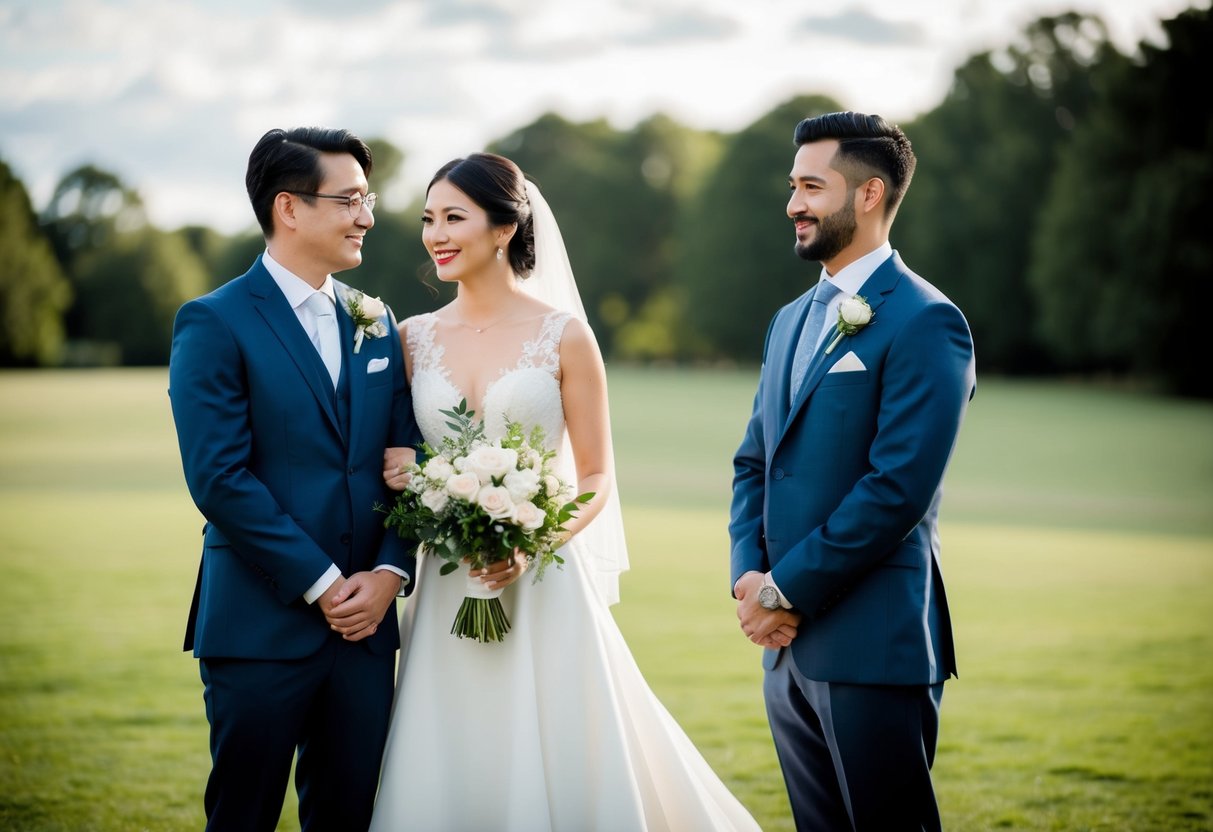
The positions that brides and grooms take during a wedding ceremony have rich meanings rooted in tradition. Understanding these positions helps you appreciate the symbolism behind them and how they shape your special day.
Protection and the Left Side
In many wedding traditions, the bride stands on the left side of the altar. This placement is not just a random choice. It symbolizes protection and closeness. In Christian ceremonies, the groom often stands to the bride’s right, keeping her safe and offering support.
Historically, this position allowed the groom to draw his sword with his right hand to defend his bride, if necessary. This gesture of protection continues to carry weight in modern weddings. For you, this choice can reflect a commitment to care for one another as you begin your life together.
Good and Bad Sides
The concept of “good” and “bad” sides also plays a role in wedding traditions. Traditionally, the left side is considered the “good” side. It represents the bride’s honor, while the right side can symbolize strength and support from the groom.
In some cultures, the bride standing on the left may signify love and joy, while the groom’s right side emphasizes stability and readiness. Understanding these symbols can enrich your ceremony and help you decide what feels right for you. Each choice you make reflects your values and vision, so consider what both sides represent for your relationship.
Modern Interpretations and Variations
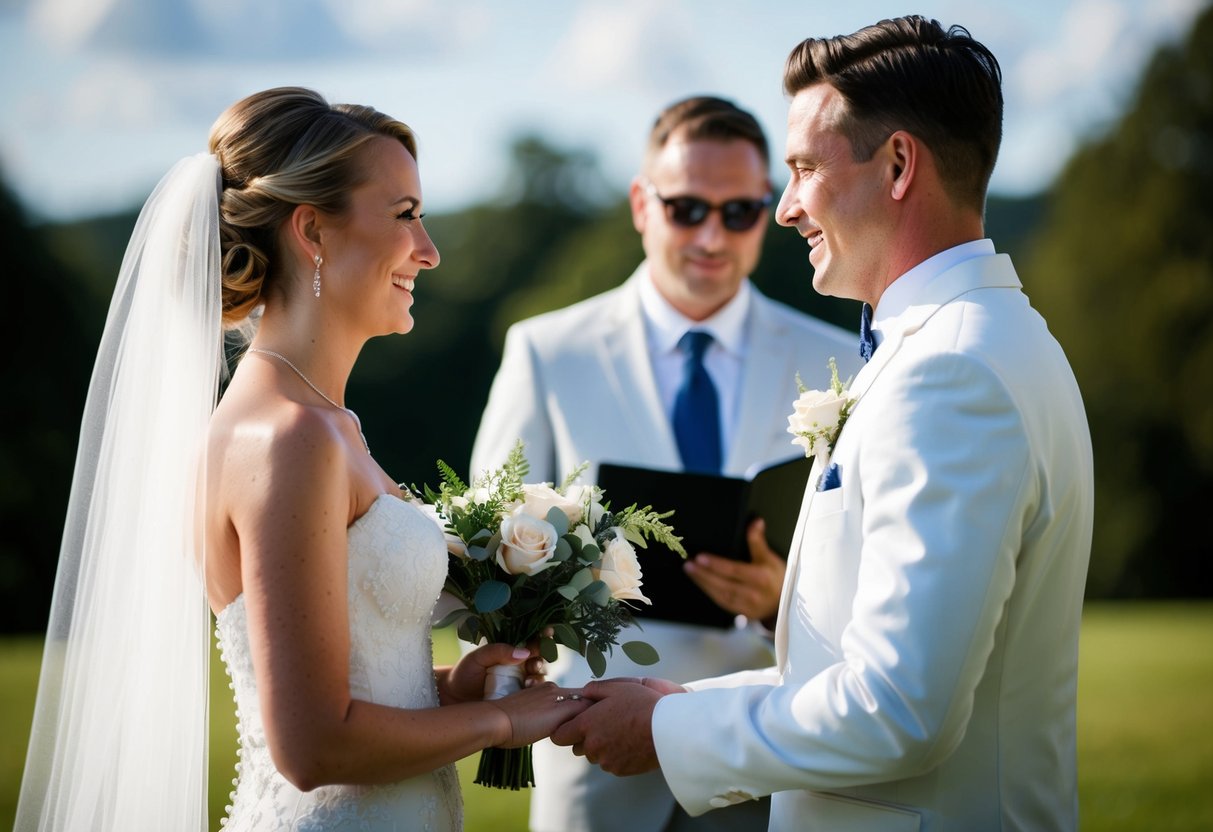
Many couples today are moving away from traditional wedding customs, creating their own unique ceremonies. You can express your individuality and make choices that reflect your partnership. This shift often includes new ideas about where the bride stands during the ceremony.
Empowerment Through Personal Choice
You have the freedom to choose where you want to stand on your big day. Many modern brides decide to stand on the right side, the center, or even switch places with their partner. These choices show your personal preference and highlight your creativity as a couple.
This movement encourages couples to think about what feels right for them. Standing together, side by side, can symbolize partnership and equality. Ultimately, it’s about what resonates with you and your partner. This freedom allows you to make a statement about your relationship.
Inclusivity in Contemporary Unions
Many same-sex couples are challenging traditional roles in their ceremonies. Both partners may choose to stand wherever they feel comfortable, often based on personal preference rather than tradition. This practice fosters a sense of inclusivity and equality.
For example, some couples may opt for both partners on the left or right, showcasing their bond equally. This change represents a shift toward more modern values in weddings, where love and partnership take center stage. You are free to express your union in a way that represents both of you equally.
Roles and Logistics in Wedding Ceremonies
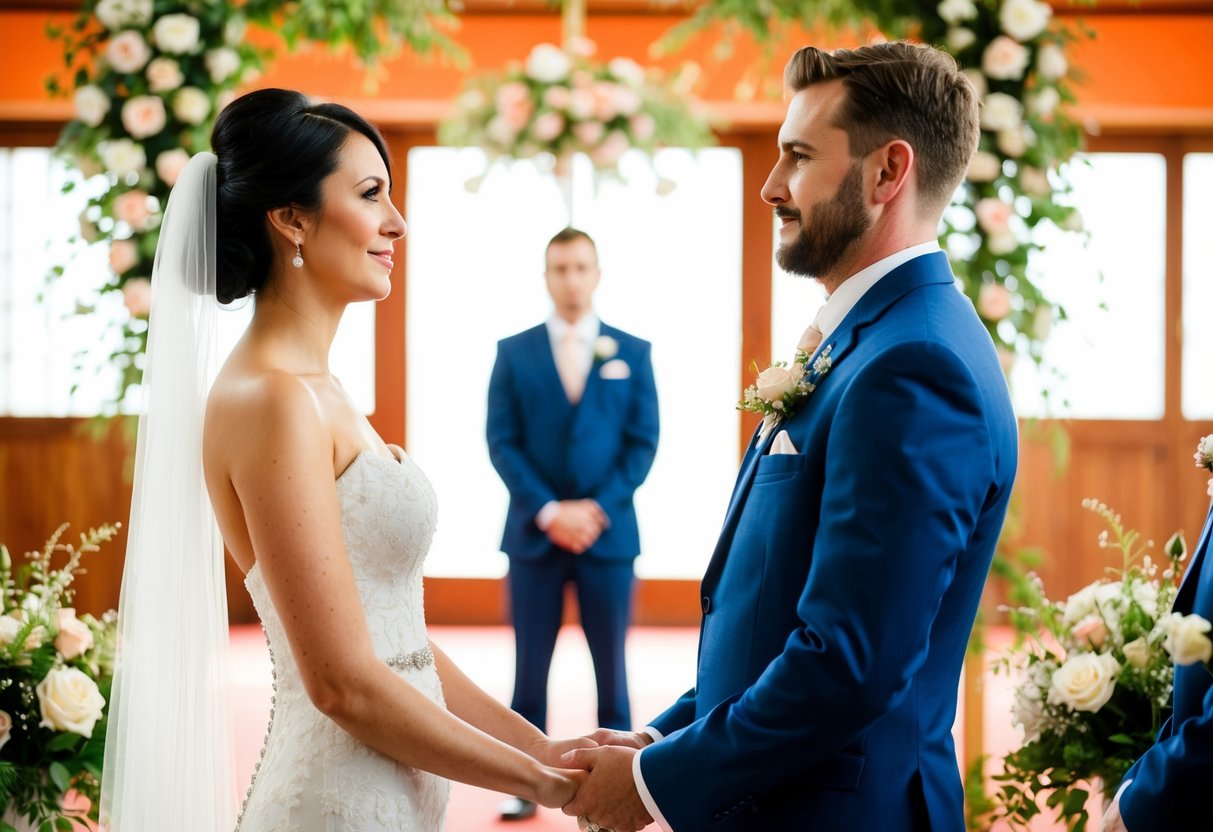
When planning a wedding, understanding the roles and logistics involved is key to a smooth ceremony. It’s important to have a clear seating arrangement and an organized processional to set the right tone for your special day.
Seating Arrangement and Processionals
The seating arrangement is a vital part of any wedding ceremony. Traditionally, the bride’s side is on the left and the groom’s side on the right. This helps guests know where to sit. Parents of the bride usually occupy the front row on the left. The groom’s parents typically sit in the front row on the right.
During the wedding processional, everyone walks down the aisle in a specific order. Usually, the groomsmen enter first, followed by the bridesmaids. The bride walks down last, signifying her special moment. After the vows, the recessional occurs, where the newly married couple exits, often followed by their wedding party.
Officiants and Wedding Planners
The officiant plays a crucial role in the wedding day. This person leads the ceremony, ensures all elements are included, and helps create the right atmosphere. You can choose a religious figure or a professional officiant, depending on your preferences.
A wedding planner can be invaluable throughout the process. They coordinate details like vendor communication and the schedule. Their expertise helps keep everything running smoothly. They manage all logistics, from organizing the head table for the reception to ensuring the sweetheart table is set up for the couple. With their assistance, you can focus more on enjoying your special day.