
Should the Bride Pay for Her Own Wedding Dress? Exploring the Tradition and Modern Choices
As you plan your wedding, one big question might be on your mind: should you pay for your own wedding dress? More brides are taking the opportunity to treat themselves and embrace their independence by doing just that.
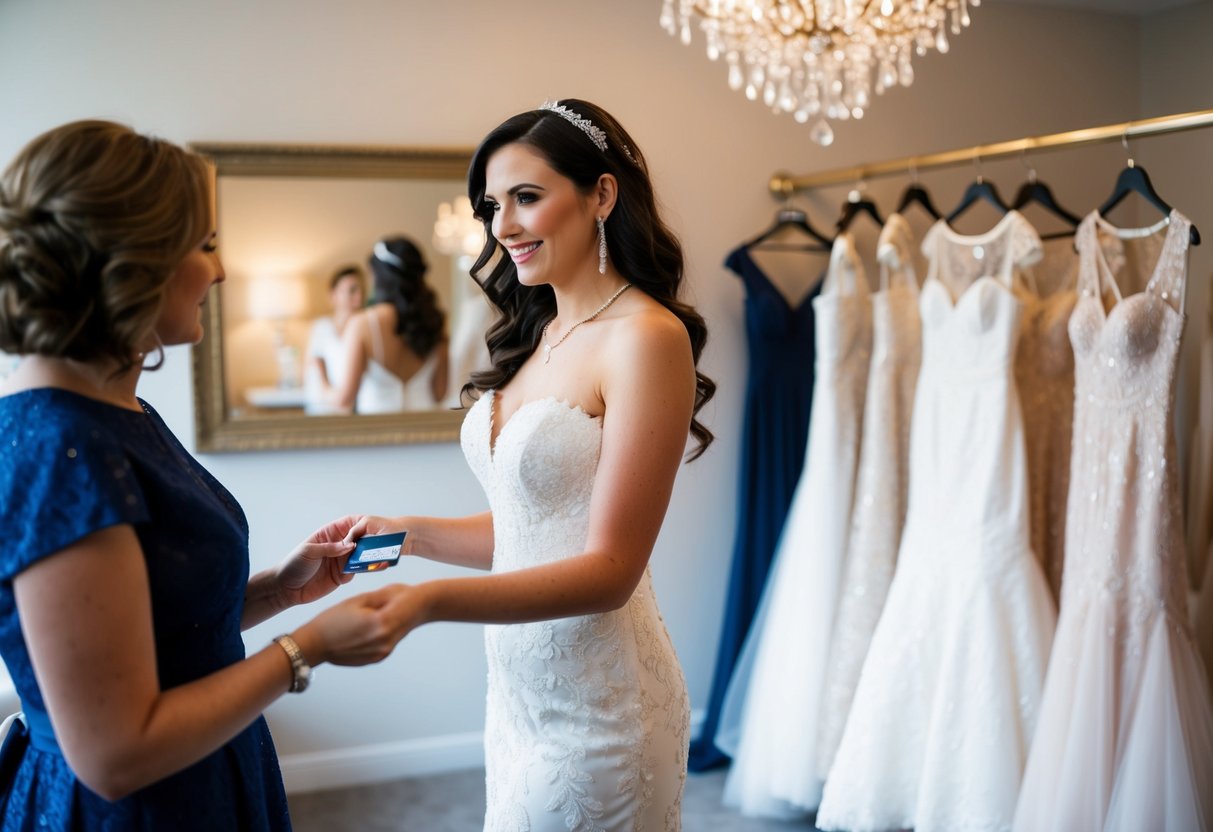
Traditionally, many brides’ families covered the costs of the wedding dress. However, changing times have shifted perspectives on who pays for what in wedding planning. Feeling empowered to invest in your own dress can not only spark joy but also give you a sense of ownership over your special day.
Ultimately, this decision can impact your overall wedding budget and how you feel about the entire wedding experience. Whether you choose to rely on family or pay for it yourself, what matters most is that you feel confident and beautiful in the dress you wear.
Understanding Wedding Financial Responsibilities
Navigating wedding expenses can be tricky. You may wonder who pays for what and how family traditions impact financial responsibilities. Understanding these elements helps you plan for your wedding day.
Tradition versus Modern Expectations
Traditionally, the bride’s family was expected to cover the wedding dress. This expense is often viewed as a significant investment, reflecting the family’s status. In the past, the groom’s family mainly handled the rehearsal dinner and other minor costs.
Today, many couples choose to share expenses. This shift reflects modern values where partnership is key. Many brides now opt to pay for their own wedding dresses. Understanding these shifts helps ensure you align with both your values and those of your family.
Roles of Family Members in Wedding Costs
Family dynamics greatly shape who pays for wedding expenses. Traditionally, the bride’s parents took on most of the financial responsibility. They often cover major costs like the venue, catering, and the wedding dress.
The groom’s family typically contributes as well, sometimes covering the rehearsal dinner and transportation. Modern couples, however, often discuss and divide costs more equally. You may find that having clear conversations about finances can help ease any stress.
Financial Burden and Sharing Expenses
Weddings can be expensive, with costs adding up quickly. It’s important to address financial burdens openly. Couples today often discuss how to share costs among themselves and their families.
Both partners may take on different expenses, such as the bride buying her own dress. You might also explore paying for specific items within your budget, like flowers or photography. This collaborative approach can ease stress and foster a sense of teamwork. Keep in mind that sharing costs reflects your relationship’s partnership values.
Planning Your Wedding Budget with Care
When planning your wedding budget, it’s essential to pay attention to where your money goes. A carefully thought-out budget can help you make informed choices about your wedding dress and other expenses.
Allocating Funds for The Wedding Dress
Deciding how much to spend on your wedding dress is an important step. The average cost of a wedding dress ranges from $1,000 to $3,000, but you can find options both below and above this range.
First, identify your total wedding budget. From there, allocate a specific percentage for the dress.
For example, if your budget is $20,000, you might set aside 10-15% for the dress. This means you would spend around $2,000 to $3,000.
Include alterations in your dress budget too. Alterations can add $300 to $800 to the total cost, depending on the changes needed. Keep an eye on sales and consider purchasing a dress off the rack to save money.
Managing Expectations with A Budget
Managing your expectations is vital when working within budget constraints. It’s easy to get swept away by beautiful gowns and high-end designers. However, staying within your budget will help prevent stress later.
Make a list of what you want in a wedding dress. Prioritize features that matter most to you.
Are you looking for a specific fabric, style, or designer? Knowing this will help you stay focused when shopping.
You might also consider alternatives like renting a dress or buying secondhand. Many brides sell their gently used dresses online, making it possible to find a beautiful gown for less. By being flexible, you can create a memorable look without overspending.
Staying mindful of your budget helps ensure that you enjoy your big day without financial worries.
The Bride’s Attire: A Personal Choice
Choosing your wedding gown is one of the most personal decisions in your wedding planning. It reflects your style and can symbolize your independence. The way you approach this choice can empower you and help you express who you really are.
Empowerment through Financial Autonomy
When you pay for your own wedding dress, it can feel empowering. This choice shows your financial autonomy and commitment to your dreams. You take charge of selecting the gown that truly resonates with you.
Many modern brides are choosing to buy their own dresses as a statement of independence. It allows you to prioritize what matters most to you in your wedding attire. Whether it’s a designer wedding dress or a more budget-friendly option, the decision is yours alone.
Incorporating Personal Style and Preferences
Your wedding gown should capture your personal style. This is a chance to wear something that feels uniquely you.
Consider factors like color, fabric, and design. Customization options can bring your dream dress to life.
Think about the accessories that complement your bridal gown. A veil or statement shoes can add your personal touch.
By choosing a dress that fits your style, you create a memorable look for your special day.
Embrace this opportunity to express yourself through your wedding attire.