
Should the Brides’ Parents Pay for the Wedding? Exploring Modern Traditions and Expectations
Wedding planning can be exciting, but it often brings up many questions, especially about costs. When it comes to who should pay for the wedding, traditions play a big role. Traditionally, the bride’s parents cover most of the wedding expenses, but modern couples are finding new ways to share these costs.

Understanding these traditions can help you navigate the conversation with your family and your partner. Many factors influence who pays, such as family dynamics, financial situations, and personal preferences. By exploring these aspects, you can create a plan that works best for everyone involved.
As you read on, you’ll discover the evolving customs around wedding expenses and practical tips for discussing finances with your loved ones. This journey can strengthen relationships and set a positive tone for your special day.
Historical Context of Wedding Finances
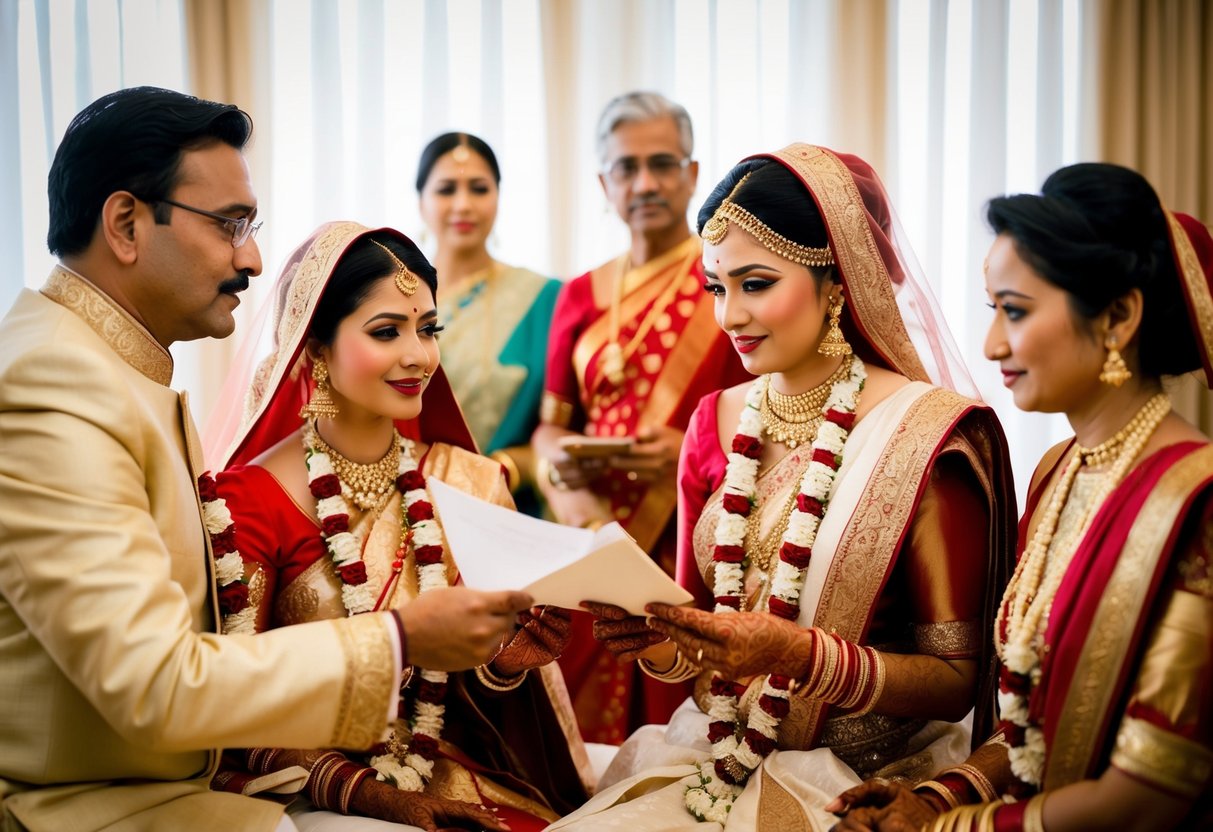
Understanding the historical context of wedding finances helps clarify why certain traditions exist today. Traditionally, the financial responsibilities of weddings have been split along family lines, often reflecting cultural values and societal norms.
Traditional Wedding Etiquette
In many cultures, it has been customary for the bride’s family to cover the majority of wedding expenses. This practice dates back to the tradition of dowries, where the bride’s family would give property or money to the groom. The expectation was that this would ensure a level of financial security for the couple.
The father of the bride often took the lead in planning and funding the wedding. His role symbolized taking responsibility for his daughter’s future happiness. Meanwhile, the groom’s family was generally expected to cover the cost of the rehearsal dinner and the honeymoon.
These traditional roles define wedding etiquette, but today, more couples are co-managing finances. You might find that modern couples choose to share costs or even cover the entire wedding themselves.
Breaking Down Wedding Costs
Weddings can become expensive quickly, and it’s essential to understand where the costs go. Knowing these categories can help you budget effectively and decide who might pay for what.
Venue and Catering
The venue is often one of the biggest expenses, typically costing thousands of dollars. You’ll need to choose both a ceremony site and a reception venue. Depending on the location, this can range from a few hundred to several thousand dollars.
Catering costs will also add up. This includes food, beverages, and often the cake. On average, expect to spend around $70 to $100 per guest for catering, which can lead to a hefty bill, especially with a larger guest list.
Attire and Rings
The bride’s attire usually includes the wedding gown, veil, and accessories. You might spend anywhere from $1,000 to $5,000 on a dress. Don’t forget about alterations and bridesmaid dresses, which also add to the expense.
Wedding rings are another significant cost. Pairing engagement rings with wedding bands can set you back a few hundred to several thousand dollars. It’s wise to set aside a budget for these important pieces.
Decorations and Flowers
Floral arrangements bring the wedding to life. Bouquets, centerpieces, and decorations can cost between $1,500 to $5,000, depending on your choices. Seasonal flowers might help reduce expenses while still looking beautiful.
Don’t forget the cake! A wedding cake can add an extra $300 to $1,000 to your budget. Choosing designs and flavors that reflect your style is great, but keep the costs in mind as you plan.
Photography and Videography
Capturing your special day is crucial. Hiring a wedding photographer could cost anywhere from $1,500 to $3,500. Think about what styles and packages you like to seek the best fit for your needs.
Videography is becoming increasingly popular, often costing between $1,000 to $3,000. You’ll want to ensure you get both the “highlights” and full coverage to remember every moment of your day.
By carefully planning these categories, you can manage your wedding budget effectively.
Pre-Wedding and Post-Wedding Events
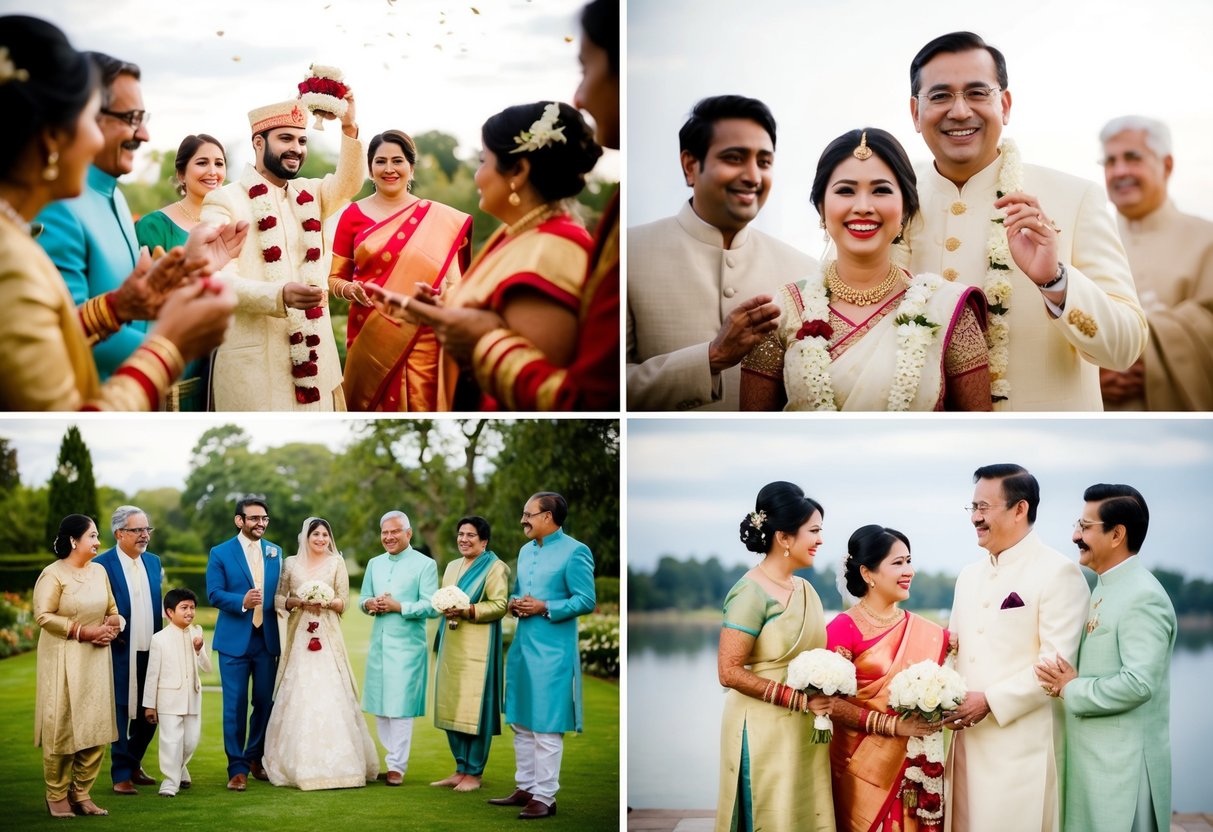
Pre-wedding and post-wedding events are important moments to celebrate your journey. These occasions help you bond with family and friends while building excitement for the big day ahead. Let’s explore the details of these events.
Engagement Party and Bridal Shower
An engagement party is often hosted by the bride’s parents or a close friend. This event is a wonderful way to introduce families and friends. It’s usually a casual gathering with light refreshments.
The bridal shower is another key celebration. Traditionally, friends or family organize this event. You can expect games, gifts, and heartfelt moments. The bride’s family often helps with the costs, but it is not a strict rule.
Rehearsal Dinner and Welcome Party
The rehearsal dinner takes place the night before the wedding. It’s a chance for the couple, their families, and the wedding party to gather. The groom’s family typically covers the expenses. This dinner helps everyone feel relaxed and ready for the next day.
A welcome party may be held for out-of-town guests. It’s a friendly way to make everyone feel included. This event can be casual, like a BBQ or informal cocktail gathering. You and your families can decide how to plan it based on your preferences.
Honeymoon Planning
Honeymoon planning is often one of the most exciting parts. While couples typically budget for this, family support is sometimes involved. It’s wise to discuss preferences early on.
Popular honeymoon destinations include tropical beaches, cozy cabins, or adventurous trips. Set a realistic budget that factors in travel, accommodations, and activities. This planning allows you to enjoy a wonderful start to married life without stress.
Modern Approaches to Wedding Funding

In today’s world, wedding funding has become more flexible. You have several options to consider, allowing for a mix of financial independence and shared responsibilities among family and friends.
Financial Independence of the Couple
Modern couples often prefer to take on financial responsibility for their wedding. This shift reflects greater financial independence. Many choose to save up for their big day or use a portion of their income to cover costs.
This approach allows you to plan the wedding that aligns with your vision. It also gives you more control over your budget, avoiding reliance on family funds. With the average cost of a wedding rising, it’s crucial to set a clear wedding budget early on. Couples can also discuss priorities to ensure essential aspects like the venue, attire, and catering receive the right financial focus.
Division of Expenses Amongst Family and Friends
Splitting wedding expenses is a growing trend. In this model, you and your partner can divide costs with your families and close friends. This helps ease the financial burden while still allowing for contributions.
You might consider creating a list of major expenses, such as the venue, catering, and the engagement party. Then, decide who pays for what. It’s common for the bride’s family to cover certain costs while the groom’s family contributes others. Additionally, friends may offer to help with specific tasks or provide wedding gifts that help offset costs.
Creative Ways to Manage Wedding Costs
Finding creative ways to manage wedding costs can make a big difference. You can explore options such as DIY decorations or utilizing local venues for the ceremony.
Consider reaching out to friends and family for help. They might lend skills in photography, catering, or floral arrangements.
Using a wedding planner can also help you find affordable options within your wedding budget. A planner understands costs and can suggest areas for savings.
Additionally, don’t hesitate to set up a wedding gift registry. This can help you receive useful items that can save you money in the long run.