
Should the Groom’s Sister Be a Bridesmaid? Navigating Family Roles in Weddings
Including the groom’s sister as a bridesmaid can be a thoughtful decision, but it really depends on your relationship with her. If you and the groom’s sister get along well and she can be a supportive presence on your wedding day, inviting her to join the bridal party might be a great idea. This choice can help strengthen family bonds and make your wedding feel more inclusive.
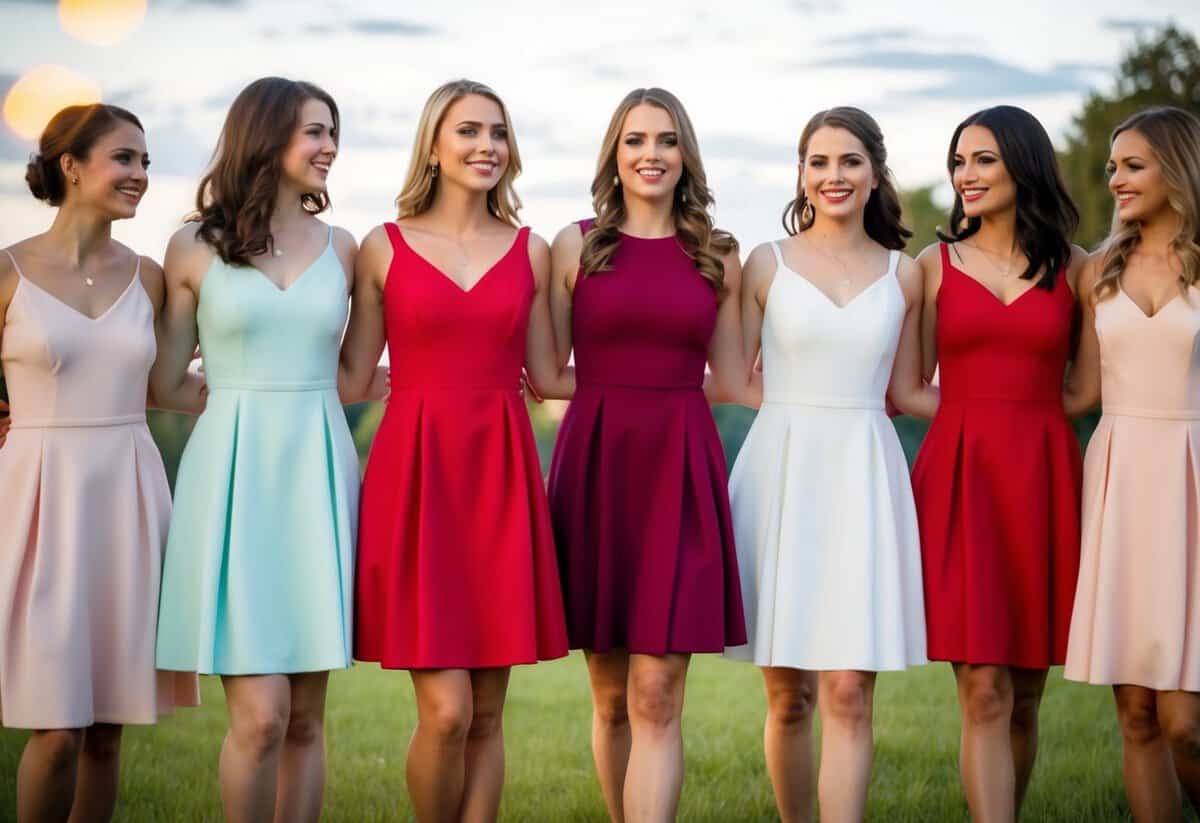
When planning your wedding, consider the dynamics of family members and how each person contributes to the overall atmosphere. The role of a bridesmaid goes beyond just wearing a dress; it involves responsibilities like helping with wedding planning and being present during important moments.
Including the groom’s sister could add a personal touch to the day, making it more meaningful for everyone involved.
Of course, it’s essential to keep in mind any potential feelings that may arise. Not everyone might see this choice positively, so communication is key. Think about the support and joy she brings to your special day, and you’ll have a better sense of whether she should be part of your bridal party.
Roles and Responsibilities in the Bridal Party
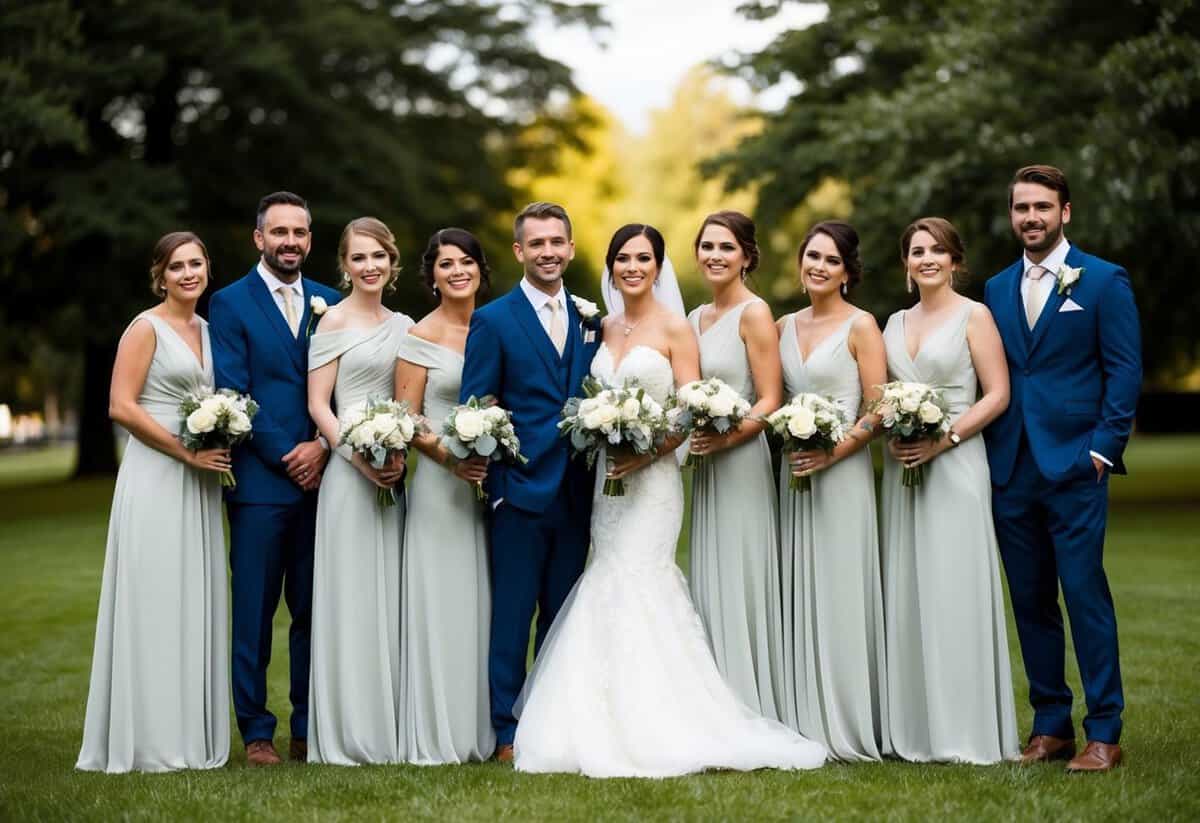
Being part of the bridal party comes with specific roles and responsibilities that are essential for a smooth wedding experience. Understanding these roles helps create a supportive environment for the bride and groom.
Defining the Bridesmaid Role
Bridesmaids play a crucial role in supporting the bride. Your main responsibilities include helping with wedding planning, organizing pre-wedding events like the bridal shower, and assisting on the wedding day itself.
You will also be part of the wedding ceremony, standing by the bride’s side. Bridesmaids should coordinate their attire with the bride’s preferences, which often means wearing matching dresses. Remember, communication is key, so staying in touch with the bride about her needs is important.
Emotional support is another significant aspect of being a bridesmaid. Providing encouragement and being there during stressful times can help the bride feel more relaxed.
Groomsmen and Bridesmaids’ Duties
Groomsmen, like bridesmaids, have important roles. They assist the groom with planning and coordinating events such as the bachelor party. On the wedding day, groomsmen help keep things organized by ushering guests and standing with the groom during the ceremony.
Both bridesmaids and groomsmen should be ready to lend a hand wherever necessary. You may need to handle last-minute details, like ensuring the couple has everything they need for the ceremony.
By working together, you create a fun and supportive atmosphere for the wedding. Everyone plays a part, and teamwork helps the couple enjoy their special day. This collaboration builds lasting memories for everyone involved.
Family Dynamics and Wedding Party Composition
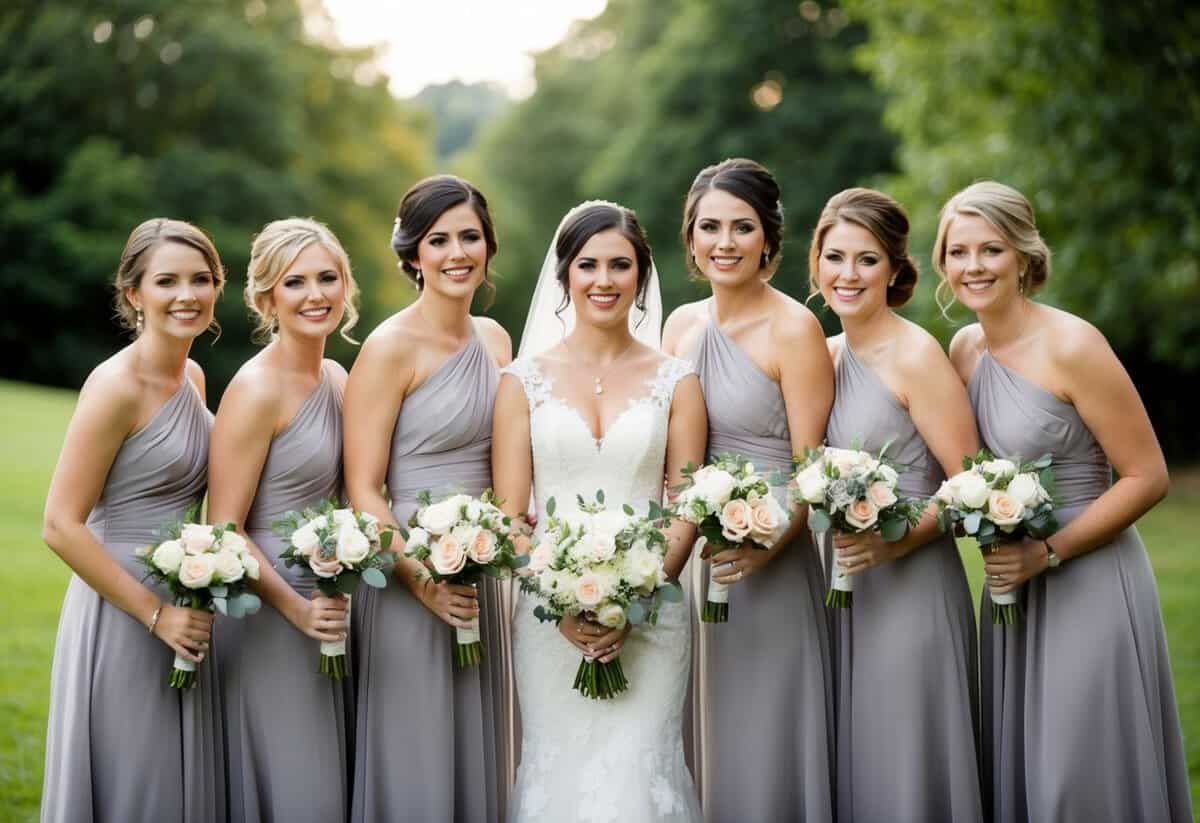
Navigating family dynamics in a wedding can be a delicate task. Understanding how to incorporate family members and address sibling involvement is key. Balancing personal preferences with family bonds can enhance harmony on your special day.
Incorporating Family Members
When deciding if the groom’s sister should be a bridesmaid, consider the existing family bonds. If you have a close relationship with her, including her in the wedding party can symbolize unity. This inclusion can make family photos more enjoyable and meaningful.
Think about how her presence might affect family dynamics. Will it strengthen ties, or could it lead to tension? It’s essential to reflect on how other family members feel, especially the mother of the groom, to avoid hurt feelings.
Addressing Sibling Involvement
Including siblings in the wedding party can be a sensitive issue. You should assess how each family member will feel about their roles. If the groom’s sister is not included, it may upset her and create rifts.
Open communication can help. Talk to your fiancé about how he feels regarding his sister’s involvement. Sibling relationships vary, so it’s essential to acknowledge how your decision may impact these bonds.
If the groom’s sister has specific expectations about her role, addressing these early will help avoid misunderstandings later on.
Balancing Personal Preferences
Your personal preferences play a significant role in the final decision. It’s vital to balance what you want with the feelings of those involved. If you prefer an even-numbered wedding party, you might lean towards including the groom’s sister.
Consider alternative roles if she isn’t a bridesmaid. Suggestions include having her give a toast or read a poem during the ceremony. This way, you honor her presence without placing additional pressure on your wedding party’s structure.
Navigating Wedding Etiquette and Traditions
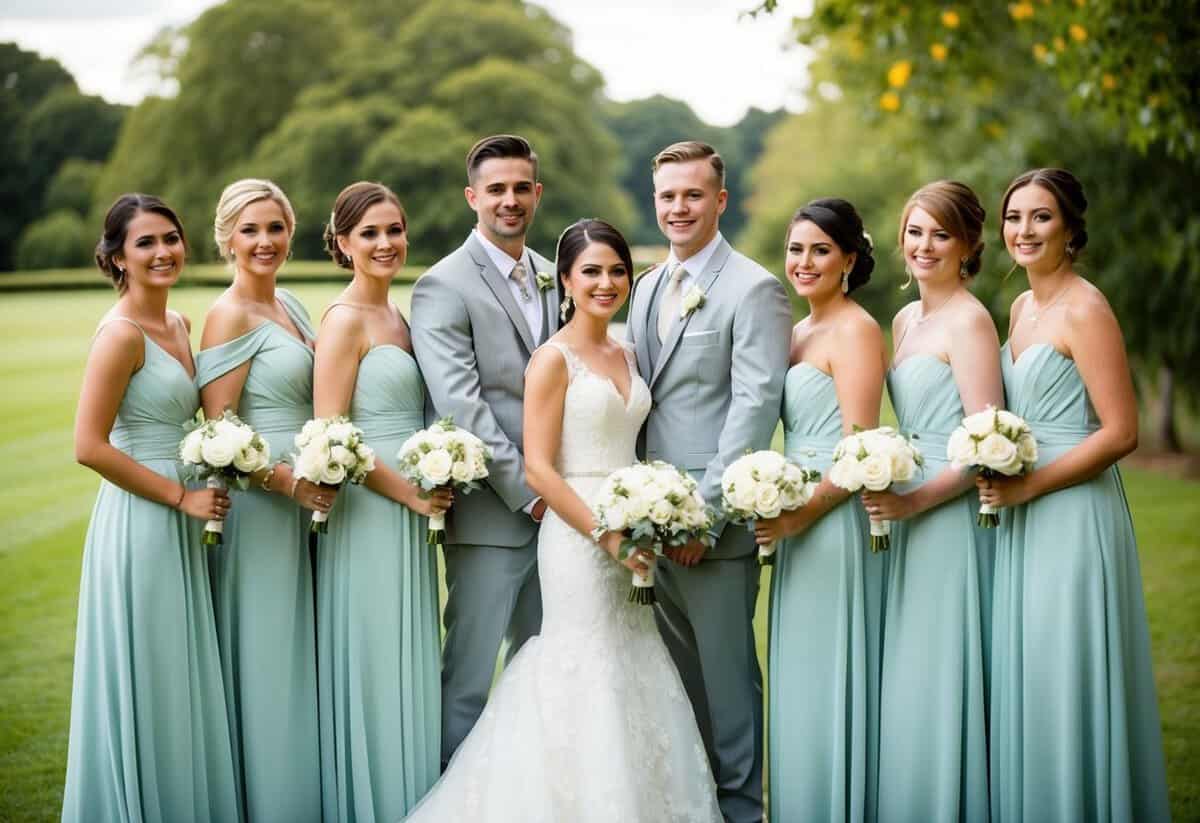
When considering if the groom’s sister should be a bridesmaid, understanding wedding traditions and etiquette can help you make the best decision. These factors shape how families interact and what roles they play during the ceremony and celebrations.
Understanding Wedding Traditions
Wedding traditions vary greatly between cultures and families. They often dictate who is included in the bridal party. In many cases, it’s customary for the bride to choose her closest friends or family members as bridesmaids.
If the groom’s sister shares a close bond with the bride, it may feel right to include her. Families often appreciate the inclusion, as it strengthens relational bonds during the celebration.
The Significance of Wedding Etiquette
Following good wedding etiquette can help avoid misunderstandings. It generally encourages clear communication among involved parties. If you’re thinking about asking the groom’s sister to be a bridesmaid, discuss it with both the bride and groom first.
Also, consider how her presence might impact family wedding photos. A supportive relationship can enhance couple portraits and create a positive atmosphere on the big day. Lastly, keep in mind that hair and makeup arrangements may need to include her, so planning becomes essential for a smooth celebration.
Planning for the Special Day
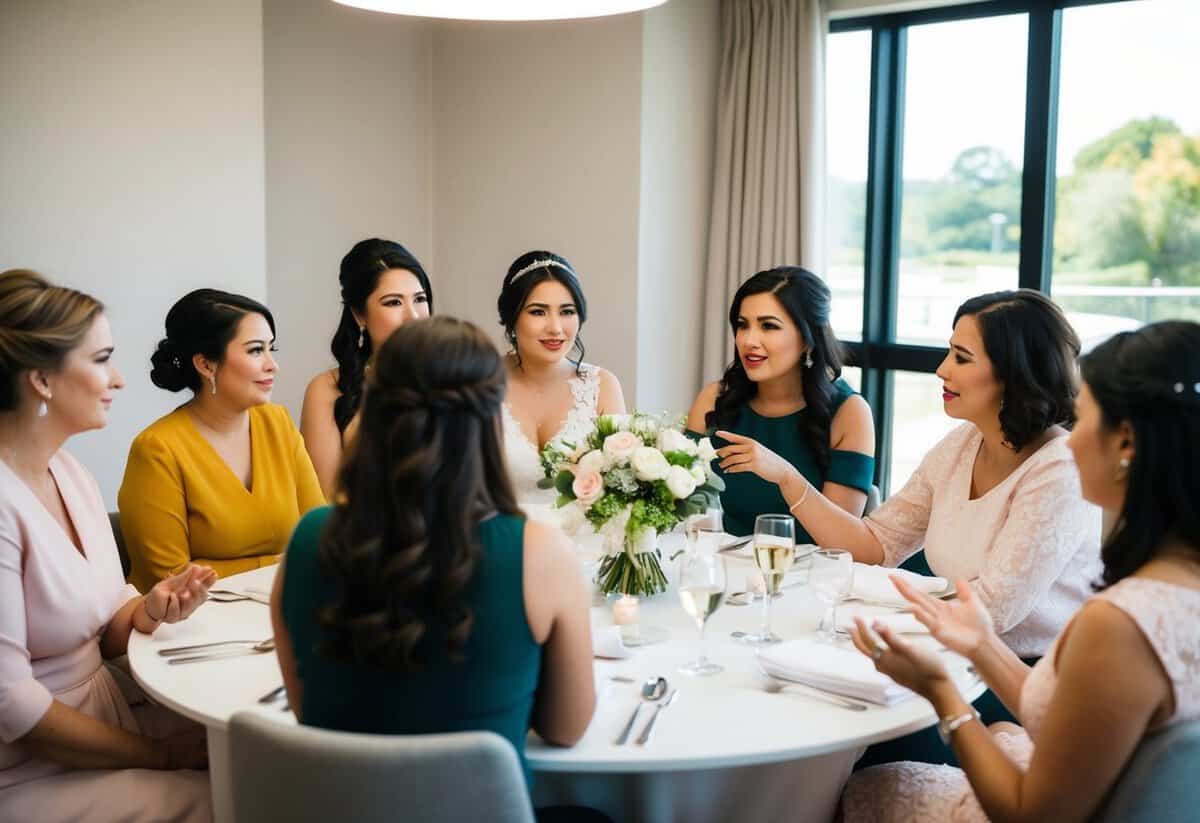
When planning for your wedding day, clear communication and thoughtful choices are essential. It’s important to set expectations, prioritize tasks, and create meaningful moments that involve everyone, including the groom’s sister.
Communication and Decision-Making
Effective communication is the backbone of successful wedding preparations. Start by talking with your partner and any key family members about roles and responsibilities. Discuss whether the groom’s sister should be included as a bridesmaid or if she might take on another role.
Ask questions like:
- How close are you to the groom’s sister?
- What expectations do your families have?
Being open in these conversations can reduce misunderstandings later. If needed, consider working with a wedding consultant to keep everyone informed and engaged.
Setting Priorities for the Celebration
Setting priorities helps streamline the planning process. Begin by listing what aspects of the wedding are most important to you. This may include the venue, the guest list, or specific traditions that you want to honor.
Consider categories like:
- Budget items: Where can you save?
- Guest experience: What will make your guests feel welcome?
This approach keeps your focus clear and ensures that the groom’s sister’s potential role can be discussed within the context of the day’s events and your shared priorities.
Creating Meaningful Gestures
Fostering stronger family ties can include the groom’s sister. If she isn’t a bridesmaid, think of ways to honor her on your special day.
This could include asking her to give a reading during the ceremony. You could also involve her in a special role, like organizing a toast.
You might also prepare a small token, like a personalized gift or handwritten note, expressing your appreciation for her support. These gestures can create lasting memories and strengthen your bond with both her and the groom’s family, making the day even more special.