
Should the Wife Give Back the Engagement Ring? Understanding the Etiquette and Emotional Factors
When a marriage ends, you might wonder about the engagement ring you received. In most cases, the wife should return the engagement ring, especially if the engagement was broken off without marriage taking place. This topic can feel sensitive, as an engagement ring often carries emotional weight and memories.
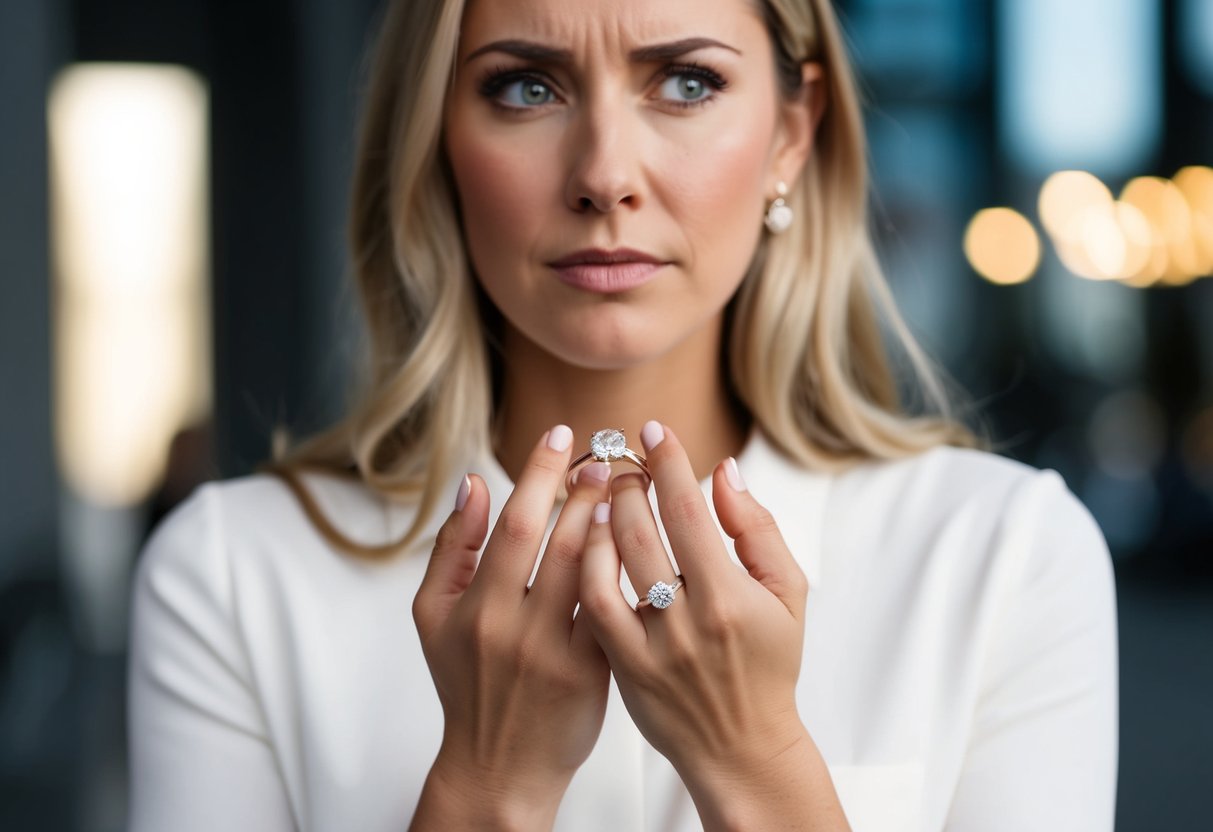
Understanding the rules around engagement rings can help ease the discomfort. If you’re in a state that sees the engagement ring as a gift meant for marriage, it’s typically expected to be returned if the marriage does not happen. However, some places might treat the ring as a gift regardless of the circumstances, adding complexity to the situation.
Considering the legal and emotional aspects can guide your decision. Whether it’s about keeping the ring or returning it, grasping the full picture will help you make the choice that feels right for you.
Legal Perspectives on Engagement Ring Ownership
When considering whether a wife should return an engagement ring, several legal factors come into play. These vary by state and can be influenced by the nature of the gift and any legal agreements established prior to the engagement.
Engagement Ring Laws and Precedents
Engagement ring laws differ across states. In many places, courts view the ring as a conditional gift. This means that if the marriage does not take place, the ring typically goes back to the giver. For example, in the case of Fierro v. Hoel in Iowa, it was determined that the engagement ring must be returned regardless of who initiated the breakup. Kansas also supports this view, ruling in Heiman v. Parrish that the ring is conditional on the marriage occurring. Specific legal precedents like these can impact the outcome in your situation.
Conditional Gift vs. Unconditional Gift
A key concept in engagement ring ownership is the distinction between conditional and unconditional gifts. A conditional gift is given with specific terms, typically that the couple will marry. If those terms aren’t met, the giver has the right to ask for the gift back. In contrast, an unconditional gift means it belongs to the receiver outright. Understanding this difference can clarify your rights regarding the ring. If you do not have a written agreement that states otherwise, many courts will lean toward the interpretation that engagement rings are conditional gifts.
Civil Code § 1590 and Its Implications
Civil Code § 1590 provides a legal framework regarding gifts. It indicates that a gift made with certain conditions may result in the return of the item if those conditions are not fulfilled. This is crucial in engagement situations. Under this code, the donor’s intent matters significantly. If you gave the ring with the understanding that marriage would follow, the legal implications of § 1590 suggest you might be entitled to get it back if the engagement is broken. Always check specific state laws, as they can vary and may add nuance to this code.
Relationship Dynamics and Ring Etiquette
When a couple breaks off an engagement, the question of what to do with the engagement ring often arises. Understanding the etiquette surrounding this decision is crucial, as it can reflect the dynamics of the relationship and the significance of the ring itself.
Engagement Ring Return Etiquette
Engagement ring return etiquette can vary widely. Generally, if an engagement ends, many believe the ring should be returned to the person who gave it. This idea is rooted in the belief that the ring represents a promise that is no longer valid.
In some cases, couples may agree informally on what to do with the ring. If the breakup is amicable, returning the ring might feel like the right thing to do. Yet, if emotions are running high, discussions about the ring can become contentious.
Interspousal Gifts and Symbolism
Engagement rings are seen as symbols of love and commitment. They are often viewed as interspousal gifts that hold deep meaning. Because of this symbolism, some individuals believe that the ring should remain with the recipient, even after a breakup.
If the ring is considered an unconditional gift, it may not need to be returned. Thinking about the intention behind the gift can guide your decision. Ask yourself if the ring was truly a gift or simply a token of an agreement that has now ended.
Emotional Considerations in Returning Engagement Rings
Returning an engagement ring is not just a matter of etiquette; it’s also tied to emotions. You might have strong feelings about the ring, as it often carries memories of happier times. Deciding to give it back can bring about feelings of loss or sadness.
On the flip side, keeping the ring might seem like a way to hold onto the past. You should consider how your decision could affect your peace of mind and future relationships. Talking openly with your ex about the ring can help ease tension and clarify expectations.
Financial and Property Considerations During Divorce
When navigating a divorce, understanding the differences between property types is essential. This knowledge affects how assets are divided and can influence decisions about items like engagement rings.
Separate Property vs. Marital Property
In divorce, assets are categorized as either separate property or marital property. Separate property refers to items owned by one spouse before the marriage or received as a gift or inheritance. This property typically remains with that spouse after divorce.
On the other hand, marital property includes assets acquired during the marriage, regardless of who holds the title. Most states follow equitable distribution or community property laws. Under equitable distribution, property is divided fairly but not necessarily equally. In community property states, assets are usually shared equally. Understanding these categories can help you identify what you may be entitled to during property division.
Engagement Rings in Divorce Settlements
Engagement rings can complicate divorce settlements. Generally, engagement rings are considered gifts given before marriage. In many jurisdictions, this means they are classified as separate property, belonging to the recipient.
However, some states take a different approach. For example, if the engagement ends due to the recipient’s actions, the donor may reclaim the ring. In contrast, if the donor breaks off the engagement, they may not have the right to ask for it back. You should check your local laws to understand how engagement rings are treated in divorce settlements.
Engagement Ring Value in Small Claims Court
If you believe you have a right to the engagement ring, you might consider taking the matter to small claims court. This option is often suitable if the ring’s value falls within the court’s limits. These limits typically range from $2,500 to $10,000 depending on the state.
In court, you will need to provide clear evidence of the ring’s value, along with proof of ownership and its significance in the relationship. Be prepared to present documents like receipts or appraisals. This process allows you to seek a fair outcome regarding the ring following a divorce.