
Should Wedding Bands Be Matching? Exploring Tradition and Personal Style
Choosing wedding bands can be an exciting part of your journey together. Many couples find themselves wondering if their rings should match. Matching wedding bands can symbolize unity and commitment, but it is not necessary for every couple. Your rings can reflect your individual styles and personalities.
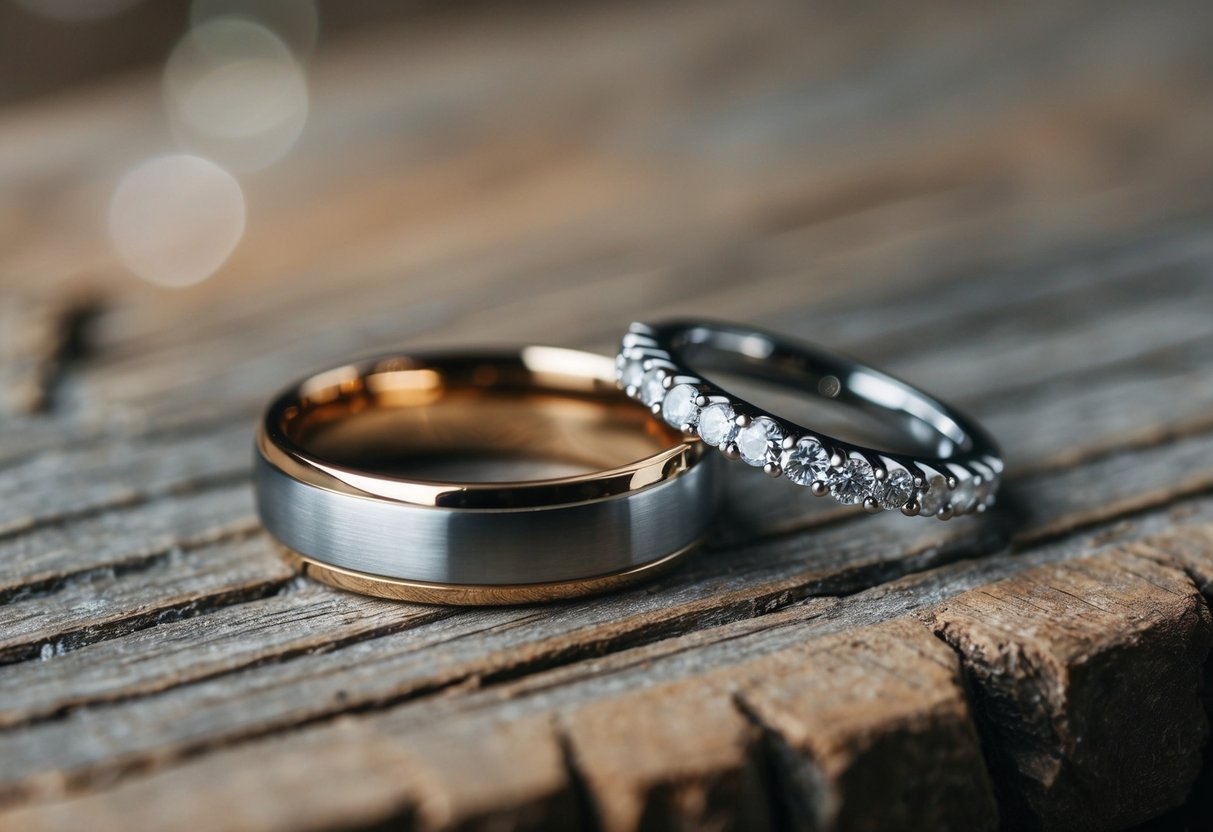
Traditionally, couples wore matching rings as a sign of their bond. Yet today, more options are available, allowing you to choose rings that express your unique identities. Whether you decide to match or to go for different styles, the most important thing is that the rings resonate with you both.
As you explore your options, consider what feels right for your relationship. Are matching bands a part of your vision, or do you prefer to showcase your individuality? This decision can be a meaningful part of your wedding experience, so take the time to find what truly fits you.
The Tradition of Wedding Bands
Wedding bands carry deep meaning and history. They are more than just pieces of jewelry; they symbolize your love and commitment. Understanding their significance helps you appreciate this beautiful tradition.
Symbolism of Wedding Rings
Wedding rings symbolize commitment and unity between partners. Their circular shape represents eternity, as they have no beginning or end. This signifies the never-ending love and connection you share with your partner.
Traditionally, couples exchange rings during the wedding ceremony. This act reinforces the bond you have. It shows your commitment to support and love each other. In various cultures, the hand on which you wear the ring also holds significance.
Many couples opt for matching wedding bands to symbolize their unity. Others choose different styles to express their individuality. Regardless of the choice, the important aspect remains the shared promise of love and devotion.
To Match or Not to Match
Choosing wedding bands is an important decision. You may wonder if your rings should match or reflect personal taste. Both options have their own benefits and considerations.
Pros and Cons of Matching Wedding Bands
Pros:
- Symbol of Unity: Matching wedding bands can represent your commitment as a couple. They show a united front in your relationship.
- Tradition: Many couples follow the tradition of matching bands, which may hold sentimental value for you.
Cons:
- Limited Individuality: If you both have unique styles, matching bands might not express your personal tastes adequately.
- Pressure to Conform: You might feel pressured to stick with tradition, even if you prefer to showcase your individuality.
When Individual Styles Take the Spotlight
Choosing non-matching wedding bands allows you to highlight your unique identities.
-
Personal Taste: You can select rings that truly reflect who you are. This could mean different metals, designs, or even gemstones.
-
Creative Freedom: You have the opportunity to choose a ring that resonates with your individual style. This can be a fun way to express your personality.
Many couples today embrace individuality, opting for unique rings that complement each other without matching directly. When you prioritize your personal tastes, your wedding bands can become a beautiful representation of both your union and your individual stories.
Factors Influencing Band Selection
Choosing wedding bands involves several important factors that can affect your decision. These include the materials used, how comfortable the rings feel, and your budget. Let’s explore each aspect in detail.
Material and Durability Considerations
When selecting your wedding bands, the material is a key factor. Common metals include gold, platinum, and tungsten. Each has its own advantages.
Gold is classic and can come in various colors, like yellow, white, and rose. Meanwhile, platinum is durable and more resistant to scratches, but it often comes with a higher price tag.
Tungsten is popular for its strength and scratch resistance, making it ideal for everyday wear.
If you consider mixing metals, think about how they complement each other. For example, a white gold band with rose gold accents can give a unique flair while maintaining durability.
Comfort and Design
Comfort is just as crucial as style. You want rings that you can wear daily without discomfort.
Look for styles with a rounded interior, as they feel smoother against your skin. Design elements vary greatly, so consider what fits your personality. Some prefer simple bands, while others love intricate designs with colored gems. You can also explore unique wedding bands that reflect your shared interests.
Be sure to try on different styles and widths. A thicker band might feel bulky, while a slimmer one could be more comfortable. Your wedding band should feel like a natural extension of you.
Budget and Value
Budget plays a significant role in your choice. Wedding bands can range from affordable to quite expensive based on materials and design.
Set a budget and stick to it, but consider what aspects you value most. Would you prefer a more durable metal or a unique design feature?
Remember, you can find value without sacrificing quality. Look for sales or consider alternative metals that fit within your budget. Finding the right balance will help you choose a ring you’ll love without breaking the bank.
Customization and Personalization
When it comes to wedding bands, customization and personalization play a key role in expressing your unique style. The options allow you to create rings that truly represent your relationship.
Crafting a Unique Wedding Set
Creating a unique wedding set means choosing designs and materials that resonate with you and your partner. You can select matching styles that share a theme, or even opt for two different designs that complement each other. Personalized engravings, such as initials or meaningful dates, can make your bands even more special.
Consider using different metals, like gold and platinum, which can lend individual character to each ring. Simple bands can be embellished with small stones or patterns to add a touch of flair. This customization reflects your love story and personal preferences, ensuring your rings stand out.
Mix and Match: Unifying Diverse Tastes
Mixing and matching your wedding bands allows for a balance between your personal styles. If you and your partner have different tastes, consider selecting rings that are distinct but share a common element.
For example, you might choose a simple band with a modern twist while your partner prefers a more classic design.
Exploring mismatched rings can also add a fun twist to your wedding planning. You could use complementary colors or textures to create harmony between the two rings. Compromise is key here; it helps ensure both of you feel represented in your unique wedding set.
This approach celebrates both of your individual styles while still uniting you as a couple.