
Should Wedding Cake Be 2 or 3 Layers? Exploring Your Perfect Wedding Cake Option
Choosing between a two-layer or three-layer wedding cake can feel overwhelming, but it doesn’t have to be. A three-layer cake is often the best choice for most weddings. It provides more servings and adds visual impact without overwhelming the design. This extra layer allows for greater creativity in flavors and fillings, which can make your cake even more memorable.
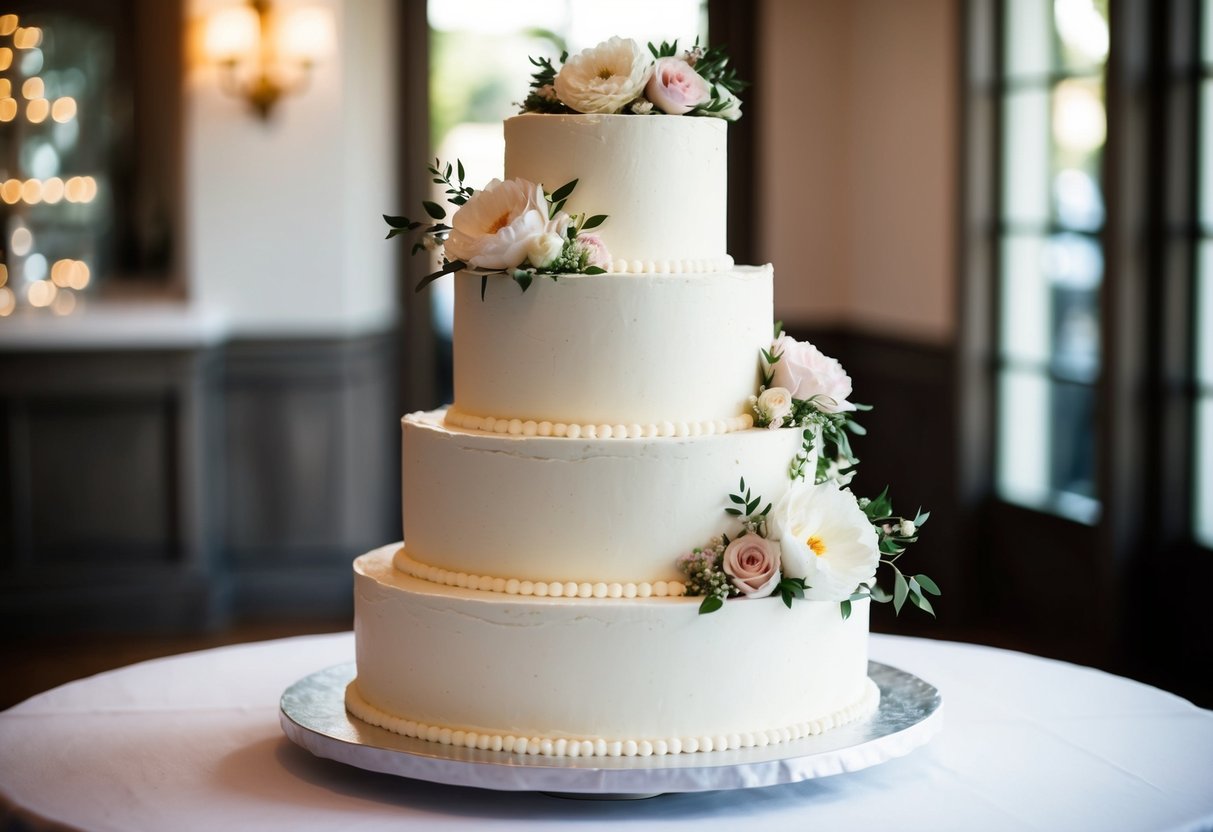
In deciding the right option for your special day, consider the size of your guest list and your overall wedding theme. A smaller wedding might be perfectly suited for a two-layer cake, while a larger gathering can benefit from the height and elegance of a three-layer design. Plus, a taller cake can create a stunning centerpiece on your dessert table.
Your cake should reflect your taste and style. Whether you choose two layers or three, make sure it fits seamlessly into your wedding vision while pleasing your guests.
Deciding on the Number of Layers for Your Wedding Cake

Choosing the right number of layers for your wedding cake is important. It affects not only the look of your cake but also how many guests it can serve. You’ll want to consider your guest count, your cake serving preferences, and your budget.
Understanding the Basics of Wedding Cake Layers
Wedding cakes typically have two or three layers, known as tiers. Each tier can consist of multiple cake layers, creating a tall and impressive look. A two-tier cake usually has a top tier and a larger bottom tier, while a three-tier cake adds an extra layer for height and decoration.
For example, a two-tier cake might have sizes like 6 inches and 8 inches, making it a good option for smaller weddings. On the other hand, a three-tier wedding cake allows for more creativity with flavors and designs. Each layer or tier adds to the overall aesthetic, giving you a grand cake that can still reflect your personal style.
Comparing Two-Tier and Three-Tier Wedding Cakes
When comparing two-tier and three-tier wedding cakes, consider the atmosphere you want to create. A two-tier cake is often simpler and is perfect for intimate settings, serving around 30-50 guests. It’s great when you want elegance without overwhelming your space.
A three-tier wedding cake can serve more guests, typically accommodating 75-100 attendees. This option often looks more visually stunning and allows for a variety of flavors in each tier. With each tier, you can also consider different fillings and decorations, making it a customizable choice that suits larger celebrations.
Considering the Guest Count and Portion Size
Guest count is a key factor in deciding how many layers your cake should have. For a wedding of 100 guests, a three-tier wedding cake usually works well. Each standard serving size is about 1 inch by 2 inches, so planning your layers carefully is essential.
You might choose to create larger tiers to serve more people. For example, a 10-inch bottom tier can feed about 38 guests, while a 10-inch combined with an 8-inch and a 6-inch tier can serve around 75-100 guests. By understanding portion sizes, you can ensure that everyone gets a slice of your beautiful cake.
Designing Your Wedding Cake

Creating the perfect wedding cake involves more than just choosing layers. You’ll want to think about design and how it fits your wedding theme. Customization options play a crucial role in bringing your vision to life.
Exploring Cake Design and Customization Options
When it comes to cake design, think about the colors and decorations that match your wedding theme. You can choose from simple patterns or elaborate floral designs.
Consider using fondant or buttercream for the finish. Fondant gives a smooth look, while buttercream can add texture.
You can also personalize your cake with custom toppers that reflect your relationship. Names, dates, or even a fun theme can add that unique touch.
Don’t forget about flavors! Popular ones like vanilla, chocolate, or red velvet can also be mixed. Make sure to offer options for your guests.
Selecting the Right Size and Shape for Your Cake
The size and shape of your cake are essential for both serving and display. A round three-tiered cake is classic and often fits weddings beautifully.
For smaller weddings, a 2-layer cake may be sufficient, but a 4-layer cake gives height and elegance.
Use cake pans of various sizes to create different tier levels. Round cakes are popular, but you might also consider square or hexagonal shapes for something unique.
Make sure the size matches your guest list. You don’t want to run out of cake or have too much left over.
Plan accordingly so that each tier serves enough guests. This will help make your cake both practical and stunning.
The Art of Cake Assembly and Presentation

When creating a stunning wedding cake, assembly and presentation are key. Knowing how to apply techniques like crumb coating and properly using cake boards can make your cake both beautiful and stable.
Mastering the Crumb Coat and Buttercream Frosting
Start with the crumb coat. This thin layer of frosting traps any crumbs, ensuring a smooth final look. Spread a light layer of buttercream frosting over the cake layers. Use an offset spatula for even coverage.
Chill the cake for about 30 minutes after applying the crumb coat. This helps set the buttercream, making it easier to apply the final layer. Once chilled, add a thicker layer of buttercream. You can smooth it with a bench scraper for a polished finish.
Consider using different colors or textures of frosting for a unique presentation. You could even pipe decorative borders or flowers to enhance the cake’s appearance.
Utilizing Cake Boards and Structure for Multi-Tiered Cakes
Choosing the right cake board is crucial for stability, especially for multi-tiered cakes. Each tier should rest on a sturdy board that can support its weight. You can use cardboard rounds or wooden boards for added strength.
When stacking, place dowel rods in the lower tiers to prevent crushing the cake beneath. Insert the rods just below the surface and cut them to the height of the cake. This gives each layer the support it needs.
Remember to use a level to align your tiers. A misaligned cake can look unprofessional. Finish the presentation with decorative elements like flowers or ribbons on the cake board. This not only adds visual flair but also ties the whole look together.