
Should Wedding Dress Be Tight or Loose? Finding Your Perfect Fit for the Big Day
Choosing the perfect wedding dress is a big part of your wedding planning. Many brides wonder whether their dress should be tight or loose. The ideal fit is snug but comfortable, allowing you to move freely while showcasing your beautiful silhouette.
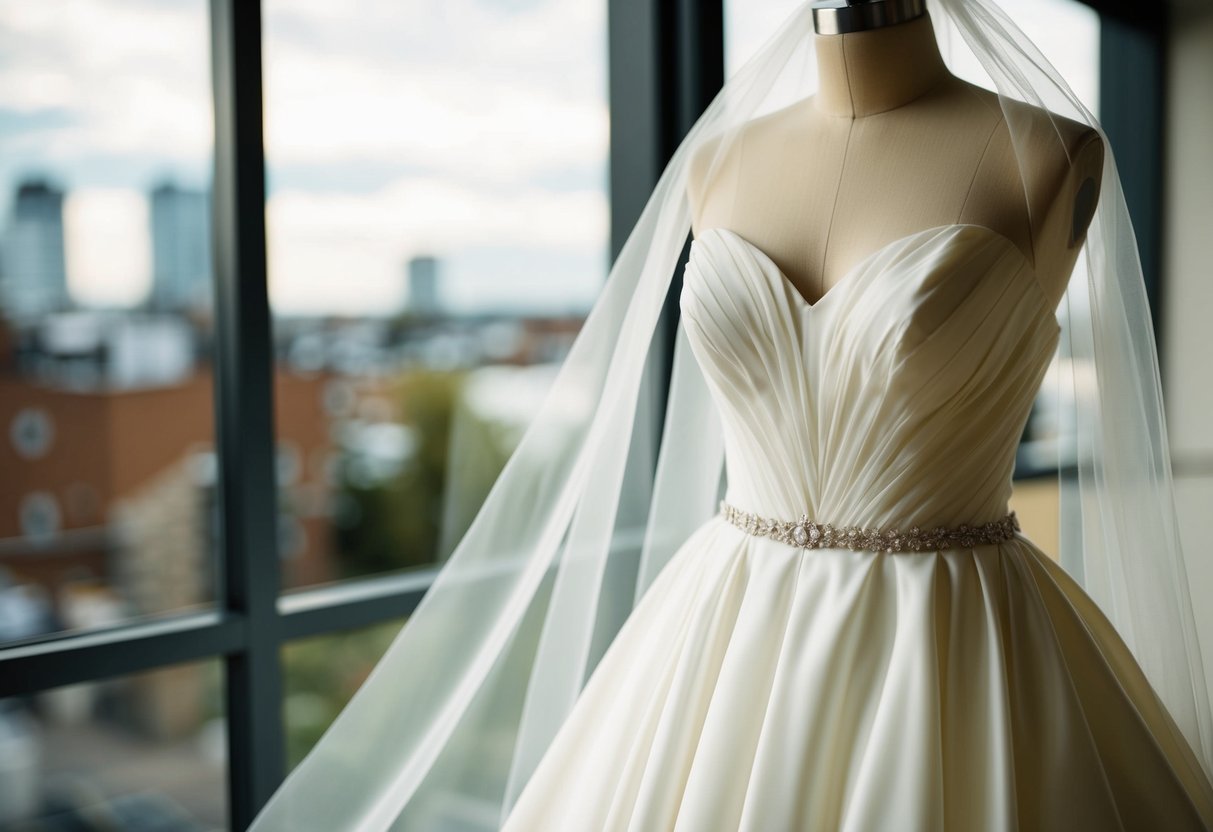
A dress that feels too tight can limit your movements and make you uncomfortable on your special day. Conversely, a dress that is too loose might not flatter your figure and can even lead to awkward moments. Finding the right balance will boost your confidence and help you shine as you walk down the aisle.
As you explore options for your wedding dress, remember that the fit is just as important as the style. A well-fitted dress will not only look stunning but also allow you to enjoy every moment of your celebration.
Determining the Right Fit for Your Wedding Dress
Finding the right fit for your wedding dress is essential for comfort and style. A well-fitted dress enhances your shape while allowing you to move freely. You want to feel confident and beautiful on your special day.
Understanding Bridal Sizing
Bridal sizing can be tricky, as sizes often differ from regular clothing. You may find that your dress size is larger than what you normally wear. This is normal, so focus on measurements rather than size labels.
When measuring for your dress, pay attention to your bust, waist, and hips. Consider going to a bridal shop for professional measurements. This helps you avoid common fitting issues and ensures you get a dress that truly fits your body.
Always check if the dress allows for adjustments. Many dresses come with a little extra fabric, which can be taken in or let out as needed. A fitted wedding dress should enhance your profile without being overly tight.
The Importance of Comfort and Ease of Movement
Comfort is key when choosing your wedding dress. You’ll want to move, dance, and enjoy your day without discomfort. A dress that is too tight can restrict your movement, making it hard to walk or sit comfortably.
Think about the type of undergarments and shapewear you plan to wear. Make sure they complement the fit of your dress and allow for easy movement.
This means choosing lightweight materials that won’t dig into your skin.
Another thing to consider is the overall style of the dress. A-line or ball gown styles usually offer more room for movement than body-hugging designs. Take your time trying on different styles to see which one feels best for you. Your wedding day should be all about joy, so ensure your dress helps you enjoy every moment!
The Role of Professional Fitting Services
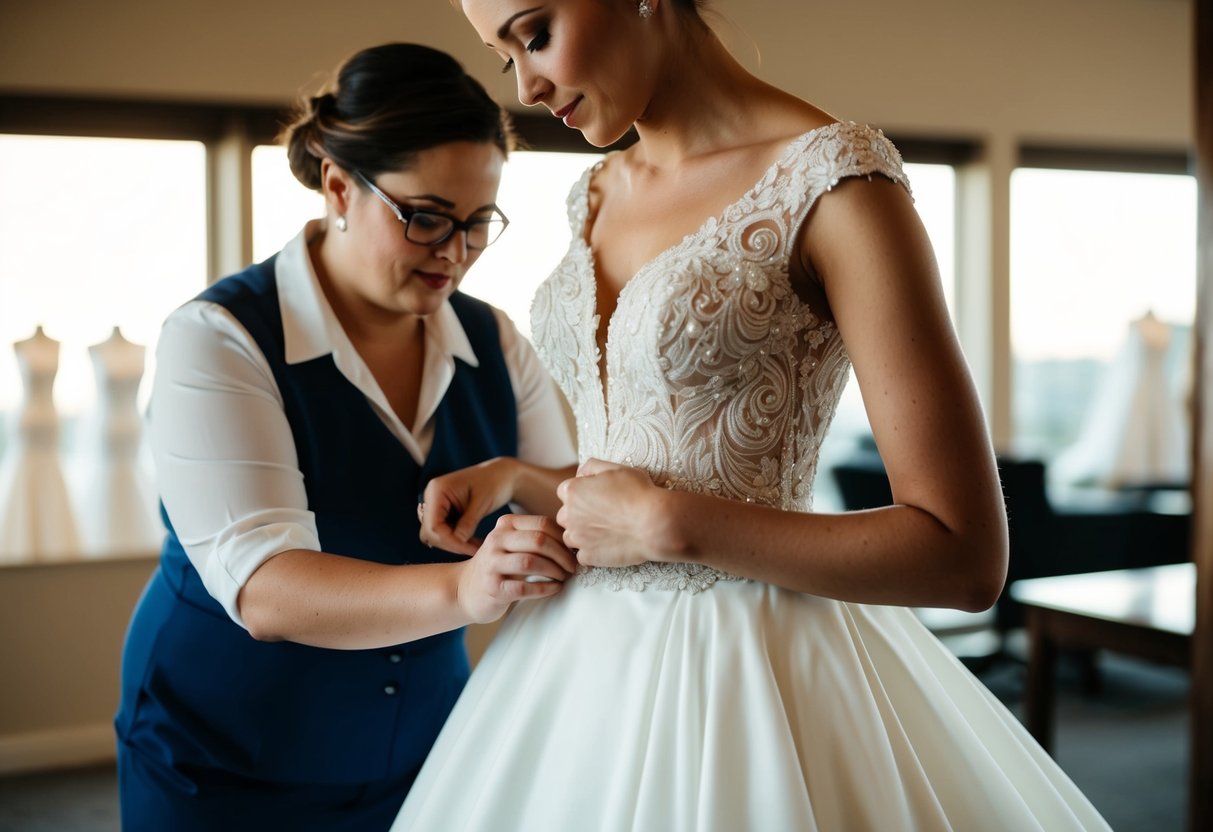
Professional fitting services are essential in ensuring your wedding dress fits perfectly. The right seamstress or tailor can make significant adjustments that enhance your comfort and style. They can help you achieve the look you desire, whether you prefer a tighter fit or a looser silhouette.
Choosing a Seamstress or Tailor
Selecting a skilled seamstress is crucial. Look for someone who specializes in wedding dress alterations. Check their reviews and ask for recommendations from friends or bridal shops.
When you meet with them, describe your vision. A professional will consider your body type and the dress style. They should also assess how the fabric behaves.
You can get a great fit by asking questions. Don’t be shy about discussing what you want. A true expert will guide you through the fitting options.
Scheduling Dress Fittings and Alterations
Once you have chosen your seamstress, scheduling fittings is your next step. Start alterations at least two to three months before your wedding. This gives time for adjustments.
Plan for at least two fittings. The first fitting will allow the seamstress to understand the changes needed. During the second fitting, you can check how well the adjustments worked.
Keep in mind that some alterations may require more visits. So, stay flexible with your schedule. This ensures your dress is just right for your big day.
Incorporating Undergarments and Shapewear
Don’t forget about undergarments and shapewear when planning your fittings. These items can greatly influence how your dress fits and looks.
Make sure to bring the specific undergarments you plan to wear on your wedding day, including bras and shapewear. This helps your seamstress or tailor create the best adjustments.
Discuss how these fit under your dress. Together, you can find the right balance between support and comfort. This can also help you feel more confident in your final look.
Specific Dress Types and Fitting Considerations
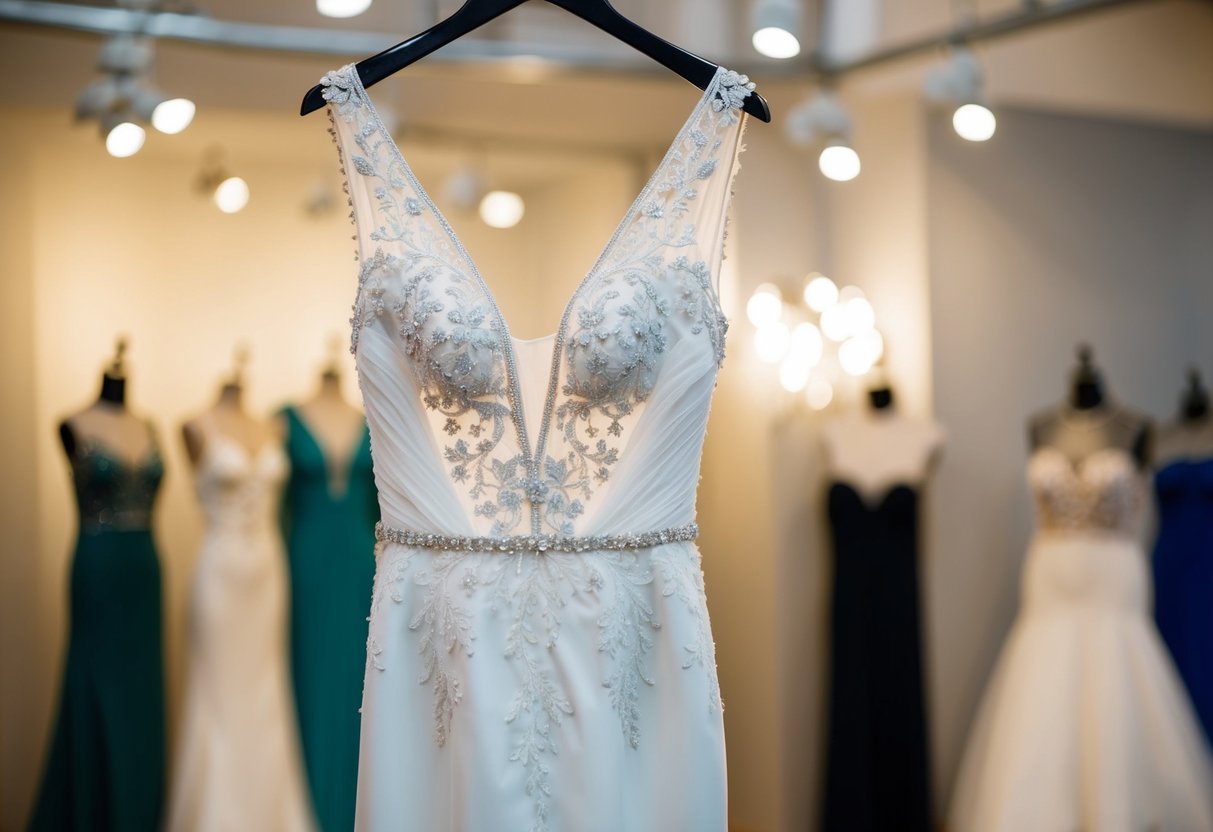
When choosing your wedding dress, fitting plays a crucial role, especially for specific styles. Understanding how different dress types fit can help you make the best choice for your special day.
Working with Strapless and Corset Styles
Strapless dresses can be stunning, but they require careful fitting to stay in place. Ensure your strapless dress fits snugly around your bust and upper back. This will help avoid any slipping or discomfort during your big day.
A corset style gives extra support and can create a beautiful silhouette. When trying on a corset dress, pay attention to how tightly it laces up. It should feel snug but not restrictive. Aim for comfort, as you’ll want to move freely while celebrating with loved ones.
Modifying Gowns with Adding Sleeves
Adding sleeves to a gown can change its look and feel dramatically. If you’re keen on sleeves, consider how they will affect the dress’s fit.
They should enhance your arms without making them feel pinched or tight.
For a loose, airy feel, opt for lightweight fabrics like lace or tulle. This option provides a romantic touch while ensuring comfort.
Ensure that any modifications keep the overall balance of the gown in mind. An experienced seamstress can help you achieve the perfect fit by adjusting the armholes as needed. This attention to detail will help your dress look and feel amazing on your wedding day.
Finalizing Your Dress: Tips for Last-Minute Fitting
As the big day approaches, the last fitting is key to making sure your wedding gown looks perfect. Here are some tips to help you enjoy the experience.
-
Schedule Early: Book your final fitting 2-4 weeks before the wedding. This gives time for any last-minute adjustments by your bridal consultant.
-
Dress Comfortably: Come in with your chosen shoes and undergarments. This helps the consultant get the fit just right.
-
Communicate Clearly: Share any concerns with your consultant. Whether you want your dress tighter or looser, it’s important they know what you want.
-
Stay Flexible: Your body may change slightly before the wedding. Be open to adjustments if necessary.
-
Check Every Angle: Look in the mirror from all angles. Make sure the dress fits well and feels comfortable.
-
Practice Moving: Walk around and sit down in the gown. This ensures you can move easily during the ceremony and reception.
-
Trust the Process: Remember, you’re working with professionals. Enjoy the moment and trust your bridal consultant’s expertise.