
Should Wedding Guest Lists Be Even? Exploring the Pros and Cons
Creating a wedding guest list can be both exciting and stressful as you navigate who to invite to your special day. While balancing this guest list, you might wonder if it should be even. An even wedding guest list can help create a comfortable atmosphere and avoid any awkwardness, especially during dances or table settings.
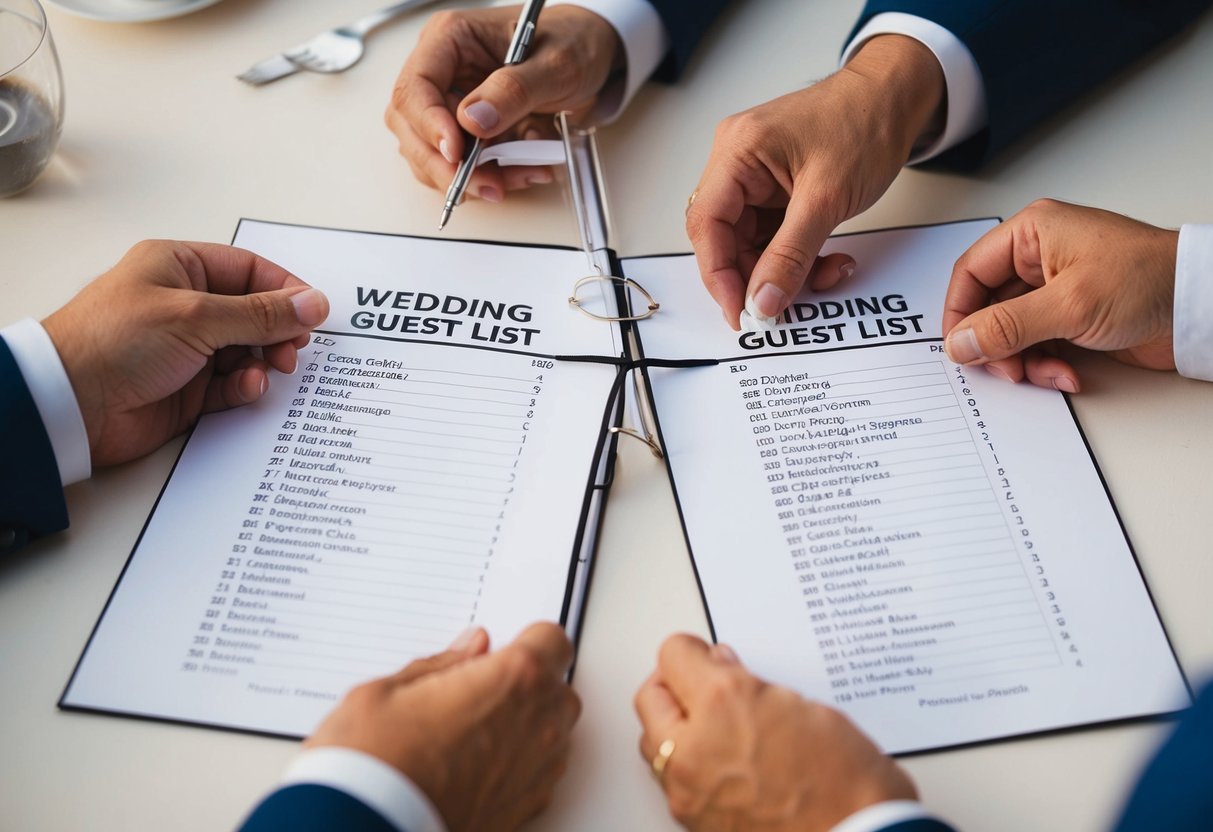
As you plan your wedding, think about the dynamics of your friends and family. An uneven guest list might lead to situations where one partner feels outnumbered or uncomfortable. Focusing on guest list etiquette means considering how everyone will feel on your big day, ensuring everyone enjoys themselves without feeling left out.
Creating Your Wedding Guest List
Creating your wedding guest list is an essential step in planning your big day. It involves thoughtful consideration of who to invite and how to balance different groups of people in your life. Here are some important points to think about as you start.
Determining the Size and Scope
First, consider the size of your wedding. How many guests can your venue accommodate? Make a budget that outlines how many people you can invite without overspending.
Start by listing everyone you want to invite. This includes immediate family, close friends, and other loved ones. You might want to narrow this list later based on space and budget.
You can break your list into categories for better organization. For instance, separate your list into family, friends, and coworkers. This can help you visualize the mix of guests and adjust numbers if necessary.
Balancing Family and Friends
A tricky part of your guest list is balancing family and friends. You might feel pressured to include a lot of extended family, but remember that your wedding is about you and your partner.
Make sure to invite your immediate family first. After that, think about close friends. If you have room, consider inviting a few extended family members.
It can be helpful to ask your parents for their input. This may ease pressure while ensuring you honor family relationships. Just be clear about your overall guest count to avoid misunderstandings.
Considering Coworkers and Acquaintances
Deciding whether to invite coworkers can be challenging. If you have a friendly relationship with them and feel comfortable, consider including some. Typically, if you invite one coworker, it’s polite to invite the entire team or department.
Think about inviting work friends you socialize with outside of the office. This can make your work life feel more connected to your personal life.
On the other hand, if you prefer keeping work separate, that’s completely okay too. The focus should be on the people who matter most to you on your special day.
The Role of Plus-Ones
Plus-ones can add complexity to your guest list, but they are often a necessary part of wedding planning. For couples engaged in serious relationships, make sure to extend invites to their partners.
Decide if you want to offer plus-ones to single friends as well. This can be a nice gesture, but it’ll increase your guest count.
Be mindful of the overall count when giving plus-ones. You want to keep the balance between your close circle and casual acquaintances.
Managing the Wedding Budget

Managing your wedding budget is essential for a successful celebration. Understanding the costs associated with your guest list can help you allocate resources wisely and avoid any surprises.
Allocating Funds for Guest-Related Expenses
Start by identifying all the expenses tied to your guests. This includes catering, drinks, seating, and any extras like favors. Create a detailed list of these expenses to clearly see where your money is going.
For example, you might spend around $50-$150 per guest on food and drinks alone. This number can change based on your choices. Allocate your budget accordingly and stay within your limits. Keep in mind that more guests will lead to higher costs, especially if your venue has limitations on capacity.
Guest List Size vs. Wedding Costs
The size of your guest list directly affects your total wedding costs. A larger guest count can quickly inflate your budget.
Here’s a simple breakdown:
- Small Wedding (up to 50 guests): Costs can range from $5,000-$15,000 depending on your choices.
- Medium Wedding (50-150 guests): Expect costs to rise to about $15,000-$30,000.
- Large Wedding (150+ guests): Costs often exceed $30,000, especially with venues and catering.
Balancing your guest list and your budget is crucial. Aim for a count that fits comfortably within your overall spending plan to avoid stress later.
Budget Tips for Guest List Decisions
To help you navigate guest list decisions:
- Make a Prioritized List: Start with close family and friends. Once that list is complete, add other acquaintances if your budget allows.
- Consider the Venue: Ensure the venue can accommodate your desired guest count without straining your budget.
- Be Honest About Your Limits: Communicate openly with family members about your budget constraints. They may have valuable input on who should be invited.
By following these tips, you can make informed decisions about your guest list that align with your wedding budget.
The Dynamics of Family and Guest Considerations
When planning your wedding guest list, you will face important considerations regarding family dynamics and personal preferences. Balancing relationships and setting boundaries can make this process smoother and more enjoyable for everyone involved.
Navigating Sensitive Family Situations
Family dynamics can be complex, especially during significant events like weddings. It’s essential to approach these situations with care.
Start by identifying any potential conflicts or sensitive topics that may arise among family members. This could include past disagreements or complicated relationships.
Communicate openly with your family to understand their feelings. This helps you navigate conflicts and set boundaries as needed.
Consider involving family members in decisions regarding the guest list. This shows respect and can reduce tensions. Ultimately, aim to create an environment where everyone feels included and valued.
Deciding on Children at the Wedding
Another factor to consider is whether to invite children. This choice can significantly affect the guest list and can reflect your personal preferences.
If you decide to include children, think about how to accommodate them. This could mean providing kid-friendly food, activities, or designated childcare areas.
On the other hand, if you want an adult-only event, communicate this clearly on your invitations. You could use phrases like “adults only” to set expectations.
Be prepared for some guests to have mixed reactions. Ultimately, choose what feels right for you and your partner, keeping everyone’s comfort in mind.
Honoring Relationships with Intimacy
Your wedding is a special day, and honoring your closest relationships is important. This means considering the intimacy of your guest list.
Focus on inviting people who genuinely support your union. This could include close family, friends, and other important individuals in your lives.
When creating your list, reflect on the nature of your relationships. You might choose to limit the number of plus-ones to keep the atmosphere cozy and personal.
This thoughtful approach helps ensure that your day feels intimate. It also allows you to spend quality time with those who matter most to you.
RSVPs, Seat Assignments, and Day-of Details
Managing RSVPs and seat assignments is essential for a successful wedding day. Clear communication and organized plans can help ensure every guest feels welcome and comfortable. Let’s explore how to track RSVPs, create seating arrangements, and prepare for the day.
Tracking and Organizing RSVPs Efficiently
Keeping track of RSVPs can be straightforward with a system in place. Start by sending out wedding invitations that include RSVP cards for easy responses. Set a deadline for replies and use a spreadsheet or an event planning app to record responses.
Include details like dietary preferences and any plus-ones on your list. Regularly check in with guests who haven’t responded. A friendly reminder can encourage them to RSVP. This proactive communication helps you finalize your guest list and manage your seating chart smoothly.
Essentials of Seating Arrangement
Creating a seating arrangement is where your planner skills come into play. Consider whether you want assigned seating or open seating.
Assigned seating helps avoid confusion. It also allows you to group friends and family based on social circles, making it easier for everyone to mingle.
When designing your seating chart, think about relationships and any potential conflicts. Use a map of the venue layout and label tables clearly.
Technology can help, as some tools let clients create their seating charts digitally. This way, guests can easily find their places on the wedding day.
Final Touches for a Smooth Wedding Day
As the wedding day approaches, finalize all details related to RSVPs and seating. Make sure you have a complete list of attendees.
Print out the seating chart and place it at the entrance. This way, guests can find their tables easily.
Consider assigning a coordinator or friend to assist guests during the seating process. Their help can make transitions smoother.
Finally, prepare for any last-minute changes, like unexpected guests who may show up. A bit of flexibility can go a long way in keeping the day enjoyable for all.