
Should Wedding Guests Be 50/50? Exploring Fairness in Guest Contributions
When planning your wedding, one big question often arises: should your wedding guest list be split 50/50? This decision can greatly affect the mood and size of your event. Understanding how to share the guest list can help you keep peace between families and ensure everyone feels included.
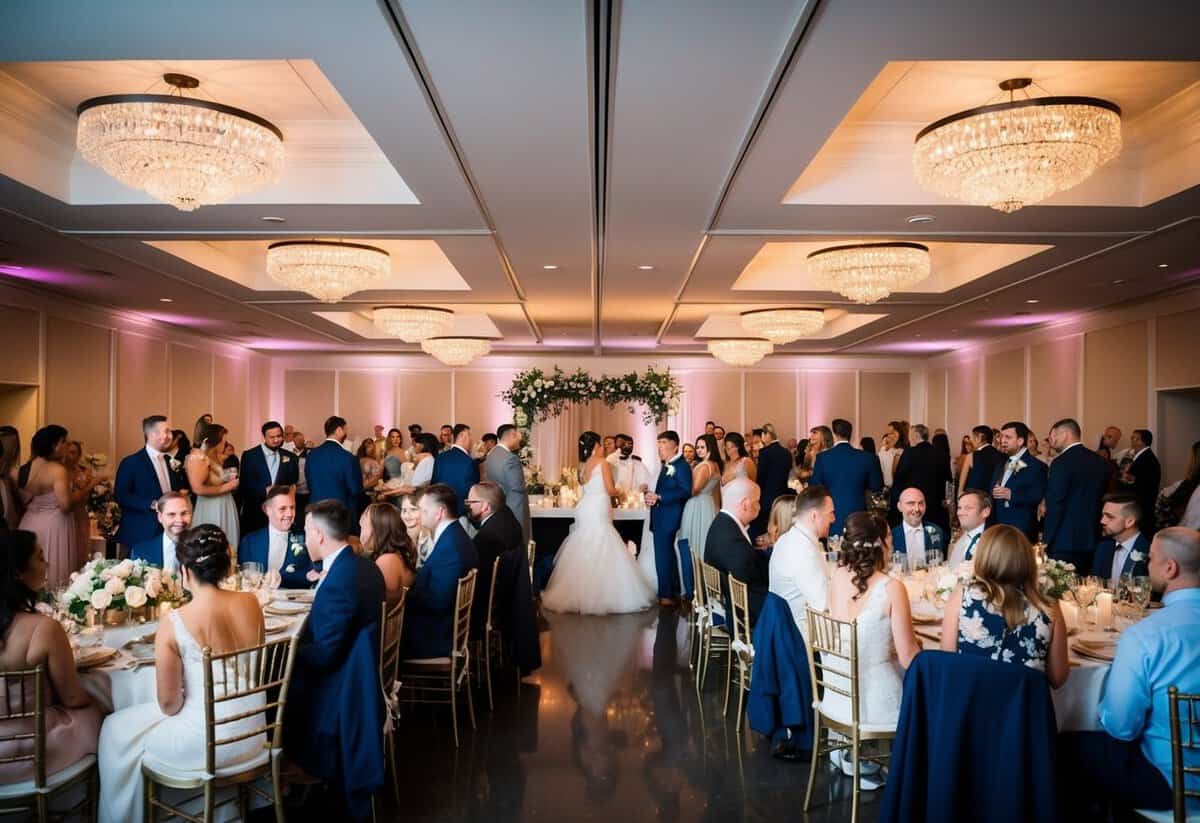
In many cases, a 50/50 split makes sense, especially if you and your partner come from similar-sized families. It allows each of you to have a say in who is invited, creating a balanced atmosphere. However, if one side has a larger family or more close friends, this approach may need some adjustments during your wedding planning.
The key is communication. Discuss the guest list openly with your partner and families to find a solution that works for everyone. The goal is to create a joyful celebration with loved ones, whether that means sticking to a strict 50/50 split or finding another fair way to divide the invites.
Determining Your Ideal Wedding Size
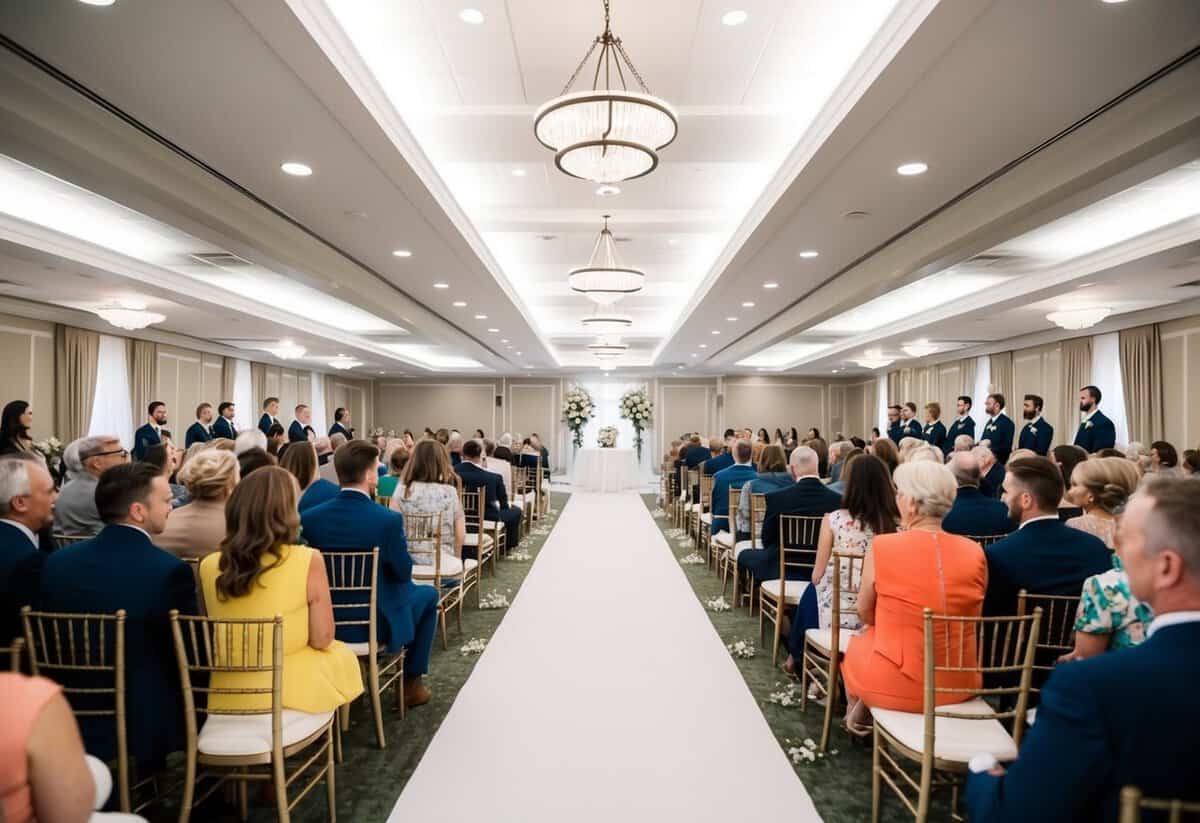
Finding the right wedding size is important to ensure your special day reflects your dreams. Balancing your vision with practical factors like budget and venue can help you make the best decision.
Assessing Your Vision
Start by imagining your perfect day. Do you see a lively celebration with many guests or a cozy gathering with close family and friends?
An intimate wedding, often involving fewer than 50 guests, allows for meaningful connections. On the other hand, a large wedding can create a vibrant atmosphere with many voices and laughter.
Consider the setting, too. If you’re dreaming of a destination wedding, a smaller size might be easier to manage with travel arrangements. Think about your must-have guests and how their presence will shape your day.
Understanding the Impact of Wedding Size
Your choice of wedding size affects several key aspects, including your wedding budget. The average wedding size typically falls between 130 to 150 guests. However, each additional guest can add significantly to costs like catering and venue rental.
Smaller weddings also allow for unique experiences, like personalized decorations and memorable activities. You can invest more in quality rather than quantity, ensuring every detail stands out.
Lastly, consider how your guest dynamics may shift with size. Knowing that various family and friends will interact differently can help you find the ideal balance.
Crafting the Perfect Guest List
Creating the right guest list is essential for your wedding. You want to ensure a balance between family and friends while also honoring important relationships. Below are key points to consider for a successful guest list.
Creating a Balanced Guest List
Start by deciding how you want to divide your guest count. A common approach is creating an A-list and B-list.
A-list: Include your immediate family and close friends. These are the people you can’t imagine celebrating without.
B-list: Consider inviting colleagues, acquaintances, and more distant relatives. Once you have your A-list confirmed, you can then add B-list guests if space allows.
It’s important to communicate with your partner about your choices. Open discussions will help you both agree on who really matters to you and who should be invited.
Incorporating VIPs and Plus-Ones
Your wedding party should be at the top of the VIP list. Make sure to invite them, as they play a key role in your day.
Don’t forget about plus-ones for your single friends. Allowing them to bring a date can help them enjoy the wedding more. Consider setting some guidelines:
- Long-term partners should get a plus-one.
- For friends you know well, a plus-one can also be a nice gesture.
This helps ensure your celebration feels inclusive.
Guest List Rules and Etiquette
When building your guest list, etiquette matters. Here are some rules to follow:
- Be mindful of numbers: You may have a strict guest count based on your venue.
- Avoid guilt invitations: Don’t feel pressured to invite distant relatives or friends you haven’t spoken to in years.
- Communicate respectfully: If anyone asks to be invited or gives you a hard time, kindly explain your choices.
Respect these guidelines to keep your planning smooth and joyful. Remember, this day is about you and your partner, so focus on who matters most to both of you.
Navigating Logistics and Budget
Managing costs and organizing seating can be tricky when planning your wedding. You’ll want to make smart choices to keep expenses in check and ensure guests feel comfortable in their arrangements.
Managing Wedding Costs
First, outline your wedding budget. This helps you see where your money will go. A typical budget includes:
- Venue: About 50% of your total costs.
- Catering: Typically 20-30%. You can choose a buffet or plated meal to save money.
- Attire and Accessories: Allocate around 7% for the wedding dress, suit, and accessories.
Consider ways to save. You might opt for a budget wedding venue or choose a date that’s off-peak. DIY elements like decorations can also cut costs.
Finally, keep track of your final headcount; this impacts catering costs directly. Your goal is to balance dreams with budget realities.
Planning Seating Arrangements
Creating a wedding seating chart is essential for a smooth reception. Start by knowing your final headcount. This affects table setup and catering arrangements.
Decide on seating styles. Round tables encourage conversation, while long tables create a communal feel.
When placing guests, think about relationships. Keep friends together, and separate anyone who might clash.
Creating a digital chart can help you visualize placements easily. This way, you can adjust easily if needed. It not only improves guest experience but also ensures everyone has a tailored spot during the celebration.
Ensuring a Joyful Celebration
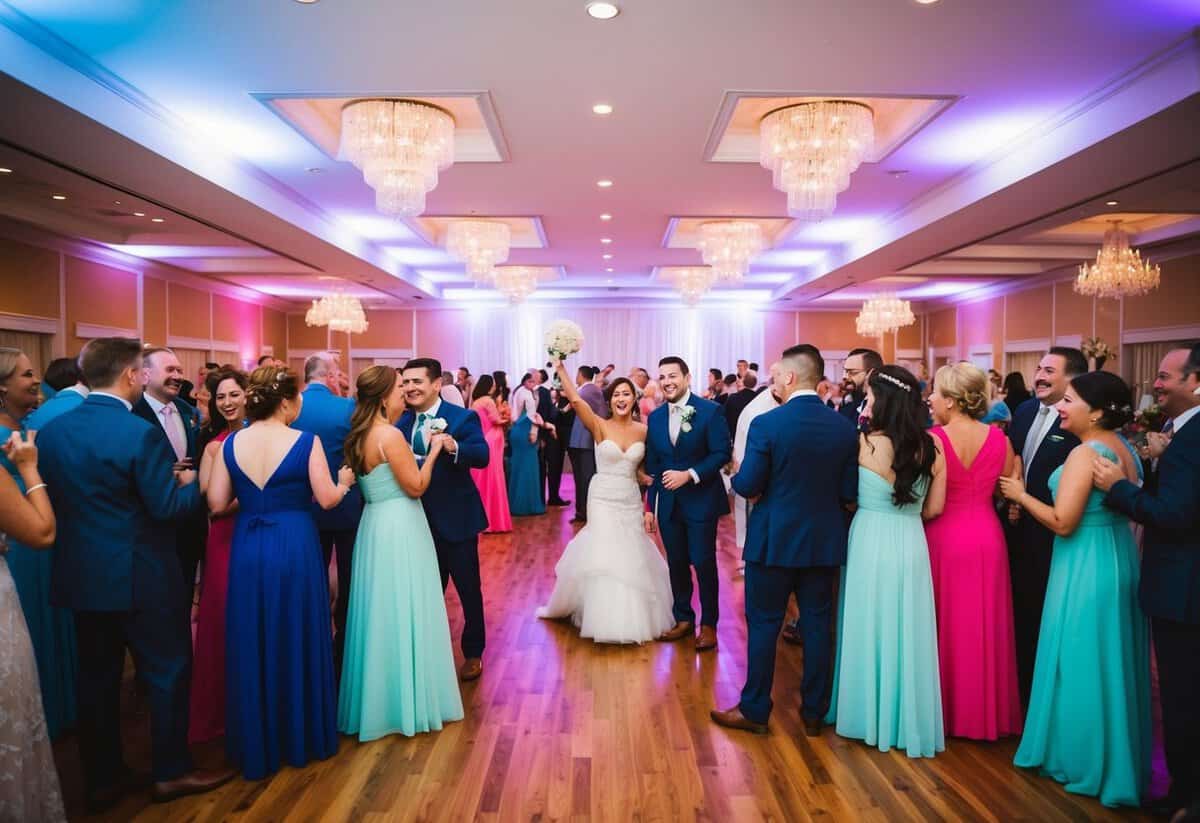
Creating an atmosphere that fosters happy memories is essential for your wedding festivities. You want both you and your guests to enjoy this special day. Key aspects include thoughtful planning and effective communication to ensure everyone feels included and valued.
Creating Happy Memories for Everyone
Your wedding is a time for joy, and creating happy memories starts with your guest list. Consider keeping the number of guests manageable, so you can spend quality time with each person. This makes your celebration feel more intimate.
Engage your guests with personal touches like custom drink menus or heartfelt welcome notes. Coordinate with your bridesmaids to involve them in fun activities that will make everyone feel at home.
Encouraging your guests to mingle can also enhance the festive spirit. Incorporate activities that bring people together, like group games or a photo booth to capture the moment.
Encouraging RSVPs and Finalizing Headcount
Getting accurate RSVP cards back from your guests is vital. Finalizing the headcount is crucial for catering and seating arrangements. You can simplify the process by including clear instructions in your wedding invitations.
Consider sending reminders as the date approaches. A friendly text or email can prompt your guests to respond. This ensures you have an accurate list and helps limit wedding guests to those who truly matter.
Keeping track of numbers also helps your budget. With a clearer headcount, you can allocate resources better. This ensures all guests enjoy delicious meals and memorable experiences. Taking these steps will go a long way in crafting a joyous celebration.