
Should Wedding Invitations Be Mailed or Emailed? Exploring the Best Options for Your Big Day
As you plan your wedding, one big question may pop up: should you mail or email your invitations? The choice can feel overwhelming, especially with so many factors to consider.
Mailing traditional paper invitations often adds a touch of elegance, making your guests feel special. Meanwhile, emailing can be quick and practical for an informal celebration.
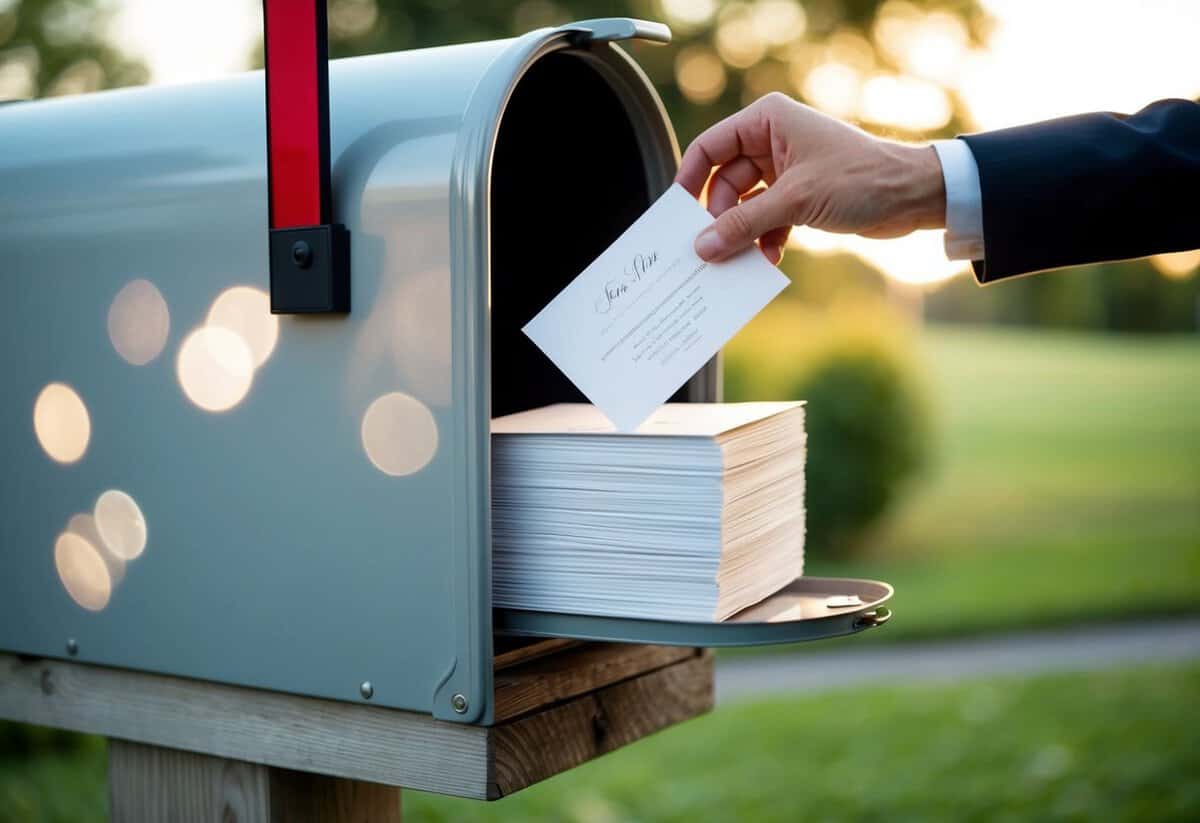
Think about your guest list and the tone of your wedding. If you’re inviting a close-knit group for a casual gathering, emailed invitations might work perfectly. On the other hand, if you’re hosting a formal event, you might want to consider the charm of mailed invitations.
Choosing between mailed and emailed invitations doesn’t have to be stressful. Understanding the pros and cons of each option can help you make the best decision for your big day.
Wedding Invitation Essentials
Planning your wedding invitations involves key steps that set the tone for your special day. You’ll need to decide between mailed or emailed invitations, understand etiquette, and consider sending save-the-dates for better organization.
Choosing Between Mailed and Emailed Invitations
When it comes to wedding invitations, you might wonder whether to send them by mail or email. Mailed invitations are more traditional and often feel more personal. They allow for beautiful designs and include all necessary information, like the wedding date, venue, and RSVP details.
Emailed invitations can be convenient and cost-effective. They are suitable for informal weddings and can easily link to a wedding website. If you choose to go digital, ensure the design reflects the tone of your event. Also, consider the preferences of your guests; some may appreciate a physical invite over an email.
Understanding Wedding Invitation Etiquette
Following wedding invitation etiquette is crucial for creating a welcoming atmosphere. It’s best to send wedding invitations about 6-8 weeks before your big day. This timeline gives your guests enough time to RSVP.
Include an RSVP card with your invitation, making it easy for guests to respond. Also, use an inner envelope to provide an extra layer of detail, like addressing specific family members. Avoid using email for formal invitations unless it’s a last-minute situation. For traditional events, a mailed invitation is typically the safer choice.
The Importance of Save-the-Dates
Save-the-dates are a helpful tool in wedding planning. These brief notices inform guests about your wedding date and location well in advance. Sending save-the-dates, especially for destination weddings, helps guests plan accordingly.
You can send them as postcards, digital invitations, or even a simple email. Make sure to include your wedding website link for additional details. By doing this, you give guests a heads-up and can improve your overall RSVP response rates.
Details to Include in Your Wedding Invitations
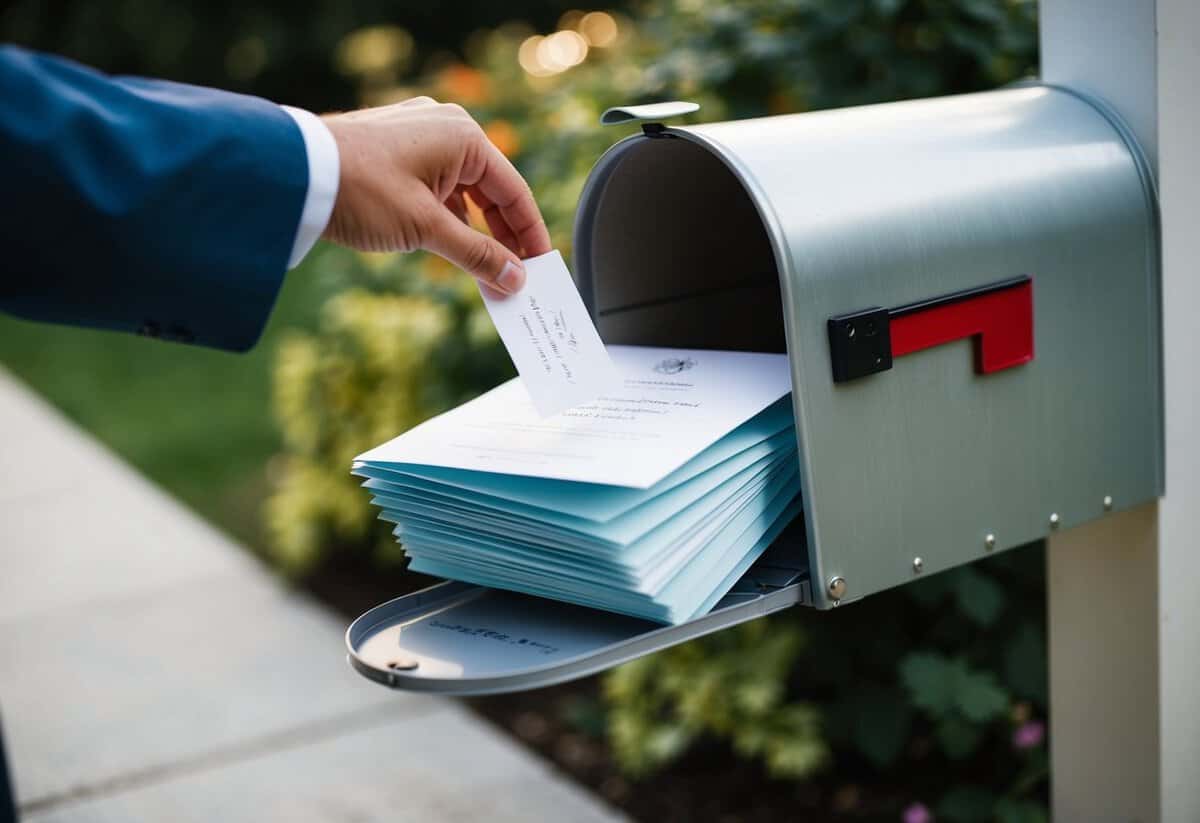
When planning your invitations, it’s important to include essential details that will help your guests feel prepared and excited for your special day. Make sure to cover information relevant to out-of-town guests and specific details about the wedding reception.
Information for Out-of-Town Guests
If you have guests traveling from far away, provide helpful information to ease their journey. Include the name and address of nearby hotels along with details like special rates or room blocks you arranged.
You might also want to add transportation options, such as shuttle services from hotels to the venue. If there are any local attractions, mention them to encourage guests to enjoy their stay.
Be sure to include an RSVP card or instructions for a digital invite with a clear deadline. This helps you plan for seating and meals, ensuring everyone feels welcomed.
Details of the Wedding Reception
Your wedding reception details should be clear and inviting. Start with the date, time, and venue information after the ceremony. For example, you can say, “Join us for the reception to follow at [Venue Name] at [Time].”
Don’t forget the dress code. Whether it’s formal, semi-formal, or casual, let your guests know how to dress for the occasion. This ensures everyone feels comfortable and appropriate.
Additionally, provide information on food and drinks that will be served. If you’re planning a seated dinner or buffet, including this detail could enhance your guests’ expectations. Remember to make it easy for them to RSVP, so you can look forward to celebrating together!
Timing Your Wedding Invitations
Getting the timing right for your wedding invitations is crucial for ensuring your guests can join your celebration. Understanding when to send invitations and considering any special aspects, like a destination wedding, will help keep everything on track.
Ideal Timeline for Sending Invitations
Start by planning when to send your wedding invitations. It’s best to mail them six to eight weeks before the big day. This allows your guests enough time to respond and make plans.
If you’re sending save the date cards, aim to send those out six to twelve months in advance. This is especially important for guests traveling from afar. Consider using a checklist to keep track of what to send and when, such as:
- Save the Date Cards: 6-12 months before
- Wedding Invitations: 6-8 weeks before
Additional Considerations for Destination Weddings
When planning a destination wedding, you need to consider timing. You want to give your guests ample notice to book travel and accommodations.
For destination weddings, you should send out save the date cards at least 8-12 months in advance. This helps guests secure flights and hotels.
As for the formal invitations, aim to send them about three months before your wedding. Include all necessary details such as location, travel tips, and local attractions.
A well-thought-out timeline for your wedding invitations ensures that your guests feel informed and excited to celebrate with you.