
Should Wedding Place Cards Be Individual or Couple? Tips for Personalization and Guest Comfort
Choosing between individual or couple place cards can be a tough decision for your wedding. The best approach often depends on your guest list and the vibe you want to create.
If most of your guests are paired up, using one card per couple can be a great way to save time and resources.
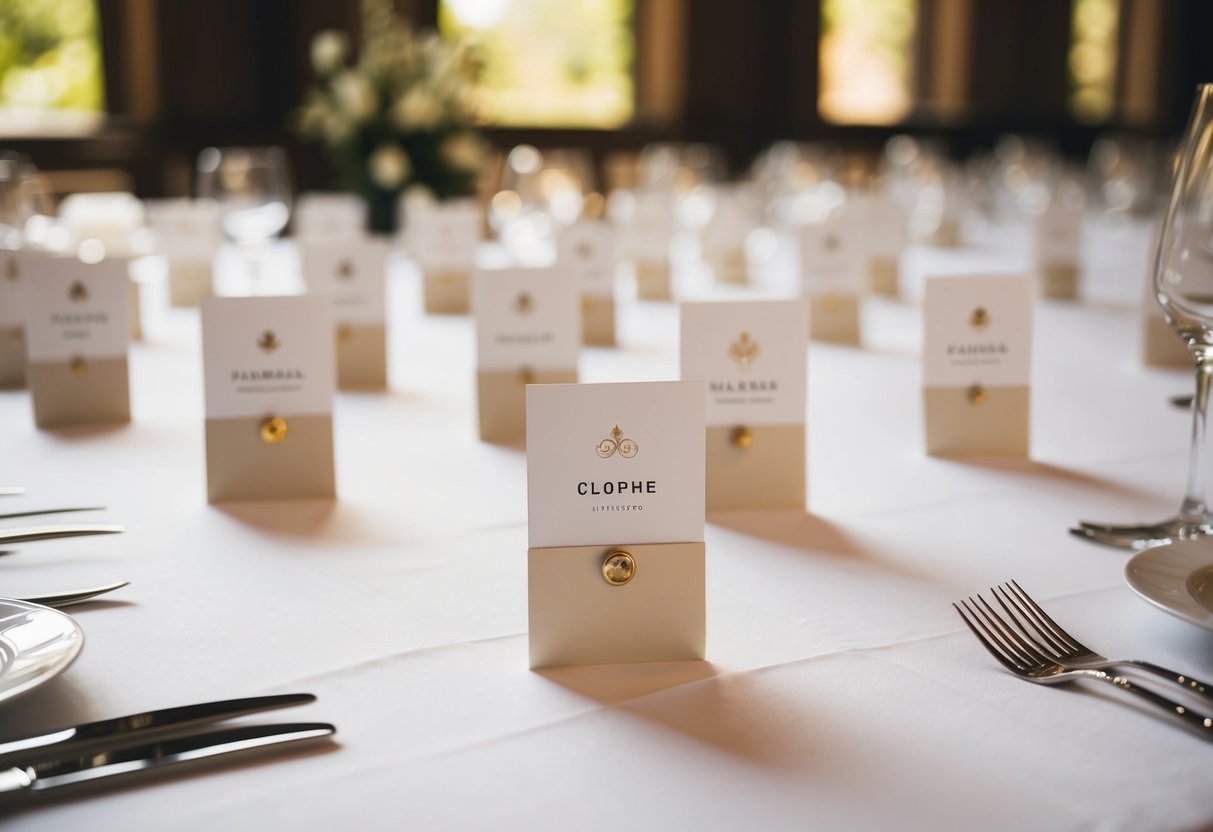
On the other hand, having individual place cards can make each guest feel more special and included. It’s a nice touch, especially if you have many single guests who might appreciate having their own personal card. The choice also allows for creativity, as you can incorporate personalized details that reflect your guests’ personalities.
As you plan, it’s helpful to consider what feels right for your occasion. Think about your guests and the overall atmosphere you want to create at your wedding!
Considering the Pros and Cons of Individual vs. Couple Place Cards
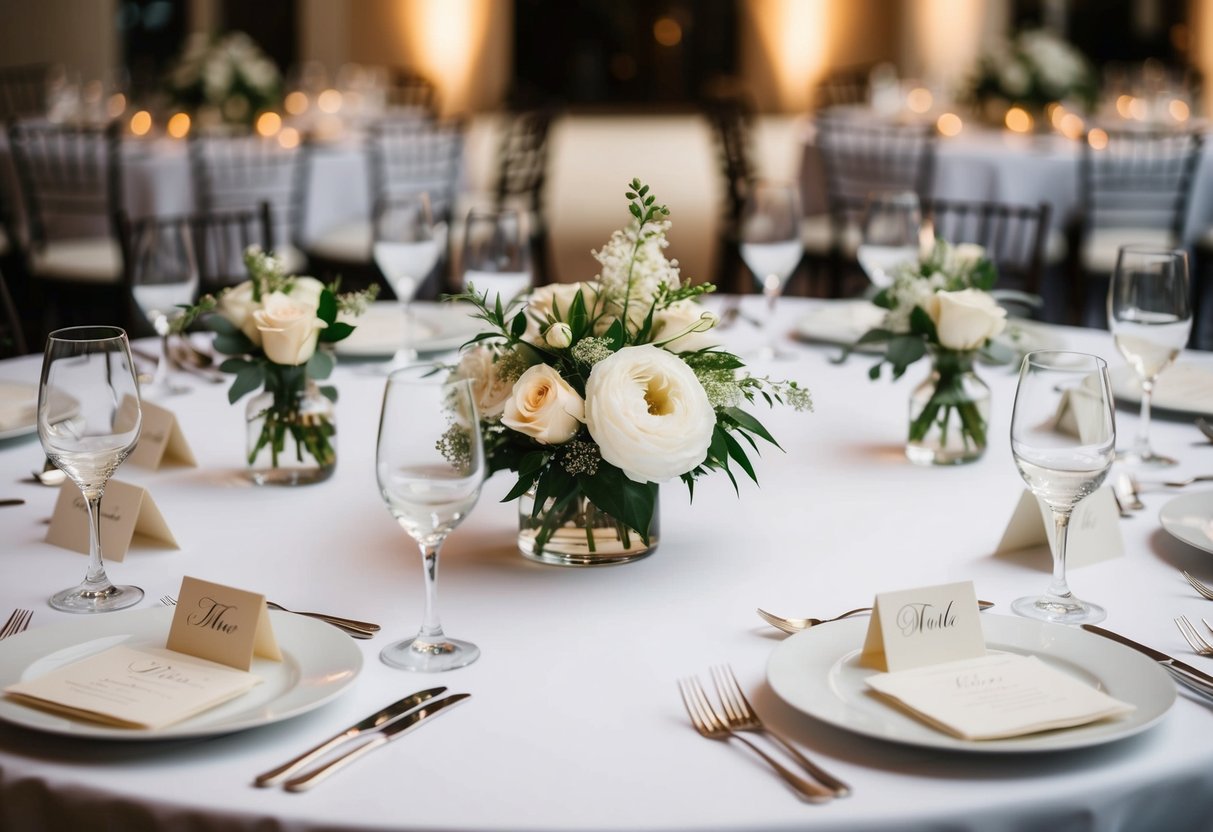
Choosing between individual place cards or couple place cards can impact your wedding reception. You should consider how each option affects the guest experience and seating arrangements.
Elegance of Individual Place Cards
Individual place cards can add an elegant touch to your wedding reception. Each guest has their own card with their name, which can feel more personal and thoughtful. This option allows for creativity, as you can customize each card to match your wedding theme.
Additionally, individual place cards can help your guests form connections. When everyone has their own card, they can see who else is at their table. This can spark conversations and make introductions easier.
However, this approach may create more work for you. You will need to prepare a longer guest list and print multiple cards, which can take time and planning.
Practicality of Couple Place Cards
On the other hand, couple place cards can be a more practical choice. In many weddings, it is common to have one card per couple. This method simplifies your guest list and reduces the amount of stationery you need.
Using couple place cards can also speed up seating assignments. With fewer cards to arrange, the setup at your wedding can be quicker and less chaotic. You might find that your guests appreciate the simplicity.
However, think about how your guest list looks. If guests have different last names, it could cause confusion. Clear communication will help ensure everyone knows where they should sit.
Planning Your Seating Arrangement
Creating a seating arrangement for your wedding is essential for a smooth reception. Thoughtful planning will help your guests feel comfortable and enjoy their experience.
Designing a Seamless Seating Chart
Start by mapping out a seating chart that reflects your guest list. You can use online tools or traditional pen and paper. Make sure to group guests based on their relationships. For example, seat family together and friends at other tables.
When designing your seating chart, clearly label each table number. This helps guests find their seats easily. Use table cards on each setting to match the chart. You can personalize these with fun themes or colors that align with your wedding style.
Coordinating Table Numbers and Meal Choices
Make meal choices easy for your catering team by incorporating them into your seating arrangements. If guests pre-select their meals, list their choices on their table cards. This way, the catering staff knows exactly who gets what.
If you’re offering a buffet, knowing meal choices isn’t as critical. In this case, your seating plan can be more relaxed. Regardless of your approach, clearly communicate to guests what to expect. This helps everyone feel organized and ensures that your wedding goes off without a hitch.
Incorporating Wedding Themes and Styles
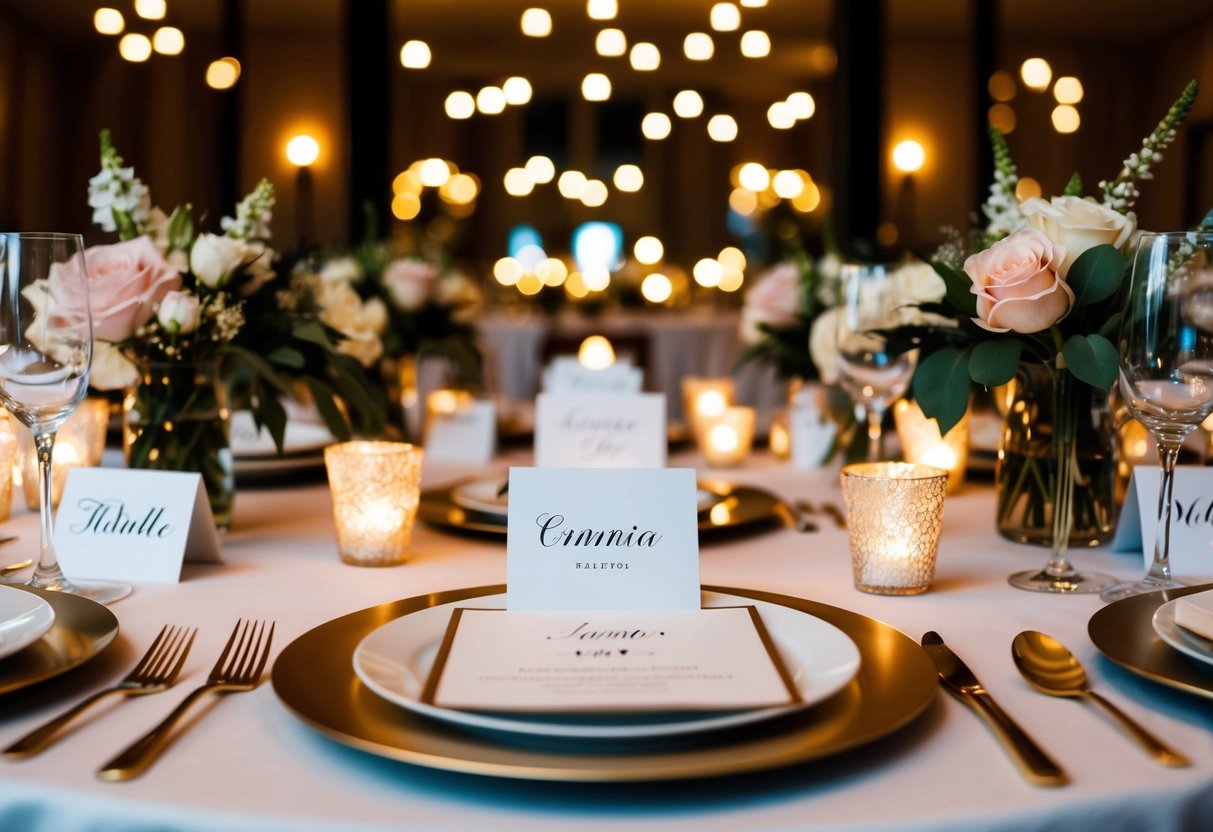
Your wedding place cards can reflect your unique theme and style, enhancing the overall decor. Choosing the right design and colors is essential for creating a cohesive look. Let’s explore how to match your place cards to your wedding style and integrate your color scheme.
Matching Place Cards to Your Wedding Style
Think about the specific elements of your wedding style. Whether it’s rustic, modern, vintage, or elegant, the place cards should align with that theme. For example, if you have a rustic wedding, consider using kraft paper or wooden elements for your place cards.
Here are some ideas to match your style:
- Rustic: Use burlap or wood designs.
- Beach: Try sea glass or driftwood accents.
- Vintage: Incorporate lace or calligraphy.
Select unique place cards that not only guide guests to their seats but also add charm to your tables. Remember, your place cards can be a part of your wedding stationery suite, creating a delightful visual story throughout your event.
Integrating Color Schemes with Seating Cards
Your color scheme is a key part of your wedding’s aesthetic. It can influence every detail, including the place cards.
Choose colors that match your wedding palette to enhance the harmony of the decor.
To tie in your colors effectively, consider the following:
- Bold Colors: Use striking shades for a modern look.
- Soft Pastels: Opt for subtle hues for a romantic feel.
- Metallic Accents: Incorporate gold or silver for a touch of glamour.
You can also use colored envelopes or ribbons to add flair. This attention to detail ensures your guests feel special and connected to the theme right from their arrival at the table.
Navigating Plus-Ones and RSVPs
When it comes to weddings, handling plus-ones and RSVPs can be tricky. It’s important to think through your guest list carefully and communicate clearly with your guests about their options.
Managing the Plus-One Protocol
Deciding who gets a plus-one can help create a comfortable atmosphere.
Start by reviewing your guest list to see who is single or in a relationship. If a guest is in a serious relationship, it’s usually nice to allow them to bring their partner.
Make it clear on the invitation. Use phrases like “plus-one invited” for singles and “name plus guest” for couples. This clarity helps avoid confusion.
Also, remember to confirm the names of plus-ones when guests RSVP. This ensures that you have an accurate count for seating arrangement and catering needs. It helps you manage the overall guest list efficiently.
Tracking RSVPs for Accurate Seating
Keeping track of RSVPs is essential for creating an accurate wedding guest list. You can start by sending out invitations well in advance. Make sure to include a deadline for responses.
Create a simple tracking system, whether it’s an Excel sheet or a dedicated app. In this system, include columns for the guest’s name, whether they RSVP’d, and if they are bringing a plus-one.
Regularly update this list as responses come in. Also, follow up with guests who haven’t replied a week before the deadline. You want to ensure you have the right count for seating. This helps in arranging tables smoothly and ensures everyone is seated with their preferred company.