
Should You Always Wear a Tie to a Wedding? Understanding Dress Codes for the Big Day
Weddings are special events, and choosing the right attire can be tricky. When it comes to whether you should always wear a tie to a wedding, the answer often hinges on the formality of the occasion. In most cases, wearing a tie is a good idea as it reflects respect for the couple and adds to your polished appearance.
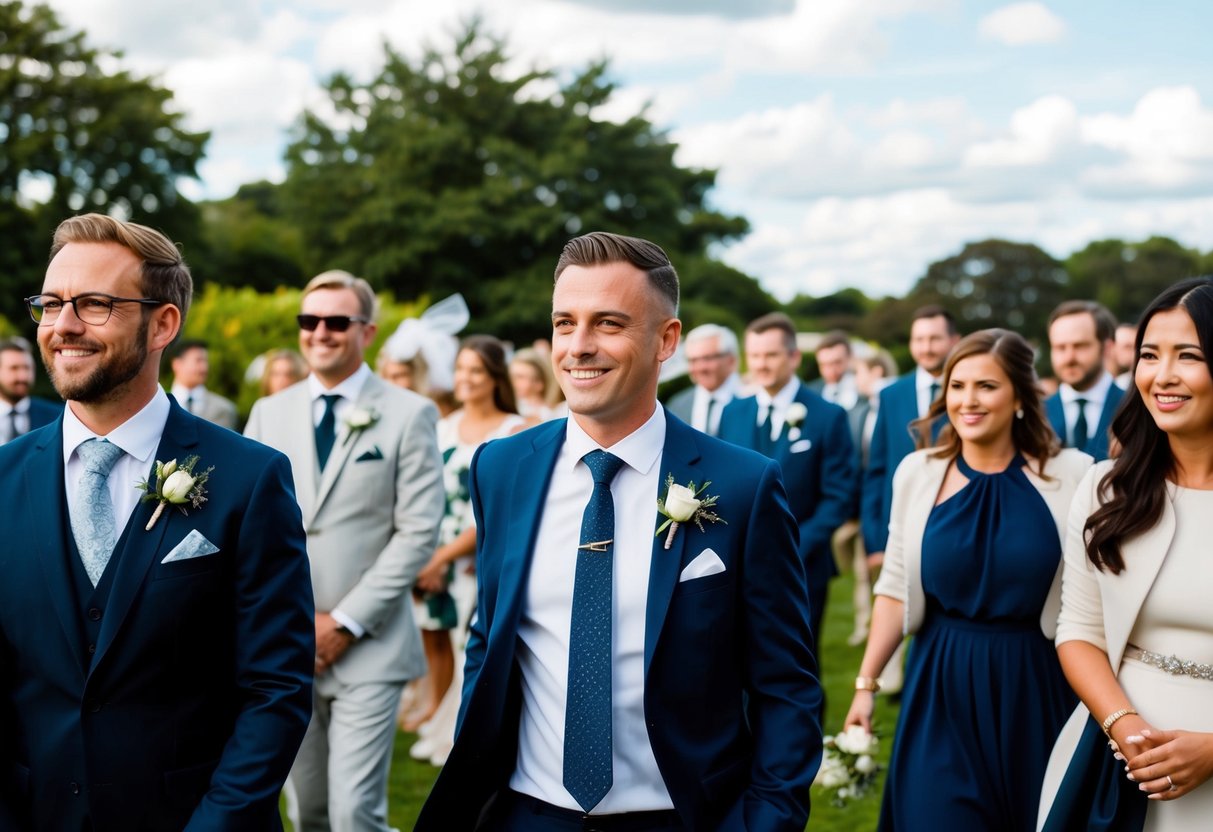
Your personal style matters, too. While some weddings may have a more casual vibe where a tie isn’t necessary, others will call for more formal attire. It’s important to consider the dress code mentioned in the invitation and the overall theme of the wedding.
Deciding to wear a tie can enhance your look and make you feel more confident. Even if the event is casual, having a tie on hand gives you the flexibility to adapt if the atmosphere shifts. So, think about the kind of wedding you’re attending and dress appropriately!
Understanding Wedding Attire Etiquette
Attending a wedding often involves understanding the dress code, which can vary widely. Knowing what to wear, especially regarding a tie, helps show respect for the occasion and its hosts. Here’s a closer look at how to navigate wedding attire etiquette.
Deciphering the Dress Code
When it comes to wedding attire, dress codes can signal how formal or casual the event will be. Common dress codes include:
- Black Tie: This is a formal dress code. Men typically wear a tuxedo with a bow tie. A tie is essential.
- White Tie: This is even more formal than black tie. A tailcoat and white bow tie are expected.
- Formal/Semi-Formal: A suit and tie are usually appropriate. However, you might find variations depending on the venue and time of day.
- Cocktail: Smart dress is key. A tie adds a polished touch but may not be necessary.
- Casual and Smart-Casual: These codes allow for flexible choices. You might consider wearing a nice shirt without a tie, but collar styles still matter.
Navigating Formal Events
Understanding the expectations for formal events can help you feel comfortable in your choice of attire. For instance:
- Beach Formal: This allows for lighter fabrics. A tie can be optional, but adhering to a more polished look is still important.
- Tie Optional: If the invitation states this, you can decide whether to wear a tie based on your comfort.
- Business Casual: This implies a smart yet relaxed look. A tie is typically not required but can enhance your outfit.
- Semi-Formal Wedding Attire: Here, wearing a tie is usually expected. It shows you made an effort, enhancing the festive spirit.
Understanding these specifics helps you make the right choice for your wedding attire, ensuring you look your best while honoring the couple’s special day.
Selecting the Right Tie for the Occasion
Choosing the right tie for a wedding can enhance your overall look and show respect for the event. It’s essential to consider the time of day, harmonize with the wedding colors or themes, and accessorize thoughtfully.
Choosing a Tie Based on the Time of Day
The time of the wedding significantly influences your tie choice. For daytime weddings, light colors and playful patterns work well. Consider wearing a vibrant necktie or even a bow tie in colors like pastels or subtle prints.
In contrast, for evening weddings, darker colors are more appropriate. A solid color or a classic pattern can add elegance to your outfit. Black tie events call for a formal black bow tie, while white tie requires more traditional attire with a white bow tie. Keep in mind the formality of the event when selecting your tie.
Harmonizing Ties with Wedding Colors and Themes
Matching your tie to the wedding’s color scheme can show your attention to detail. Look at the wedding colors in the invitations or decorations, and then choose a tie that complements them.
For instance, if the wedding theme is rustic with earth tones, a tie in a muted brown or green might work well. At a themed wedding, don’t hesitate to embrace the theme with a fun pattern or color that reflects the couple’s style, while keeping it classy.
Considerations for Accessorizing
Accessorizing can elevate your look when paired with your tie. Think about using a sleek tie bar to keep your tie in place and add a polished touch.
Cufflinks and pocket squares can also enhance your outfit. Choose cufflinks that match or complement your tie. For pocket squares, consider a subtle pattern or color that ties in with your neckwear.
A boutonniere can add a special touch, reflecting the wedding’s floral theme. Avoid overdoing it; the goal is balance and cohesion in your look.
Tie Alternatives and Personal Style
Choosing whether to wear a tie at a wedding can depend on your personal style and the event’s formality. You have plenty of alternatives that can help you look polished while still expressing yourself.
When to Skip the Tie
There are times when it’s perfectly acceptable to skip the tie. For casual weddings, especially beach weddings, a more relaxed approach is fitting. Opt for a well-fitted shirt and nice trousers instead.
In a themed wedding, where specific styles might be encouraged, you can choose alternatives like a cravat or a bow tie. These options can add flair while aligning with the theme.
If the invitation states that a tie is optional, feel free to embrace a more casual look. The goal is to look polished while feeling comfortable in your outfit. Trust your sense of style; it’s important to wear what makes you feel good.
Considerations for Different Types of Weddings
Choosing whether to wear a tie to a wedding depends on the type of wedding and its dress code. Different settings and styles can impact your decision.
Beach and Destination Weddings
At beach weddings, comfort is key. The casual atmosphere often leads to a relaxed dress code. In most cases, you might skip the tie altogether. Instead, opt for a short-sleeved shirt and lightweight trousers.
If the couple specifies a more formal dress code for a destination wedding, consider a linen suit with a tie to elevate your look while still being comfortable. A light-colored tie can fit well with the beach vibe, adding style without being too formal.
Traditional and Cultural Wedding Attire
Traditional and cultural weddings often have specific attire requirements. In many cultures, people expect you to wear a tie, especially for formal ceremonies. Consider the customs and traditions involved.
For these events, it’s wise to check the invitation for any dress code notes. If the wedding calls for formal attire, a suit and tie can show respect for the couple and their traditions. However, be mindful of cultural attire that may replace Western-style clothing.
Researching the couple’s background can help you choose the right outfit.