
Should You Buy Shoes a Size Bigger? Finding the Perfect Fit for Comfort
Finding the perfect pair of shoes can be tricky, especially when it comes to sizing. You might wonder if buying shoes a size bigger might be the solution to discomfort. Choosing shoes that fit properly is essential for comfort and foot health, but sometimes going a half size bigger can offer that extra space you need.
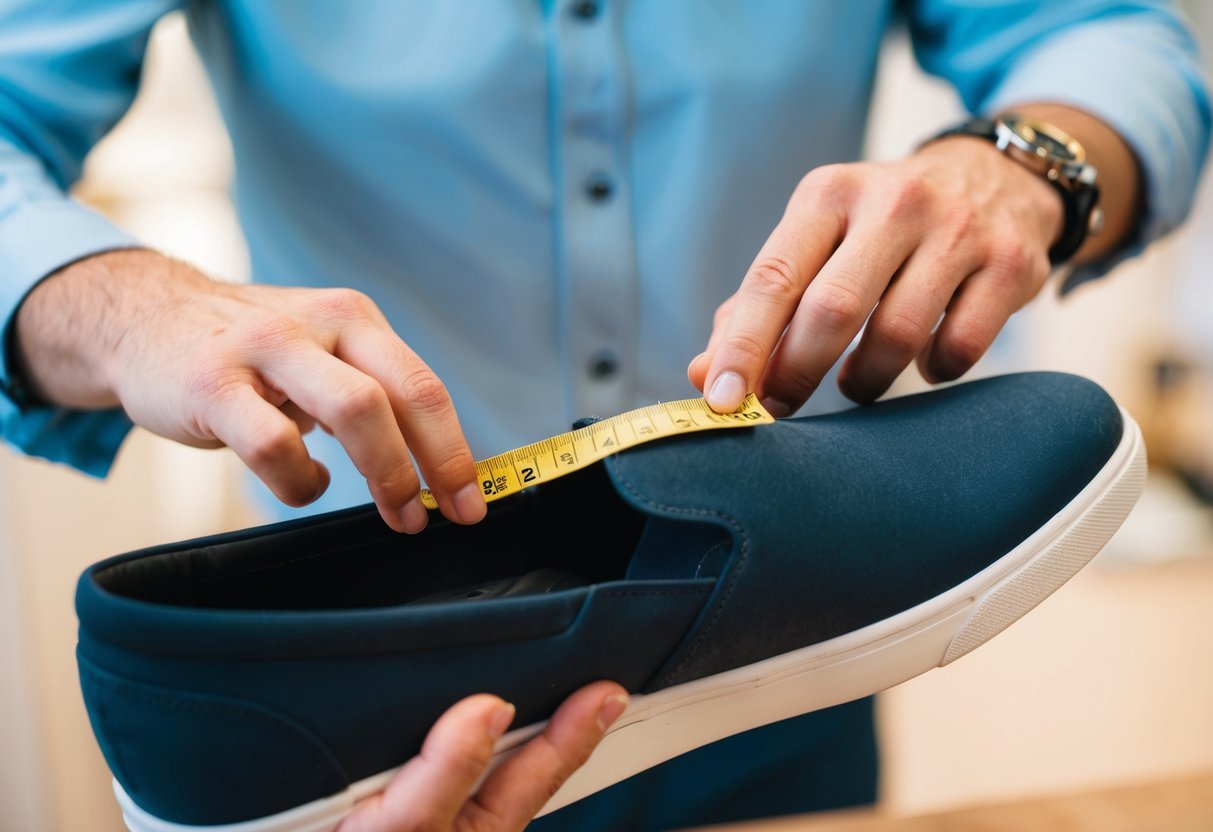
Many people face the dilemma of whether to stick to their usual size or opt for a larger fit. More room can be beneficial, especially if you’re wearing thicker socks or need the extra space for a more relaxed feel. Yet, wearing shoes that are too big can lead to issues such as blisters or instability with each step.
Before making your next shoe purchase, it’s important to understand how the right fit influences your comfort. This article will explore the advantages and disadvantages of choosing a size larger, helping you make an informed decision for your feet.
Understanding Shoe Sizing
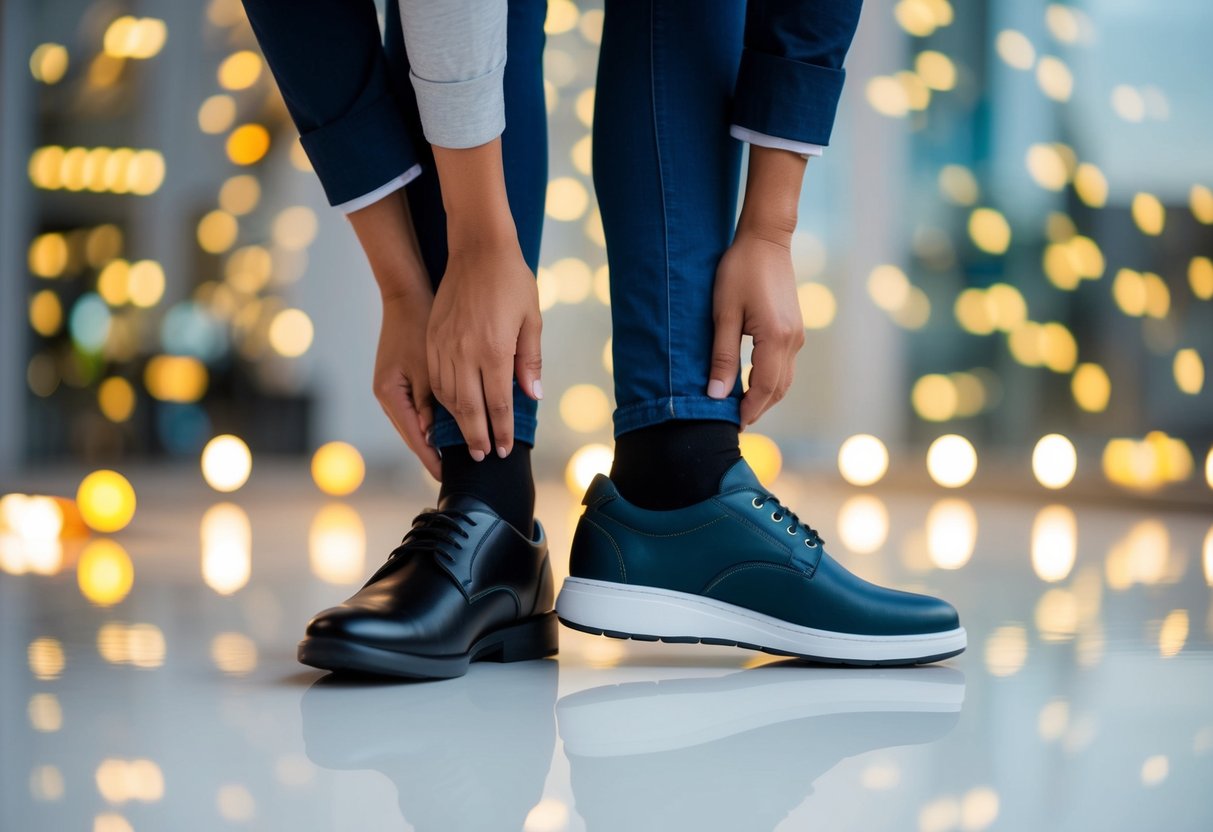
Finding the right shoe size is essential for comfort and support. Knowing how to measure your feet correctly can help you make informed decisions about buying shoes, whether you consider going half a size or a full size bigger.
The Importance of Proper Fit
Wearing shoes that fit well affects your overall foot health. Shoes that are too small can cause blisters, bunions, and other issues. Conversely, shoes that are too big can lead to instability and foot fatigue.
A good fit means your shoe size allows for some wiggle room. For example, there should be about 1/2 inch of space from your longest toe to the end of the shoe.
If you’re unsure of your size, consider getting fitted using a Brannock device. This tool helps determine both the length and width of your foot, ensuring a more accurate fit.
Measuring Your Feet at Home
You can measure your feet at home for a better idea of your shoe size. Start by gathering a piece of paper, a ruler, and a pen.
- Step on the Paper: Trace your foot on the paper.
- Measure the Length: Using a ruler, measure from the heel to the longest toe.
- Measure the Width: Note the widest part of your foot as well.
Make sure to measure both feet, as one might be slightly larger. Use the larger measurement when deciding on your shoe size. If your measurement falls between sizes, consider going half a size bigger for added comfort.
These steps will help you find a shoe that suits your needs while avoiding discomfort.
Factors to Consider When Buying Shoes
Choosing the right shoes involves looking closely at several important aspects. Knowing the type of shoes you need and being aware of any foot problems can greatly improve your comfort and foot health.
Different Types of Shoes
When buying shoes, consider the specific purpose of your footwear. Different types serve different functions. For instance, running shoes offer cushioning, while dress shoes focus on style.
It’s vital to match the shoe type to your activity.
- Casual sneakers are good for everyday wear.
- Hiking boots provide support on rugged terrain.
- Heels and formal shoes may require a snug fit.
Keep in mind that some materials, like leather, can stretch over time, so you might want to buy slightly smaller.
Recognizing Foot Issues
Your foot health is crucial when selecting shoes. Certain conditions can affect how shoes fit and feel. If you have flat feet, arch support becomes essential.
Sneakers with built-in support can make a huge difference.
Common issues include:
- Blisters: often caused by friction. Ensure shoes fit well.
- Calluses and corns: develop from pressure. A wider shoe may help.
- Ingrown toenails: can be painful. Check that toe boxes have enough space.
- Bunions: may require shoes with a broader toe area.
Always consider these factors to keep your feet happy!
The Impact of Shoe Fit on Health
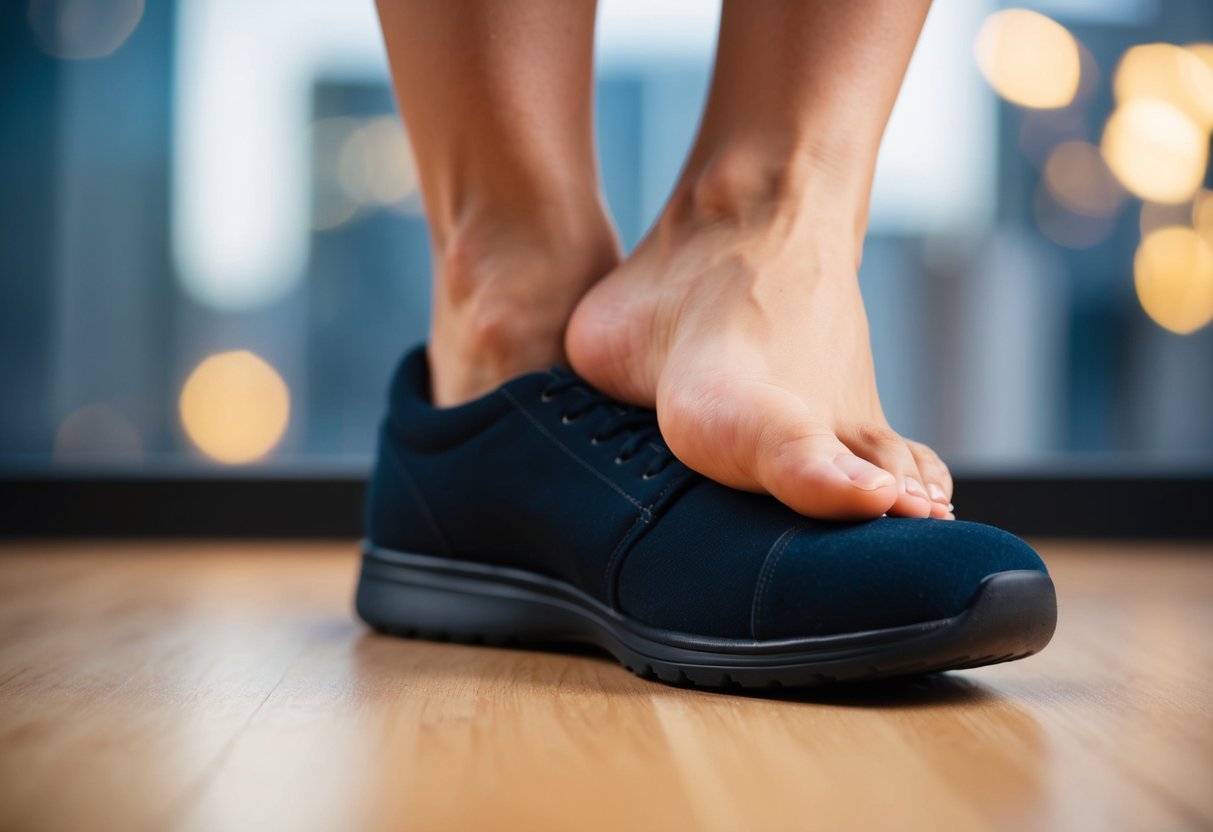
Choosing the right shoe size significantly affects your foot health. Poorly fitting shoes can lead to various foot problems and impact your overall comfort and safety while walking or running.
Preventing Foot Problems
Wearing shoes that fit properly is essential for preventing foot issues such as bunions, calluses, and corns. Ill-fitting shoes can cause your toes to crowd, leading to bunions and other deformities.
A shoe with a spacious toe box allows your toes to move freely, reducing pressure and discomfort. If your shoes are too tight, you may develop foot pain or even experience blisters.
Make sure to measure your feet regularly. Your foot size can change over time due to various factors like age and weight. Wearing the right size helps keep your feet healthy and pain-free.
Ensuring Comfort and Safety
Comfort is key when it comes to shoe fit. Shoes that are too big can slip and cause instability, increasing your risk of falls and injuries. A good fit supports your foot’s natural shape, offering stability with every step you take.
You should feel supported by your shoes. If they are too loose, your foot may slide around, which can lead to discomfort during activities. Try on shoes with the socks you plan to wear and walk around in them to ensure they feel right.
A well-fitted shoe helps maintain your balance and ensures your safety, especially during physical activities. Always prioritize proper fit to enjoy your day-to-day activities without worrying about foot troubles.
Special Considerations
When buying shoes, it’s important to think about specific factors that can affect comfort and performance. Knowing when to choose a bigger size can make a big difference for your feet, especially during activities like running.
Choosing Running Shoes
Selecting the right size for running shoes is crucial. Your feet naturally swell when you run, so having a little extra space is beneficial. It’s often recommended to go half a size larger than your regular shoe size.
Before you buy, try on shoes later in the day when your feet are at their largest. Look for a thumb’s width of space between your longest toe and the end of the shoe. Pay attention to how the shoes feel—your heel should not slip, and there should be no pinching around the sides.
Consider the type of running you do. Trail shoes may fit differently than road running shoes. Choosing the right shoe fit will enhance your running experience and help prevent blisters and discomfort.
When to Opt for Bigger Shoes
Opting for bigger shoes might be a smart choice in certain situations. For example, if you’re planning on wearing thick socks or using orthotics, a size up can help accommodate those additions comfortably.
During long hikes or runs, your feet may swell more than normal. This is another reason to select a larger size for outdoor activities.
Wearing shoes that are too tight can lead to painful blisters or even injuries. If you’re buying dress shoes or casual wear, sometimes it’s best to stick to your regular size.
Always prioritize comfort and fit based on the activity you’re planning to engage in.