
Should You Do Your Hair and Makeup for Wedding Dress Shopping? Here’s What You Need to Consider
When you go wedding dress shopping, you might wonder if you should do your hair and makeup beforehand. Doing your hair and makeup can help you visualize how your dream dress will look on your big day. It also allows you to feel more put together and confident as you try on different styles.
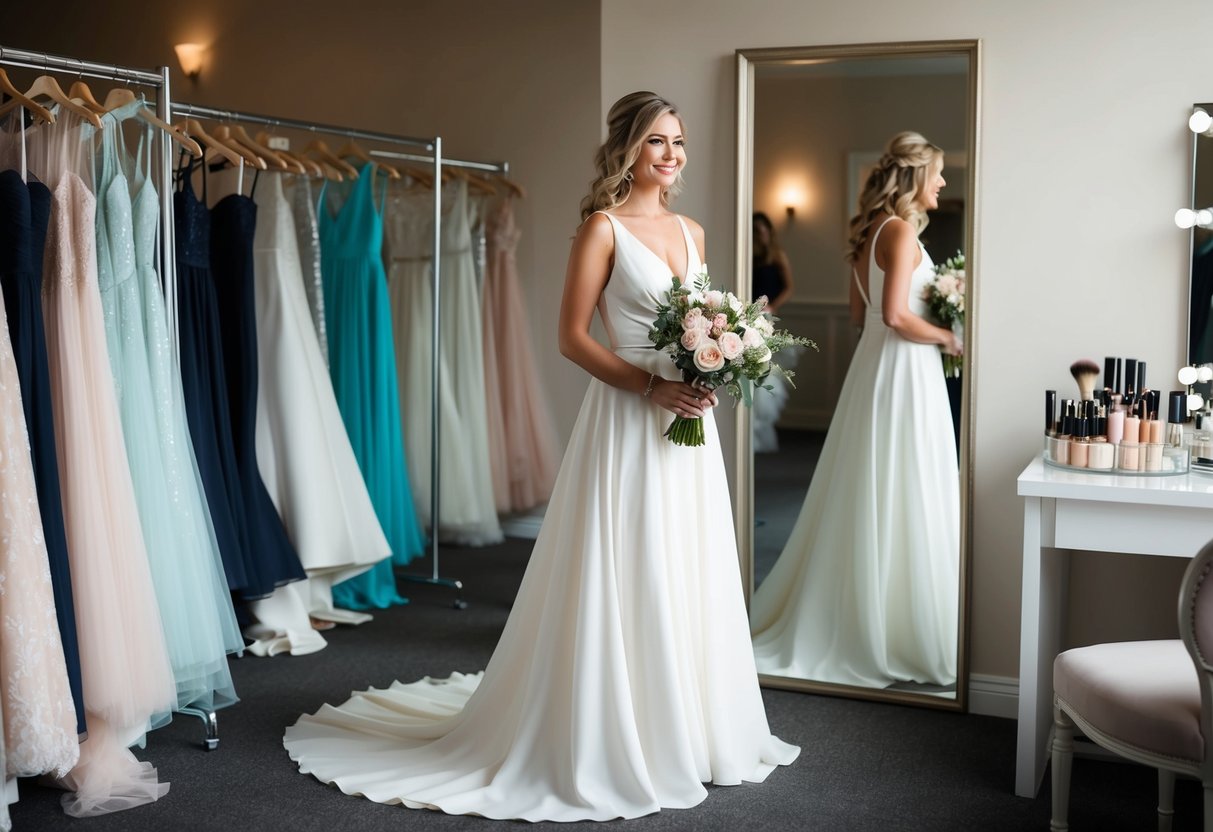
While shopping for your wedding dress is all about finding that perfect gown, it can be helpful to have a bit of glam added to the mix. You want to see how various dress styles complement your overall look, and a polished appearance can enhance this experience. Plus, if you plan to wear your hair in a specific style or want to test out different makeup looks, it’s a great opportunity to experiment.
So, as you prepare for this exciting part of your wedding planning, consider putting in a little extra effort with your hair and makeup. It can make the process more enjoyable and help you feel like the best version of yourself as you search for that ideal dress.
Preparing for Your Bridal Appointment
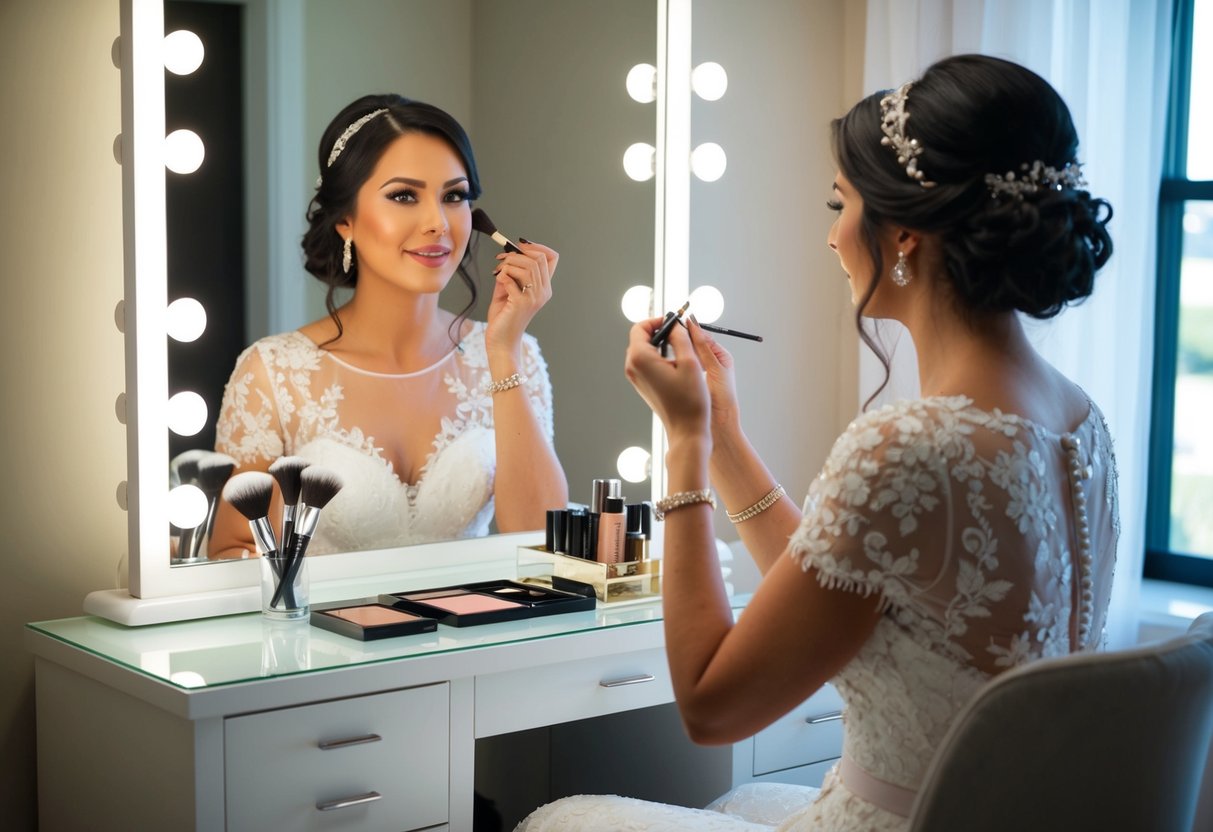
Getting ready for your bridal appointment is exciting and important. You want to feel comfortable and confident while trying on wedding dresses.
Choosing the right undergarments and accessories can really make a difference in how each dress looks and feels.
Choosing the Right Undergarments and Shapewear
Finding the right undergarments is key for your bridal appointment. Select pieces that suit your body type and the dress silhouettes you plan to try.
- Supportive bras: Consider styles like strapless or special shapes depending on your chosen dresses.
- Shapewear options: These can smooth your figure and enhance your silhouette. Look for comfortable, seamless styles that won’t show under your dress.
Be mindful of color, too. Choose nude or white undergarments that won’t show through the dresses. Bringing these items along helps you see the full effect of each gown.
Selecting Shoes and Accessories
The right shoes are essential for a successful fitting.
- Wedding shoes: Pick a pair that complements your style and the dress aesthetic. Closed-toe shoes work well with formal gowns, while open-toe styles suit casual dresses.
Don’t forget jewelry! Simple pieces can elevate your look without overwhelming it. Think about adding just a necklace or earrings, depending on your dress’s neckline and design.
Having everything ready will help you feel your best and make the experience enjoyable.
Creating Your Bridal Look
When you’re dress shopping, thinking about your hair and makeup is essential. These details help you envision your complete bridal look. Planning ahead can make a big difference in how you feel about each dress you try on.
Hair and Makeup Considerations
Start by choosing hairstyles that match different wedding dress styles.
For a classic A-line gown, soft waves can enhance a romantic feel. If you’re considering a fitted mermaid dress, a sleek updo might be a better option to show off the silhouette.
Think about how your hair and makeup will interact with the dress fabric and design. Use a hair tie that complements your look, like a delicate ribbon or sparkling accessory.
Additionally, lightweight makeup with a touch of color will add freshness without overwhelming your features. Bring photos of hairstyles and makeup looks you like to keep things focused.
Incorporating Your Wedding Style and Theme
Your wedding style should guide your hair and makeup choices.
If you’re planning a rustic outdoor wedding, consider loose, natural hairstyles and earth-toned makeup. For a vintage-themed celebration, think about classic Hollywood waves and bold lipstick.
Consider current wedding dress trends as well. For example, if your dream dress features lace, soft romantic hairstyles can enhance that detail beautifully.
Pay attention to how the hair and makeup styles mirror your wedding’s color palette, so everything flows together perfectly. This attention to detail ensures you look stunning from head to toe.
Understanding Dress Types and Trends
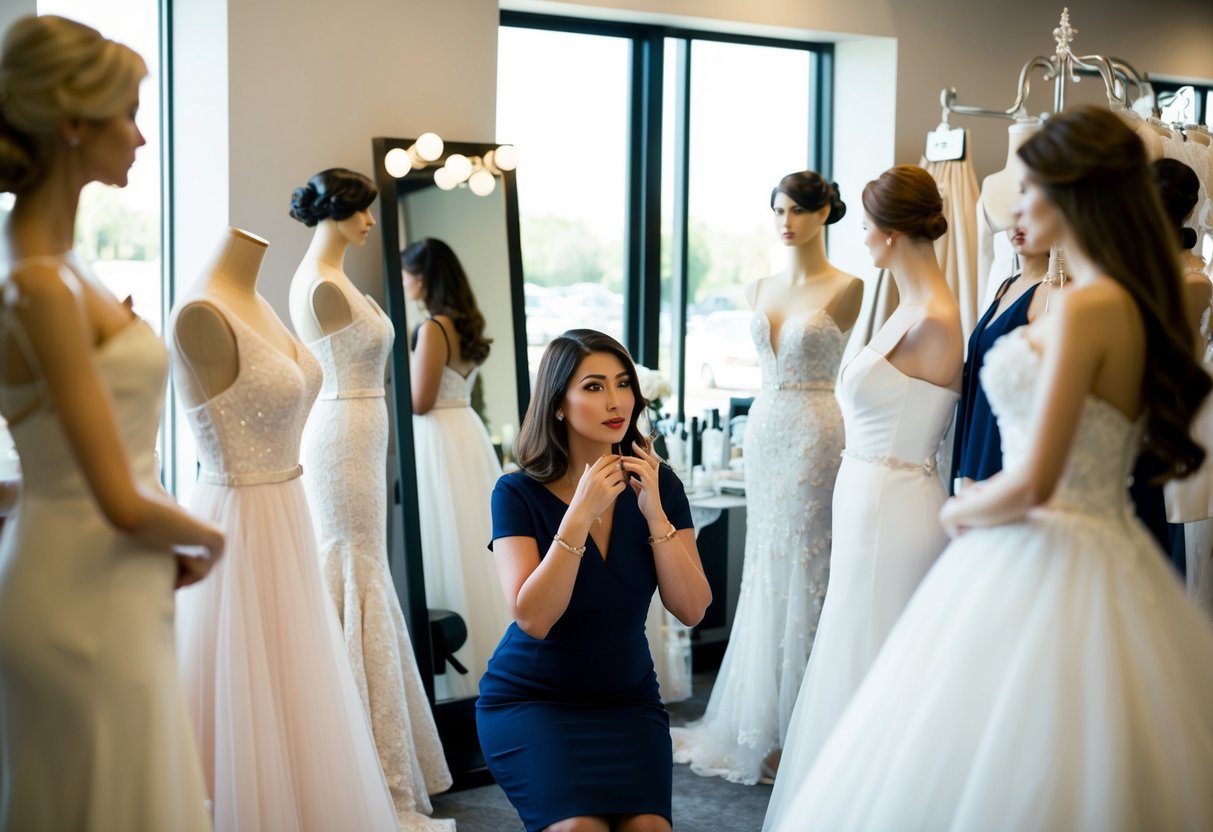
Choosing the right wedding dress involves knowing about various dress types and current trends. Understanding these factors can help you make a choice that fits your style and personality while ensuring you look your best on your special day.
Navigating Through Different Dress Styles
When searching for your wedding dress, you’ll encounter various dress silhouettes. Each silhouette suits different body types and personal styles.
- A-line: This style has a fitted bodice and flows out gently, flattering many figures.
- Mermaid: Fitted through the body and flaring at the knees, this dress emphasizes curves.
- Ball Gown: A classic style with a full skirt, ideal for a fairytale vibe.
Take the time to try on different styles during your appointments. It’s a good idea to wear comfortable clothing that’s easy to take on and off, as recommended by bridal experts.
Exploring Current Wedding Dress Trends
Wedding dress trends change regularly, but some remain popular for their timeless appeal.
- Minimalism: Clean lines and simple designs are favored for their elegance.
- Bohemian: Flowing fabrics and unique details add a relaxed, free-spirited look.
- Bold colors: While white is classic, non-traditional colors like blush or deep blue are gaining popularity.
Trunk shows often feature the latest designs, giving you a chance to see unique pieces not in regular collections. Keep an eye on these events for fresh inspiration and trends.
Financial Planning for Your Gown
When planning for your wedding gown, you should set a clear budget. Think about how much you can afford without stress. Start by checking your overall wedding budget.
Consider all the costs related to your dress. Include wedding shoes, which can vary widely in price. Make sure they match your dress style and budget.
Make a checklist for your gown expenses:
- Wedding dress cost
- Accessories such as veils or hairpieces
- Shoes
- Alterations
Note that prices can change, so shop early to avoid rushing. When you find a gown you love, ask about the cost of alterations. Many dresses need fitting for the best look.
Schedule your shopping around your wedding date. This gives you enough time to find the right dress and make any necessary adjustments.
Also, look for potential hidden costs. Ask the boutique if they have any extra fees. Planning for these can help you avoid surprises later.
Lastly, try to stick to your plan. This way, you can enjoy the dress shopping experience without financial worries. Happy gown hunting!