
Should You Get Married After 25? Exploring Benefits and Considerations
Deciding when to get married is a big choice that many people face. If you’re wondering about tying the knot after turning 25, you’re not alone. Many experts suggest waiting until this age, as it often allows you to have a better understanding of yourself and your partner. Research shows that getting married after 25 can lead to more successful and stable relationships.
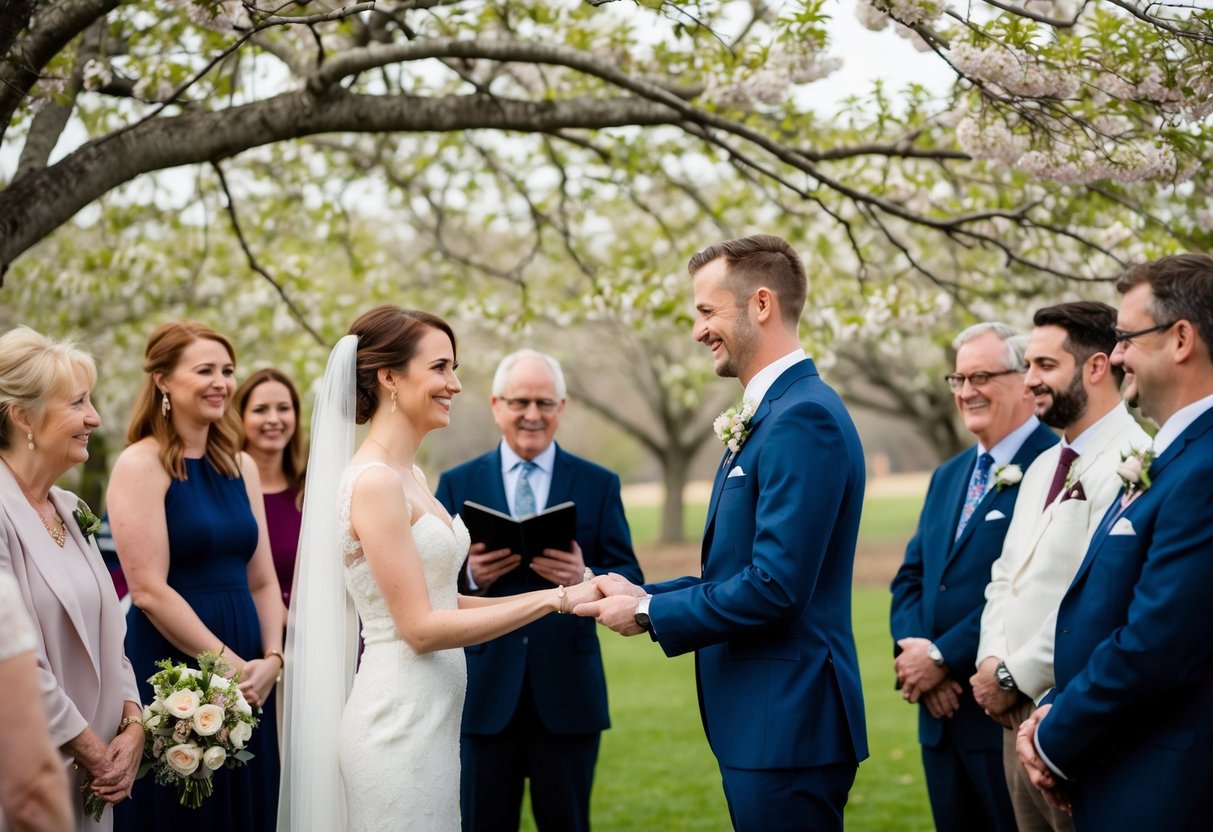
Getting married in your twenties can bring both excitement and challenges. Personal growth during your mid-twenties can significantly impact your readiness for a lifelong commitment. You may find that waiting until you’re older helps you make more informed decisions about your relationship and your future. It’s all about finding the right time for you.
As you consider the pros and cons of marriage, think about your own life goals and where you see yourself in the coming years. Everyone’s journey is different, and what works for one person may not be the best choice for you. Exploring these thoughts can help you determine if marrying after 25 is the right path for your unique situation.
Understanding the Importance of Timing in Marriage

Timing plays a crucial role in your marriage decisions. The right age can influence relationship satisfaction and align with your personal goals, while societal expectations can add pressure. Knowing how these factors affect your choices helps you make a more informed decision.
Societal Expectations and Personal Goals
Societal expectations often dictate when you should get married. Many people consider their 20s as the ideal time, influenced by family and friends.
You may feel pressure to meet certain milestones by a specific age. These expectations can sometimes lead to rushed decisions. It’s essential to balance societal views with your personal goals. Ask yourself what you want out of life and relationships.
Think about your education, career, and personal growth. Rushing into marriage can affect your long-term happiness. Taking your time to establish your own path can lead to a more satisfying relationship later on.
The Impact of Age on Committed Relationships
Age can significantly impact the dynamics of committed relationships. Studies show that marrying in your 20s may lead to higher rates of divorce compared to marrying later.
When you choose to marry after 25, you often have more life experiences. This can improve your relationship skills and emotional maturity. You will likely have a clearer understanding of what you want in a partner.
Getting married young can limit your experiences and growth as an individual. Building a strong foundation during your 20s can lead to better relationship satisfaction later. Consider how your age affects your ability to communicate and handle challenges together, as these skills are key to long-lasting love.
Exploring Compatibility and Cohabitation Before Marriage

Understanding how compatibility and cohabitation impact relationships is crucial. These elements can play a significant role in determining if marriage is the right choice for you.
The Role of Compatibility in Successful Marriages
Compatibility is vital for a lasting marriage. It encompasses shared values, interests, and lifestyle choices. You want to ensure that you and your partner are on the same page regarding finances, family, and future goals.
Key aspects of compatibility include:
- Communication styles: How you and your partner express thoughts and feelings matters.
- Conflict resolution: Effective ways to deal with disagreements can strengthen your bond.
- Personal habits: Understanding each other’s routines can lead to a happier relationship.
By exploring these areas, you can better gauge if you and your partner are suited for a long-term commitment.
Cohabitation as a Step Toward Marriage
Cohabitation allows you to experience daily life together without the commitment of marriage. This arrangement can help you learn more about your partner’s habits and quirks. You may discover if your day-to-day compatibility aligns with your vision of a future together.
Living together offers practical benefits:
- Shared responsibilities: Managing household chores and finances gives insight into teamwork.
- Reduced stress: Familiarity can lessen the shock of married life.
- Realistic expectations: You can better understand what married life may be like.
Cohabitation can serve as an important step in making informed decisions about marriage.
Financial Considerations and Marriage

When thinking about marriage after age 25, understanding financial aspects is crucial. This includes differences between financial security and stability as well as the economics behind marrying later.
Financial Security vs. Financial Stability
Financial security means having enough resources to handle life’s unexpected events. This can include having emergency savings, health insurance, and a steady income. On the other hand, financial stability focuses on maintaining a balanced budget over time.
Marrying later can impact these two areas differently. When you achieve financial security before marriage, you may enter a partnership as equals. This equality can strengthen your relationship. According to the National Survey of Family Growth, many couples who marry later often have more savings and fewer debts, setting a solid foundation for their future together.
The Economics of Getting Married After 25
Getting married after 25 can provide both advantages and challenges. First, you may be more established in your career, which often leads to higher earnings. This allows you to better manage shared expenses, like housing and groceries.
However, consider that merging finances means more than just sharing bills. You’ll need to discuss savings goals, retirement plans, and debt management. Marriage can also have tax implications. For some couples, being married can lead to lower overall taxes, as tax brackets might change due to combined incomes.
Before marrying, think about how your financial situations align. Open discussions can prevent misunderstandings and lay the groundwork for a strong financial future together.
Emotional and Psychological Aspects of Marrying After 25
Marrying after 25 can bring unique emotional and psychological benefits. You are likely to experience greater self-awareness and maturity, influencing your happiness and your relationship’s success. Understanding your feelings and addressing challenges like anxiety can help create a stronger bond with your partner.
Navigating Anxiety and Happiness in Marriage
Anxiety can be a natural part of entering a marriage. You might worry about the future, finances, or compatibility. This anxiety may be higher if you are marrying after 25, as expectations and societal pressures can weigh heavily on you.
However, marrying later often means you have more life experience. This can lead to better emotional regulation and coping skills. As you face marriage, focusing on clear communication with your partner can ease anxiety. Share your feelings and concerns openly. This will help you build a solid foundation for happiness.
Happiness in marriage is influenced by companionship. When you feel connected and supported, your relationship flourishes. With self-awareness, you can recognize what makes you happy and how to achieve it together.
The Significance of Marriage Counseling
Marriage counseling can be a valuable resource for couples who marry after 25. Challenges may still arise, even if you both enter the relationship with strong intentions. Recognizing this and seeking guidance can be proactive.
Counseling provides a safe space to discuss feelings. A trained professional can help you navigate any anxiety or fears regarding your future. They can also address important topics like communication styles, conflict resolution, and shared goals.
Studies show that couples who seek counseling may experience lower divorce rates. Understanding each other’s needs and expectations can foster companionship and support. It ultimately helps you build resilience in your relationship, making it easier to navigate the ups and downs of life together.