
Should You Hire a Florist for a Wedding? Here’s What You Need to Know!
When planning your wedding, you might face the big question of whether to hire a florist. Hiring a professional florist can greatly enhance your wedding’s style and ambiance. They ensure that your floral arrangements align perfectly with your vision. With their expertise in floral design, they can offer creative ideas and solutions that you may not have considered.
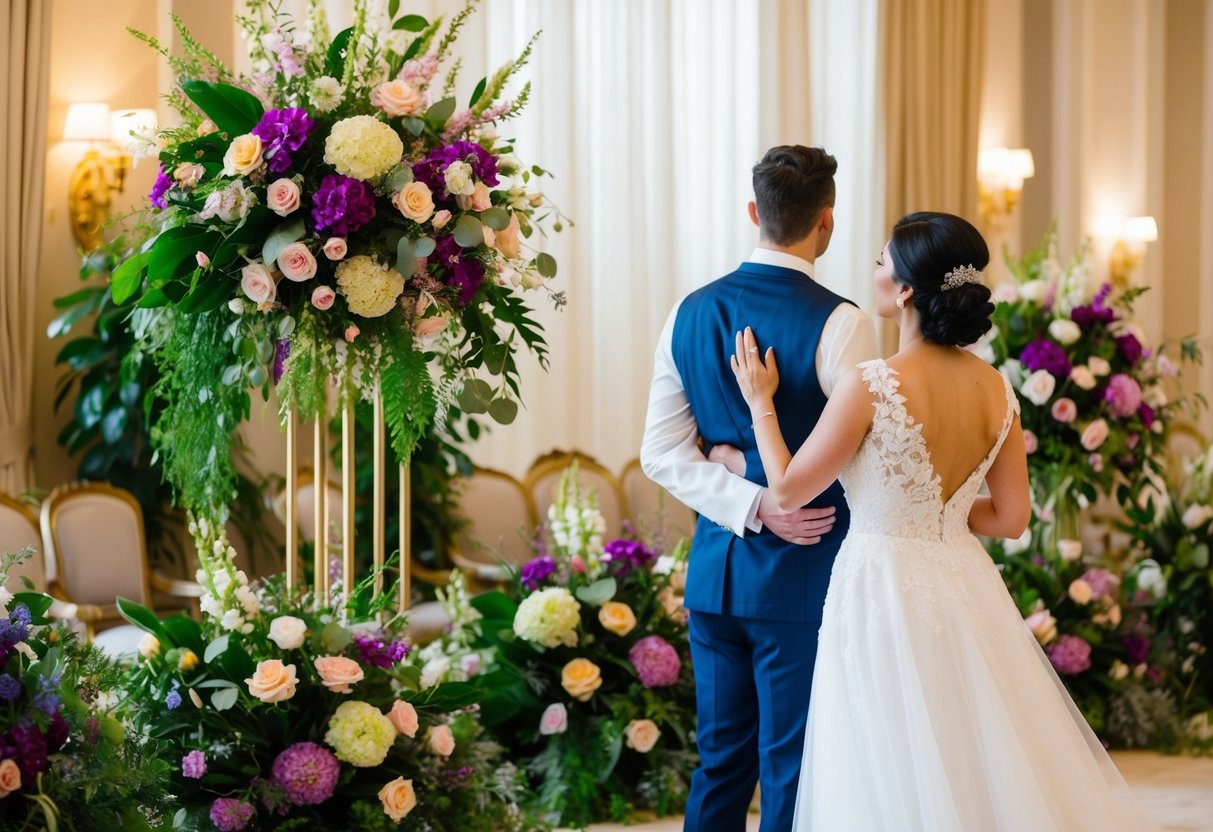
If you’re dreaming of a specific look for your wedding, a florist can help bring that vision to life. They understand how to mix colors, types of flowers, and arrangements that fit your wedding style. Booking a florist for your wedding can also save you time and stress, allowing you to focus on other important aspects of your celebration.
On the other hand, if you have a knack for flowers and a tight budget, you might consider doing it yourself. This choice can give your wedding a personal touch but may require more effort. Ultimately, it’s about what feels right for you and your special day.
The Role of a Florist in Wedding Planning
A wedding florist plays a vital role in curating the floral aspects of your big day. From creating stunning floral arrangements to ensuring that every detail aligns with your vision, a professional florist can make a significant impact on your wedding decor.
Understanding Floral Design and Decor
Floral design is more than just choosing pretty flowers. It involves understanding how different blooms, colors, and textures work together. Your wedding florist will use this expertise to create bouquets, centerpieces, and boutonnieres that fit your design aesthetic. They’ll consider factors like your color scheme and the overall theme of your wedding.
By taking into account your personal style and preferences, a wedding florist can craft arrangements that not only look beautiful but also enhance the atmosphere of your event. Your florist will also ensure that the flowers stay fresh and vibrant throughout the day.
Importance of Professional Expertise
Hiring a wedding florist means you benefit from their professional expertise. They have the experience necessary to tackle any challenges that may arise, such as flower availability or seasonal options. This knowledge ensures that your floral selections are practical and achievable.
A professional florist can also guide you when answering key questions, such as how many flowers you’ll need or what types match your vision best. Their insights can save you both time and stress while making sure that your floral arrangements complement the rest of your wedding decor.
Services Offered by Wedding Florists
Wedding florists provide a variety of services to streamline your planning process. First, they can create custom floral arrangements tailored to your needs. This includes bouquets for you and your bridal party, centerpieces for your reception tables, and boutonnieres for the groomsmen.
Additionally, florists can assist with wedding decor by incorporating floral elements into your overall setup. This may involve draping flowers in key areas or designing unique displays that align with your vision. Their comprehensive service often includes delivery, setup, and breakdown of all floral decor, allowing you to enjoy your special day without worry.
Choosing the Right Florist for Your Wedding
Finding the right florist is key to realizing your wedding vision. You want someone who understands your theme and can bring creativity and expertise to the table. Pay attention to details, and make sure you establish a solid relationship with your florist for the best results.
Factors to Consider When Hiring
When hiring a florist, start with your budget. Understanding how much you can spend will help narrow down your options and ensure you find someone who fits within that range.
Consider the florist’s experience with weddings similar to yours. Check whether they work with local vendors, as using local blooms can reduce costs and support the community. Make sure they can provide the flowers that match your desired aesthetic. Lastly, find out how they handle coordination with other wedding vendors.
How to Assess the Florist’s Portfolio
A florist’s portfolio is one of the best ways to see their style and creativity. Look for examples of past weddings they’ve worked on. Notice how they incorporated different colors, types of flowers, and designs.
Ask about their floral design process. A great florist should be able to tell you about their attention to detail and how they adapt to various wedding themes. Be sure to check reviews or speak with past clients to gauge their satisfaction.
Establishing a Good Working Relationship
Building a good working relationship with your florist is essential. Start by sharing your wedding vision clearly. Discuss your preferences, budget, and any specific ideas you have in mind.
Be open to suggestions. A skilled floral designer will offer expert advice that aligns with your theme while ensuring it’s achievable. Communication is key, so regular check-ins can help keep everyone on the same page. This teamwork is vital for creating a stunning floral display on your big day.
Budgeting for Floral Costs
Planning for floral costs is an important part of your wedding budget. Understanding how to allocate your finances helps you make informed decisions while still creating beautiful flower arrangements to enhance your special day.
How to Allocate Finances for Flowers
Start by determining your overall floral budget. A common practice is to allocate 8-10% of your total wedding budget for flowers. For example, if your budget is $10,000, plan to spend around $800 to $1,000 on floral arrangements.
Next, list the key floral items you need, such as bouquets, centerpieces, and boutonnieres. For instance, you may need:
- Bridesmaid bouquets
- Reception centerpieces
- Ceremony arrangements
This breakdown will help you understand where your money is going and ensure you don’t miss any key items.
Understanding Costs and Fees
When budgeting, be aware of additional costs like delivery fees and setup fees. Many florists charge for transporting flowers and arranging them at your venue. This fee can vary but may add $100 to $300 to your total costs.
Also, review the florist’s contract carefully. Know what services are included and the refund policy in case of any changes. For example, some florists may allow you to make adjustments leading up to the wedding, while others might have stricter policies.
Getting the Most Value for Your Floral Budget
To maximize your floral budget, consider using seasonal flowers. These are often less expensive and more readily available. Ask your florist for suggestions on flowers that bloom during your wedding season.
Additionally, mix high-impact arrangements with simpler designs. A few stunning arrangements can create visual interest without breaking the bank. For example, using large centerpieces at key tables can make a big statement, while more modest arrangements can be used elsewhere.
Always communicate your budget to the florist upfront. A good florist will work with you to create beautiful, affordable wedding flower arrangements tailored to your needs.
Planning and Coordination
When planning your wedding, coordination is key to ensure everything comes together smoothly. The way you work with your wedding planner and your florist can greatly impact the success of your event. Here are some important points to consider:
Working with Your Wedding Planner
Your wedding planner plays a crucial role in the floral planning process. Start by discussing your vision and preferences for floral arrangements. Share your wedding style and color scheme to help them recommend suitable floral designers.
Make sure to talk about your floral budget early on. This step will guide your planner in selecting florists who can work within your budget while matching your style. Good communication helps your planner understand your needs and find the best options for you.
Synchronizing with Your Wedding Date and Venue
The timing and location of your wedding are vital to floral arrangements. Once you secure your wedding date and venue, share this information with your florist. They need to know the availability of flowers and how these may affect your choices.
Discuss any restrictions or requirements your venue may have regarding floral setups. For example, some venues may limit the types of designs or colors allowed. Knowing these in advance helps you make an informed decision and prevents any last-minute surprises.
Finalizing Details and Execution on the Wedding Day
As the wedding day approaches, it’s important to finalize all details. Confirm delivery times and setup with your florist to ensure a smooth experience.
A well-coordinated timeline can ease the stress on your big day.
Discuss how your floral arrangements will be displayed at the venue. This information helps you visualize the finished look.
On the wedding day, having your wedding planner and florist in sync ensures that everything looks beautiful during the ceremony and reception.