
Should You Live Together Before Marriage? Exploring the Benefits and Risks
Deciding whether to live together before marriage is a big choice that many couples face. Living together can allow you to learn more about each other and gauge compatibility. For some, this can lead to a smoother transition into married life, while for others, it might create challenges.
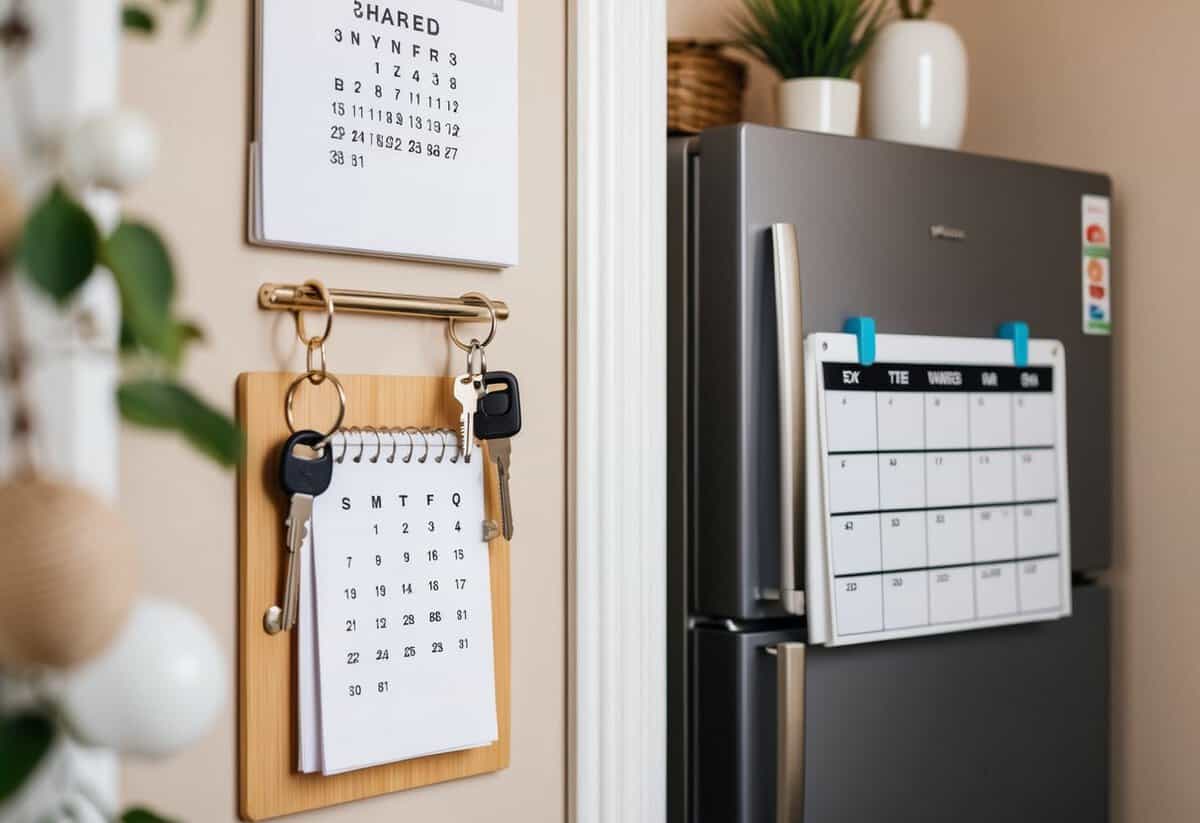
Premarital cohabitation offers a chance to test your relationship in daily life. It can help you understand each other’s habits and how you manage conflicts. Knowing what to expect can set a strong foundation for your future together.
As you weigh the pros and cons, think about your values and what you want from a long-term relationship. This decision could shape how you feel about marriage and your partner.
Exploring the Concept of Cohabitation
Cohabitation refers to couples living together in a shared living space without being married. This arrangement has evolved significantly over time. Understanding its definition, historical context, and current trends can help you decide if living together before marriage is right for you.
Defining Cohabitation
Cohabitation means that two people in a committed relationship share a home. This living arrangement can vary widely, from couples who share a room to those who live in larger spaces together. It is often seen as a step toward marriage, allowing couples to test their compatibility in daily life.
Living together helps you learn about each other’s habits and routines. This experience can lead to a better understanding of what marriage might involve. For many, it provides a chance to build a life together, sharing responsibilities like bills and household chores.
Historical Perspective
In the past, cohabitation was often viewed negatively. Many considered it improper or a sign of instability. However, societal views have shifted dramatically over the decades.
In the 1960s and 1970s, more couples began to live together without marriage. This trend gained acceptance as views on relationships evolved. Today, cohabitation is much more common and is recognized as a valid lifestyle choice. Many people see it as a practical way to strengthen a relationship before deciding to marry.
Current Trends in Living Together Before Marriage
Currently, cohabitation is a widespread practice. Studies show that about 40% of couples live together before tying the knot. This number continues to rise as more people opt for this arrangement.
Reasons for this trend include financial benefits and the chance to intimately know a partner. Sharing living expenses can ease financial pressure, making it easier for couples to manage their budgets. Moreover, living together allows you to see how well you handle various aspects of life, such as conflict resolution and daily routines.
Cohabitation helps you build a solid foundation for your relationship, even if you are not ready to marry just yet.
Weighing the Pros and Cons
Living together before marriage has both advantages and potential challenges to consider. Understanding these factors can help you make the best decision for your relationship.
Advantages of Living Together
There are several benefits to living together before tying the knot. For one, it allows you to learn about your partner’s habits. You can figure out how you both handle chores, finances, and personal space.
You will also have the chance to see if your lifestyles match. Spending more time together can deepen your emotional connection. This can help you understand if you are truly compatible.
Another advantage is having the opportunity to test your relationship in a more realistic setting. You can address issues as they arise, which might lead to stronger communication skills. This also allows you to create a routine and learn to support each other daily.
Potential Disadvantages and Challenges
While there are benefits, there are also challenges to living together. First, it can complicate your relationship dynamics. Sometimes, living together can lead to increased stress and misunderstandings.
If the move is rushed or done for the wrong reasons, it might cause bigger issues later. For example, feeling pressured to live together may affect your decision-making about marriage.
Another point to consider is that some people may struggle with losing their independence. You might feel like you have less personal space or freedom. This can lead to frustration if not discussed openly.
Each relationship is unique, so weighing these pros and cons carefully is essential. Make sure to have open conversations with your partner about your feelings and expectations.
Assessing Compatibility and Commitment
When considering living together before marriage, evaluating compatibility and commitment is essential. Understanding how well you and your partner connect can help create a strong foundation. Commitment ensures you are both invested in making the relationship work.
Understanding Compatibility
Compatibility is about how well you fit together in values, goals, and lifestyles. It involves shared beliefs on important topics like finances, family, and career ambitions. Knowing each other’s habits and preferences also plays a big role.
To assess compatibility, consider these questions:
- Do you both want children?
- How do you view spending money?
- What are your future goals?
Discussing these topics can reveal how aligned you are. A good match can lead to a stronger relationship. If you discover significant differences, it’s crucial to address them early on.
The Role of Commitment in Cohabitation
Commitment in a cohabiting relationship means both partners agree to prioritize the relationship. It’s about more than just sharing a space; it’s a promise to work together through challenges. Commitment can lead to deeper emotional connections, making it easier to handle everyday stress and larger conflicts.
When living together, you should also set clear expectations on responsibilities and boundaries. This clarity helps maintain a sense of respect and balance. Having regular check-ins to discuss feelings or concerns can strengthen your bond and ensure that you both feel heard and valued.
Conflict Resolution in a Cohabiting Relationship
Conflict resolution skills are vital when living together. Disagreements are natural, but how you handle them can make a big difference.
Here are some tips for effective conflict resolution:
- Listen actively to your partner’s point of view.
- Use ‘I’ statements to express your feelings without blaming.
- Seek solutions together that satisfy both partners.
Practicing these skills can not only resolve issues but also strengthen your relationship. By understanding each other’s conflict resolution styles, you can navigate disagreements more smoothly.
Practical Considerations and Outcomes

When thinking about living together before marriage, it helps to weigh the practical aspects carefully. Two major areas to explore are the financial and legal factors involved and how cohabitation might affect divorce rates for couples.
Financial and Legal Factors to Consider
Before moving in together, it’s important to discuss financial matters. You should consider how expenses will be shared, like rent, utilities, and groceries. Discussing these aspects openly can prevent future misunderstandings.
Budgeting Tip: Make a joint budget to manage your finances clearly. This way, both partners know what to expect.
There are legal considerations as well. Depending on where you live, cohabitation may impact things like taxes and property ownership. It’s wise to think about whether you need a cohabitation agreement. This document can outline responsibilities and protect your interests in case the relationship changes.
Impact of Living Together on Divorce Rates
Research shows that cohabitation before marriage can affect divorce rates in various ways. For some couples, cohabitation helps them understand each other’s habits and routines, which can lead to stronger bonds.
On the flip side, other studies indicate that couples who live together may face higher divorce rates. This can happen if they move in for the wrong reasons, like pressure or convenience, rather than commitment.
Make sure to reflect on why you want to live together. The decision should be rooted in love and readiness, not just practical convenience.