
Should You Mix Up Guests at a Wedding? The Benefits of Encouraging New Connections
Weddings are a time for celebration, but they can also bring together a mix of guests who may not know each other well. Mixing guests at a wedding can encourage new connections and create a lively atmosphere.
Instead of keeping people in familiar groups, consider seating them with others who they may not have met before. This approach can lead to fun conversations and lasting friendships.
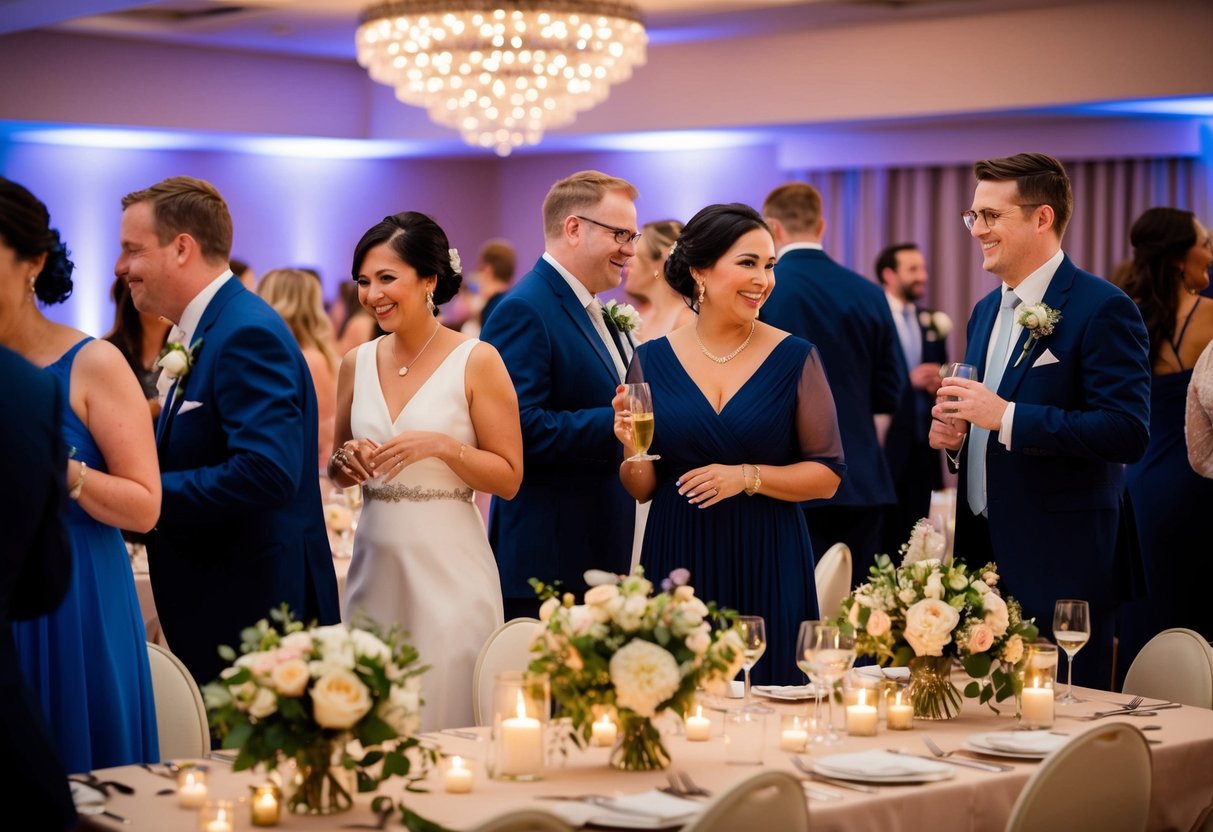
When planning your seating chart, think about your guests’ personalities. A well-mixed table can balance introverts and extroverts, making everyone feel comfortable.
This not only enhances the dinner experience but can also set a joyful tone for the rest of the evening.
If you’re worried about potential awkwardness, don’t stress! Many guests appreciate the chance to meet new people. A diverse seating arrangement can spark interesting discussions and keep the energy high throughout the celebration. Mixing it up might just be the best choice for your big day.
The Art of Seating Arrangements
Creating a thoughtful seating arrangement can enhance the experience for your guests. It involves careful planning and understanding of seating chart etiquette, which helps ensure that everyone enjoys the reception.
Deciding on a Seating Chart
When you begin planning your wedding reception, the first step is to decide on a seating chart. This chart serves as a guide to where guests will sit.
Consider the floor plan of your venue and the shapes of the tables.
Table Types to Consider:
- Round Tables: Great for conversation.
- Rectangular Tables: Ideal for larger groups.
- Sweetheart Table: Perfect for the couple, often placed centrally.
Think about your guests’ relationships. Group people who know each other or share interests. Mixing guests can create new connections, but avoid placing individuals who may clash.
Understanding Seating Chart Etiquette
Seating chart etiquette is key to a pleasant wedding experience. Follow these tips:
-
Assigned Seating: Clearly state assigned seating on each table. This makes it easier for guests to find their spots. A visible seating chart should be placed at the entrance.
-
Flexible Arrangements: While it’s good to assign seating, allow for some flexibility. If a guest wants to sit with a friend not at their assigned table, let them.
-
Head Table: Your head table should be distinct and comfortable, allowing for an enjoyable meal with close family and friends.
-
Mixing Guests: Plan to mix your guests to foster conversation. Place single guests near familiar faces to help them feel at ease.
Creating a Welcoming Atmosphere
A warm and inviting atmosphere is essential for your wedding. Making your guests feel comfortable and engaged can be achieved through thoughtful seating arrangements and inviting interactions during the celebration. Let’s explore how to enhance the connections among your guests through specific strategies.
The Role of Place Cards and Escort Cards
Place cards and escort cards play a crucial role in guiding guests to their seats. They help manage the flow of the event and ensure that everyone knows where to go, but they can also be used creatively to spark conversation.
Using fun or personalized place cards can set the tone for the reception. Consider adding guests’ names and a fun fact about each person. This small touch can encourage guests to interact with those they haven’t met yet.
Escort cards can keep friends together while mixing in new acquaintances. By arranging tables and cards thoughtfully, you can blend familiar faces with new ones. This approach fosters a more dynamic atmosphere, allowing everyone to mix and mingle comfortably.
To Mix or Not to Mix Wedding Guests
Mixing guests at a wedding can enhance social interactions, but it requires a balance. By carefully considering who sits where, you can promote new conversations and connections.
For example, consider a family-style dinner instead of a traditional plated service. This setup encourages guests to share food and stories, creating an intimate environment for interaction.
If you have guests from different backgrounds or interests, it may be beneficial to mix them up at tables. This way, guests can learn from one another about hobbies or experiences, which enriches the overall mood of the celebration.
While traditional seating arrangements might keep close friends together, mixing it up can lead to enjoyable surprises and connections throughout your wedding day.
Logistics and Guest Considerations
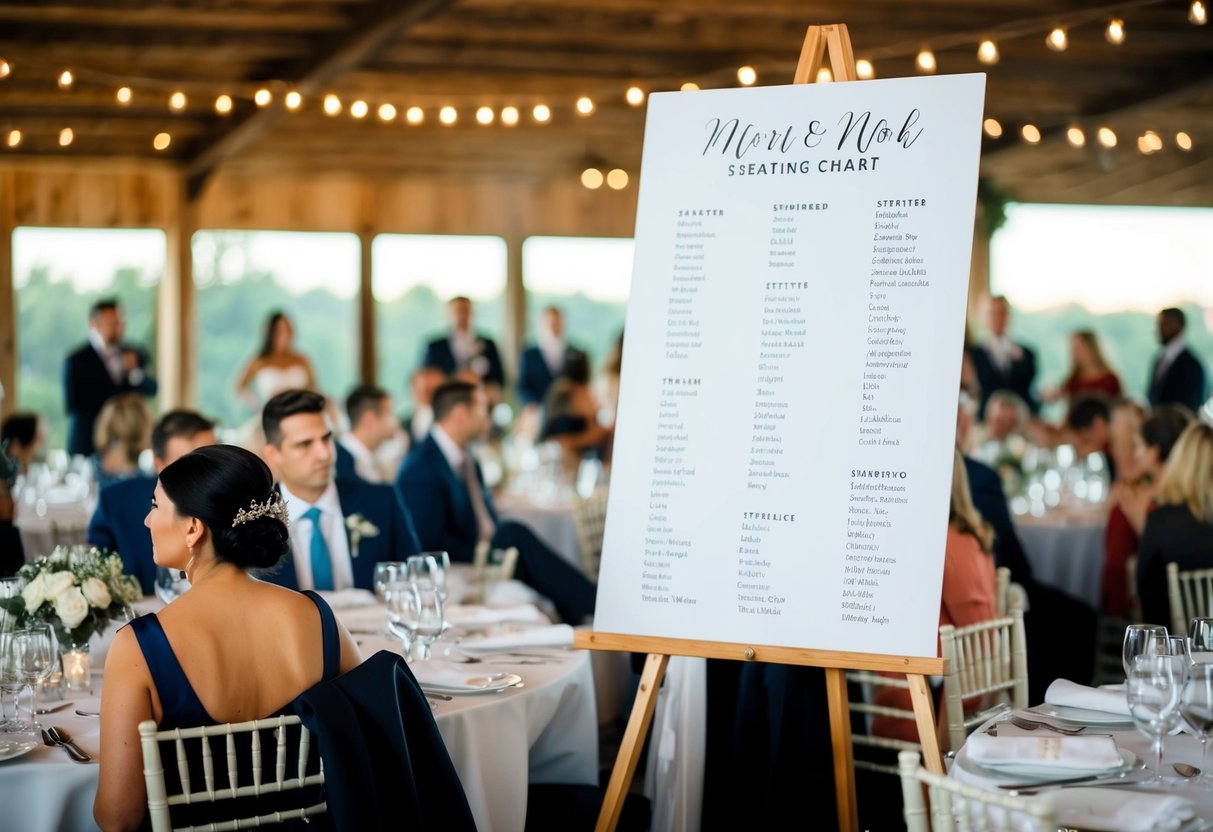
Planning guest arrangements involves careful thought about the seating chart and managing RSVPs. You want to create an atmosphere that encourages mingling and enjoyment while ensuring everyone feels comfortable.
Managing RSVPs and the Guest List
Start by sending out your RSVPs early. This helps you get a better idea of your final guest list for your wedding. Make sure to follow up with guests who haven’t responded.
Once you have your RSVPs, create a detailed guest list. Organize it by categories like family, friends, and colleagues. This can help you in determining how to mix guests.
Consider using a wedding planner or a spreadsheet for ease and accuracy. A clear guest list allows you to create a balanced seating chart later.
Special Table Arrangements
When it comes to seating arrangements, think about special tables like singles tables. This encourages guests to mingle.
You could add groupings based on interests or common backgrounds. For example, put college friends together.
Use a clear seating chart to guide guests to their tables. This sets the tone for the event and helps guests find their seats easily. If your wedding venue allows it, consider signage that directs guests to their assigned tables.
Mixing guests can make the experience memorable. Just remember to keep the dynamics in mind for a fun celebration!