
Should Your Toes Touch the End of Dress Shoes? Understanding Proper Fit
Finding the right fit for your dress shoes can be tricky. You might wonder whether your toes should touch the end of your shoes. Ideally, your toes should have enough space to move comfortably without being cramped against the end. Cramped toes can lead to discomfort and even foot problems over time.
The fit of your dress shoes can affect not just how your feet feel but also how you walk and stand. If your shoes are too tight, you may end up with sore feet by the end of the day. Knowing the right amount of room in your shoes can help you make better choices when shopping.
As you explore the ideal fit for your dress shoes, consider how comfort plays a key role in your overall experience. A well-fitting shoe lets you look sharp while feeling great, so let’s dive deeper into what you should know about shoe fitting.
Understanding Shoe Fit and Its Importance
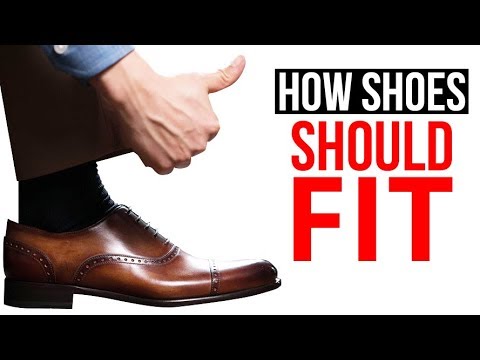
Finding the right fit for your dress shoes is essential for both comfort and health. Proper shoe fit can prevent foot pain and other issues, making it vital to understand how shoes should feel when worn.
The Role of Proper Fit
A proper fit means your dress shoes should not only feel good but also provide support. When trying on shoes, remember these key aspects:
- Toe Space: Your toes should have about 1/2 inch of space at the front. This allows for movement and prevents pinching.
- Width: The shoe should not be too tight on the sides. Your foot should sit comfortably within the shoe without spilling over.
- Heel Fit: There should be a snug fit around your heel to avoid slippage, which can cause blisters.
Ensuring a proper fit makes your dress shoes more comfortable for long periods. It helps you walk confidently without discomfort.
The Anatomy of Dress Shoes
Understanding the parts of a dress shoe can help you gauge fit and comfort better. Here are the main components to consider:
- Upper: This part covers the top of your foot. It should fit snugly without feeling restrictive.
- Insole: A cushioned insole provides support. If it feels too thin, your foot may lack the comfort you need.
- Outsole: This is the bottom part of the shoe that makes contact with the ground. A sturdy outsole can influence how well the shoe absorbs shock.
Paying attention to these elements will guide you in choosing a comfortable and properly fitting shoe.
How Dress Shoes Should Fit

Finding the right fit for your dress shoes is important for comfort and style. Key aspects to consider include how the toe box accommodates your toes, the fit around your heel, and determining the correct shoe size and width.
Toe Box and Toe Fit
The toe box is the front part of the shoe where your toes sit. It’s essential that there is enough room for your toes to wiggle comfortably. A snug fit is necessary, but your largest toe should not touch the front of the shoe. Ideally, you should have about 1/2 inch of space between your longest toe and the front of the toe box.
If your toe box is too tight, it may cause discomfort or even lead to foot problems. Shoes that have a wider toe box can help reduce pressure and allow for better forefoot fit. Remember, it’s crucial for your toes to have space so they don’t feel cramped during daily wear.
Heel Fit and Support
The heel fit is just as important as the toe fit. When you put on your dress shoes, your heel should sit snugly in the heel cup without slipping out. This helps maintain good support when walking.
To check if the fit is right, tie your shoes and stand up. Your heel should not move, but it should not feel overly tight either. If you can easily slide your finger in at the back of the heel, you likely have a good fit. A secure heel fit can help prevent discomfort and ensure stability while you walk.
Determining the Right Shoe Size and Width
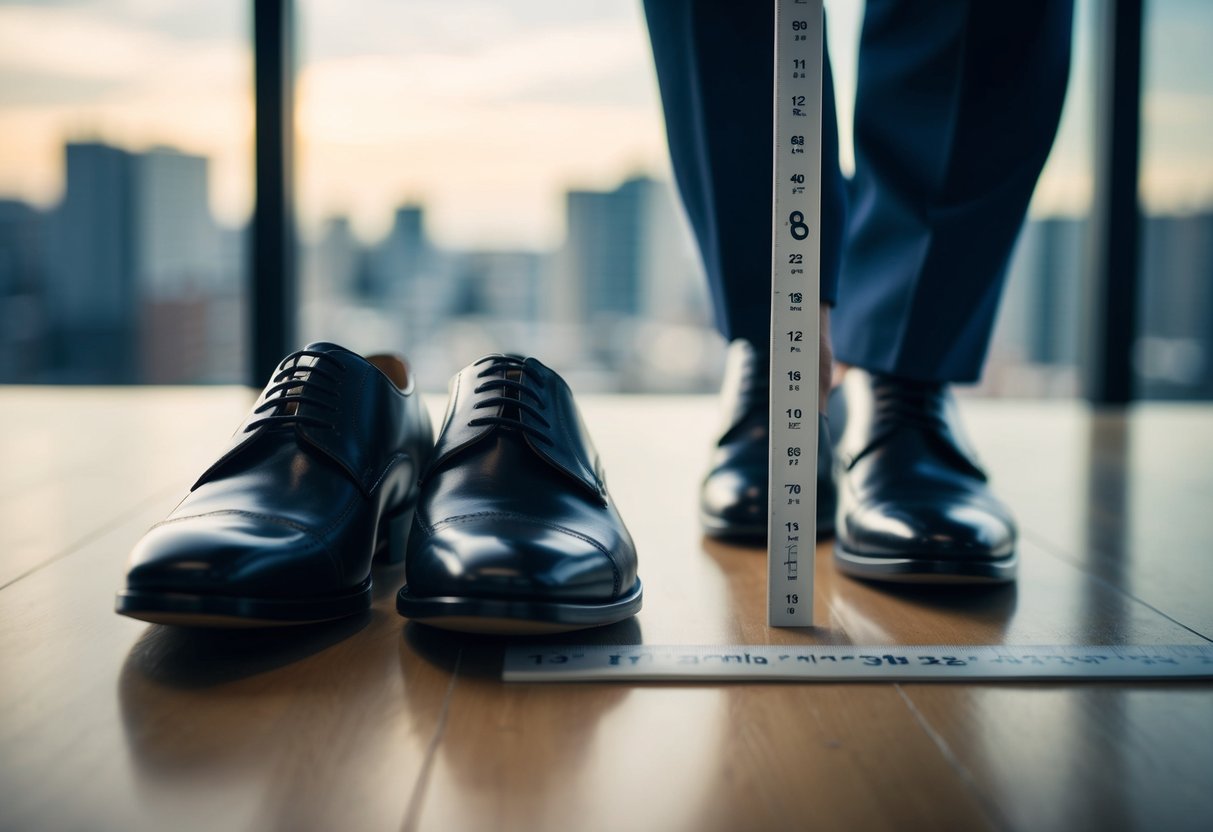
Finding your correct shoe size involves more than just length; it’s also about width. Many people wear the wrong size dress shoes because they’re only thinking about length. Always measure both your foot length and width to ensure a proper fit.
A well-fitted shoe should feel snug but not constricting. When choosing a shoe, try on different widths, especially if you have a wider foot. Some brands offer different widths to accommodate various foot shapes. This attention to detail will help you enjoy your shoes all day long without discomfort.
Common Issues and Solutions
Wearing dress shoes that don’t fit properly can lead to various foot problems. It’s essential to address these issues for comfort and foot health. Here are some common problems and practical solutions to help you enjoy your shoes without discomfort.
Preventing Blisters and Calluses
Blisters and calluses often form when your shoes are too tight or rub against your skin. To prevent these, choose shoes with a proper fit. Ensure there is at least half an inch between your toes and the shoe’s end.
Using thicker socks can create a buffer between your foot and the shoe. This helps absorb friction. If you notice blistering, consider using moleskin or blister pads for protection. Pay attention to any areas where rubbing occurs.
Regularly check your feet for signs of calluses. If you notice any, use a foot file to gently file them down. Keeping your feet moisturized can also reduce the chance of developing these issues.
Adjusting Fit with Insoles and Socks
If your shoes feel slightly loose, consider investing in insoles. They provide additional arch support and can help fill space, preventing your foot from sliding forward. Look for insoles that offer cushioning and shock absorption.
Thicker socks can also help adjust the fit. Choose those that are comfortable and moisture-wicking to keep your feet dry. Make sure your socks are not too tight, as this can cause circulation issues.
Pay attention to your shoes after adding insoles or thicker socks. Make sure your toes do not touch the end of the shoe, which can lead to discomfort.
Addressing Specific Foot Conditions
Foot conditions like bunions, hammertoes, and corns can make wearing dress shoes challenging. For bunions, select shoes with a wide toe box. This will prevent extra pressure on the area.
If you have hammertoes, look for footwear that has flexible material in the toe area. Shoes that allow for movement can ease discomfort.
Using arch support insoles specifically designed for your foot condition can also help. These insoles can relieve foot pain by providing the necessary support and cushioning. Consult with a podiatrist if you have ongoing issues. They can recommend specific solutions tailored to your needs.
Tips for Trying On and Buying Dress Shoes
Finding the right dress shoes is important for both comfort and style. When trying on shoes, focus on fit, materials, and how to navigate online shopping effectively. Here are some key tips to ensure you choose the right pair.
Best Practices for Trying on Shoes
When trying on shoes, always wear the socks you plan to use with them. Thin dress socks can make a shoe feel roomier, while thicker socks might cause discomfort.
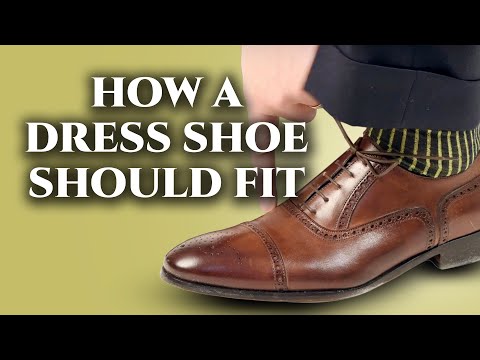
Make sure to walk around the store to test comfort. Your toes should have wiggle room, meaning they shouldn’t touch the end of the shoe. A good rule of thumb is to have about a finger’s width between your longest toe and the shoe’s end.
If you’re between sizes, try on half-size options. A snug fit can feel uncomfortable, while too loose means you risk blisters. Always stand and sit while wearing the shoes to evaluate all angles of comfort.
The Importance of Materials and Construction
The type of material affects not only the look of the shoe but also its comfort. Leather dress shoes tend to be more durable and mold to your foot shape over time. High-quality construction ensures they will last longer while providing better support.
Look for details like cushioned insoles and sturdy outsoles. These elements enhance comfort and reduce fatigue, especially if you’ll be wearing shoes for long periods. A well-made pair will hold up against wear and tear, just like good boots or running shoes.
Pay attention to the shoe lining, as breathable materials can keep your feet cool and comfortable. This is particularly important during events where you may be standing or walking a lot.
Online Shopping for Dress Shoes: Dos and Don’ts
When you buy dress shoes online, always check the sizing chart provided by the brand. Shoe sizing can vary between manufacturers, so don’t assume your regular size will fit.
Do read product reviews to see what others say about shoe fitting. Look for comments on comfort and how close the fit is to true size.
If possible, order multiple sizes and return what doesn’t fit properly. Keep in mind that trying shoes at home can take time, so wear them on carpet to avoid damaging the sole.
Avoid buying during sales without checking the return policy. Sales can be tempting, but if the fit is off, you don’t want to be stuck with shoes that don’t feel right.