
Stag Do Destination Weddings: Choosing Your Wedding Film
For a destination wedding that includes a stag do, choose a documentary-led film package with multi-day coverage so your story can include both the wedding and the time you share with friends. If you’re planning stag do destination weddings, a thoughtful film plan helps you remember the people, place, and small moments that make the trip yours.
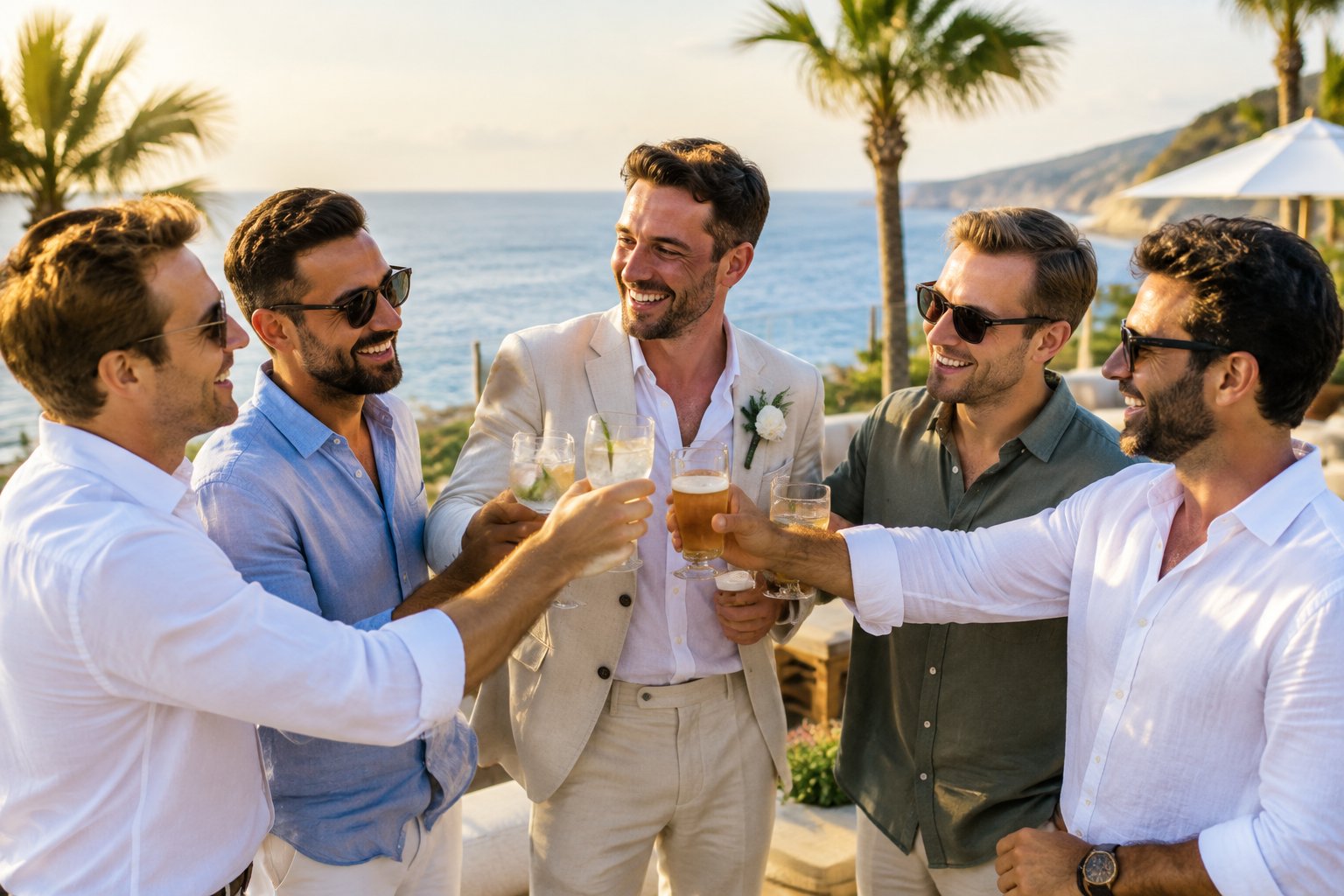
Start by listing the moments you want to hear and see again, from the ceremony to the celebrations around it. Use that list to shape your coverage and talk through your priorities with a videographer.
What Does Destination Wedding Videography Include?
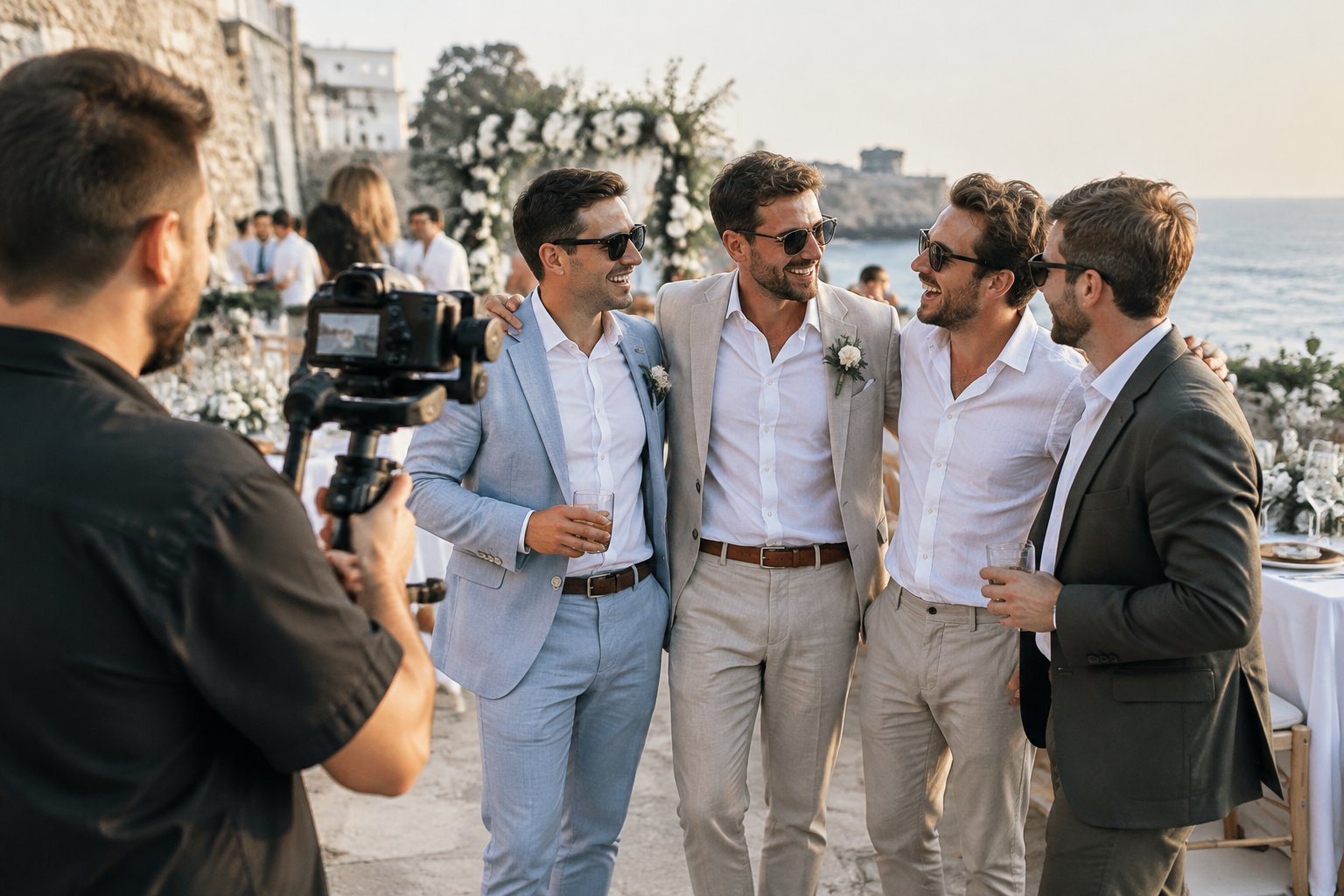
Destination wedding videography can include a short highlight film, full recordings of key events, and coverage across more than one day. Your package should spell out the hours, deliverables, and events covered so you know what you’ll receive.
The Highlight Film and Full-Day Coverage
A highlight film gives you a carefully edited story of the day, often set to music and shaped around key moments. Full-day coverage follows more of the celebration, from getting ready through the reception, and gives your editor more of the day’s sounds and interactions to work with.
Think about what you want to relive. If you want the vows and speeches preserved in full, check whether those recordings are included alongside the highlight. A wedding video package’s included features can vary, so ask for a written list of films, coverage hours, and delivery details.
Ceremony, Speeches, Teasers, and Social Reels
Your ceremony and speeches preserve the words you’ll want to hear again, while a short teaser gives you a quick recap to share. Social reels are edited for vertical viewing and can feature a few moments from the day or weekend.
Ask how the videographer records sound during the ceremony and speeches. Separate microphones or audio recorders help capture clear voices, even when wind, music, or guests add background noise. Confirm whether you’ll receive the full ceremony, full speeches, or selected excerpts.
How Can a Film Capture the Place Without Feeling Staged?
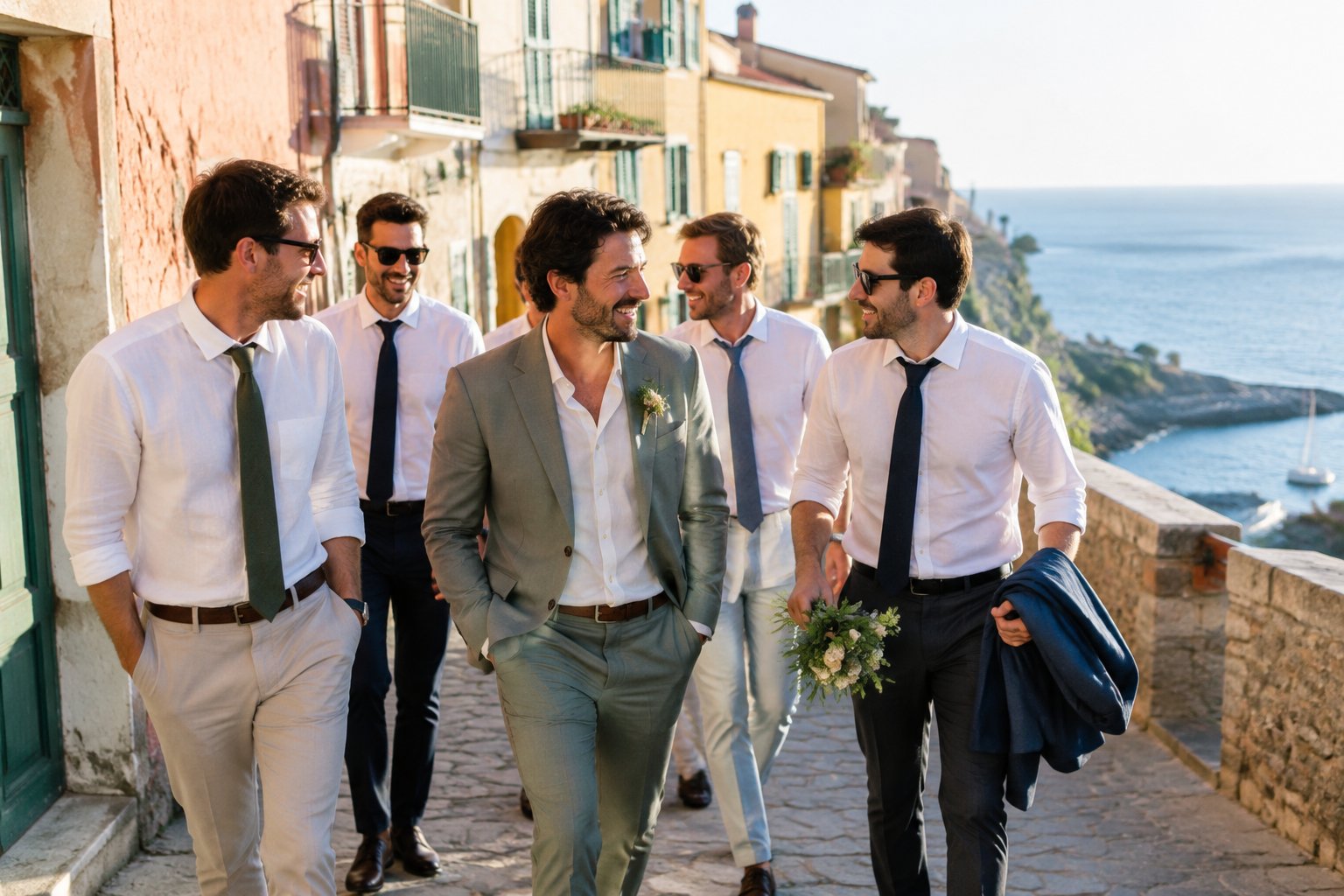
Your wedding films can show the destination through its real sounds, daily rhythms, and details that matter to you. A filmmaker who observes the day and gives you light direction can capture the setting while keeping your relationships at the heart of the story.
Natural Audio and In-Between Moments
The place comes through in more than scenic footage. You might hear waves near the ceremony, music drifting from a nearby street, or friends sharing a toast before dinner. Those sounds help connect the film to the trip you experienced.
Small moments add another layer: a quiet conversation before the ceremony, a friend’s reaction during a speech, or everyone finding their seats as the evening begins. Share the moments you care about, then leave room for your filmmaker to notice spontaneous interactions. If you like a polished visual style, explore what wedding cinematography involves and compare it with the documentary feel you prefer.
Drone Footage and Location Permissions
Aerial footage can establish the setting, showing the coastline, mountains, or venue from above. Before adding it to your plans, ask whether your venue permits drone use and whether local rules allow flights in that area. Weather and safe takeoff locations also affect what the filmmaker can capture.
Your planner or venue contact can help confirm restrictions early. If drone filming is unavailable, ground-level footage can still make the setting feel present through its architecture, landscape, and natural sound.
How Do You Plan Filming Around Travel and Timelines?
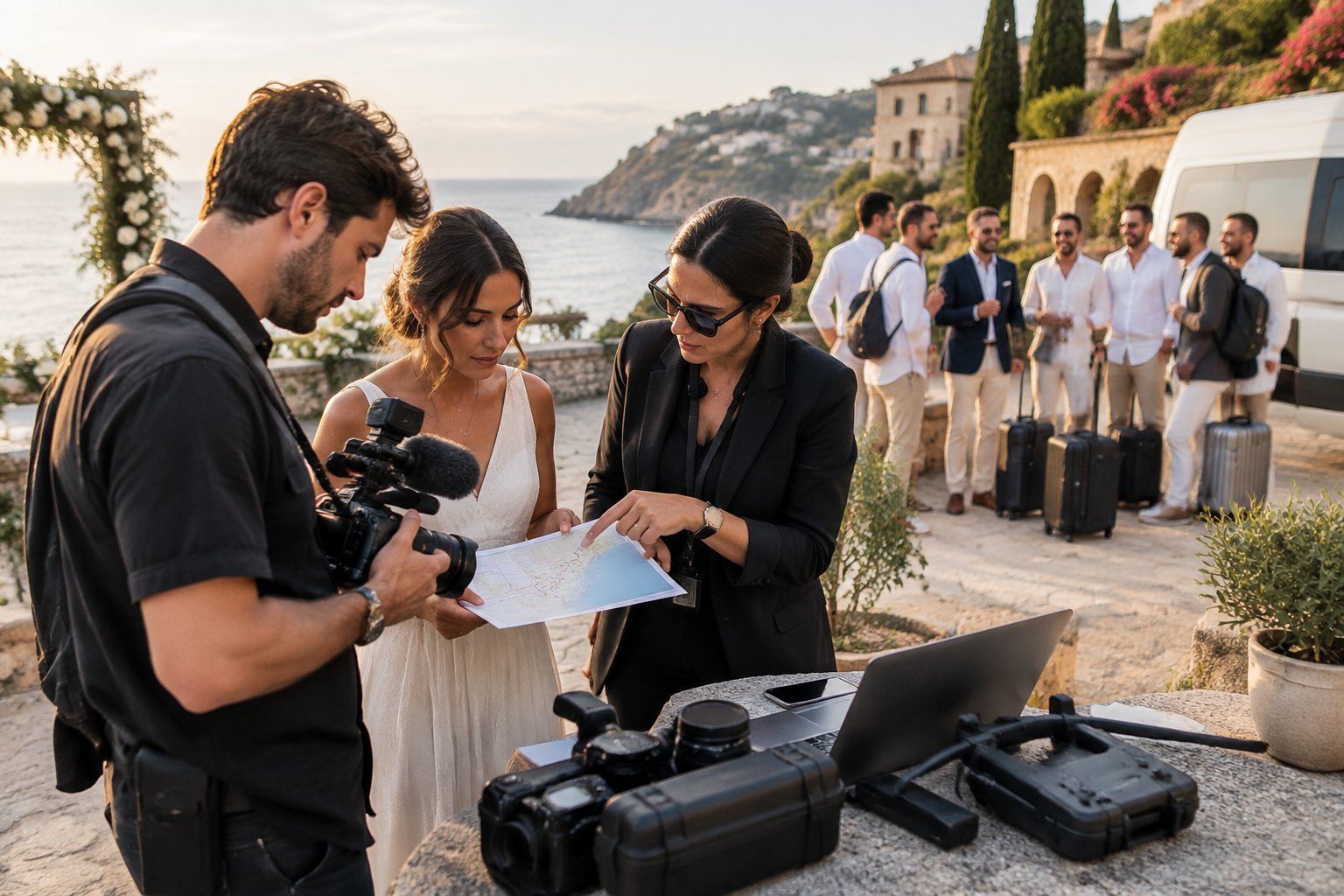
Plan destination weddings filming through early conversations, a shared schedule, and clear travel arrangements. Your filmmaker should know where events happen, how much time each transfer takes, and which moments you want covered.
Pre-Wedding Planning Calls
Use planning calls to share your priorities, venue details, and event schedule. Discuss the style you like, who should be included, and any cultural or family traditions that need thoughtful coverage. A wedding videography plan gives you a useful starting point for these conversations.
Share your final schedule with your filmmaker and planner as it takes shape. Include addresses, transportation details, and a day-of contact. If you have time for a venue visit or a video tour, point out the locations that feel most meaningful to you.
Coordinating Coverage With the Day’s Schedule
Build in enough time for travel, getting ready, and moving between locations. A schedule with breathing room helps you enjoy the day and gives your filmmaker time to capture transitions and guest interactions.
Tell your planner which events are priorities for filming. If you have a welcome dinner, ceremony, reception, or farewell brunch, decide whether you want coverage at each one. When your filmmaker and planner share the same timeline, they can coordinate key moments with your photographer and other vendors.
Can Your Videographer Cover the Stag Do Too?
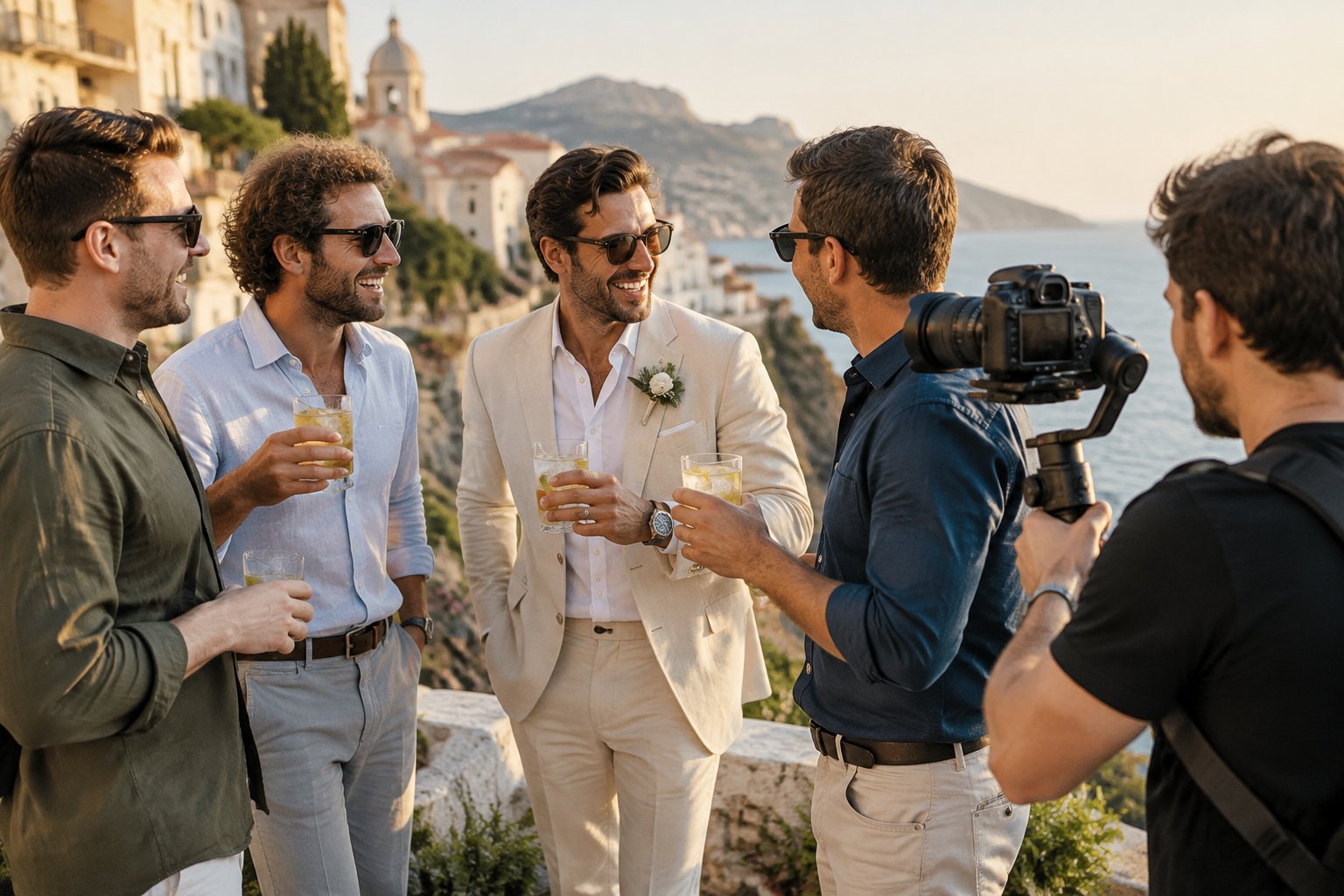
Yes, your videographer can include selected stag do events when you arrange coverage in advance. A few hours of filming can add the friendships and shared activities around the wedding to your finished film.
Deciding Which Events to Film
Choose events that feel meaningful to you and your group. A daytime excursion, shared meal, or relaxed gathering can give the film a sense of the trip and the people who made it special. If you’re choosing where to celebrate, browse ideas for stag do destinations that fit your group’s interests.
Set clear boundaries with your friends before filming begins. Let everyone know when the camera will be present, and agree on moments that should stay private. Your plans should leave room for people to enjoy the celebration at ease.
Checking Availability and Tailored Coverage
Ask whether your videographer is available for the stag do dates and how extra hours affect the package. The stag do may take place days before the wedding, so travel and accommodation plans can shape availability and cost.
You can request a tailored plan, such as a short coverage window for one activity or filming across several events. Share the start and end times, locations, and group size so your videographer can provide a clear quote.
How Do You Choose a Videographer Whose Films Fit You?
Choose a videographer whose complete films feel right to you in their pacing, sound, and level of direction. A strong match will help you feel comfortable on camera while preserving the atmosphere you want to remember.
Reviewing Films From Similar Locations
Watch complete films from settings similar to yours, such as a beach, resort, historic town, or mountain venue. Notice how the filmmaker handles changing light, wind, indoor speeches, and busy dance floors. Short reels show style, while full films reveal how the story holds together from start to finish.
Ask who will film your events and how the team handles travel, backup equipment, and changes to the schedule. For more guidance as you compare options, use these questions for choosing a wedding videographer.
Finding an Authentic, Creative, and Timeless Style
Look for films that balance scenic views with emotion and real audio. You should be able to hear vows and speeches clearly and see guests reacting in the moment. A wedding film with strong storytelling brings those elements together in a way that still feels personal to you.
Talk about how much direction you want. You might prefer candid coverage, a few guided moments for portraits, or a blend of both. Ask to see examples that reflect the approach you have in mind, then discuss how your destination and schedule could shape the final film.
What Affects the Cost of Destination Coverage?
The cost of destination wedding coverage reflects the filming hours, travel arrangements, and final deliverables you choose. Your quote should show each part clearly, including any extra events such as the stag do.
Coverage, Travel, and Film Deliverables
More coverage hours and additional event days add filming and editing time. Travel costs may include flights, lodging, ground transport, and extra days needed around the event. Ask whether travel is included in the package or listed separately.
Check the deliverables as well. A highlight film, full ceremony, speeches, teaser, and social reels each require editing time. Your quote should state what you’ll receive, the expected delivery window, and any fees for additional coverage or edits.
Getting a Quote for Your Plans
Send your date, destination, event schedule, and preferred coverage hours when you request a quote. Include your stag do plans if you want them filmed, and note any venue or travel details you already know.
Ask for an itemized estimate and read the contract for payment terms, cancellation rules, travel delays, and delivery details. With those points in writing, you can compare packages on the coverage and films you’ll receive.