
Stag Do Destinations LLC: Red Stag Hunts Worldwide
If you searched for stag do destinations llc, you may be looking for a bachelor-party trip or for a red stag hunt. For U.S. hunters, red stag hunting means a guided big-game trip, with options in international destinations and select U.S. locations.

Your choice of destination shapes the terrain, hunt style, travel plans, and cost. Before you book, ask the outfitter for current dates and written details about what your package includes.
What Red Stag Hunting Trips Does the Company Offer?
Red stag hunting trips range from free-range stalking to managed estate hunts, with equipment options set by the outfitter and local rules. Your best fit depends on the kind of challenge you want and the hunting methods you are prepared to use.
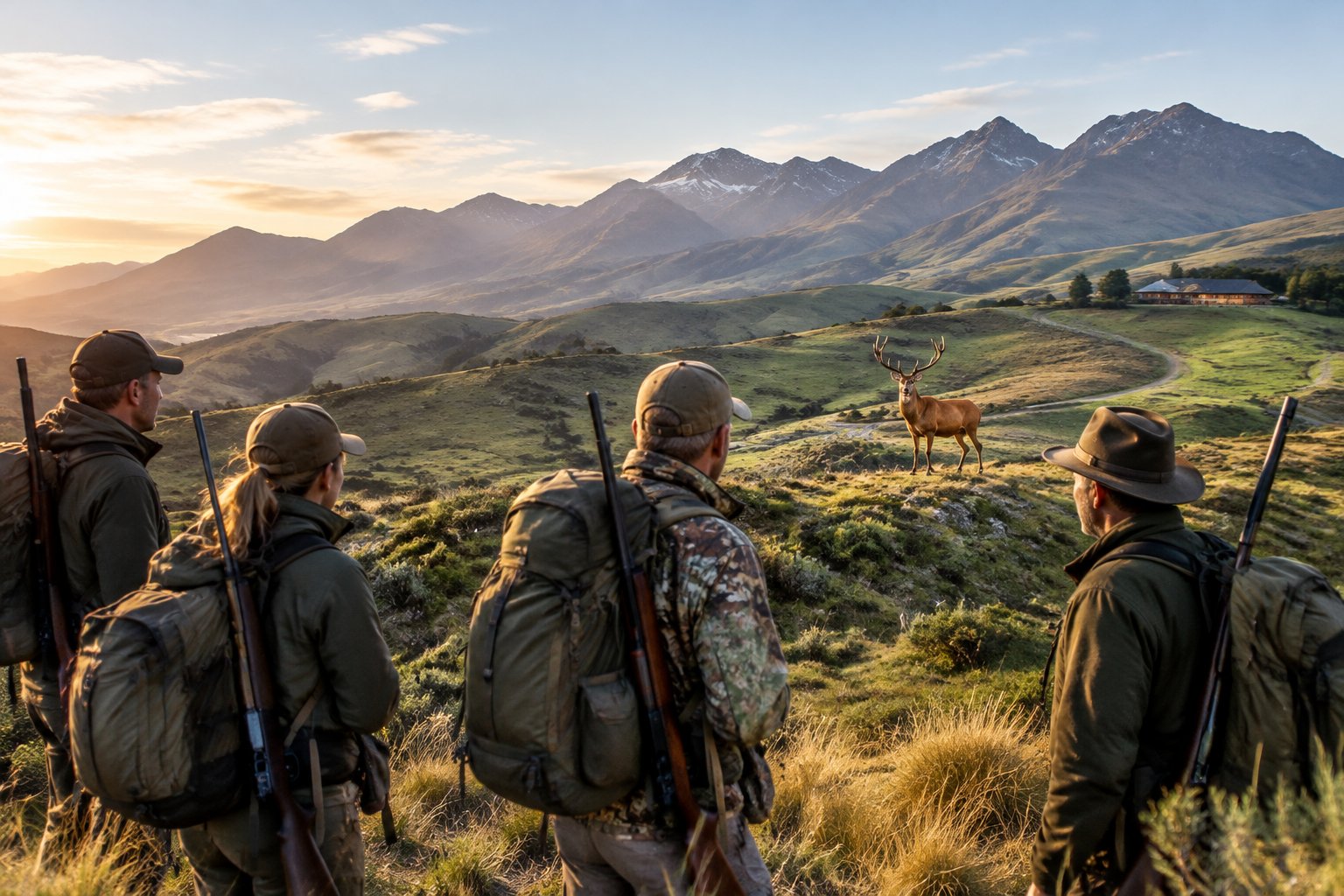
Free-Range and Estate Hunts
A free-range hunt takes you across open or rugged habitat where stags move freely. You’ll work with a guide to spot animals, read sign, and plan a careful approach. The terrain and animal movement make each day unpredictable, so ask about expected walking distances and the physical demands.
An estate hunt takes place on managed private land. The size and layout of the property, along with its herd management, shape the experience. Ask how the hunt is conducted, what limits apply, and whether the quoted package includes a trophy fee.
Bow, Crossbow, and Rifle Options
Your equipment options depend on the destination, outfitter, and local hunting rules. Rifle hunts are offered in many destinations; bow and crossbow use requires specific approval from the outfitter and confirmation that local rules allow it.
If you plan to bring your own firearm, ask about the required permits and transport process early. You can also ask whether a suitable rifle is available to rent at the destination.
Where Can You Hunt Red Stags?
You can pursue red stags in South America, Europe, New Zealand, and select U.S. locations. Each destination brings different seasons, terrain, travel demands, and rules for hunters.
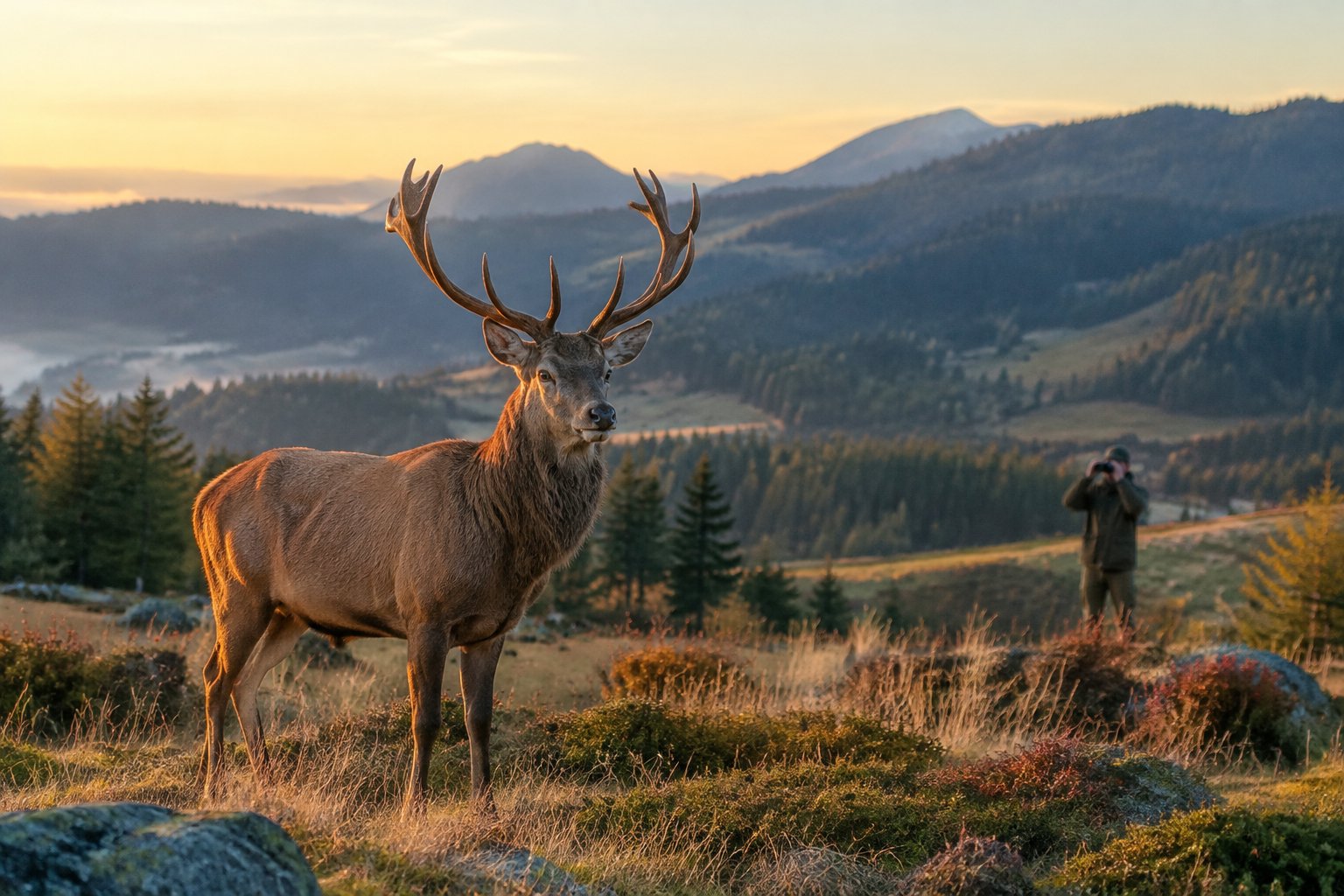
Argentina’s La Pampa Region
La Pampa offers open country and scrub habitat for guided red stag hunts. You may also find outfitters with combination trips that include other game or bird shooting. Confirm which activities are included in the package and whether each requires a separate fee or license.
Ask your outfitter about transfer time from your arrival airport, lodging location, and the amount of walking expected each day. Those details help you plan flights and decide what gear to pack.
New Zealand and Spain
New Zealand’s South Island is known for red stag hunting in mountain and high-country settings. The roar, or rut, falls in the Southern Hemisphere’s autumn, with March and April among the key months. Check the outfitter’s current season dates and the fitness demands of its hunting area.
Spain offers another European option, with hunt conditions shaped by region and property. Confirm the specific dates, method, lodging, and permits with your outfitter before booking flights.
Red Stag Hunts in the United States
You can find red stag opportunities on private ranches and hunting properties in the United States, including Texas. These trips may reduce international travel planning, while the property’s rules and package terms still vary.
Ask for the ranch location, available dates, antler-class details, and a written fee schedule. Check whether lodging and meals are part of the price.
What Happens During a Typical Hunt?
A guided hunt follows a daily plan built around animal activity, local conditions, and the style of hunt you booked. You’ll receive a safety briefing and guidance on how to move through the hunting area.
Stalking During the Roar
During the roar, stags call as they compete for mates, which helps guides locate active animals. Your guide may use calls or direct you toward areas where stags have been heard. You’ll move carefully, follow instructions, and take a shot only when your guide confirms it is safe and within your ability.
Conditions vary by destination and day. Bring clothing for changing weather, and ask the outfitter how much hiking its hunt requires.
Guides, Lodging, and Daily Schedule
Your guide helps you navigate the property, identify animals, and follow local hunting rules. Lodging may be at a hunting lodge or another nearby property, so confirm the address and what services are included.
A hunting day often begins early, with time in the field followed by a return to camp or lodging. Ask how meals, transport to the hunting area, and non-hunting activities fit into your schedule.
When Should You Book, and How Much Does It Cost?
Book around the destination’s season and the outfitter’s available dates, then compare full package costs before paying a deposit. Prices depend on the hunt, accommodation, trophy terms, and travel expenses.

Season Timing by Destination
In Argentina and New Zealand, the red stag roar takes place during the Southern Hemisphere’s autumn, with March and April key months in many areas. European seasons fall at different times; ask your outfitter for the dates that apply to its region and property.
U.S. ranch dates depend on the property’s schedule and local rules. Contact the outfitter early to confirm openings, deposit terms, and any required license dates.
Package Inclusions and Extra Charges
A written quote should show what you pay for the hunt and what you need to arrange separately. Check whether lodging, meals, guide service, local transport, and firearm use are included.
Budget for airfare and transfers, plus any separate trophy fee, taxidermy, or shipping charge. Ask about deposit deadlines, cancellation terms, and the payment schedule before you commit.
What Should International Hunters Arrange Before Traveling?
For an international hunt, arrange flights, firearm paperwork, and trophy plans well before departure. Your outfitter can explain destination-specific steps, while you remain responsible for checking current airline and government rules.
Flights, Transfers, and Firearm Permits
Check passport validity and entry requirements for your destination and any country where you connect. If you’re traveling with a firearm, confirm airline procedures, transit rules, and the destination’s import permit process before buying tickets. Keep permit copies and your hunt documents accessible during travel.
Ask whether the outfitter provides airport transfers and whether it offers a rental firearm. If you bring your own, confirm the approved case and ammunition rules with each airline and relevant authority.
Trophy Preparation and Shipping
Before your hunt, ask how the outfitter handles field preparation and which local services are available. Get a written estimate for taxidermy, export paperwork, freight, and delivery to the United States.
Confirm the current U.S. import requirements for your trophy and keep copies of permits, receipts, and shipping records. Your outfitter and taxidermist can explain the documents they provide and the steps you must complete before travel.