
Was Queen Elizabeth Buried with Her Wedding Ring? Exploring the Royal Tradition
The passing of Queen Elizabeth II marked the end of an era. Many people wondered about the details of her final rest. You may be surprised to learn that she was buried with her gold wedding ring, which held deep sentimental value. This simple act reflects her humble nature, emphasizing that even a queen cherished personal mementos over priceless jewels.
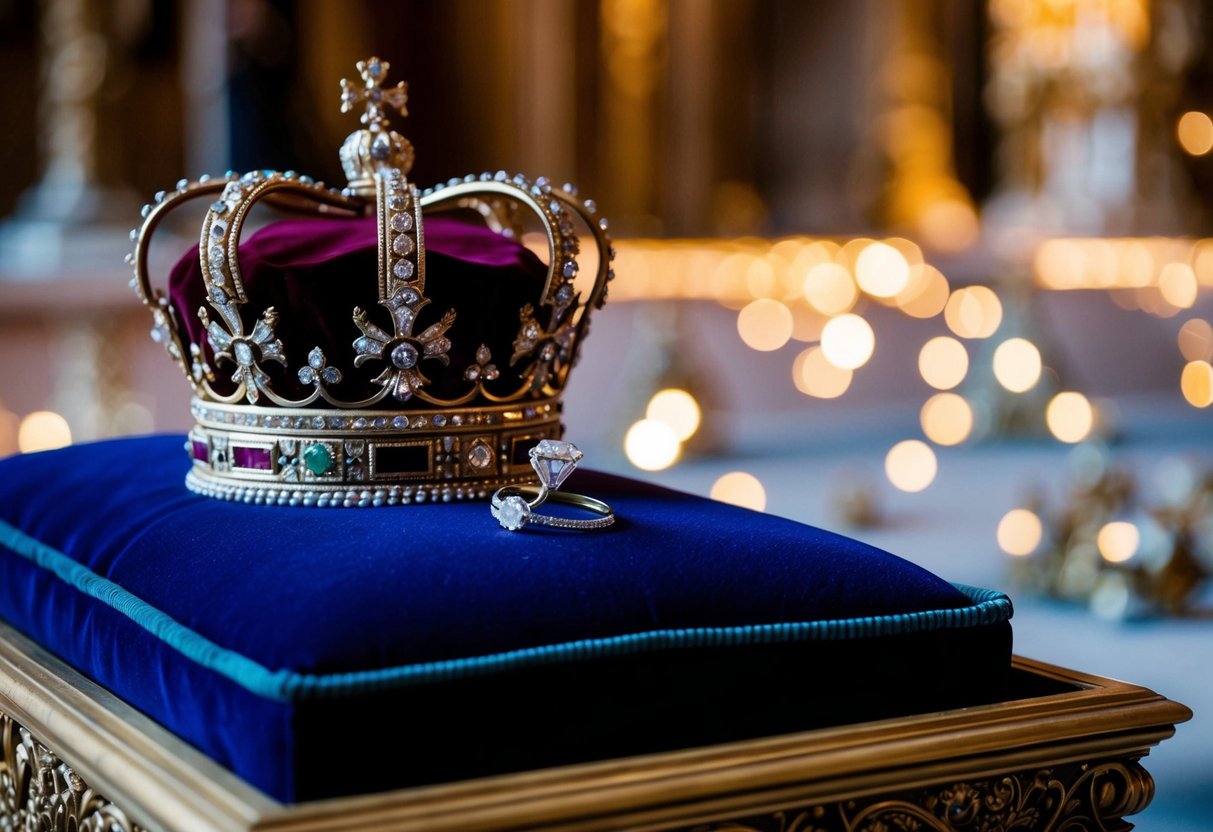
At her funeral, the world watched as the queen’s dedication to her family shone through in the small, meaningful items she chose for her burial. Along with her wedding ring, she was laid to rest with a pair of pearl earrings, chosen for their personal significance rather than their monetary worth. This choice speaks volumes about her values and connection to her loved ones.
As you explore the details surrounding Queen Elizabeth’s burial, you’ll discover how her choices mirror the life she lived—one filled with love, duty, and a focus on what truly matters.
The Significance of Jewelry in the Royal Family
Jewelry in the royal family carries deep meaning and tradition. Each piece symbolizes connections to history, personal milestones, and cultural heritage. You can see this significance especially in wedding bands and unique collections that mark important royal moments.
Tradition of Welsh Gold Wedding Bands
Welsh gold has a special place in the royal tradition. This rare gold has been used exclusively for royal wedding rings since 1923. Queen Elizabeth II’s wedding band was made from Welsh gold.
The ring symbolizes a connection to the land of Wales and the royal family’s commitment to their heritage. Other royals, like the Queen Mother, also wore Welsh gold wedding bands, emphasizing its importance.
Not only is it a wedding ring, but it is also a reminder of the royal family’s long history and ties to the UK. Many believe that wearing Welsh gold brings good luck and strengthens family bonds.
The Legacy of Queen Elizabeth’s Jewelry Collection
Queen Elizabeth II had a remarkable private jewelry collection that showcased her style and history. The collection includes stunning pieces, like the Grima Ruby Brooch, which holds special memories for her.
Throughout her reign, she used jewelry to express sentiment. Each item told a story, whether it marked an occasion or conveyed unspoken messages. Her collection included pearls, diamonds, and sapphires that held personal and royal significance.
Jewelry became a way for you to understand her life as a monarch and a woman. The legacy of her collection continues to inspire admiration and respect, underlining the importance of jewelry in royal life.
Queen Elizabeth II’s Personal Jewelry
Queen Elizabeth II had a remarkable collection of personal jewelry that reflected her status and style. Her pieces often carried deep historical significance and personal connections, notably her wedding ring. The Queen’s jewelry also included renowned jewels that symbolize her reign.
The Wedding Ring and Its History
Queen Elizabeth II’s wedding ring was made from pure Welsh gold, specifically from the Clogau St. David’s mine. This ring was a symbol of her union with Prince Philip, whom she married in 1947.
When you think about the importance of this ring, it’s remarkable to note that Welsh gold has been used in royal wedding bands for generations. The Queen Mother’s ring was also crafted from this precious metal. The history behind this choice adds a heartfelt touch to the Queen’s simple yet elegant gold band.
Icons of a Reign: Crown Jewels and Personal Ornaments
The Queen’s personal jewelry collection featured a dazzling array of items, including earrings, necklaces, and brooches. Some of her most famous pieces included diamond brooches and pearl earrings.
The Koh-i-Noor diamond, part of the Crown Jewels, is one of the most recognized jewels in history and was worn by the Queen on special occasions. Every piece she wore told a story, connecting you to the past while showcasing her style.
These jewels not only adorned the Queen but also represented her legacy and commitment to the monarchy.
Royal Funerals and Heirlooms
Royal funerals hold deep significance, often reflecting the values and traditions of the monarchy. They are marked by ceremonial rituals and the symbolic presence of heirlooms that connect past and present.
Regal Ceremonies and Burial Customs
When a monarch like Queen Elizabeth II passes, the funeral becomes a grand event. It often takes place at notable sites like Westminster Abbey, a location rich in royal history.
Family members, including King Charles III and Princess Anne, gather to honor their loved one. The ceremony is filled with solemnity and respect, featuring military honors and beautifully crafted state ceremonies.
Heirlooms play a vital role here. For instance, the Queen was buried with her cherished wedding ring and a pair of pearl earrings, representing her deep personal connections. These items serve as a bridge between her legacy and that of the royal family.
The Transfer and Preservation of Royal Jewels
After a royal funeral, people become interested in what will happen to the remaining jewelry. Most of the jewelry that isn’t buried stays in the royal collection. There, it is carefully preserved for future generations.
Queen Camilla and other family members continue to uphold traditions surrounding these legacy pieces.
The royal jewelry collection includes items with historical significance, like the imperial state crown. These jewels are not only valuable but are also stories waiting to be told, connecting royal history to the present.
The careful handling and upkeep of such heirlooms ensure that future royals can cherish and use them in their ceremonies.