
What Age is a Rooster Stag? Understanding Rooster Maturity Stages
When it comes to understanding your flock, knowing the age classifications for chickens is essential. If you’re curious about what age a rooster stag is, you’re in the right place. A stag is a male chicken between 5 to 11 months old. At this age, they are still developing but are starting to show the traits of a rooster.
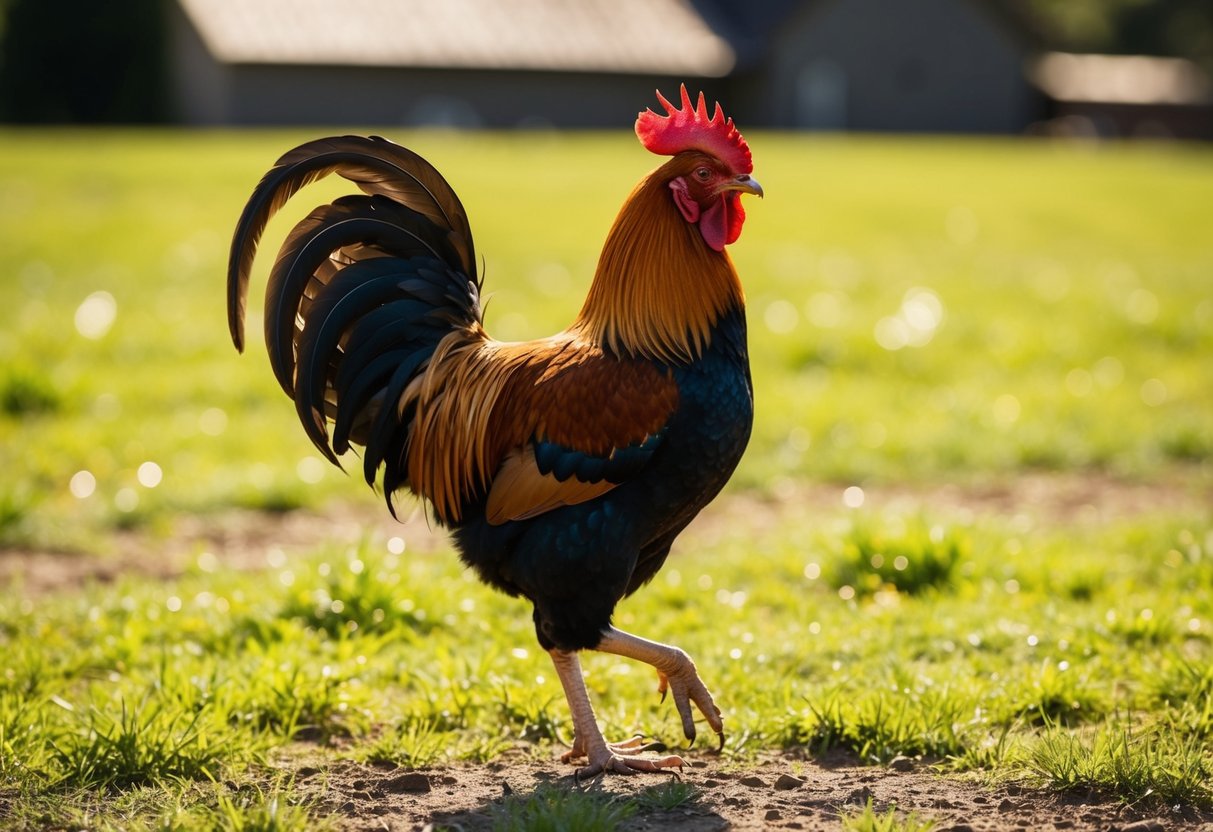
As you care for your young poultry, it’s helpful to know how they grow and change. For instance, before a stag, young male chickens are known as chicks, and once they reach over a year, they become cocks. Similarly, female chickens also have their own stages, like pullets for young hens under a year.
Understanding these terms not only helps you communicate better with other chicken keepers but also assists you in managing their needs as they grow. Each breed may have its unique characteristics, so getting familiar with these stages is a great way to ensure your flock stays healthy and happy.
Understanding Poultry Terminology
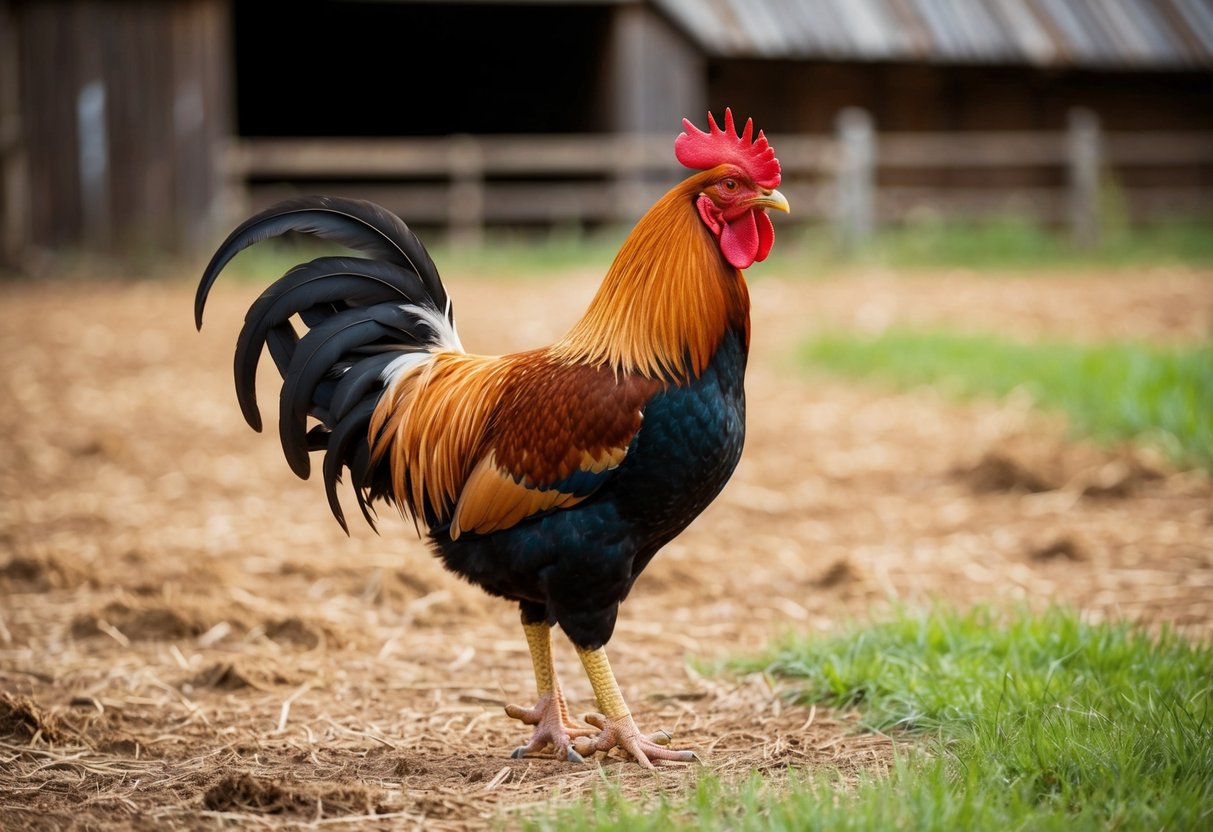
When raising poultry, it’s important to know the terminology used to describe different ages and types of chickens. Recognizing the key terms will help you understand your flock better and communicate effectively about them.
Distinguishing Roosters, Hens, and Chicks
In poultry, males and females are labeled differently based on age and maturity. A rooster is a mature male chicken, while a hen is an adult female. Baby chickens are referred to as chicks.
As they grow, female chicks become pullets when they are under one year old. Males also go through stages. A young male under one year old is often called a cockerel. The terminology varies, but understanding these terms helps when discussing breeding and care.
Stag: Defining a Young Rooster
The term stag applies specifically to male chickens aged 5 to 11 months. While similar to the term cockerel, stag is often used in contexts involving game breeds or competitive events like cockfighting.
A stag isn’t yet considered fully mature, but they are nearing the transition into adulthood. At this age, they may start developing noticeable features like a larger comb and wattles. Understanding these terms helps you know at what age a rooster’s behavior and traits start changing.
The Life Stages of Male Chickens
Male chickens go through distinct life stages. Here’s a quick overview:
- Chick: Up to 6 weeks old.
- Cockerel: 6 weeks to 1 year.
- Stag: 5 to 11 months, often used with game breeds.
- Cock: Over 1 year, a fully mature male.
At each stage, their needs and behaviors change. Younger males are more playful, while older roosters may display territorial behavior. Knowing these stages helps you manage your flock effectively and recognize developmental milestones.
The Growth and Development of Roosters
Roosters go through several growth stages from hatchlings to mature stags. Each stage brings changes in behavior, physical traits, and overall development. Here’s a closer look at the important phases of their growth and what you can expect.
From Chick to Stag: Ages and Phases
Roosters begin their journey as chicks and develop rapidly within their first year. Starting from day one, they grow quickly. Around 4 to 5 months, they reach their sexual maturity. This is when they are often referred to as stags or cockerels.
As they transition through different ages, you will notice their behavioral changes. Young roosters may be playful and less confident. By about 6 months, they start to exhibit crowing and mounting behaviors. At this stage, you can also observe the beginnings of their spurs forming on their legs.
By 11 months, they reach full maturity. During this period, you will see significant growth in their combs and wattles, which can indicate their health and status within the flock.
Physical and Behavioral Characteristics of a Stag
Once roosters hit their stag phase, their physical characteristics become more prominent. They typically have larger and more vibrant combs and wattles, signaling maturity. These traits are not just for looks; they play a role in attracting hens and asserting dominance.
Behaviorally, mature roosters become more territorial and protective of their group. They may display aggressive behaviors toward other males. This is normal as they establish their place in the pecking order.
Their crowing becomes louder and more frequent, as it serves as both a territorial marker and a way to communicate. With good care, your rooster should remain healthy and active during this growth period, showcasing all the traits that make him a proud and lively stag.
Breeding and Maturity in Poultry
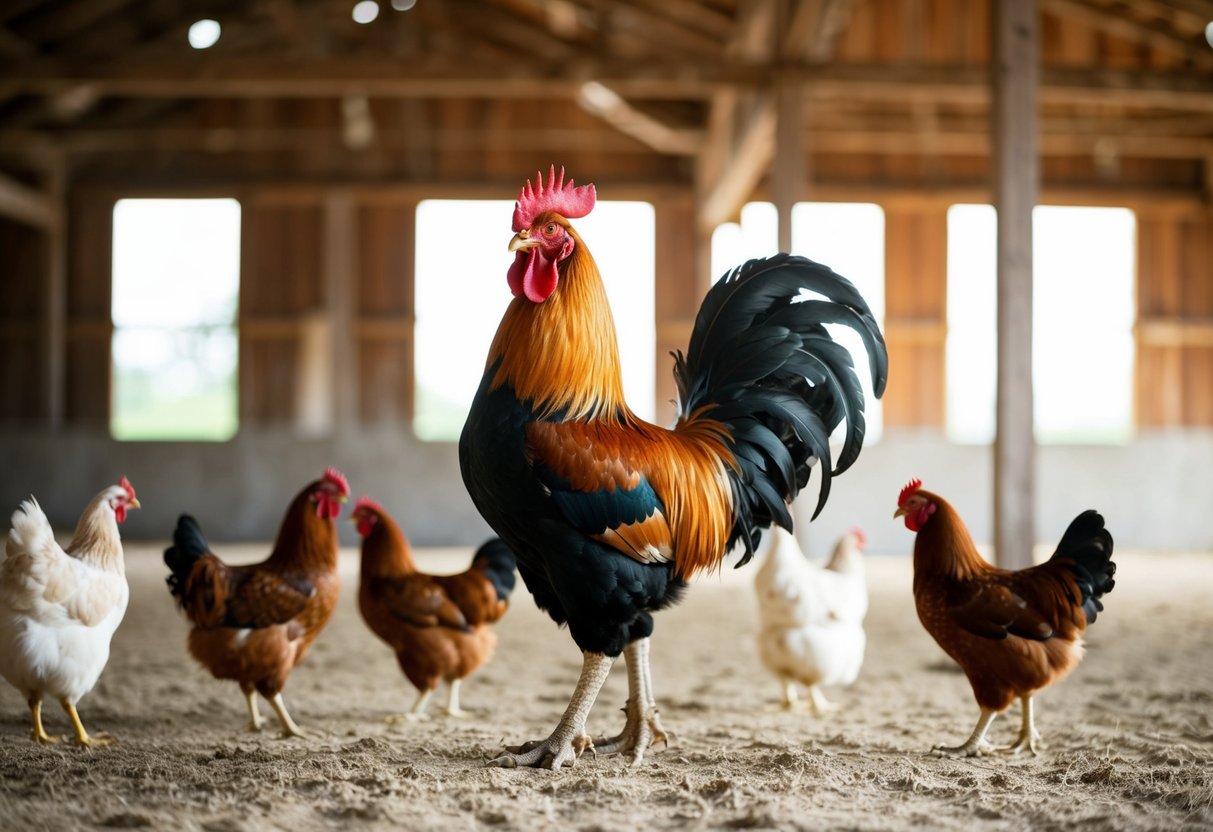
Understanding breeding and maturity in poultry is essential for successful raising. Knowing when your roosters reach maturity helps with reproduction and overall flock management. This section covers the roles of stags in breeding, key milestones for roosters, and the essentials of hatching and incubation.
The Role of Stags in Breeding
Stags are young male birds, usually less than one year old. They play a crucial role in breeding, especially in gamefowl management. When they reach maturity around 4-5 months, they start to exhibit mating behaviors such as crowing and mounting hens.
A good stag can significantly increase your flock’s genetic diversity and vitality. Remember to monitor their health, as this affects their ability to breed effectively.
It’s important to maintain a balanced ratio of stags to hens for optimal egg production. Too many stags might lead to stress among hens and reduce hatchability.
Maturity Milestones for Roosters
Roosters go through various maturity milestones, affecting their reproductive abilities. At 4-5 months, they are generally considered sexually mature and can start mating. By 6-8 months, their mating behavior becomes more frequent, and they become more dominant in the flock.
Monitor these milestones closely. Signs of maturity include increased crowing and showing interest in hens. Healthy roosters can reproduce over several years, so proper nutrition and care are vital during their adult life.
Understanding the genetics of your birds can also help. Some breeds mature faster than others, influencing your breeding strategy.
Hatching and Incubation Essentials
To ensure high hatchability, focus on key incubation factors.
Maintain a humidity level of about 50-55% during incubation. Then, increase it to 65% during the last few days before hatching. Proper ventilation is also crucial for healthy developing chicks.
Choose eggs from healthy hens for the best results. Fresh eggs (not older than a week) will typically yield better hatch rates.
If you’re using a straight run of chicks, be prepared to manage both genders as they grow.
Hatching can be an exciting time, and following these guidelines should help you succeed in growing a healthy flock.