
What Are Brides Most Nervous About at Their Wedding? Exploring Common Wedding Day Fears
On your wedding day, it’s common to feel nervous. For many brides, the biggest source of anxiety comes from being the center of attention during the wedding dance. It’s a moment that many look forward to, yet it can be daunting.

Along with the dance, there are many other stressors during wedding planning that can lead to pre-wedding anxiety. You might worry about pleasing family, managing guests, or even making sure everything runs smoothly. Remember, it’s normal to feel this way, and knowing the common fears can help you prepare and ease your mind as your special day approaches.
You’re not alone in this experience. Many brides share these feelings, and understanding what causes this anxiety can make all the difference. Embracing these fears and finding ways to handle them will help you enjoy your wedding day even more.
The Emotional Rollercoaster of Wedding Planning
Planning a wedding can feel like an emotional ride. You may face challenges such as balancing family opinions, managing your own expectations, and handling pre-wedding anxiety.
Focusing on self-care and mindfulness is essential for your mental health during this time.
Managing Expectations and Family Dynamics
You have your own dream for the wedding, but family dynamics can complicate things. Parents and relatives often have strong opinions about the guest list, venue, and budget. This can create tension and lead to stress.
To manage these expectations, you need open communication. Sit down with family members to discuss their wishes while expressing your vision. Make a list of priorities for both you and your family. This helps to find common ground and reduces misunderstandings.
You might find it helpful to set boundaries around certain decisions. It’s your special day, and it’s okay to politely say no to ideas that don’t resonate with you.
Pre-Wedding Jitters and Anxiety
Feeling nervous before the big day is normal. Studies show a significant percentage of brides feel anxious due to being the center of attention, especially during key moments like the first dance. Acknowledging this anxiety is the first step.
To help manage these jitters, consider practicing relaxation techniques. Breathing exercises or short meditation sessions can work wonders. Making sure to get enough sleep and eat well will also support your mental health.
Create a checklist for the days leading up to your wedding. Knowing you’re prepared will help ease your mind and make you feel more in control.
The Importance of Self-Care and Mindfulness
Self-care is crucial when planning your wedding. Taking time for yourself can help you recharge and maintain a positive mindset. Incorporate activities you love, whether it’s reading, walking, or hobbies.
Mindfulness techniques can also be beneficial. Try setting aside a few moments each day to practice mindfulness. Focus on your breathing or reflect on what you’re grateful for. This can reduce stress and ground you in the present.
Don’t forget to lean on your partner for support. Sharing your feelings can lighten the emotional load. Together, you can navigate this exciting and sometimes overwhelming experience.
Navigating the Big Day
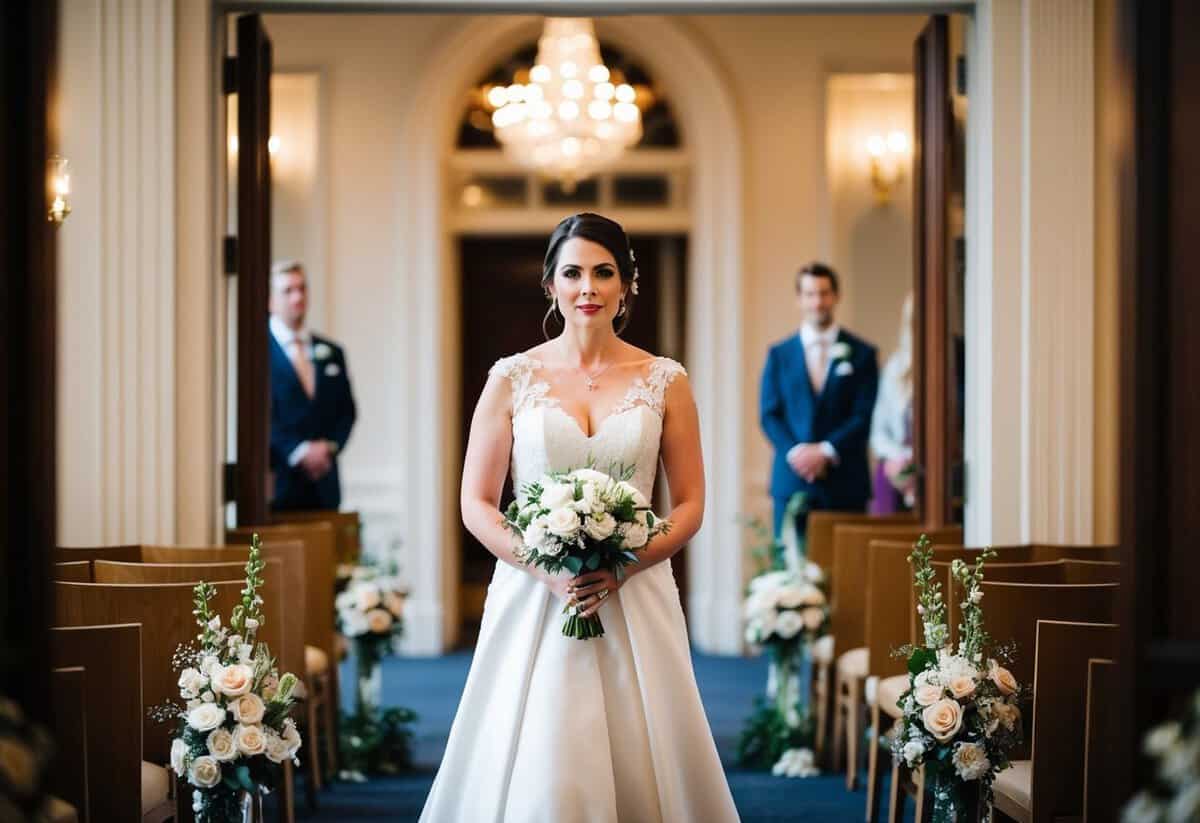
Your wedding day is a beautiful moment, but it can also bring a lot of nerves. It’s important to focus on specific ways to handle feeling anxious, being in the spotlight, and managing last-minute surprises.
Coping with Being the Center of Attention
Being the center of attention on your wedding day can feel overwhelming. You may feel pressure during key moments, like the first dance. To cope, try practicing your dance with a friend. This can help ease your nerves and make you more comfortable.
Another tip is to focus on your partner instead of the crowd. Remind yourself that this day is about both of you celebrating your love. It can be reassuring to keep in mind that your guests are there to support you.
Dealing with Wedding Stress and Unexpected Situations
It’s common to experience wedding anxiety, especially with all the moving parts. Prepare by creating a “Plan B” for possible issues, such as rain or last-minute vendor changes. Having a backup plan helps you feel more in control.
Remember to take deep breaths when stress creeps in. You might also want to delegate tasks to trusted friends or family to lighten your load. Sharing responsibilities can significantly reduce your anxiety on the big day.
Last-Minute Preparations and Stress Management
Last-minute preparations can lead to additional stress. Make a checklist of essential tasks to complete the day before. This could include confirming appointments or organizing personal items you’ll need.
On the morning of the wedding, take some time to relax. A simple walk or some quiet moments can help clear your mind. Consider using calming techniques like deep breathing or meditation to keep anxiety at bay. These small moments of peace can set a positive tone for your entire day.
Practical Tips for Smoothing the Path
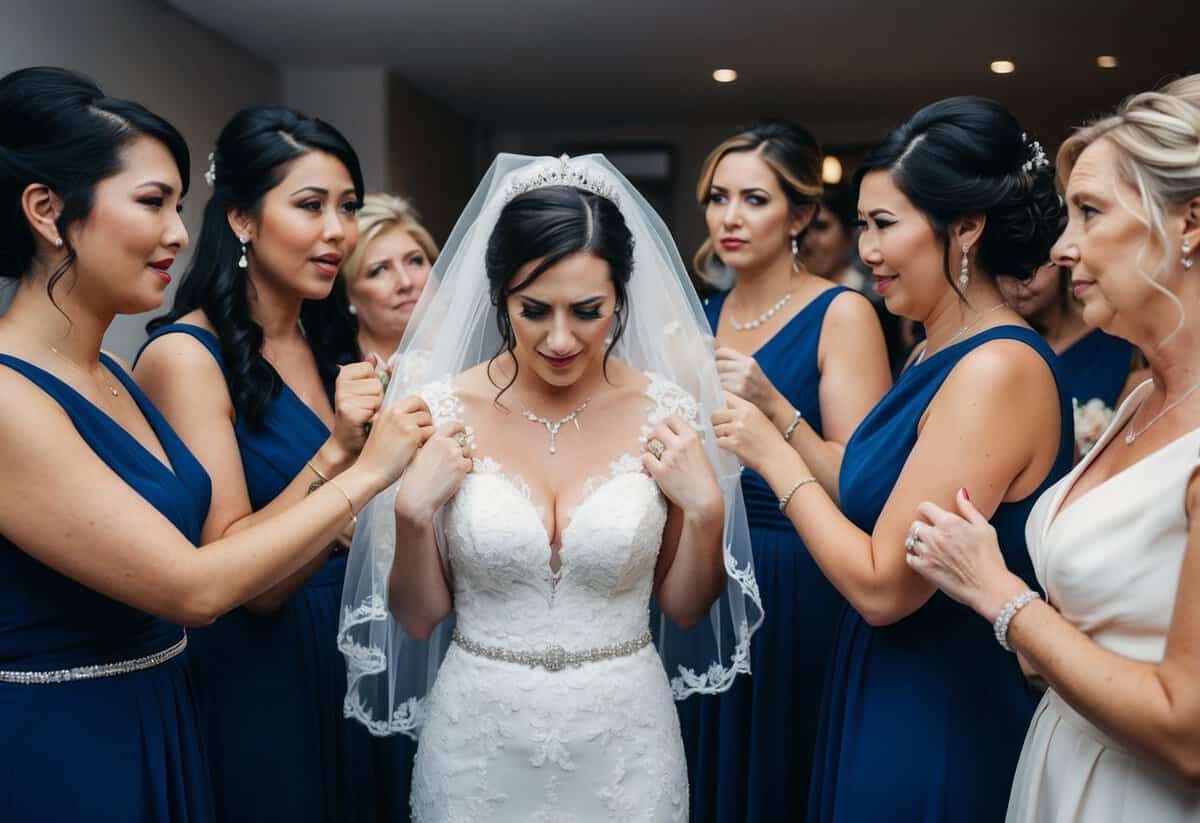
Planning a wedding can be stressful, but there are practical steps you can take to make the process easier. Focusing on support, health, and organization will help you navigate your wedding day smoothly.
Creating a Support System and Asking for Help
Building a strong support system is vital. Surround yourself with friends and family who can lend a hand during the planning phase. Don’t hesitate to ask for help with tasks like compiling the guest list or organizing decorations.
Consider hiring a wedding planner. They can alleviate much of the stress by managing vendors and timelines for you. Share your vision and let them handle the details, which keeps you focused on enjoying your journey.
Also, appoint trusted friends to help with specific tasks. Whether it’s addressing invitations or coordinating the rehearsal dinner, having dedicated helpers makes your load lighter.
Diet, Exercise, and Relaxation Techniques
Taking care of your body is crucial during this busy time. Eating well can significantly impact your mood and energy levels. Focus on a balanced diet rich in fruits, vegetables, and whole grains.
Incorporate exercise into your daily routine. Activities like yoga and meditation can ease anxiety. Aim for at least 30 minutes of movement each day, even if it’s a brisk walk.
Make time for relaxation, too. Set aside moments to practice deep breathing or enjoy a bubble bath. These small acts of self-care can recharge you and keep stress at bay.
Handling the Guest List and Seating Plan
The guest list can be daunting, but you can approach it methodically. Start by jotting down everyone you want to invite and categorize them into groups, like family, friends, and coworkers.
When it comes to the seating plan, create a simple layout of the venue. Use a grid to place tables and list guests next to each one. Consider the dynamics of your guests to avoid awkward situations.
Having a clear plan reduces anxiety on the wedding day. Remember, it’s okay to delegate this task to someone you trust!