
What Are Groom’s Parents Supposed to Pay For? Your Guide to Wedding Costs and Responsibilities
When planning a wedding, you might wonder what financial responsibilities the groom’s parents typically have. Traditionally, the groom’s family contributes to various wedding expenses, including the bride’s engagement ring, the groom’s and groomsmen’s attire, and the rehearsal dinner. Understanding these roles can help ease any money conversations and set clear expectations.
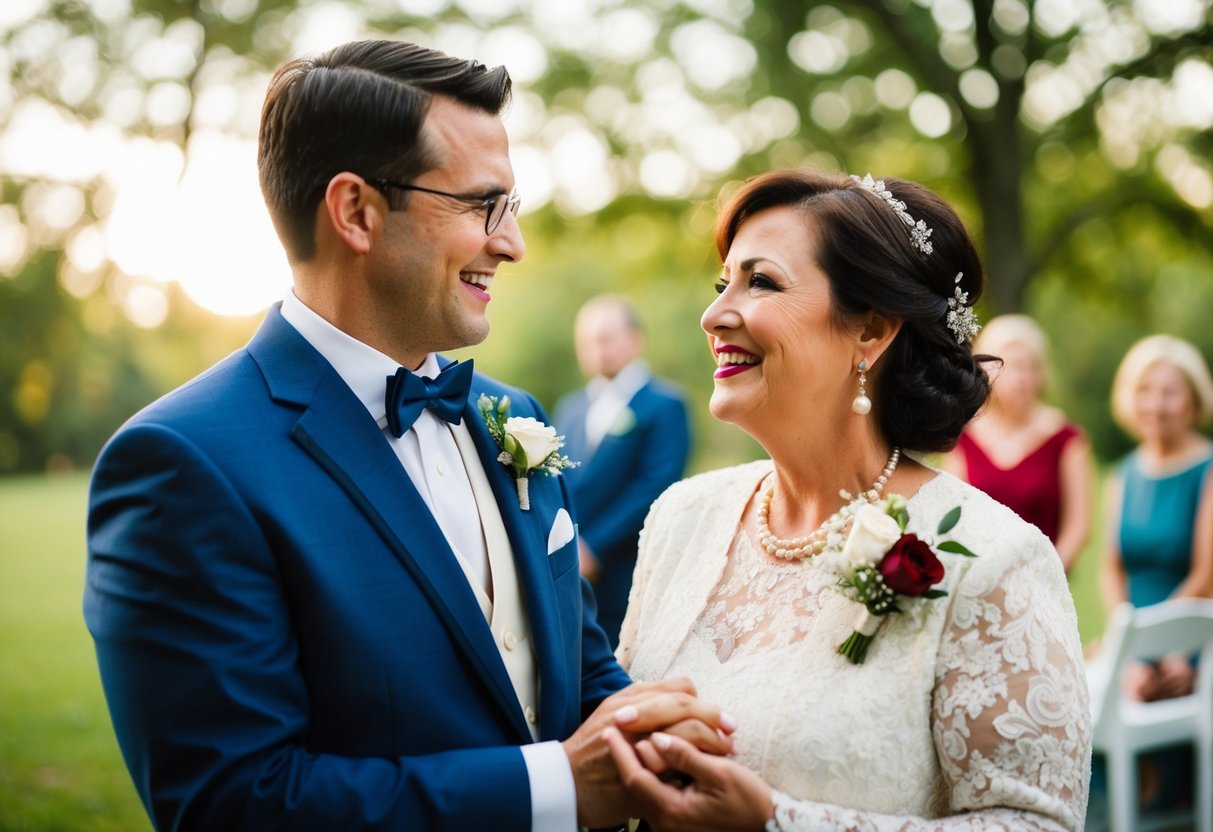
Navigating wedding etiquette can be tricky, especially when balancing the costs that come with the big day. You may find that the groom’s parents are also responsible for other expenses, such as gifts for the groomsmen and even some aspects of the honeymoon. Knowing what your family is expected to pay for can help you plan your budget effectively.
As wedding expenses continue to rise, it’s important to communicate openly with both families about who pays for what. By having these discussions early in the planning process, you can create a smoother experience for everyone involved. Understanding these roles may add clarity and help everyone feel more comfortable as the big day approaches.
Understanding Financial Contributions

Financial contributions from the groom’s parents play a significant role in wedding planning. Knowing what you can expect can help ease the budgeting process and clarify roles among families. Let’s dive into the specific expectations and budget considerations.
Roles and Expectations
The groom’s parents often have specific responsibilities regarding financial contributions. Traditionally, they may cover expenses like the rehearsal dinner, the groom’s attire, and sometimes even the wedding bands. These contributions can vary based on family traditions and expectations.
For LGBTQIA+ couples, family dynamics can differ widely. Both families might share costs more evenly, depending on their preferences. It’s essential to communicate openly about who will cover what.
Common Contributions might include:
- Rehearsal Dinner
- Groom’s Attire
- Rings
Knowing these roles can help you and your families understand where your support is needed.
Budget Considerations
Creating a budget involves considering necessary costs and your family’s willingness to contribute. Discussing financial limits early on can help prevent misunderstandings.
You may find that some families prefer to give a lump sum as a gift rather than cover specific expenses. This can provide flexibility in how the funds are used.
Budgeting Tips:
- Prioritize essential expenses first.
- Discuss potential contributions with both families.
- Be clear about any cultural or traditional expectations.
Understanding these financial dynamics helps everyone feel included and reduces stress. Open dialogue and planning are key to a smoother wedding journey.
Key Expenses Covered by Groom’s Parents
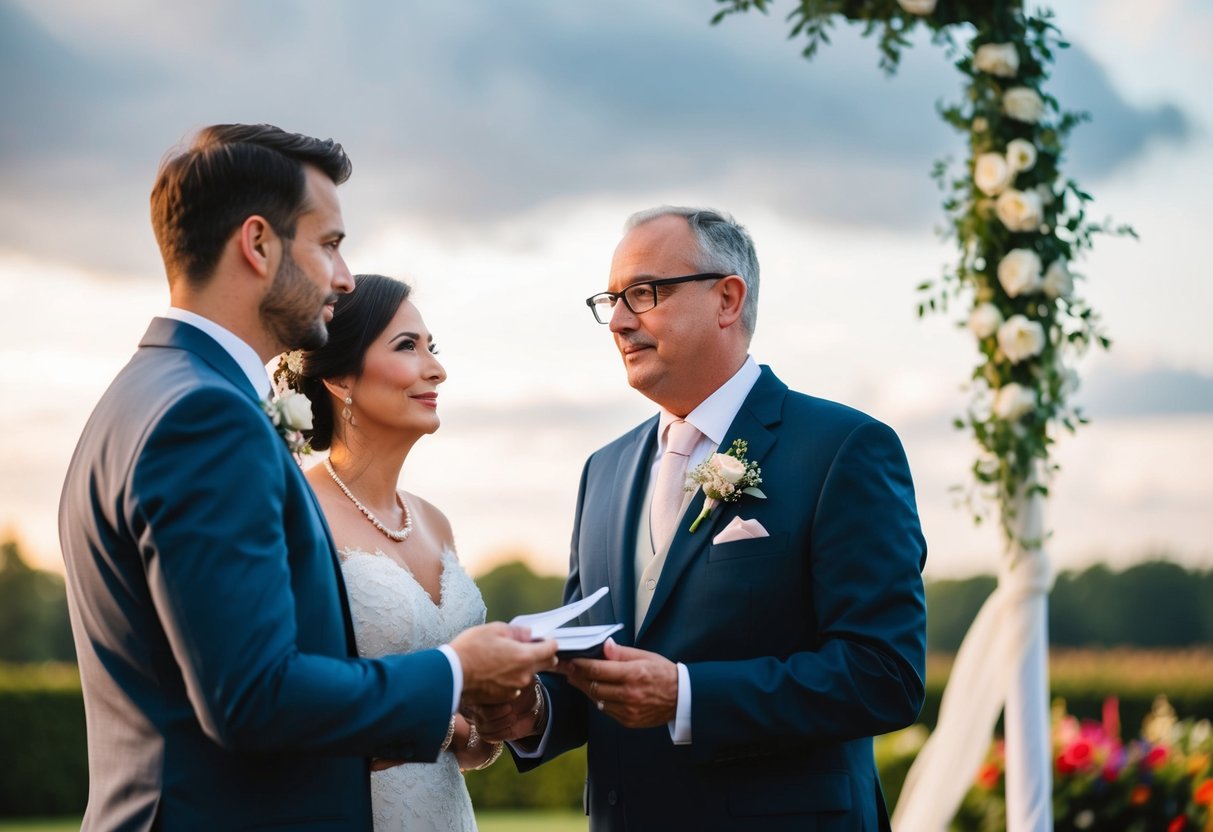
When planning a wedding, it’s important to know what financial responsibilities fall on the groom’s parents. This section highlights key expenses they typically cover, including the rehearsal dinner, wedding attire, rings and licenses, as well as floral arrangements and decorations.
Rehearsal Dinner Details
The rehearsal dinner is a special gathering for close family and friends before the wedding. Traditionally, the groom’s parents are responsible for covering this event.
This dinner often takes place after the rehearsal and helps everyone feel comfortable.
Typically, it includes food, drinks, and sometimes a venue fee.
You can choose a casual setting like a restaurant or host it at home.
Make sure to plan for about 20-30 guests, which can vary based on your family size and wedding party.
This dinner is a lovely way to kick off the wedding festivities.
The Wedding Attire
Your attire for the big day deserves special attention.
In most traditions, the groom’s parents pay for the groom’s suit or tuxedo, along with any necessary accessories, such as ties or cufflinks.
If the groom has groomsmen, the groom’s parents might also help cover their attire, although this can vary.
It’s a good idea to communicate with the groom about style choices and budget. You want him to feel comfortable and confident on his wedding day.
Don’t forget to consider alterations, as they can ensure everything fits just right.
Wedding Rings and License
Wedding rings are significant symbols of love and commitment.
In many cases, the groom’s parents may help pay for the couple’s wedding rings. This can lighten the financial load on the groom, allowing for bigger, meaningful choices.
Additionally, the marriage license is another expense.
While it’s often a smaller cost compared to rings, the groom’s family may include it in their financial responsibilities.
Discussing these expenses ahead of time can make budgeting smoother.
Floral and Decor Contributions
Flowers and decorations significantly impact the wedding’s ambiance.
Traditionally, the groom’s parents might contribute to these costs.
This includes bouquets, boutonnieres, centerpieces, and other decorative items.
Deciding on a budget together can help you create a beautiful atmosphere.
Many couples opt for seasonal flowers, which can be more affordable.
Remember to pick decorations that reflect your personal style and enhance the venue.
This financial support also helps ensure the wedding day feels both special and memorable.
Additional Responsibilities

As the parents of the groom, you play a key role in several important events leading up to and during the wedding. Here’s what to expect for pre-wedding events and during the ceremony and reception.
Pre-Wedding Events
Your responsibilities often begin before the wedding day itself. You may host the engagement party, inviting close friends and family to celebrate the couple. This event sets the tone for the celebration ahead.
Another event to consider is the welcome party for out-of-town guests. This can be a casual gathering to help everyone feel comfortable and connected. You can also contribute to organizing or funding events like the rehearsal dinner, where the wedding party gathers for a meal before the big day.
It’s important to think about transportation for guests. Arranging safe rides from hotels to the venue can enhance everyone’s experience. Additionally, if guests need lodging, consider sharing information about nearby hotels. This can help make their stay enjoyable and stress-free.
Ceremony and Reception
During the wedding ceremony, you may be expected to cover certain costs. This includes expenses such as the officiant’s fee and any personal flowers like boutonnieres for the groomsmen.
Once the ceremony concludes, the reception is where most of your contributions could shine. You might be responsible for hosting or partially funding the event, including food, drinks, and entertainment.
Providing wedding night accommodations for the couple is also a nice touch. This shows your support for the newlyweds and can add a personal feel to their special day.
Don’t forget wedding gifts. It’s customary to present a gift to the couple, which can be a meaningful way to show your love and support as they start their new life together.
Navigating the Wedding Planning Process

Planning a wedding involves many details. You will need to coordinate with various vendors and venues. You may also want to ensure everything runs smoothly on the big day.
Vendor and Venue Coordination
One of your first steps should be selecting a venue for both the wedding ceremony and reception. Research different locations and consider their capacity, accessibility, and availability.
When choosing vendors, focus on key areas like catering, photography, and entertainment. Reach out to multiple options to compare prices and services.
Creating a checklist can help you stay organized. Make a list of preferred vendors, their contact information, and deadlines for booking.
Don’t hesitate to ask for recommendations from friends or family. Their past experiences can lead you to quality service providers.
Assistance with Wedding Day Coordination
On your wedding day, things can get hectic. Having someone to assist with coordination is very helpful.
This person can be a family member, friend, or a hired wedding planner.
Their role includes making sure vendors arrive on time and that everything runs as planned. You will want them to manage the timeline for the ceremony and reception.
Discuss details with this person in advance. Make sure they know your vision for the day.
This can include the order of events, music playlists, and special moments you want to highlight.
Having a go-to person allows you to enjoy your day without stress. You can focus on celebrating while they handle any surprises that may come up.