
What Are Peak Wedding Months UK? A Guide to Planning Your Big Day
If you’re planning a wedding in the UK, knowing the peak wedding months can help you make the best choices for your big day. The peak wedding season typically spans from May to October. June, September, and October are the most popular months. These months often offer beautiful weather and longer days, making them ideal for outdoor ceremonies.
Choosing to marry during these peak months means you can enjoy a vibrant atmosphere filled with seasonal flowers and lush landscapes. However, these months can also be more crowded and costly. By understanding when peak wedding months occur, you can better plan your budget and venue selection to create the perfect celebration.
Understanding UK Wedding Seasons
When planning a wedding in the UK, knowing about the wedding seasons can help you choose the best date. Factors such as weather, venue availability, and costs all play a role in your decision.
Peak Wedding Season in the UK
The peak wedding season in the UK typically runs from late spring through early autumn. Key months include June, September, and October, as these months offer delightful weather and longer daylight hours.
During these months, you can expect high demand for venues and suppliers. Many couples choose these dates due to their picturesque settings and the availability of seasonal flowers. In fact, around 13% of UK weddings happen in September alone.
It’s essential to book your venue and vendors early if you plan on getting married during this time. Costs are generally higher during peak season, so be prepared for potentially steep prices.
Off-Peak and Off-Season Considerations
Off-peak months can provide significant advantages for couples. This period runs from late autumn through early spring. Venues and suppliers often offer discounts during these times.
Weather can be unpredictable, so consider indoor options for your ceremony. Places like December and January may not have as many outdoor settings available, but they can still be magical with holiday decorations.
Another note is that you might find more flexible booking options during these months. If you’re open to dates, you can potentially negotiate better rates and availability. Choosing an off-peak date can give you both savings and a unique experience, making your wedding day special in its own way.
Choosing the Ideal Wedding Month
When picking a wedding month, consider the unique features each season offers. Think about weather, costs, and the vibe you want for your special day. Here’s a look at the pros and cons of summer, winter, and transitional months for weddings.
Summer Months: Pros and Cons
Summer months like June and September are very popular for weddings. The weather is warm, which is great for outdoor ceremonies and receptions. Longer daylight hours mean you have plenty of time for photography and celebrations.
However, this popularity comes with a cost. Venues and vendors may charge higher prices due to demand. Popular dates can book up quickly, so you need to plan ahead. Additionally, heat can be uncomfortable, so consider cooler locations or indoor options.
Winter Weddings and Their Charm
A winter wedding can be magical and unique. January and February bring a sense of coziness and romance. You can decorate with soft lights, candles, and winter-themed decor. Plus, many venues offer lower rates during the off-peak season.
The downside is that weather can be unpredictable. It might be cold or snowy, which can complicate travel for guests. Still, you can create a warm atmosphere with hot drinks and beautiful winter scenery.
Spring and Autumn: A Transition of Hues
Spring weddings in April and autumn ceremonies in October offer stunning natural beauty. In spring, flowers bloom, bringing vibrant colors to your celebration. In autumn, the changing leaves create a beautiful backdrop.
Both seasons provide mild weather, making outdoor events enjoyable. However, these months can also have rainy days, so be prepared with a backup plan. Additionally, while not as crowded as summer, these months are still popular. Booking early is key to securing your preferred date and venue.
Factors Influencing Wedding Date Choice
Choosing the right wedding date involves considering various factors that can affect your big day. By keeping in mind guest availability, venue and vendor options, and your budget, you can select a date that works for everyone involved.
Holiday Seasons and Guest Availability
When planning your wedding, think about holidays. Events like school holidays or bank holidays can impact guest availability. Many people prefer weddings during these times as they often have days off work.
However, popular holiday dates might mean some guests cannot come. It’s wise to pick dates that suit most of your key guests. Consider a Saturday in late spring or early autumn to increase the chance of attendance.
At the same time, be aware of other events. Major holidays might clash with your wedding, affecting travel for some guests. Aim for a date that allows everyone to celebrate with you.
Venue Hire and Vendor Availability
Your chosen date impacts the availability of venues and vendors. Peak months, like June and September, are popular for weddings in the UK. This high demand may limit your venue options. You might need to book early to secure your first-choice location.
In contrast, off-peak months often provide budget-friendly options. Venues might offer discounts in January or February when interest is lower. Also, think about vendor availability. Popular photographers, caterers, and florists get booked up quickly during peak times.
Consider reaching out to your preferred vendors early. They can guide you on their availability during different months and help you secure the best services for your date.
Wedding Expenses and Budgeting
Your wedding date can significantly affect costs. Peak wedding months usually come with higher prices. Venues and vendors may charge more during June, August, and September due to demand.
By choosing off-peak months, like November or January, you can find more budget-friendly options. Many venues are open to negotiation during these times.
Carefully plan your budget. Think about all expenses, from venue hire to catering and decor. Make a list to see where you can save if you choose a less popular month. This way, you can enjoy your wedding without financial stress.
Making Your Wedding Unique
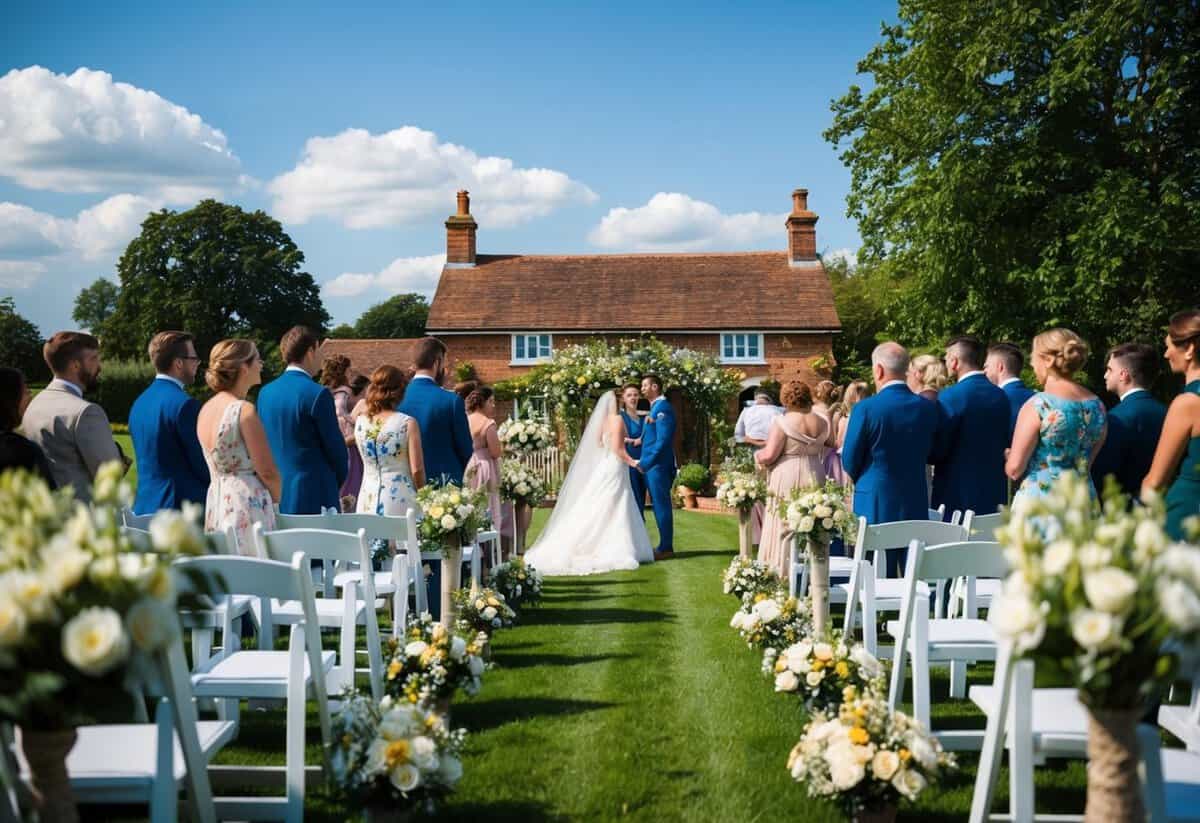
You want your wedding to be special and memorable. Choosing the right venue can set the tone for your dream wedding. Consider whether you prefer an indoor or outdoor space, and think about the unique touches that will make your celebration stand out.
Indoor vs. Outdoor Venues
Indoor venues offer controlled environments, which can be ideal for any season. You won’t have to worry about weather changes. Many indoor spaces can be easily decorated to reflect your personal style. You can pay attention to lighting and seating arrangements that enhance the atmosphere.
On the other hand, outdoor venues provide stunning natural backdrops for your ceremony and wedding photography. A garden, beach, or park can create a romantic vibe. During peak months, especially in summer, outdoor ceremonies are popular but can be crowded. Early spring or late autumn might give you a beautiful setting at a more affordable price.
Special Considerations for UK Weddings
Planning a wedding in the UK comes with its own set of unique challenges and opportunities.
First, think about the weather. Rain is common, so have a backup plan for outdoor ceremonies.
You should also consider the time of year. Summer months are popular but may be more expensive.
Remember to research local wedding services. This can include photographers, caterers, and decorators.
Find options that align with your vision and budget. It can help make your wedding even more unique.
For honeymoon planning, ensure your wedding dates allow for a seamless transition to your getaway.