
What Are Stage Backdrops Called? Understanding Their Role in Productions
When you step into a theater, you’ll notice the large piece of scenery at the back of the stage. These elements are called stage backdrops, and they play a vital role in setting the scene for performances.
Backdrops can range from simple painted curtains to more intricate designs that define the mood and style of a production.
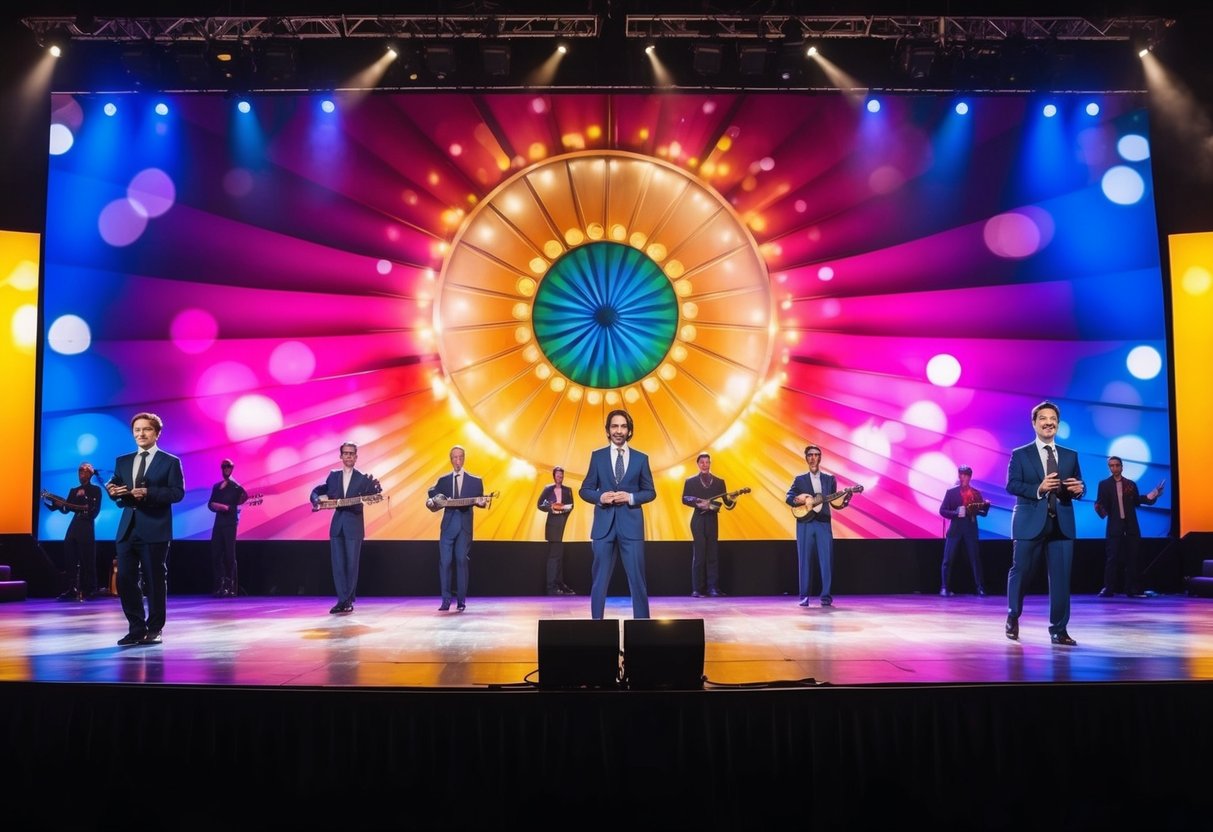
In the world of theater, you might also hear terms like scrims and cycloramas, which are specific types of backdrops. Each type has its unique characteristics and uses that enhance the overall visual experience of a show.
Knowing more about these elements can deepen your appreciation for the art of stage design and how it contributes to storytelling.
Whether you’re a theater enthusiast or someone curious about what goes into a performance, understanding the significance of stage backdrops adds an exciting dimension to your viewing experience. By exploring the various types and their functions, you can gain insight into how these behind-the-scenes elements elevate the magic of live performance.
Types of Stage Backdrops
When you think about stage backdrops, several main types come to mind. Each type serves a specific purpose and can enhance the overall look of a performance.
They can transform the stage and create the right mood for your audience.
Cyclorama
A cyclorama, often called a “cyc,” is a large, curved backdrop that wraps around the back and sides of the stage. It is typically made of fabric and can create the illusion of depth. Cycloramas are great for mimicking the sky or providing a seamless background.
They often include special lighting effects that can change the mood of a scene.
Using a cyclorama gives you flexibility. You can paint it or use lighting to create different effects, making it an essential tool for many productions. It’s especially popular in theatrical performances and concerts.
Scrim Backdrops
Scrim backdrops are unique because they can either be sheer or opaque, depending on how they’re lit. A sharkstooth scrim is a common type made of special material that appears transparent when backlit. This effect can add mystery to your scene, allowing for layered visuals.
You can use scrims in a variety of ways. They can serve as a background or create special effects by revealing or hiding elements on stage. Their versatility makes them a favorite among set designers.
Muslin and Canvas Backdrops
Muslin and canvas backdrops are popular choices for many theater productions. Muslin is a tightly woven cotton fabric that is lightweight and easy to paint. It provides a great surface for creating detailed scenic designs.
Canvas, on the other hand, is more durable and heavier than muslin. It can withstand rigors during productions and can also be painted. Both options are excellent for enhancing your stage design and creating vivid scenes.
These backdrops can easily be hung or draped to fit your specific stage requirements.
Backdrop Materials and Properties
When choosing a backdrop for your stage production, understanding the materials and their properties is essential. The right fabric can impact how your scene is viewed and how well it performs under different lighting conditions. Here’s what you need to know.
Fabric Choices
Fabric is one of the most important factors in backdrop selection. Common choices include cotton, muslin, and polyester.
- Cotton: Known for its durability and versatility, cotton can produce beautiful textures. It’s often used for painted backdrops.
- Muslin: This tightly woven cotton fabric is lightweight, making it easy to hang. It works well for lighting and scene changes.
- Polyester: This material is strong and resistant to wrinkles. It allows for vibrant colors, which can enhance the visual appeal of your production.
Choosing the right fabric helps create the mood and feel of your performance.
Translucent vs. Opaque
Backdrops also come in translucent or opaque options.
- Translucent: These backdrops allow some light to pass through, making them ideal for effects that require lighting from behind. They can create soft, glowing scenes.
- Opaque: Opaque backdrops do not let light through, making them perfect for darker, more defined images. This is useful when you want to keep light controlled on stage.
Your choice between translucent and opaque will depend on the specific needs of your set and how you plan to use lighting.
Durability Concerns
Durability is crucial when selecting your backdrop. You want a material that withstands wear and tear, especially for frequent performances.
- Cotton: While strong, it may show signs of wear over time if not handled properly.
- Muslin: It can tear or fade but is easy to repair and paint over.
- Polyester: Known for its strength, it resists wrinkles and fading, making it long-lasting.
Considering how often you’ll use your backdrop can help you choose a material that will hold up well through many shows.
Designing and Painting Backdrops
Creating stage backdrops involves careful planning and artistic techniques. It is about shaping the visual world for a theater production. Here, collaboration, painting techniques, and special effects play key roles.
Collaboration in Scenic Design
When designing backdrops, collaboration is essential. You work closely with directors, lighting designers, and set designers. Each person brings ideas that help shape the look and feel of the production.
Regular meetings allow you to discuss concepts and share sketches. This teamwork ensures the backdrop complements the entire scene and enhances storytelling.
Communicating openly about colors, themes, and styles leads to better results. Ultimately, your shared vision will create an immersive experience for the audience.
Painting Techniques
Painting backdrops requires skill and creativity. You often use techniques like trompe-l’œil to create depth. This technique tricks the eye into seeing three dimensions on a flat surface.
Flat black and blue painted areas can create shadow effects, adding realism. Using layering is vital too; it helps in building visual interest and texture.
Don’t forget about color mixing. The right colors can change the mood of a scene dramatically. Choose colors that match the production’s atmosphere and enhance the actors’ performances.
Utilizing Special Effects
Special effects can elevate backdrops, making them more engaging. Techniques like shadow effects can add mystery and drama. For instance, you might project shadows of trees to create a forest atmosphere.
Using materials like scrim allows for interesting light effects. When lit from behind, scrim can create a glowing backdrop. This adds a magical touch to scenes, drawing the audience’s attention.
Experimentation is key. You can use different methods to achieve a variety of looks. Your creativity can transform simple painted backdrops into captivating visual experiences.
Incorporating Lighting and Effects
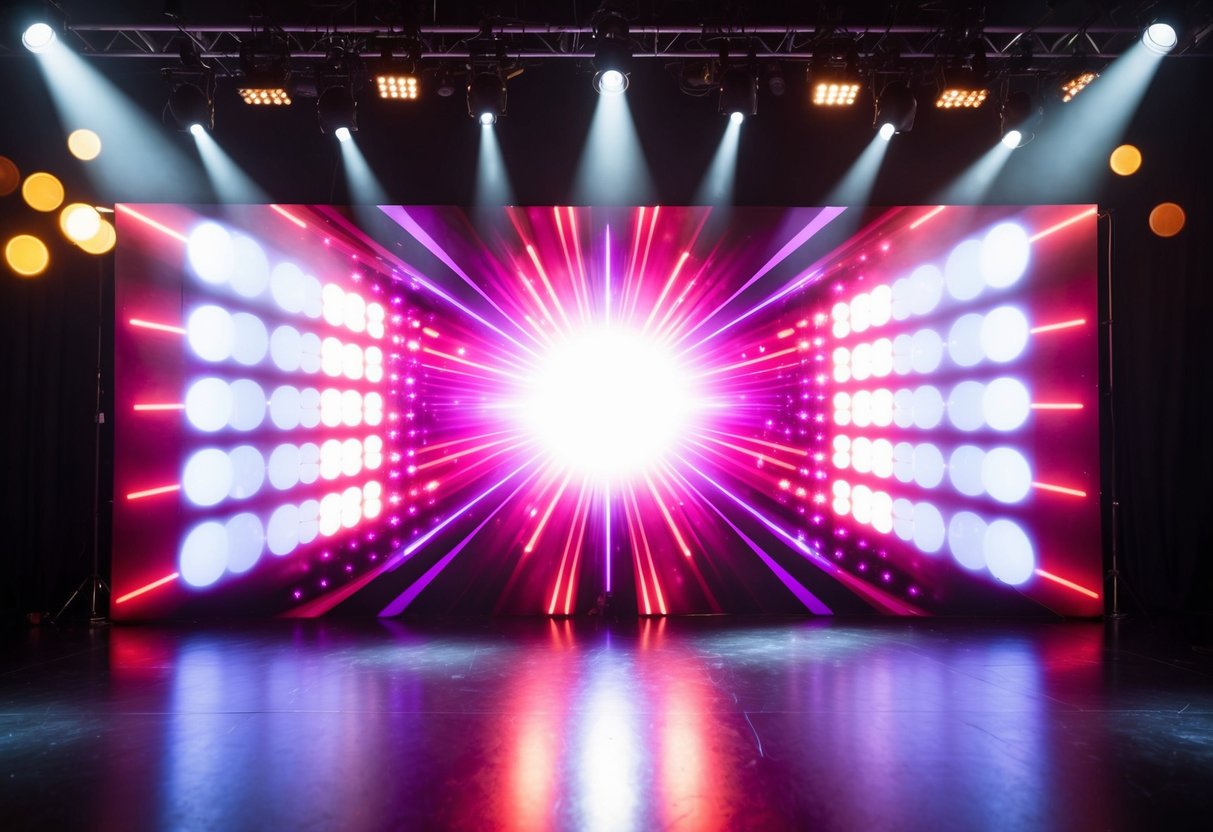
Lighting plays a crucial role in enhancing stage backdrops. By using the right techniques, you can transform the visual appeal of your performances. Let’s explore how to utilize lighting effects effectively for different types of backdrops.
Lighting for Cycloramas
Cycloramas are large backdrop curtains that create an illusion of infinite space. To maximize their impact, you can use specific lighting techniques.
-
Texture and Depth: Use colored lights to wash the cyclorama with soft hues. This adds texture and depth to the stage, creating a more immersive environment.
-
Changing Moods: By shifting the color temperature, you can change the mood of a scene quickly. For example, warm colors can evoke feelings of comfort, while cooler tones can suggest tension.
-
Projection: Projecting images or patterns onto a cyclorama can tell a story or set a scene. You might use nature scenes to enhance a romantic moment or abstract designs for a more contemporary setting.
Lighting for Scrims
Scrims are versatile materials that allow light to pass through or reflect off their surfaces. This property can be utilized in several ways:
-
Lighting Effects: When lit from the front, scrims appear opaque. When backlit, they become transparent. You can use this to create dramatic reveals during performances.
-
Layering: Combine scrims with other backdrop elements. For instance, place a painted backdrop behind a scrim to create layered visuals that change as lighting shifts.
-
Color Filters: Using color filters with your lights can add unique tones to the scrim. This enables you to match the emotional tone of the scene with visual effects that enhance storytelling.
Creative Lighting Techniques
Adopting various lighting techniques can significantly impact your stage design.
-
Gobo Projections: Gobos are metal or glass templates placed in front of a light source to create shapes or patterns. Using gobos on backdrops can engage the audience and add dimension to your stage.
-
Follow Spots: These focused light beams can highlight key performers against a backdrop. This technique draws attention to individuals, making them pop amidst the scenery.
-
Dynamic Changes: Consider using programmable lighting systems. These systems can automate changes throughout a performance, allowing seamless transitions that keep the audience engaged.