
What Are the 3 Parts of a Wedding? A Simple Guide to Your Big Day
When planning a wedding, it’s essential to understand the key components that make up this special day. A traditional wedding typically includes three main parts: the ceremony, the reception, and the send-off. Each part plays a vital role in celebrating your commitment to each other and sharing that joy with your loved ones.
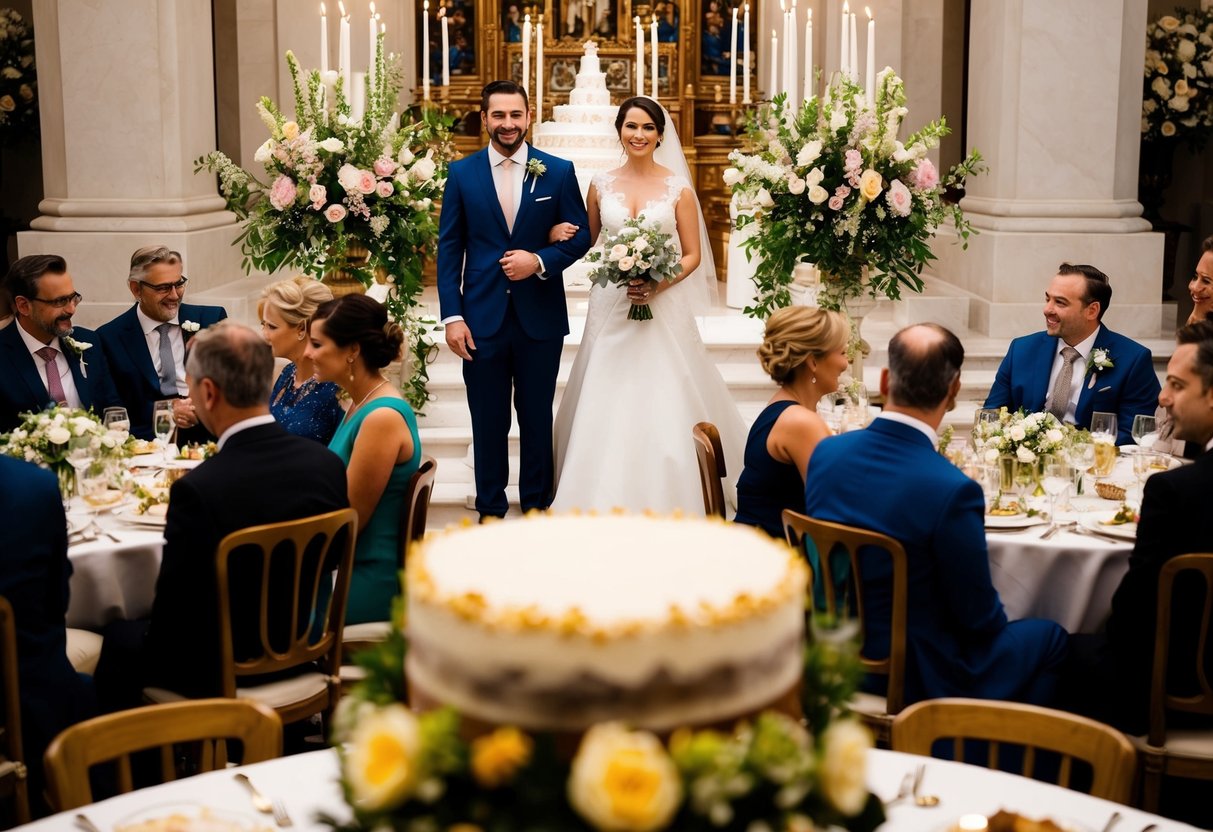
The wedding ceremony is the heart of the day, where you exchange vows and officially become partners for life. Following the ceremony, the reception is a time for celebration, food, and dancing, allowing everyone to come together and enjoy the moment. Lastly, the send-off marks the conclusion of your big day, often filled with fun and memorable traditions.
By knowing these three parts, you can better prepare and create a wedding that reflects your unique relationship. No matter how you choose to celebrate, each segment is an important piece of your journey together.
The Wedding Ceremony Structure

A wedding ceremony typically consists of several important parts that together create a memorable experience. Each section serves a specific purpose, allowing you and your partner to express your commitment to one another.
Opening of the Ceremony
The ceremony begins with the processional, where you and your wedding party walk down the aisle. This moment sets the tone for the entire event.
Opening remarks by the officiant follow, welcoming the guests and introducing the significance of the day. This is a chance to share a personal message or quote that reflects the couple’s love story.
Often, the officiant will also explain the importance of marriage, touching on themes such as love, partnership, and support.
Readings and Traditions
Next, you may choose to include wedding readings. These can be poems, passages from literature, or religious texts that resonate with you.
This part adds depth and meaning to your ceremony. Guests enjoy those heartfelt words while reflecting on their own relationships.
You might also incorporate traditions like family blessings or cultural rituals, which create a unique and personal touch, celebrating your backgrounds and shared values.
Vows and Ring Exchange
The vow exchange is one of the most emotional parts of the ceremony. Here, you and your partner express your promises to each other.
These can be traditional vows or personal ones that you write yourselves. This moment showcases your love and commitment, making it truly special.
Following the vows, the ring exchange takes place. You place wedding rings on each other’s fingers, symbolizing unity and everlasting love. This ritual connects you in a physical and emotional way.
Unity Rituals and Symbols
Many couples choose to include a unity ceremony. This could be lighting a unity candle, pouring sand together, or planting a tree.
The idea is to create a visual representation of your bond. It signifies the merging of your lives and families, emphasizing togetherness.
These rituals can be simple or elaborate but should reflect your personalities and beliefs. Consider including symbols that hold particular significance for you both.
Closing the Ceremony
As the ceremony nears its end, the officiant delivers closing remarks. This is an opportunity to reinforce your commitments and share final blessings.
The officiant will then pronounce you married, inviting you to share your first kiss as a couple.
Finally, you and your partner will exit together during the recessional. Guests typically cheer and celebrate while you walk back down the aisle, marking the joyful transition to your life together.
Key Moments and Rituals
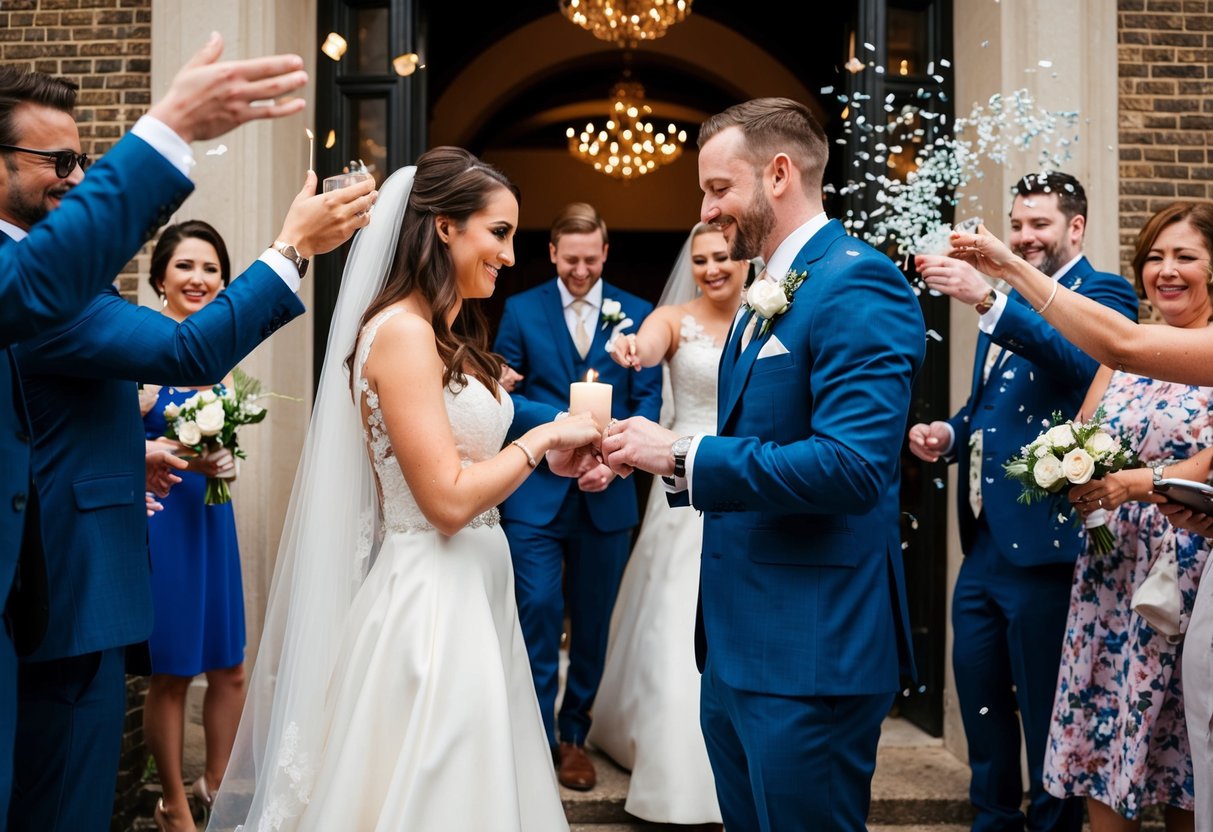
During a wedding ceremony, certain moments and rituals stand out. They carry deep meaning and are often filled with joy and emotion. You will encounter significant processional walks, symbolic gestures, and profound pronouncements that highlight the bond between you and your partner.
Significant Processional Walks
The processional marks the beginning of your ceremony. It is the moment when all eyes turn toward you as you walk down the aisle. This journey symbolizes your transition into a new stage of life.
Typically, members of the wedding party walk first, followed by you, the bride. Depending on tradition, you might be escorted by a parent or a close family member. This moment can be emotional, as it represents support and love from those who raised you.
Many couples personalize their processional by choosing meaningful songs. You might pick a melody that resonates with your story.
Symbolic Gestures and Traditions
Symbolic gestures, like the unity candle or sand ceremony, powerfully represent the joining of two lives. In a unity candle, you and your partner each light a candle and then use those flames to light a larger candle together. This act symbolizes becoming one.
In the sand ceremony, you pour different colored sand into one container. Each color represents your individual lives, which blend together to create a beautiful whole.
Other traditions, like the breaking of the glass in Jewish weddings, hold special meanings. This act symbolizes the fragility of relationships and the joy of celebrating love.
Profound Pronouncements and Conclusion
One of the most touching moments is the exchange of vows. This is when you openly declare your love and commitment to one another. Writing your own vows can make this moment even more intimate.
After you exchange vows, the officiant will make the formal pronouncement of marriage. Following this, your first kiss as a married couple is often celebrated with applause from guests.
Finally, if desired, you might incorporate sheva brachot, which are blessings recited after the pronouncement. These blessings reflect the joy and sanctity of your new union.
Cultural and Religious Considerations
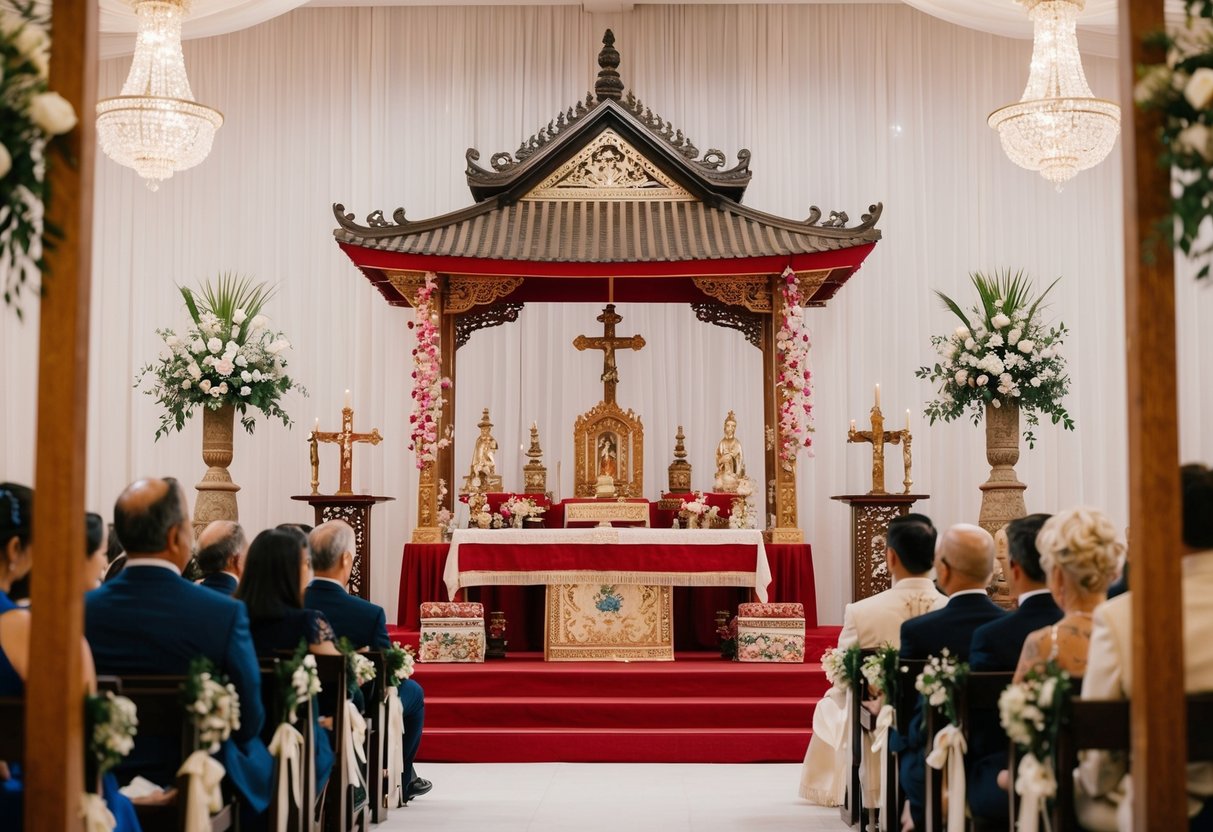
When planning a wedding, cultural and religious traditions play a significant role in shaping the ceremony. In this section, you will discover specific customs associated with Jewish weddings and other religious ceremonies that enhance the celebration of love.
Jewish Wedding Customs
Jewish weddings are rich in tradition and symbolism. One key element is the chuppah, a canopy that represents the home the couple will build together. It is often decorated with flowers and signifies God’s presence.
Before the ceremony, the ketubah is signed. This is a marriage contract outlining the husband’s responsibilities to his wife. Then comes the bedeken, where the groom sees the bride’s face before the ceremony. This moment emphasizes the importance of their union.
The ceremony also includes the breaking of a glass, symbolizing the fragility of relationships. The order of the Jewish wedding ceremony is carefully followed, creating a deep connection to cultural heritage.
Other Religious Ceremony Features
Many religions have unique features in their wedding ceremonies. For example, in Christian weddings, readings from scripture often take place, reflecting the couple’s faith. Prayers and blessings also mark significant moments during the ceremony.
Islamic weddings focus on the Nikah, a marriage contract that emphasizes mutual consent. The ceremony can be held in a mosque or home, with an imam officiating.
Each religious ceremony carries its significance, connecting the couple to their beliefs and community. Acknowledging these important practices adds depth to your wedding celebration.