
What Are the 7 Traditional Wedding Vows? A Guide to Timeless Promises
When planning your wedding ceremony, one key moment stands out: the exchange of vows. Understanding the 7 traditional wedding vows can help you express your commitment and love in a way that resonates with both you and your partner. These vows have stood the test of time, offering a meaningful way to declare your devotion on this special day.
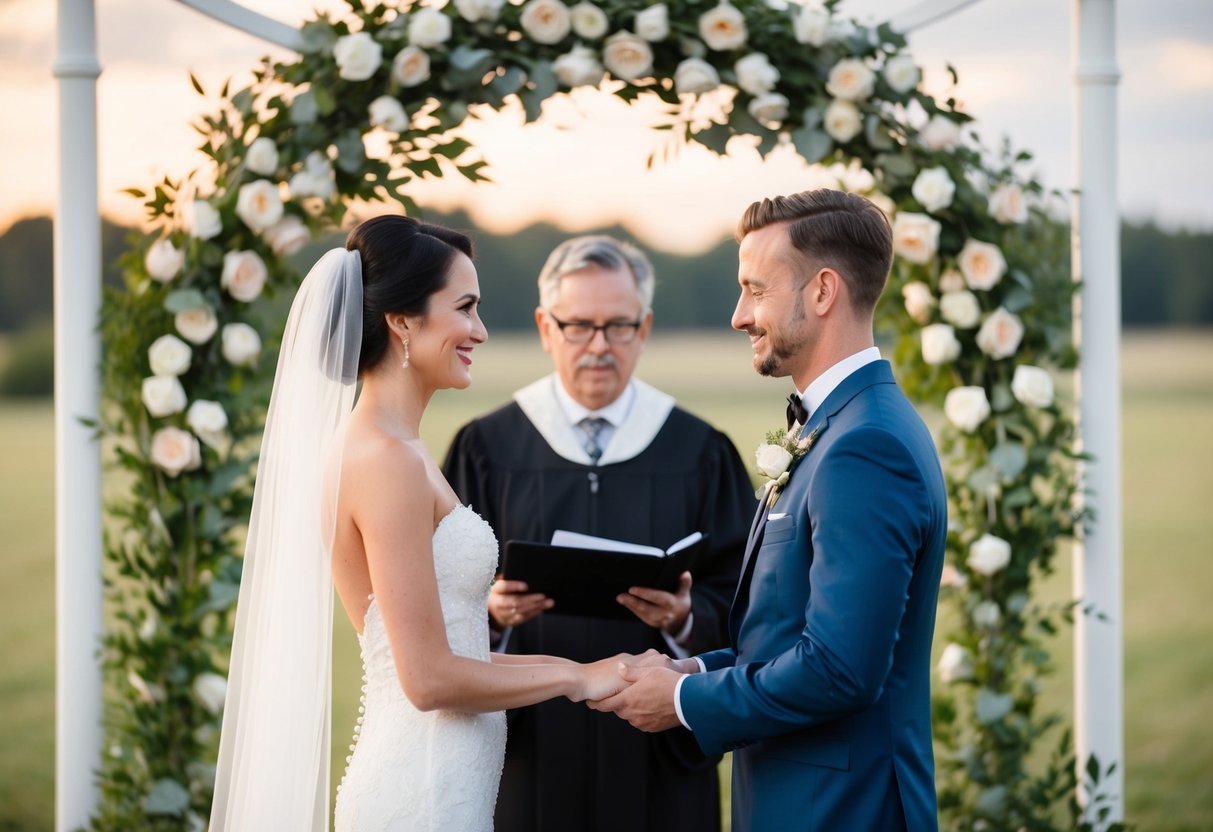
As you prepare for your marriage, consider how these vows represent not just promises, but a deep emotional bond. Each vow captures essential aspects of a lifelong partnership, reflecting the ideals of love and loyalty.
By incorporating these traditional elements, you can create a memorable experience for yourselves and your guests.
Whether you want to stick closely to tradition or put a personal twist on your vows, knowing what the 7 traditional vows are will give you a solid foundation. This can make your ceremony feel even more special as you embark on this journey together.
The Significance of Traditional Wedding Vows
Traditional wedding vows carry deep meaning, serving as the foundations of commitment and partnership. They represent a sacred promise between husband and wife, framing a lifelong journey together. These vows are not just words; they are a public declaration of love and fidelity that set the tone for a marriage.
Foundations of a Lifelong Commitment
When you exchange vows, you are entering a marriage contract that symbolizes a sacred covenant. This contract is more than legal; it is emotional and spiritual.
Vows often include promises of fidelity and mutual respect. By making these commitments, you establish a strong base for your relationship.
These words remind you both of the journey ahead. They highlight that marriage requires work, patience, and the willingness to support each other, no matter the challenges.
Cultural and Religious Perspectives
Different cultures and religions shape the way vows are expressed. In many faiths, vows are considered sacred and are often written in ways that reflect religious beliefs.
For example, in Hindu ceremonies, couples make seven promises during the Saptadi. Each step around the fire represents a specific vow, emphasizing partnership and connection.
These cultural contexts enhance the significance of vows. They help you understand the deeper commitments made in front of family, friends, and your faith community. This public declaration strengthens your bond and showcases the importance of your sacred promise.
Exploring Variations of Vows Across Cultures
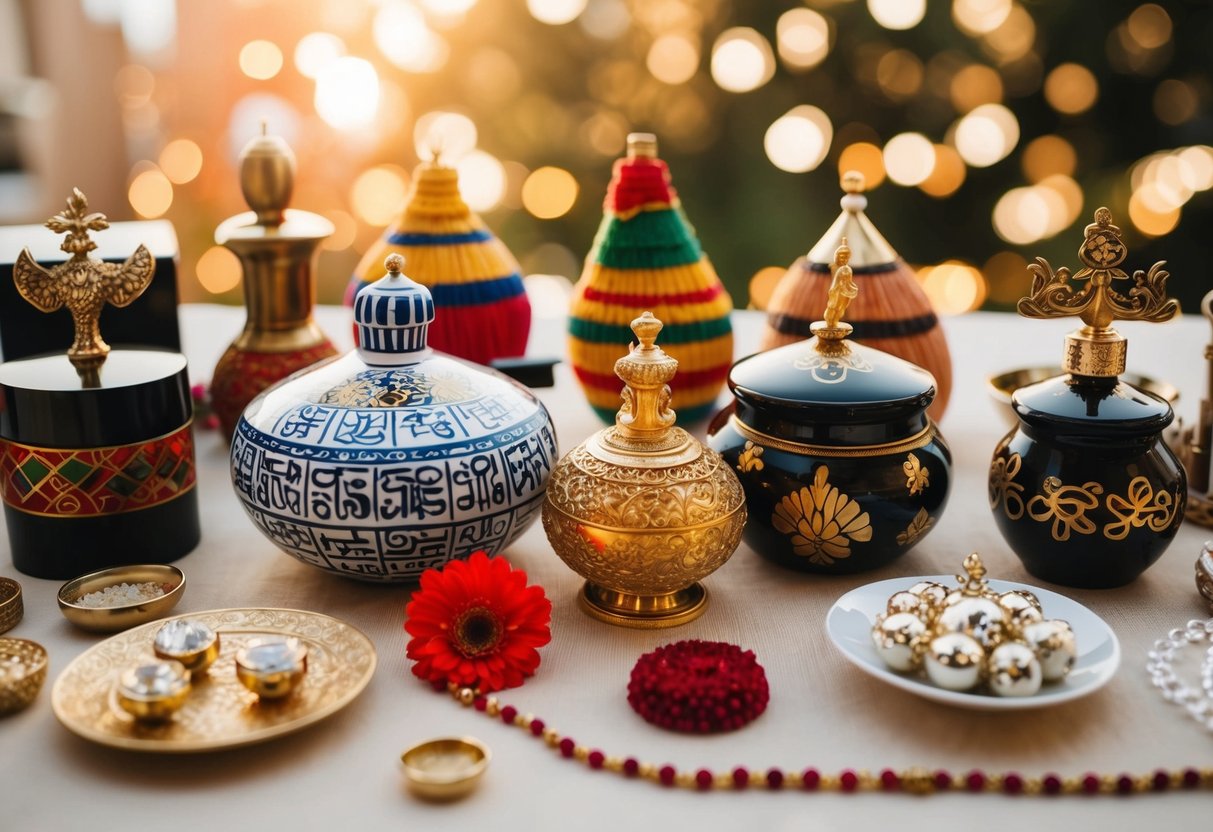
Wedding vows can vary widely across cultures and religions, each offering unique expressions of love and commitment. From traditional settings to modern interpretations, understanding these variations provides insight into how different beliefs celebrate the union of two people.
Christian Wedding Vows
In Christian ceremonies, vows express devotion to each other and often include phrases like “for better or for worse.” Most Christian weddings follow a structure where the couple pledges their love and support.
For example, in Catholic rituals, vows might include a promise to honor and cherish each other throughout life. Episcopal wedding vows emphasize the sacred nature of the union, often invoking God’s presence as a witness. The focus is on lifelong commitment, reflecting Christian teachings on love and partnership.
Jewish Wedding Vows
Jewish wedding vows are rich in tradition and often highlighted by the “Ketubah,” a marriage contract outlining the rights and responsibilities of both partners.
During the ceremony, the phrase “Ani l’dodi v’dodi li,” which translates to “I am my beloved’s and my beloved is mine,” is commonly used. This establishes a deep bond between the couple.
Additionally, vows may be recited over a cup of wine, symbolizing joy and unity. These elements work together to create a meaningful commitment rooted in cultural values.
Hindu and Muslim Wedding Vows
Hindu wedding vows, known as “Saptapadi,” involve the couple taking seven steps around a sacred fire, each step representing a vow. Each promise signifies aspects such as companionship, respect, and fidelity.
In contrast, Muslim wedding vows often revolve around a simple yet profound commitment to care for each other. The vows may include promises of support and faithfulness, reflecting Islamic teachings on marriage as a partnership built on love and mutual respect. Both traditions emphasize the importance of unity and shared values.
Buddhist and Non-Religious Expressions
Buddhist wedding vows focus on love, understanding, and compassion. Couples may choose to personalize their vows, integrating spiritual beliefs and mutual commitments that resonate with them.
Non-religious weddings often adopt a more flexible approach. You might find that couples create vows from their own experiences, expressing their unique journey and promises. These personalized vows can be a blend of humor, sincerity, and heartfelt aspirations for the future, allowing a true reflection of their relationship.
By tailoring vows to individual values, ceremonies become deeply meaningful.
Designing Personal and Meaningful Vows
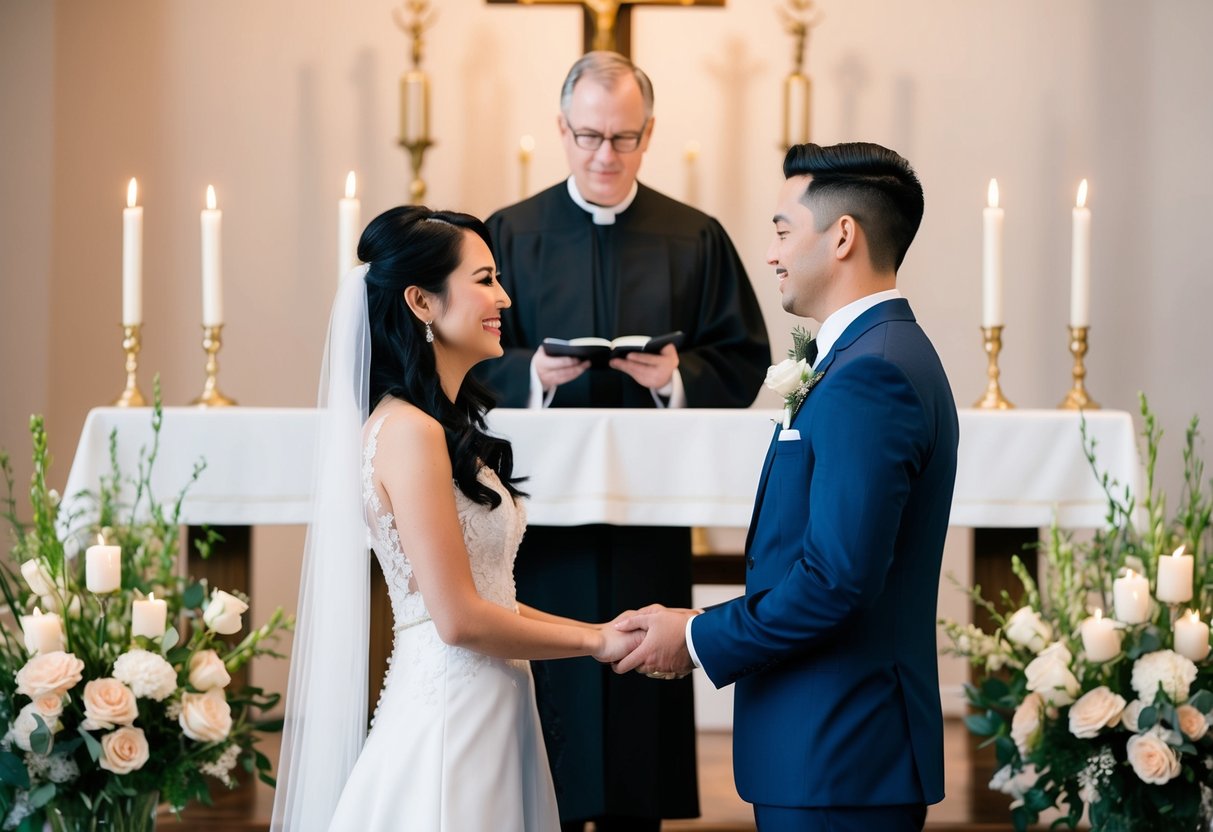
Crafting personal and meaningful wedding vows is a special way to express your feelings. By weaving in your beliefs and experiences, you create vows that reflect your unique relationship. This section focuses on incorporating your values and the process of writing your own vows.
Incorporating Personal Beliefs and Values
Including your personal beliefs and values in your vows makes them more heartfelt. Think about what you truly cherish in your relationship.
Consider these elements:
- Shared experiences: Reflect on special moments that define your bond.
- Core beliefs: Mention values important to both of you, like family, faith, or friendship.
- Commitments: Be clear about your promises. Words like “love and cherish” can highlight the depth of your commitment.
Each vow should reflect the sacred bond you share. This personal touch makes your vows resonate not just with you but also with your loved ones.
The Process of Writing Your Own Vows
Writing your own vows might seem challenging, but it can be a fun experience. Start by brainstorming your feelings about your partner.
Follow these steps:
- Outline your thoughts: List words or phrases that describe your relationship.
- Draft multiple versions: Write different drafts so you can find the perfect words.
- Practice aloud: Reading your vows helps you feel comfortable.
Remember, make your vows personal and hold true to your emotions. You might want to share your vows with your officiant to ensure they fit the ceremony’s flow. This thoughtful process will create romantic vows that are uniquely yours, celebrating your love as you exchange rings.
The Ceremonial Exchange of Vows
The ceremonial exchange of vows is a significant moment in a wedding. This part of the ceremony solidifies the promises you make to each other and marks the beginning of your marital bond.
Sequence of the Vow Exchange
The vow exchange typically follows a set sequence. First, the officiant introduces the moment and its importance. Then, you and your partner take turns reciting your vows.
You might choose traditional vows or personalize them, expressing your love and commitment.
Common themes include “forsaking all others” and promises that emphasize support and devotion.
After the vows, the exchange of wedding rings takes place. Rings symbolize your unending love and commitment.
The final part involves a public declaration of your marriage, sealing the promises made in front of family and friends. The sequence creates a memorable experience that affirms your relationship.
Roles and Participants
In the exchange, key participants play important roles. You and your partner are the stars, sharing your heartfelt promises. An officiant leads the ceremony and guides the structure of the vow exchange.
Family and friends witness your vows, creating a supportive atmosphere. Often, junior bridesmaids and groomsmen stand close, adding to the sense of community. Their presence reinforces that you are focusing on family and togetherness.
Sharing this moment allows everyone to partake in the joy of your commitment. It is not just about the two of you; it’s also a celebration of your united journey.