
What Are the Benefits of an Event Coordinator? Enhancing Your Event Experience
When planning an event, you might wonder if hiring an event coordinator is worth it. An event coordinator can save you time, reduce stress, and ensure everything runs smoothly. They bring a wealth of experience and knowledge, allowing you to focus on enjoying your event instead of worrying about the details.
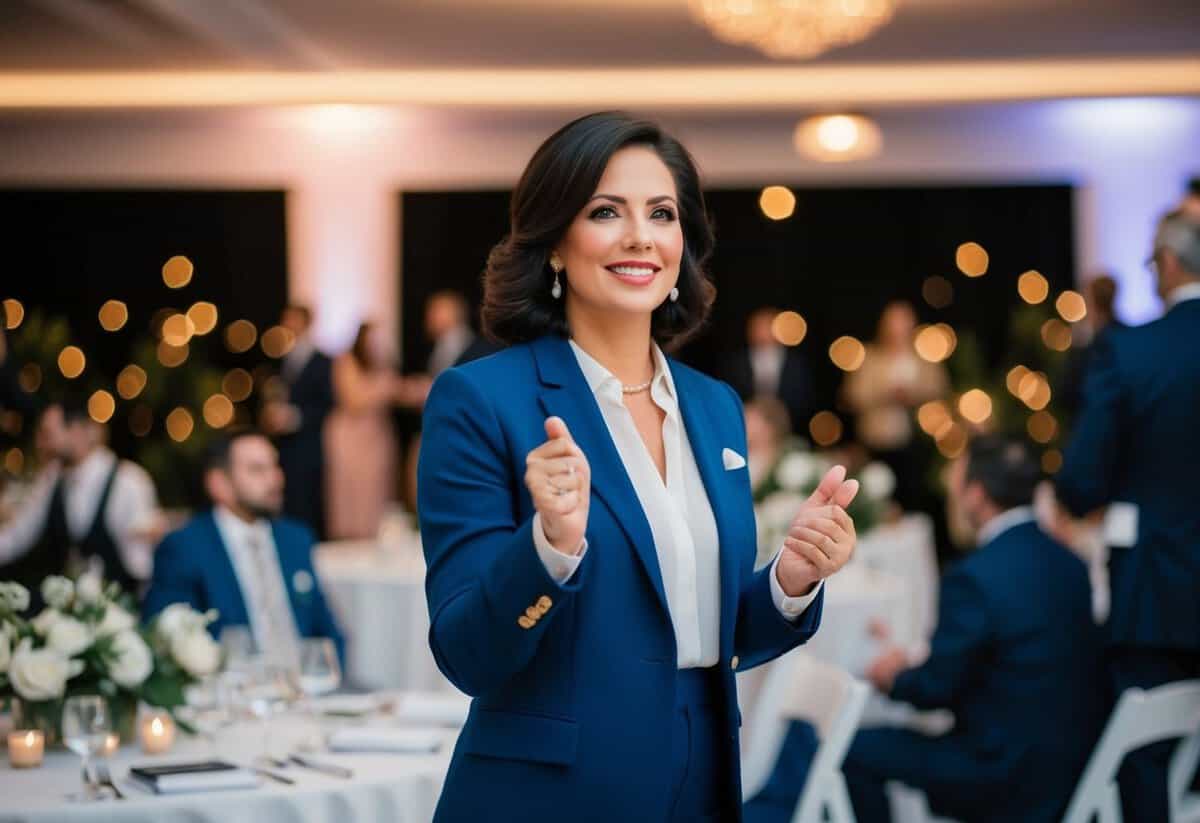
An event coordinator handles logistics like vendor coordination, setup, and timelines. This means you can rely on their expertise to turn your vision into reality. They also act as the go-to person for questions and unexpected issues, giving you peace of mind.
In a world where event planning can be overwhelming, having an event coordinator by your side can make all the difference. With their help, you can create an experience that your guests will remember, all while enjoying the process yourself.
Core Responsibilities and Skills
Event coordinators play a vital role in planning and executing successful events. Their responsibilities require a mix of strong communication, excellent organization, and effective logistics management. Understanding these core skills can help you see why hiring an event coordinator is a wise choice for ensuring a smooth event.
Essential Communication and Organizational Abilities
As an event coordinator, clear communication is key. You need to liaise with clients, vendors, and guests effectively. This means listening to your clients’ needs and expressing ideas clearly.
Strong written and verbal skills will help you create contracts and schedules that everyone can understand.
Organization is another crucial skill. You’ll manage multiple tasks at once, and a well-structured plan keeps everything on track.
Using tools like calendars, to-do lists, and project management software can help you stay organized. This ensures you won’t miss any critical details, from venue arrangements to guest lists.
Logistics and Time Management Proficiency
Logistics involves planning the practical aspects of an event, such as venue setup and catering. You must coordinate multiple elements to ensure that everything runs smoothly. This might include managing timelines, overseeing deliveries, and troubleshooting any issues that arise.
Time management is essential, too. Events often have tight deadlines that require you to prioritize tasks efficiently.
You’ll need to determine what needs immediate attention and what can wait. Being proactive and anticipating potential delays can save you a lot of stress during the planning process.
Financial Intelligence: Budgeting and Vendor Management
Managing an event budget is a primary responsibility of an event coordinator. You must estimate costs accurately and stick to your budget. This involves tracking spending for venues, catering, and other services.
Vendor management is also crucial. You’ll negotiate contracts and communicate with various suppliers to ensure they meet your event needs.
Establishing good relationships with vendors can lead to better deals and smoother coordination on event day. Make sure you evaluate vendor performance to improve future planning.
The Role in Different Event Types

An event coordinator plays a key role in various types of events, each with its own specific needs and goals. Understanding how they operate in different settings can help you appreciate their value.
Corporate Events and Conferences
For corporate events and conferences, an event coordinator manages the logistics to ensure everything runs smoothly. They help with venue selection, catering, and technology setups.
You can expect them to handle everything from sound systems for presentations to seating arrangements that encourage networking. Their attention to detail ensures that the event aligns with the company’s goals and brand image.
An event coordinator also communicates with vendors, ensuring everyone is on the same page. They create timelines and checklists that keep the event organized. Knowing the agenda and flow of the day helps them adapt quickly if changes arise. This adaptability is essential for corporate settings where professional impressions matter.
Public Relations and Special Events
In public relations and special events, an event coordinator’s creativity shines. They work closely with clients to understand their vision and make it a reality.
This might involve product launches, charity events, or media gatherings. You can trust them to design experiences that capture the audience’s attention and generate buzz.
These coordinators focus on branding and messaging. They make sure every detail—like invitations, promotional materials, and decor—reflects the desired image. They also handle media outreach to maximize exposure. Their expertise ensures that events not only meet expectations but also create memorable experiences.
Private Occasions and Hospitality
For private occasions like weddings or family reunions, an event coordinator takes a personal approach. They get to know your preferences and help create a unique celebration.
They manage everything from venue selection to catering options that fit your style and budget.
In hospitality settings, they ensure every guest feels welcomed and catered to. You can rely on them to coordinate timelines for ceremonies, receptions, and entertainment. Their presence allows you to enjoy the day without stress. They handle all the small details, letting you focus on making memories with family and friends.
Career Advantages and Professional Growth

As an event coordinator, you have unique opportunities for professional growth. The skills you develop can help you build valuable connections and improve your creativity in various situations. This combination can significantly advance your career.
Building a Network and Interpersonal Development
Networking is essential in the event management field. As you plan various events, you meet vendors, clients, and other professionals. Each connection can lead to new opportunities for collaboration and job openings.
Strong communication and interpersonal skills are vital here. Engaging with different people helps you understand their needs and preferences.
You enhance your problem-solving skills by learning how to handle challenges during events. This constant interaction hones your relationship-building abilities, which are crucial for career advancement.
Cultivating Creativity and Adaptability
Event planning revolves around creativity. You get to bring your ideas to life, making each event unique and memorable. This role allows you to experiment with different themes, layouts, and activities, ensuring a fresh approach every time.
Another key trait you develop is adaptability. Events rarely go exactly as planned. Being able to think on your feet and adjust to changes helps you manage unexpected challenges effectively.
This skill not only makes you a valuable asset to any team but also opens doors to new career paths. Learning to be flexible allows you to take on diverse roles within the events industry and enhances your overall career options.