
What Are the Best Opening Words for a Wedding Ceremony? A Guide to Set the Perfect Tone
Choosing the right opening words for your wedding ceremony sets the tone for the entire event. The best opening words create a warm and inviting atmosphere, making your guests feel connected to your special day. These initial words should reflect your personalities and the significance of the moment, as they are the first glimpse into your love story.
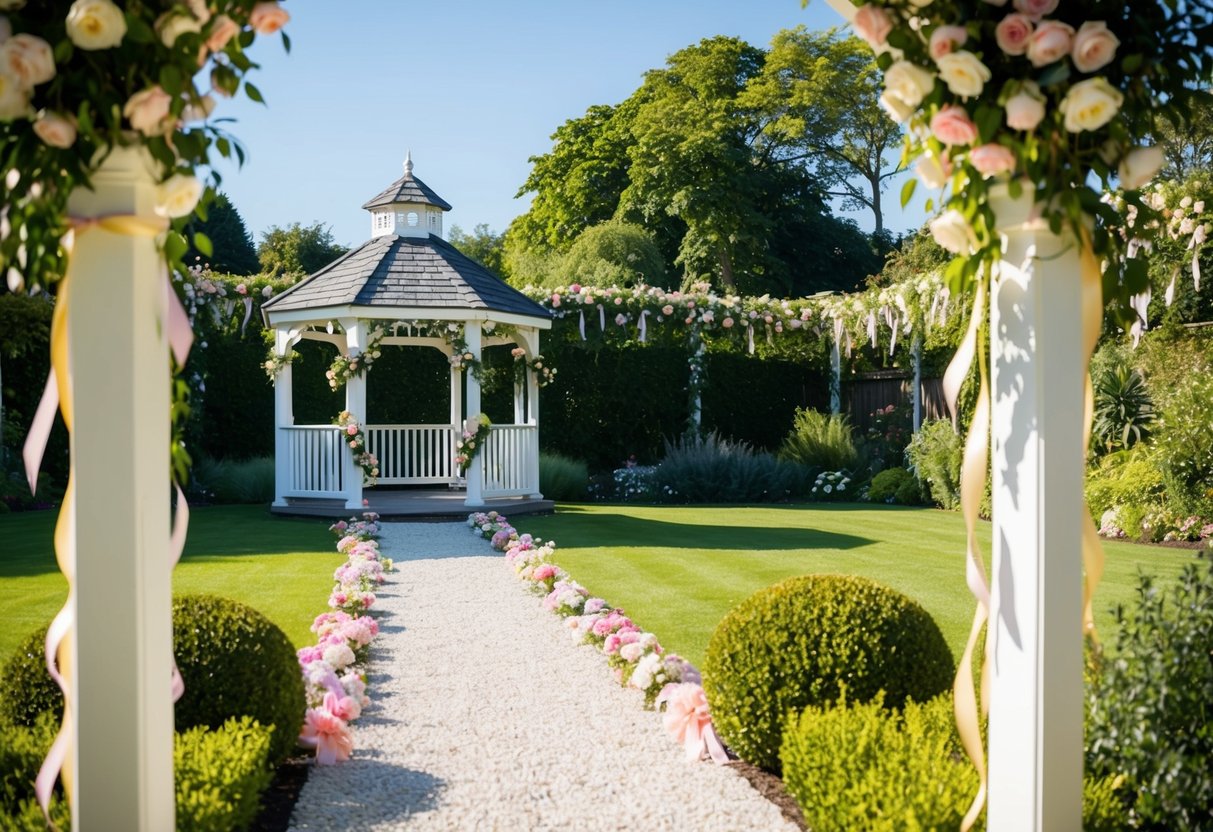
As you plan your wedding day, think about what you want to convey in those first moments. Whether you prefer something traditional or unique, your opening remarks can highlight the importance of the wedding ceremony and the love that brings everyone together.
The best opening words create a warm and inviting atmosphere, making your guests feel connected to your special day. These initial words should reflect your personalities and the significance of the moment, as they are the first glimpse into your love story.
Your opening words set the stage for the entire ceremony. They can create an inviting atmosphere while connecting your unique love story with your guests.
Focusing on the right tone, personal touches, and audience awareness is crucial in crafting meaningful opening remarks.
Remember, the right words are not just about formality; they also express your joy and commitment. Taking the time to personalize this part of your ceremony will make it memorable and meaningful for everyone involved.
Crafting Your Opening Words
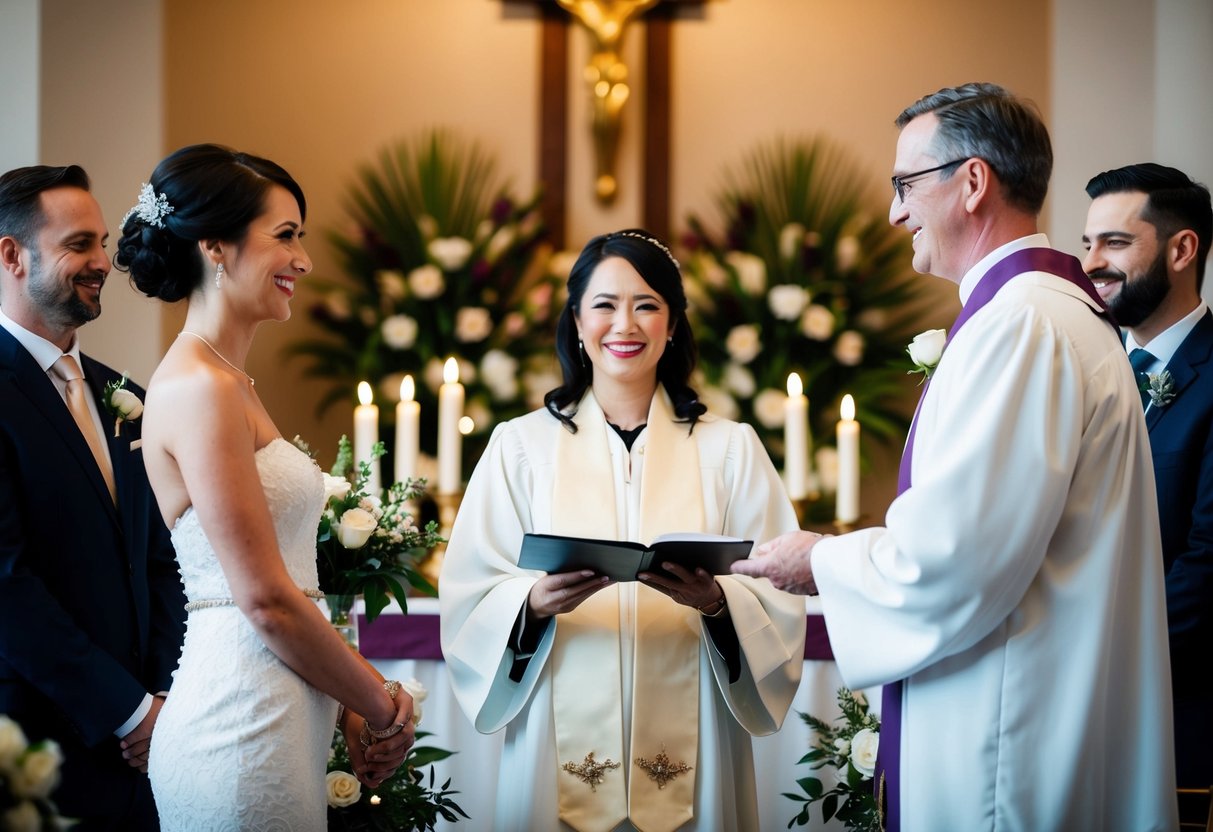
Your opening words set the stage for the entire ceremony. They can create an inviting atmosphere while connecting your unique love story with your guests.
Focusing on the right tone, personal touches, and audience awareness is crucial in crafting meaningful opening remarks.
Setting the Tone for the Ceremony
The tone of your ceremony reflects your style and relationship. Are you aiming for something formal or relaxed?
Start by considering the overall vibe you want. If you prefer a light-hearted mood, use humor and warmth. For a more serious tone, choose heartfelt sentiments.
Open with a phrase that pulls everyone in, such as “Welcome, friends and family!” This invites everyone to share in your special moment.
Additionally, mention the significance of the day to make it feel more special. A statement like, “Today, we celebrate love,” helps to create an emotional connection.
Think about what resonates with you and your partner, as this will guide your wedding ceremony script.
Incorporating Personal Touches
Make your opening words truly yours by adding personal elements. Share a brief story that highlights your journey together. It could be a funny moment or a meaningful experience that captures your relationship.
You can also mention how you met or your first date to make it relatable. This adds depth to the officiant script and draws guests into your narrative.
Using names or nicknames can create warmth and a sense of intimacy.
Don’t forget to express gratitude to your guests for their presence. A simple “Thank you for being here to celebrate with us” goes a long way.
Including these personal touches makes your wedding script more engaging and memorable.
Understanding the Audience
Knowing your audience helps shape your opening words. Consider who will be attending and what they might appreciate. This awareness can guide the language and tone you use.
If your guests are close friends and family, feel free to be informal and personal. If you’re addressing a larger group, including more formal elements can be beneficial.
Aim for a balance that honors your relationship while connecting with everyone present. Use inclusive language, like “we gather today” to make everyone feel part of the celebration.
Acknowledge any cultural or religious elements that are significant to you. This creates a welcoming atmosphere and sets a positive tone for your wedding ceremony.
Incorporating Traditions and Custom Elements
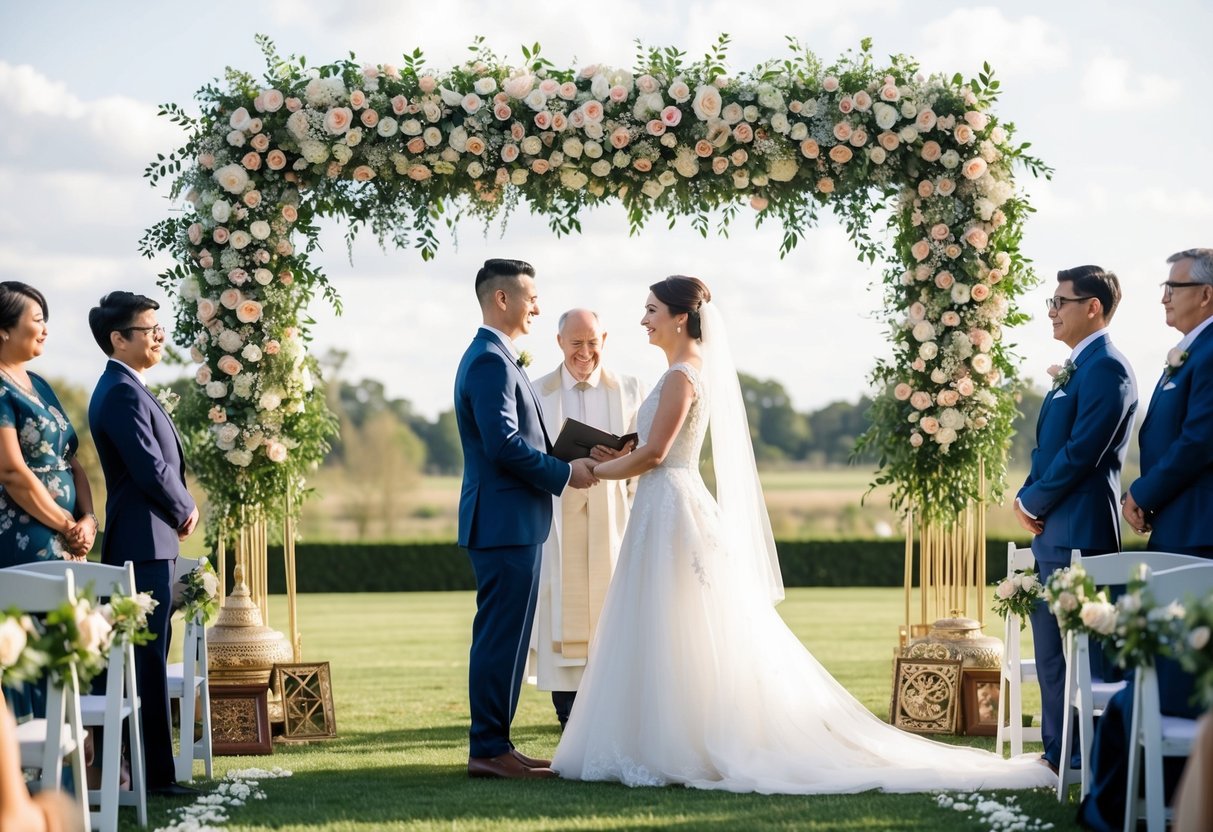
Your wedding ceremony can truly reflect who you are by including elements from traditions and customs that matter to you. Consider blending religious aspects, modern touches, and traditional practices. This approach not only personalizes the event but also honors your backgrounds.
Inclusion of Religious Elements
If you are having a religious wedding, incorporating prayers, readings, or blessings can be meaningful. Start with a welcome that acknowledges the sacredness of the occasion.
You might include passages from your faith’s scripture or ask a religious leader to speak.
Additionally, traditional rituals, like lighting a unity candle or performing a handfasting ceremony, can symbolize your commitment.
Discuss these options with your partner to choose elements that resonate with both of you.
Ideas for a Modern Wedding Script
For a modern wedding script, you want to balance warmth and authenticity. Consider starting with a personal story or a quote that captures your relationship. This sets a casual and welcoming atmosphere.
Including interactive elements can engage your guests. For instance, you could invite them to share a moment of silence or participate in a vow renewal.
Think about using a relaxed tone, which can make the ceremony feel more intimate and unique.
Elements of a Traditional Wedding Ceremony
If you lean towards a traditional wedding, there are several key elements to consider. Often, these ceremonies include a standard script, the exchange of vows, and a ring exchange.
You might begin with formal greetings and a reflection on love and commitment. Include traditional music or readings that have significance for both families.
Don’t forget the importance of closing remarks, where you announce your new status as a married couple. These time-honored elements can provide a comforting structure to your ceremony.
Ceremonial Practices
Ceremonial practices in a wedding set the tone for your special day. They create meaningful moments that symbolize your commitment.
Key practices include the exchange of vows and rings, declarations of intent, and the flow from the processional to the recessional.
Exchange of Vows and Rings
The exchange of vows is one of the most intimate moments of your ceremony. Here, you express your love and commitment to each other.
These words can be traditional or personalized, making them unique to your relationship.
Following the vows, the ring exchange takes place. Rings symbolize eternity and fidelity, and placing a ring on each other’s finger is a powerful gesture.
You can add a few words about what the rings mean to you, making this moment even more special.
Declaration of Intent and Unity Ceremonies
The declaration of intent is a moment when you openly affirm your commitment. This usually involves stating your desire to marry each other in front of your guests.
It’s a way to involve loved ones in your vows and solidify your bond.
Many couples choose to include a unity ceremony, such as lighting a candle together or pouring sand into a single container. These rituals represent the joining of two lives into one.
They add a layer of meaning to your ceremony, celebrating the partnership you are building.
The Processional to Recessional Flow
The processional marks the beginning of the ceremony, setting a joyful tone. You can choose music that reflects your personality and relationship.
As you walk down the aisle, your guests will feel the excitement and anticipation.
Once the vows are made and rings exchanged, the recessional is the joyful exit of the newlyweds. This is often accompanied by lively music, celebrating your union.
It’s a moment to enjoy with your family and friends as you begin your life together.