
What Are the Best Opening Words for a Wedding Ceremony? A Guide to Setting the Perfect Tone
Choosing the right opening words for your wedding ceremony can set a beautiful tone for your special day. The best opening words engage your guests and reflect your unique love story. They create an emotional connection, welcoming everyone to witness your commitment to each other.
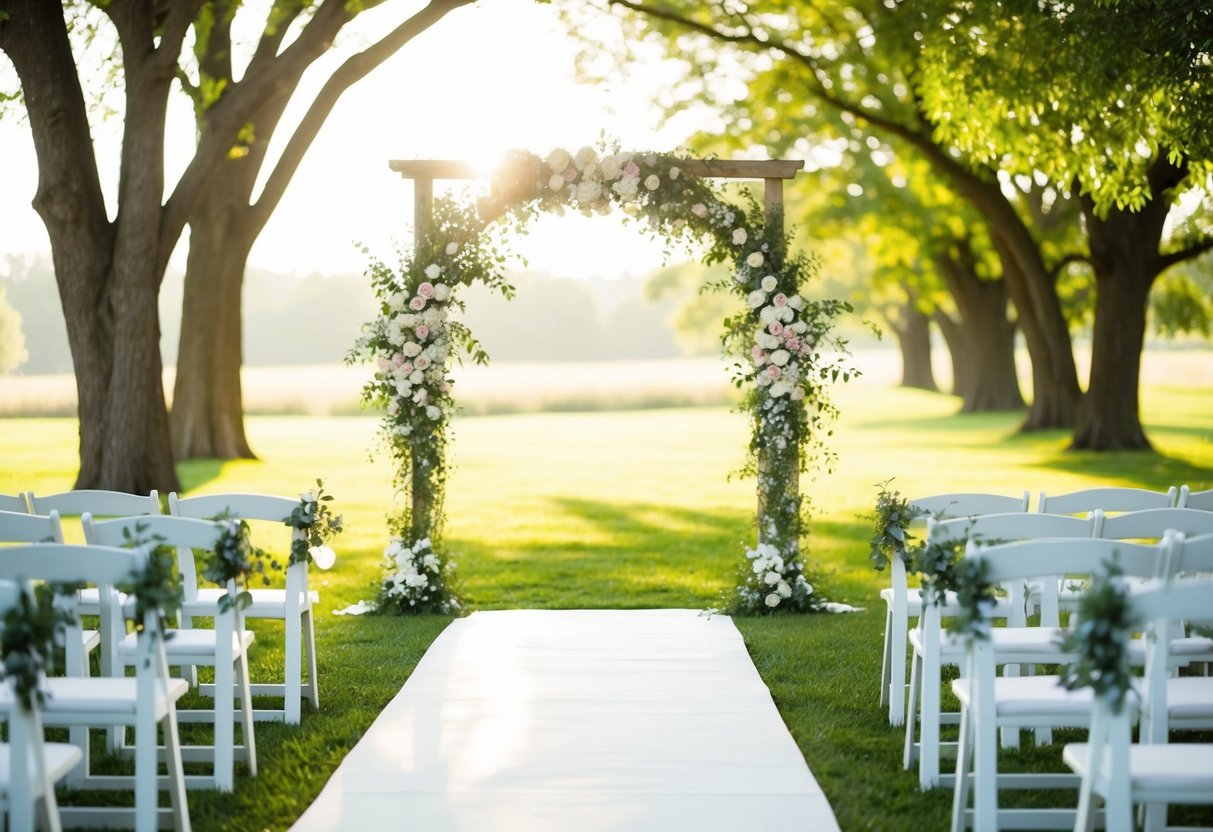
Consider what makes your relationship special and let those feelings guide your choice of words. You might want to include personal anecdotes or shared values to make the moment memorable. By doing this, you help your guests feel the love and joy that surrounds your wedding ceremony.
As you plan your wedding day, remember that these opening words are an important part of your ceremony. They not only mark the beginning of your vows but also invite everyone to share in the celebration of your love.
Crafting the Perfect Opening Words
Creating heartfelt opening words for your wedding ceremony is key to setting the right atmosphere. These words should reflect your love story, establish unity among attendees, and align with your chosen style—whether traditional or modern.
Establishing a Sense of Unity
Unity in your ceremony brings everyone together. This can be achieved through words that recognize guests’ support and love. Start with a welcoming phrase that acknowledges everyone present.
You might say, “We gather here today to celebrate the love between [Your Name] and [Partner’s Name] surrounded by family and friends.” This simple statement connects everyone. Consider including a short anecdote about how your loved ones have supported your relationship.
Using inclusive language can help make the ceremony feel personal and communal. Words that resonate with your journey create a shared experience, enhancing the bond between you, your partner, and your guests.
Setting the Tone for a Modern or Traditional Wedding
The decision between modern and traditional opening words shapes your ceremony’s feel. For a traditional wedding, you might draw on classic phrases. For example, you could begin with, “Dearly beloved, we are gathered here today…” This approach sets a respectful and meaningful tone.
If your style is more modern, consider a warmer, informal greeting. You could say, “Welcome, everyone! We are so glad you’re here to share this special day with us.” This style makes the ceremony feel more relaxed and personal.
Remember to align your opening words with your wedding theme. A modern wedding might feature fun, light-hearted elements, while a traditional ceremony may focus more on solemnity and significance.
Balancing Religious and Non-Religious Elements
If your ceremony includes both religious and non-religious guests, balancing these elements is crucial. Start with a neutral tone that respects diverse beliefs. You can begin with words that honor love without specific religious references.
Using a phrase like, “Today, we celebrate love in its many forms,” invites everyone to connect. If you include a reading, choose something universal that highlights hope, joy, and commitment.
Additionally, if you want to incorporate religious elements, consider doing so in a way that complements the ceremony without alienating guests. You might say, “We acknowledge the love that many believe is divinely inspired.” This approach respects various beliefs while keeping the focus on love and unity.
The Role of the Wedding Officiant
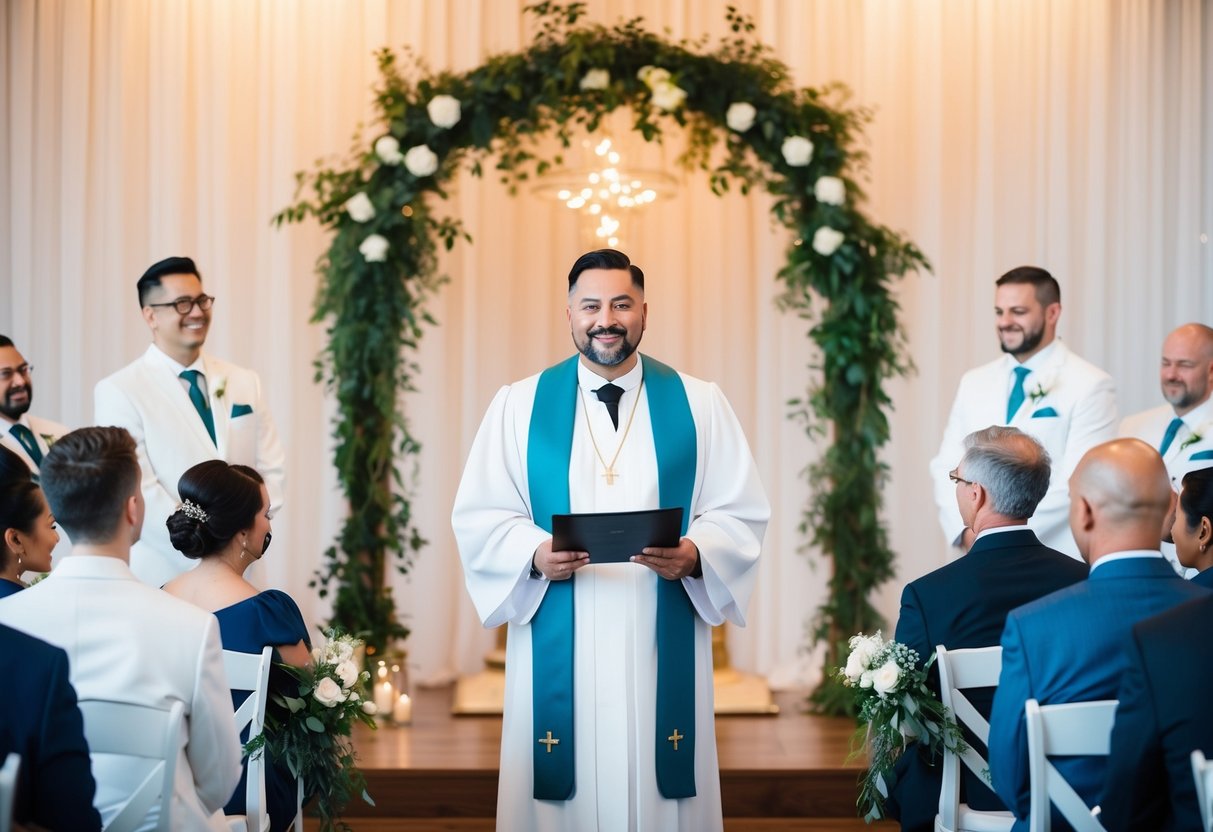
The wedding officiant plays an essential role in making your ceremony special. They not only guide the flow of the event but also create a warm atmosphere. Their words can help everyone feel included and connected, making the celebration memorable.
Guiding the Ceremony’s Flow
Your officiant is key to keeping the ceremony on track. They set the pace and ensure that each part unfolds smoothly. This includes knowing when to invite readings, songs, or other special moments.
A well-prepared officiant often uses a custom wedding ceremony script. This script outlines what to say and when, ensuring nothing is missed. With this guidance, everyone involved stays focused and engaged.
Delivering a Memorable Introduction
The introduction sets the tone for the entire ceremony. Your officiant’s welcoming words can create a comfortable atmosphere. They should be warm and personal, helping to ease any nerves.
A great officiant shares a bit about the couple. This might include personal stories, how they met, or why this day matters. This connection helps guests feel involved in your love story, making the moment even more special.
Navigating Religious and Emotional Moments
Weddings can be emotional, and your officiant needs to be sensitive to that. If there are religious elements involved, they must know how to incorporate these seamlessly.
It’s vital that they create space for shared emotions, whether it’s laughter or tears. They should address key moments with care and respect. This skill makes your wedding not just a ceremony, but a shared experience that everyone cherishes.
Key Ceremony Components
In a wedding ceremony, certain key components help shape the experience. These elements not only symbolize your love but also engage your guests, making the event more meaningful.
Exchange of Vows and Rings
The exchange of vows is a central part of your ceremony. This is where you express your love, commitment, and hopes for the future.
Wedding vows typically reflect personal sentiments. Many couples choose to write their own vows to add a special touch. This makes the moment unique and memorable.
Adding a ring exchange right after is customary. Rings symbolize your promises, creating a visual reminder of your commitment. During this moment, you will place a ring on each other’s fingers, sealing your vows.
Declaration of Intent and Pledge
The declaration of intent is another crucial moment in the ceremony. This is where you openly state your desire to marry one another.
It usually involves the officiant asking you both if you take each other as partners. This moment emphasizes the seriousness of your commitment. By responding “I do,” you are publicly affirming your love and dedication.
Following this, you often make a pledge to support and cherish one another. This step underscores the importance of love and choice in your relationship.
Incorporating Unique Elements
Many couples choose to incorporate unique elements to personalize their ceremony. This could include rituals, readings, or symbols that reflect your journey together.
For example, a unity candle or sand ceremony represents the joining of two lives into one. You might also include readings that resonate with your love story.
Incorporating these elements makes your ceremony truly yours. This enhances the emotional impact for both you and your guests, creating lasting memories. Don’t be afraid to think outside the box!
Creating a Lasting Impression
Making a strong opening at your wedding ceremony sets the tone for the entire event. It’s important to think about how you will conclude the ceremony, what happens during the recessional, and how to reflect on your unique love story. Each part contributes to leaving a memorable impression on you and your guests.
Concluding the Ceremony
When concluding the ceremony, it’s your moment to summarize the vows and the love shared. You can reiterate the commitment made and offer heartfelt thanks to everyone present. A brief personal touch, such as a story about your relationship, can create a warm atmosphere. Adding some positive remarks about your shared future will leave everyone feeling uplifted.
Consider using phrases like, “May your days be filled with laughter and love.” End with words that reflect your joy and gratitude. This will wrap up the ceremony beautifully, making it a moment your guests will remember.
The Recessional and Wedding Celebration
The recessional is not just a transition; it’s a celebration of your new life together. As you walk down the aisle, think about choosing a song that resonates with both of you. This music can enhance the joy of the moment.
You can also involve your guests here by encouraging them to cheer or throw petals as you exit. This creates excitement and a festive atmosphere. It’s a great way to transition into the next part of your wedding celebration, ensuring that the happiness continues.
Reflecting on the Love Story
Your love story is what brought everyone together. During the ceremony, take a moment to share highlights that define your relationship. You might mention the moment you met, your first adventures, or the challenges you faced together.
Sharing personal anecdotes adds depth and warmth. It helps guests connect with your journey, making it feel special.
Use quotes or poems that resonate with your experiences to evoke emotions. This reflection can create a lasting impression, reminding everyone of the love that blossomed into your beautiful wedding.