
What Are the Best Wedding Start Times? A Guide to Perfecting Your Big Day Schedule
Choosing the right start time for your wedding can greatly affect the atmosphere and enjoyment of your big day. The best wedding start times are typically in the late afternoon, between 2 p.m. and 5 p.m., or in the evening, from 5 p.m. to 7 p.m. These options allow you and your guests to enjoy the celebration under ideal lighting and temperatures.
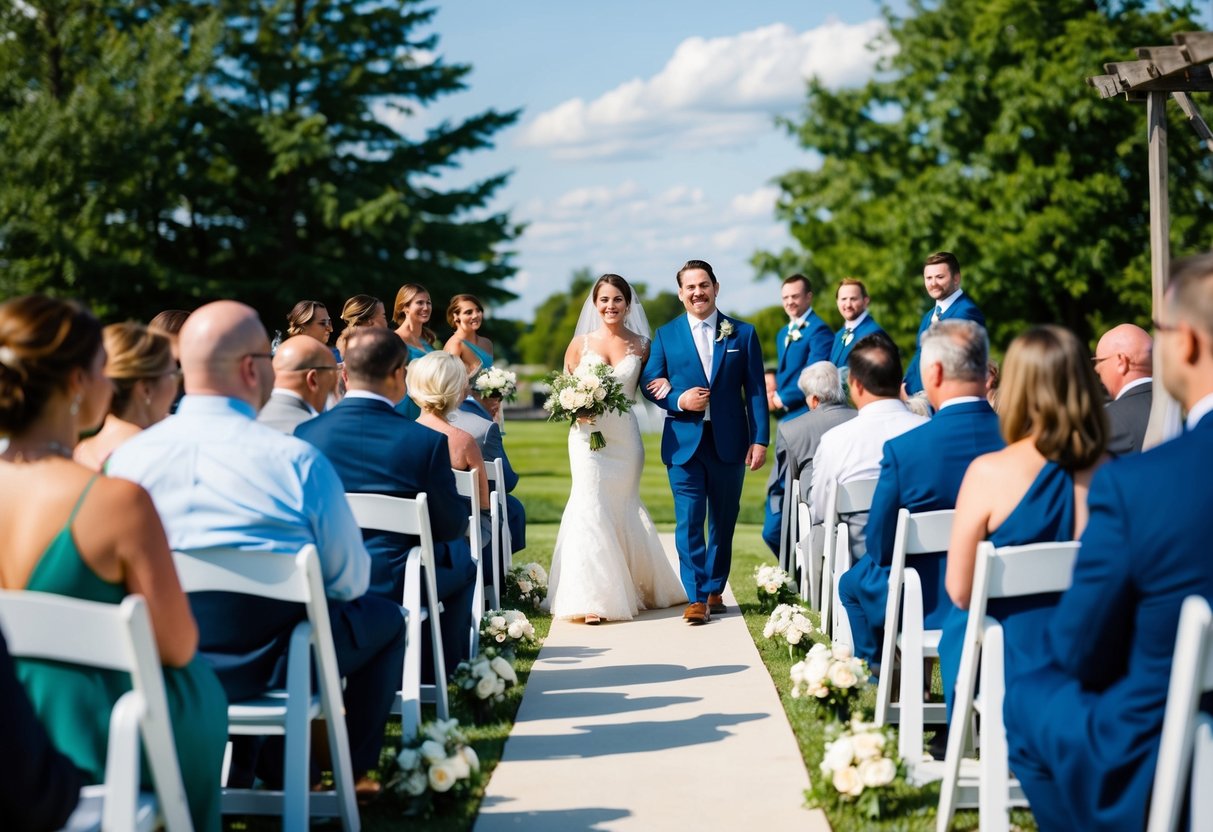
The season of your wedding can also influence the best start time. For instance, summer weddings may benefit from a later start to avoid heat, while winter weddings might need to begin earlier due to shorter days. Understanding these patterns will help you plan a timing that enhances your ceremony and reception.
By putting some thought into your wedding start time, you’re setting the stage for a memorable and enjoyable event for everyone involved. Let’s explore the various factors that can help you decide on the perfect time for your special day.
Determining the Perfect Wedding Day Timeline
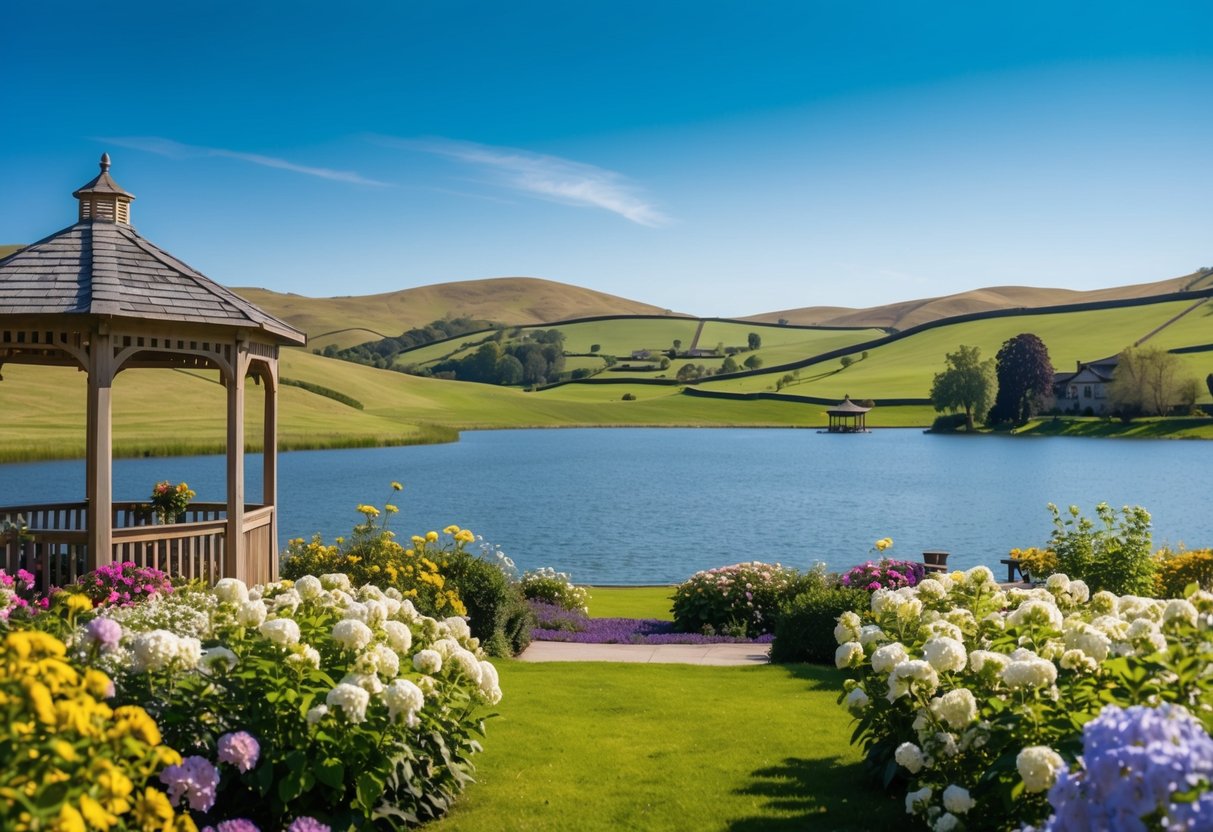
Creating your wedding day timeline is crucial for ensuring everything flows smoothly. You’ll want to consider various factors, including ceremony start time and the role of natural light. This will help you plan a day that feels relaxed and enjoyable for you and your guests.
Understanding Ceremony Start Time Factors
When planning your ceremony start time, think about guest comfort. A popular choice is late afternoon, around 4:00 PM or 5:00 PM. This timing allows guests to travel and usually ensures better attendance.
Consider also the time of year. In summer, a later ceremony benefits from warmer weather. In winter, earlier starts may be better due to early sunsets. Collaborating with your wedding planner can help you choose the best time.
Consulting with a Wedding Planner
A wedding planner can be an invaluable resource for your timeline. They understand the ins and outs of wedding day logistics. They can help you create a timeline that fits your unique vision while considering necessary elements, like vendor arrival and photo sessions.
Ask your planner about common timelines based on the type of wedding you’re having. Bringing in their experience can save you time and stress. Plus, they can coordinate details with vendors to ensure everyone is on the same page.
Importance of Natural Light
Natural light can impact your photo quality and overall atmosphere. Many photographers prefer to shoot during golden hour, which is about an hour before sunset. This time offers beautiful lighting and adds a romantic feel to your images.
Plan your ceremony start time with sunset in mind. If you’re having an outdoor ceremony, you might want to aim for a start around two to three hours before sunset. This way, you’ll capture stunning photos while making the most of the available light. Enjoy the beauty the daylight can add to your wedding day!
Morning vs. Afternoon vs. Evening Weddings
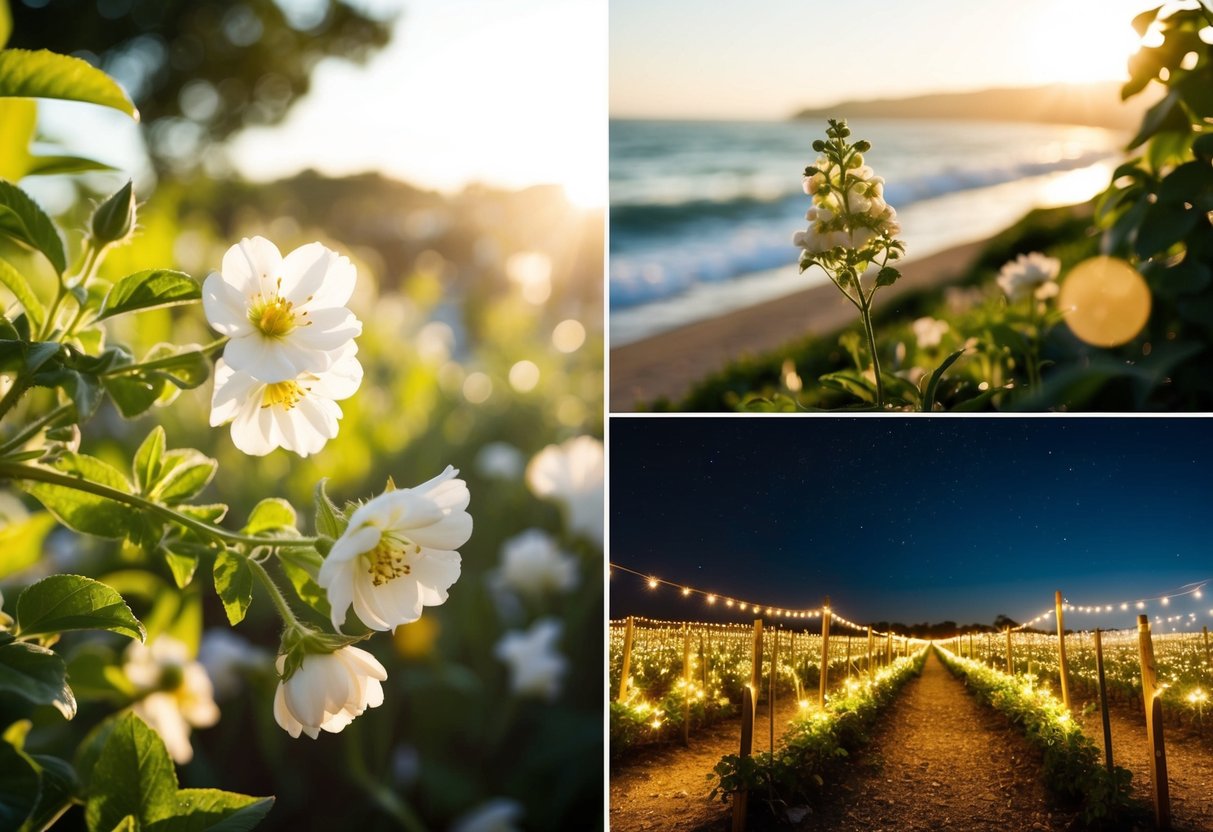
Choosing the right time for your wedding can set the mood for your special day. Each option has unique benefits that can enhance your experience and your guests’ enjoyment.
Benefits of a Morning Wedding
A morning wedding can be refreshing and energetic. Starting early means you can enjoy cooler temperatures, especially important for summer weddings. You can accommodate a brunch reception that allows guests to enjoy delicious food without it feeling too heavy.
Waking up early means you get to experience beautiful morning light. This can create lovely photos before the sun gets too high. Plus, a morning ceremony allows your guests to have the rest of the day free for relaxation or other plans.
It’s also easier to book venues and vendors for morning events since fewer couples opt for this time. This can lead to potentially lower costs as well.
Perks of an Afternoon Wedding
Afternoon weddings offer a wonderful balance. They typically start between 2 p.m. and 5 p.m., making them ideal for guests who may not want to wake up early. This slot allows more time for hair, makeup, and pre-wedding rituals.
With an afternoon ceremony, you can enjoy warm daylight without feeling rushed. This is especially enjoyable in spring and summer when the sun shines bright. You also have the option for a light lunch reception or a more traditional dinner afterward.
Additionally, having a ceremony in the afternoon gives you the chance to capture stunning photos during the “golden hour,” which occurs later in the day. This can enhance your wedding album.
The Magic of Evening Ceremonies
Evening ceremonies create a romantic setting filled with warmth and intimacy. Starting around 5 p.m. to 7 p.m. works well for a variety of guests. This timing often sees a stunning sunset, perfect for beautiful photographs.
You can embrace elegant decor by using candles or string lights, creating a magical atmosphere. Evening weddings also allow for a grand celebration with a special dinner, dancing, and evening festivities that keep the excitement going.
If you decide on a winter wedding, evening ceremonies give you a chance to showcase beautiful holiday decorations. The night can end with cocktails and desserts, making for an unforgettable experience.
Key Wedding Day Events Timeline
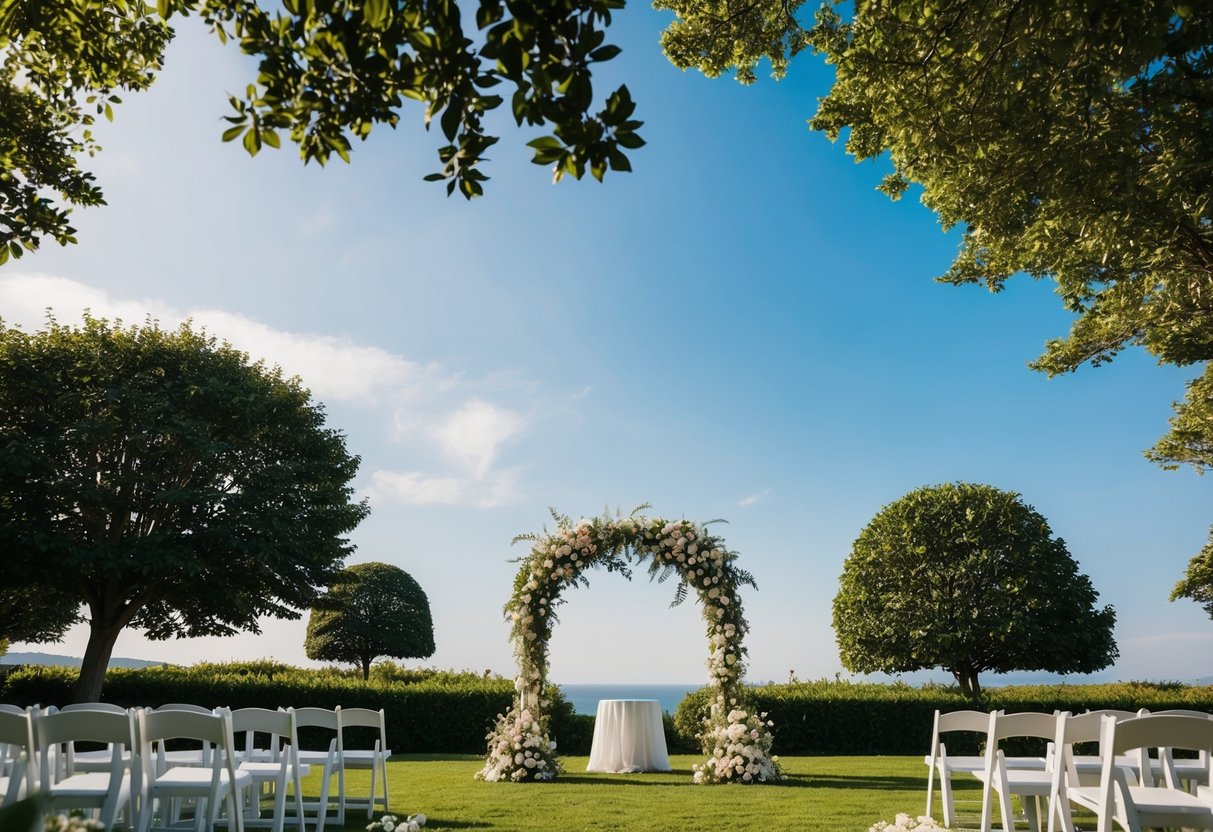
Planning your wedding day timeline is crucial for ensuring everything flows smoothly. Each part of your day has its own timing and importance that can enhance your overall experience. Here’s a look at the key events of your wedding day.
Getting Ready and First Look
This time is all about excitement and preparation. Start your day early, around 8:00 or 9:00 AM. This gives you and your bridal party enough time for hair and makeup. Aim to have this finished by 11:00 AM to allow for any delays.
Your first look can be scheduled around noon. This special moment, where you see each other before the ceremony, allows for some intimate photos and calm before the celebration. Make sure to choose a beautiful location for this.
Timing the Ceremony and Cocktail Hour
Scheduling your ceremony is key. Most weddings begin between 2:00 PM and 4:00 PM. This timing allows ample daylight for photos afterward.
Once the ceremony wraps up, plan for a cocktail hour. This is typically set for 1 hour. Guests can enjoy drinks and light snacks while you take photos. Consider fun activities during this time, like lawn games or live music, to keep them entertained.
Scheduling the Reception and First Dance
The reception usually begins about an hour after the cocktail hour. If your ceremony ends around 3:00 PM, aim for the reception to start around 5:00 PM. This includes time for guests to find their seats and enjoy any pre-reception drinks.
Your first dance can take place shortly after dinner, around 6:00 or 6:30 PM. This is a significant moment to share with your partner and sets the tone for the party. Make sure to choose a song that has meaning for both of you.
Incorporating Sunset Photos and After-Party
If you want to capture stunning sunset photos, plan for some outdoor shots about an hour before sunset. This timing varies by season, so check the sunset schedule ahead of time. The blend of fading light and your wedding attire makes for breathtaking images.
After the reception, you might want to host an after-party. This can start as soon as the main event ends or can be a separate venue later that night. It’s a chance for close friends and family to unwind and continue the celebration, so have fun with it!
Additional Considerations for an Ideal Start Time
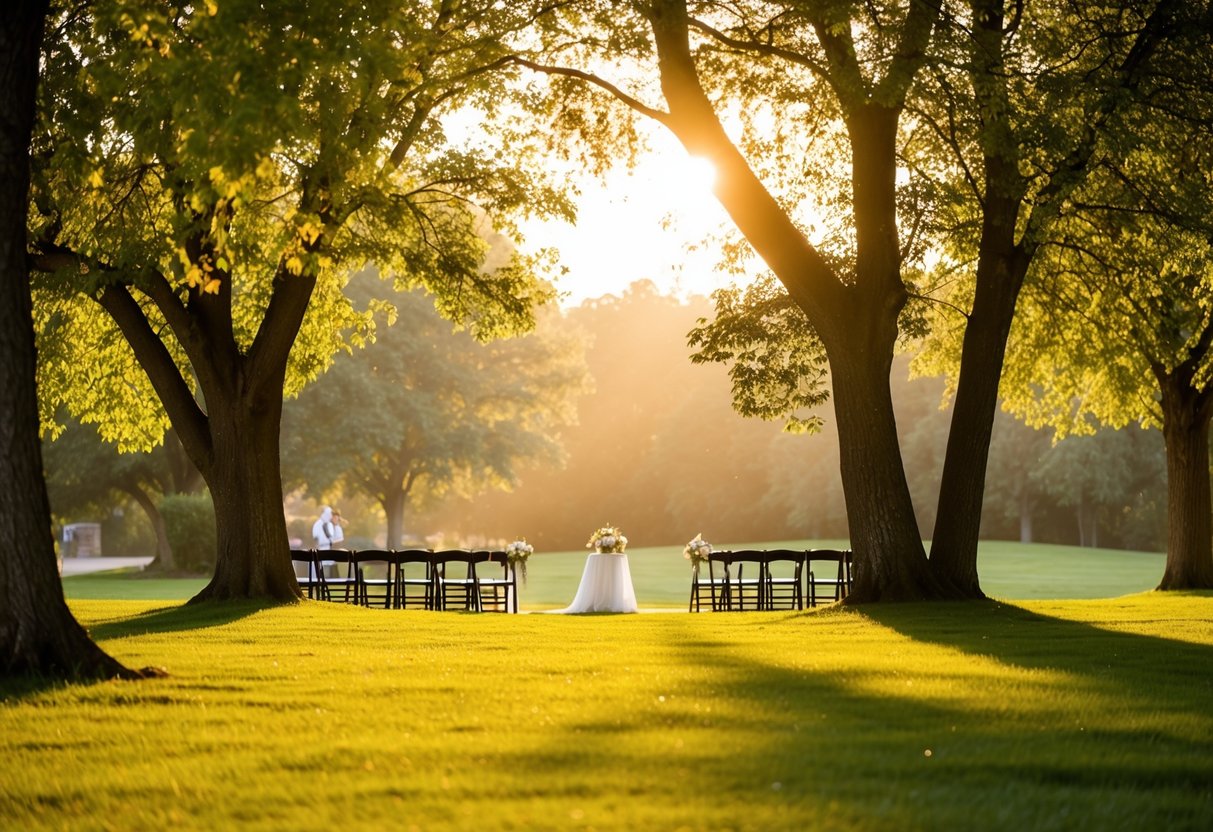
When planning your wedding start time, think about guest comfort and transportation needs, as well as the seasonal factors that may impact your ceremony. These considerations can make your event more enjoyable for everyone involved.
Guest Comfort and Transportation
Your guests’ comfort is key to a successful wedding. A good start time ensures they have enough time to get ready and travel without feeling rushed. Consider the distance to your venue and possible traffic.
Late afternoon or early evening ceremonies work well, especially if guests are traveling from far away. This gives them a chance to rest and freshen up. Also, make sure your wedding invitations clearly state the time and location.
Offering cozy blankets for evening ceremonies can also keep guests warm and comfortable if temperatures drop. It shows that you care about their experience, adding a thoughtful touch to your special day.
Seasonal and Religious Ceremony Timing
The season of your wedding can greatly influence the best start time. For instance, in the spring, you can enjoy the beauty of blooming flowers, which creates a stunning backdrop.
Late afternoon, between 4:00 PM and 6:00 PM, is often ideal for summer weddings, allowing you to make the most of the golden hour light.
If your wedding has religious elements, work within those guidelines for start times. Many religious ceremonies occur at specific times based on traditions.
Be sure to discuss these details with your officiant to respect those practices while also planning for guest comfort and enjoyment.