
What Are the Disadvantages of Airbrush Makeup? Understanding the Drawbacks for Your Special Day
Airbrush makeup has gained popularity for its smooth, long-lasting finish, but it also has some drawbacks. One of the main disadvantages of airbrush makeup is that it may not suit all skin types, especially if you have dry or flaky skin. The application method can sometimes highlight these imperfections instead of concealing them.
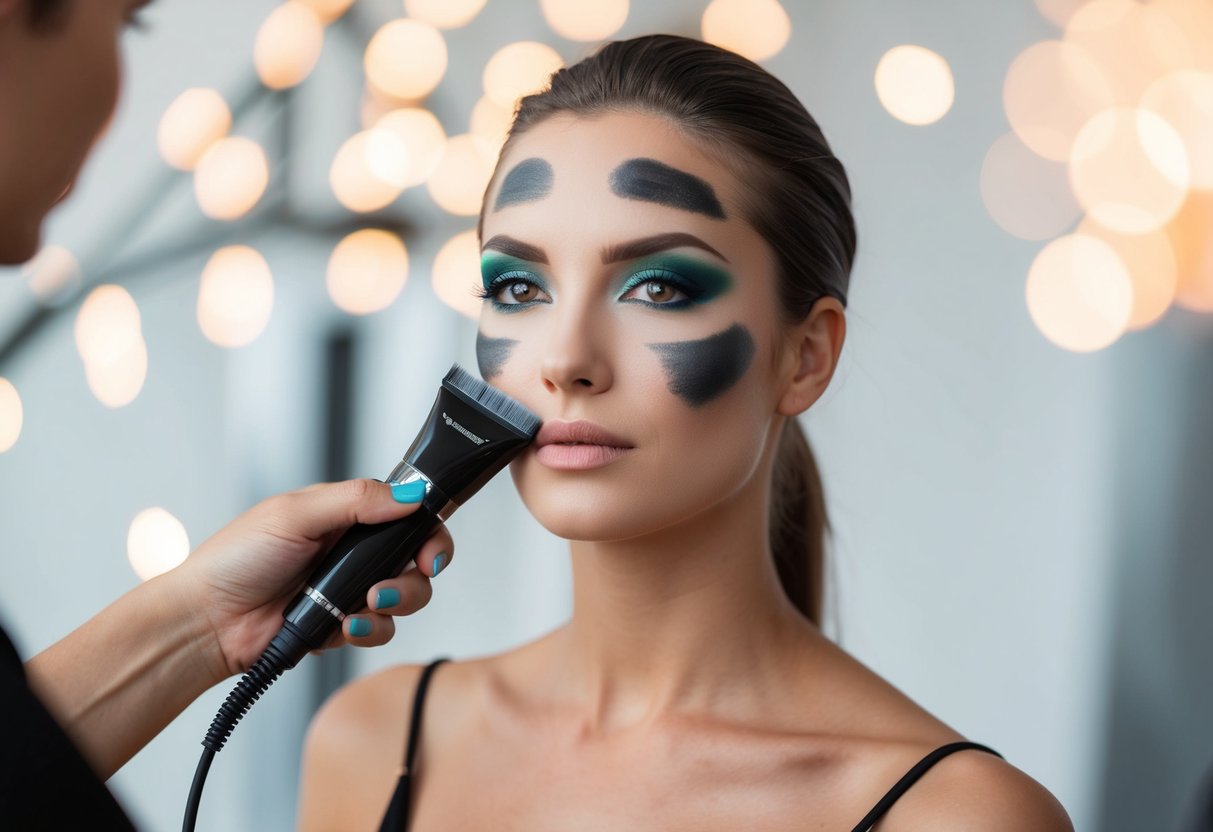
Another concern is the cost associated with airbrush makeup. The tools needed for this style, like airbrush guns and compressors, can be expensive compared to traditional makeup application. This higher initial investment might make airbrush makeup less accessible for some.
Lastly, while airbrush makeup is often praised for its professional look, it can be time-consuming and messy to apply. If you prefer a quicker and simpler routine, this technique might not be the best fit for you.
Challenges with Airbrush Makeup Application
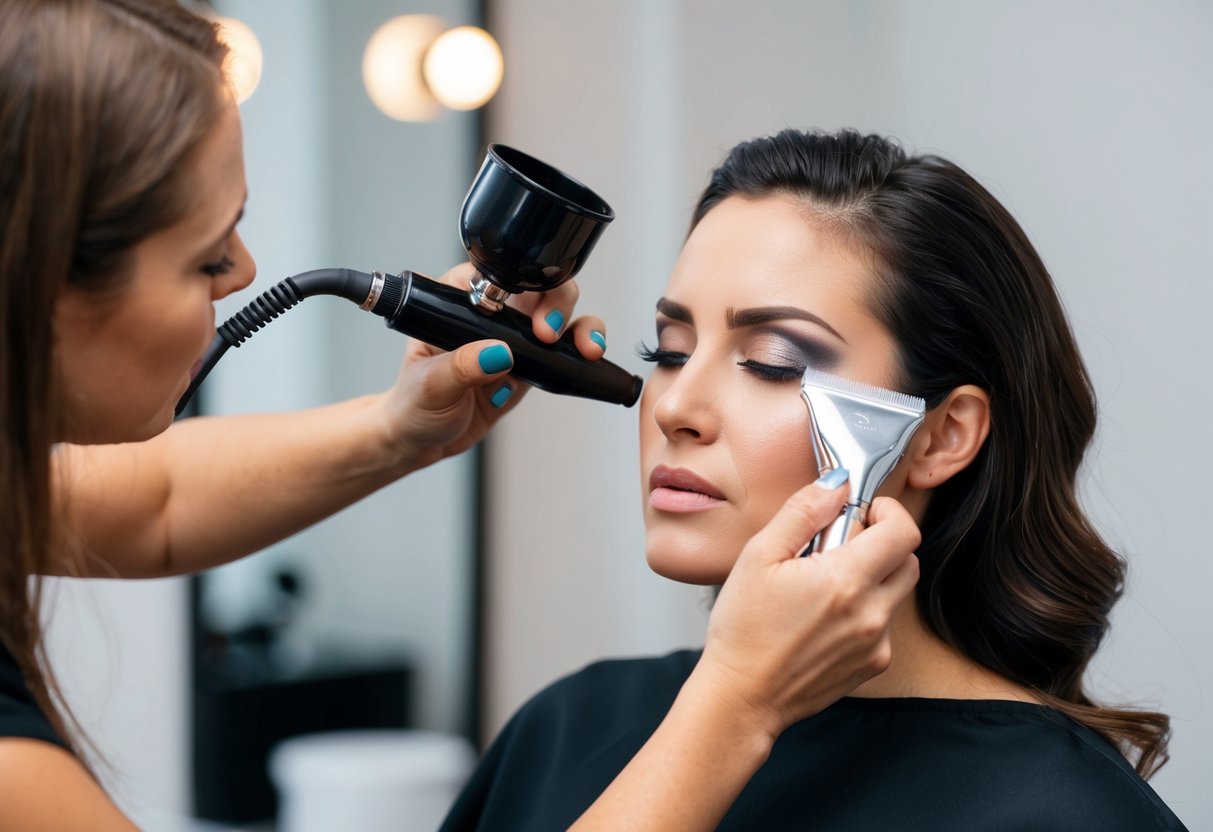
Airbrush makeup can offer great results, but there are challenges that can make application tricky. It’s important to understand these issues, especially if you’re considering it for your beauty routine.
Steep Learning Curve
Learning to apply airbrush makeup takes time and practice. Unlike traditional makeup methods, using an airbrush requires you to master pressure control and product flow. You need to learn how to hold the airbrush correctly, which can feel awkward at first.
Many beginners struggle with achieving an even finish. If you apply too much product, it can look cakey. If you use too little, you might not get the coverage you want. Practicing on different settings and materials can help you get comfortable, but it does require patience.
Difficulty in Customization and Color Matching
Finding the perfect shade can be another hurdle. While airbrush makeup offers customizable coverage, the limited shade range may not work for everyone. If your skin tone is unique, it can be tough to find a match.
You might have to mix different shades to achieve the desired look. This can be messy and time-consuming. Additionally, if you are uncertain about your skin’s undertones, it can lead to mismatched results. Getting assistance from a professional makeup artist can help, but this can also add to your costs.
Complications for Acne-Prone and Sensitive Skin
If you have acne-prone or sensitive skin, airbrush makeup might complicate your routine. The fine mist can sometimes irritate already vulnerable skin. If not done carefully, the application can exacerbate existing breakouts.
Furthermore, some airbrush foundations may contain ingredients that can clog pores. It’s essential to choose products that are non-comedogenic to avoid worsening skin issues. Always do a patch test before applying any new product all over your face to ensure it won’t cause irritation.
Limitations in Versatility and Coverage
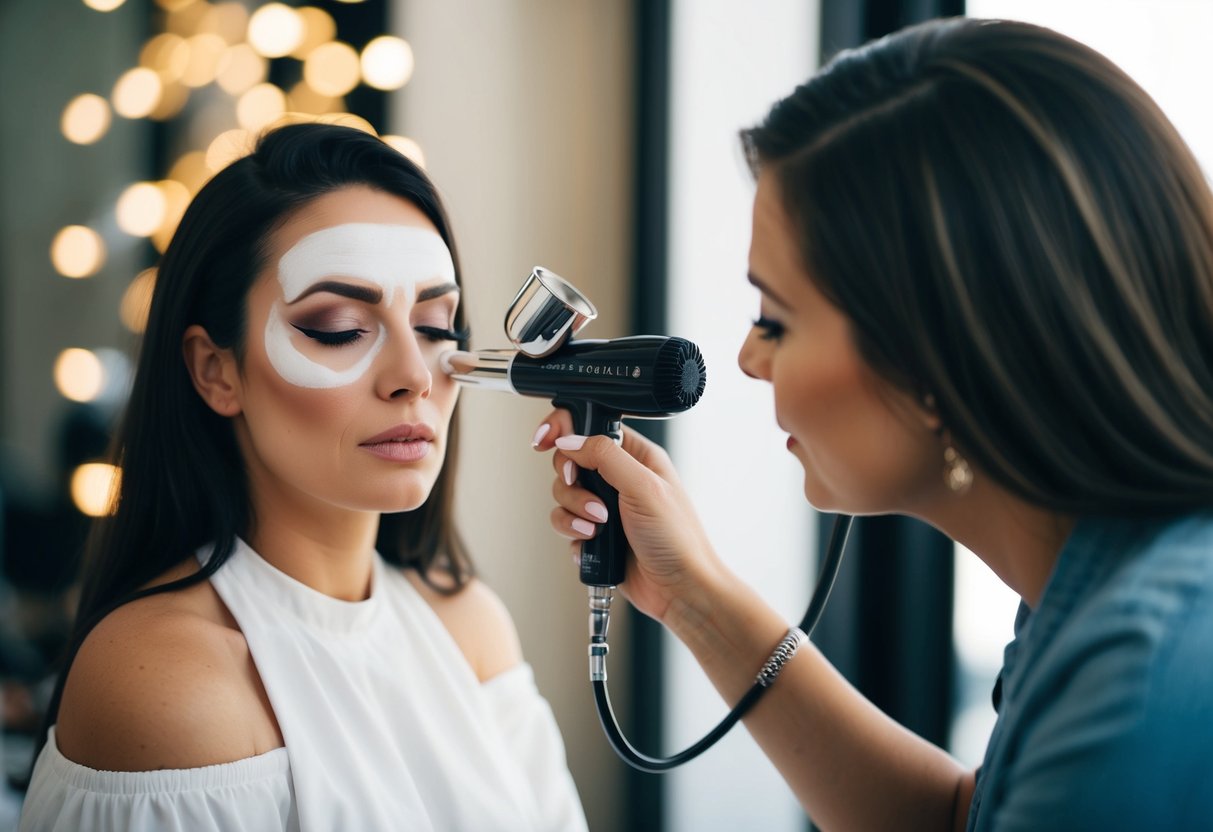
While airbrush makeup can create a beautiful finish, it has limitations in versatility and coverage. Understanding these challenges is important as they may affect your choice of makeup for different occasions and skin types.
Incompatibility with Certain Skin Types
Not all skin types respond well to airbrush makeup. If you have dry or flaky skin, airbrush makeup may emphasize these areas, leading to an uneven finish. The fine mist can settle into dry patches, making them more noticeable.
On the other hand, oily skin can benefit from airbrush makeup due to its long-lasting properties. However, if you have acne-prone skin, using an airbrush can sometimes aggravate breakouts. This may not provide the natural-looking finish you desire since blemishes can become more prominent.
Issues with Texture and Finish
Airbrush makeup aims for a flawless finish, but it may not deliver that effect for everyone. Achieving the perfect look requires skill, and beginners may struggle to apply it evenly. If the application is too heavy, it can look cakey rather than smooth.
Additionally, airbrush products often lack the variety found in traditional makeup. This limits your choices in terms of colors and formulations. If you’re looking for a specific shade or texture, you might find traditional products more accommodating for creating your desired look.
Long-Term Considerations for Skin Health
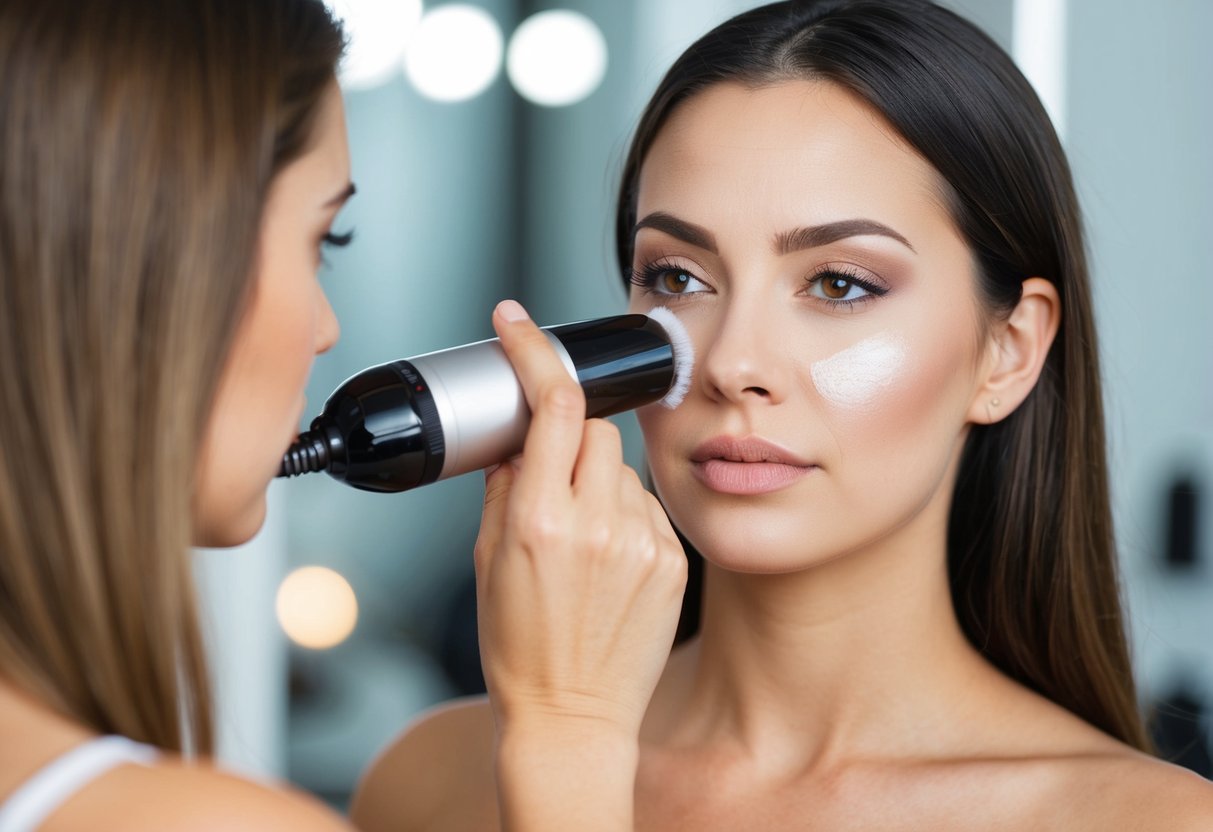
When using airbrush makeup, it’s important to think about how it might affect your skin over time. This technique can offer a flawless finish, but there are some potential drawbacks to keep in mind.
Potential for Skin Irritation
If you have sensitive skin, airbrush makeup could cause issues. The fine mist from the airbrush gun may irritate your skin, especially if the makeup contains harsh chemicals or allergens. Always check the ingredients to avoid reactions.
If you notice redness, itching, or breakouts, consider reevaluating your makeup choices. You might need to switch to products designed for sensitive skin. Testing new products on a small area can also help. Remember, what works for one person may not work for you.
Concerns Over Hygiene and Maintenance
Hygiene is crucial when using an airbrush system. If the equipment isn’t cleaned properly after each use, bacteria can grow, leading to skin problems. It’s essential to follow a regular cleaning routine for your airbrush gun and compressor.
When you apply makeup, keep in mind that the airborne particles can settle on the equipment, introducing dirt or germs. Regular maintenance will help ensure a hygienic application and maintain the health of your skin. Always use fresh, sanitized tools to avoid complications later on.
Economic and Practical Aspects
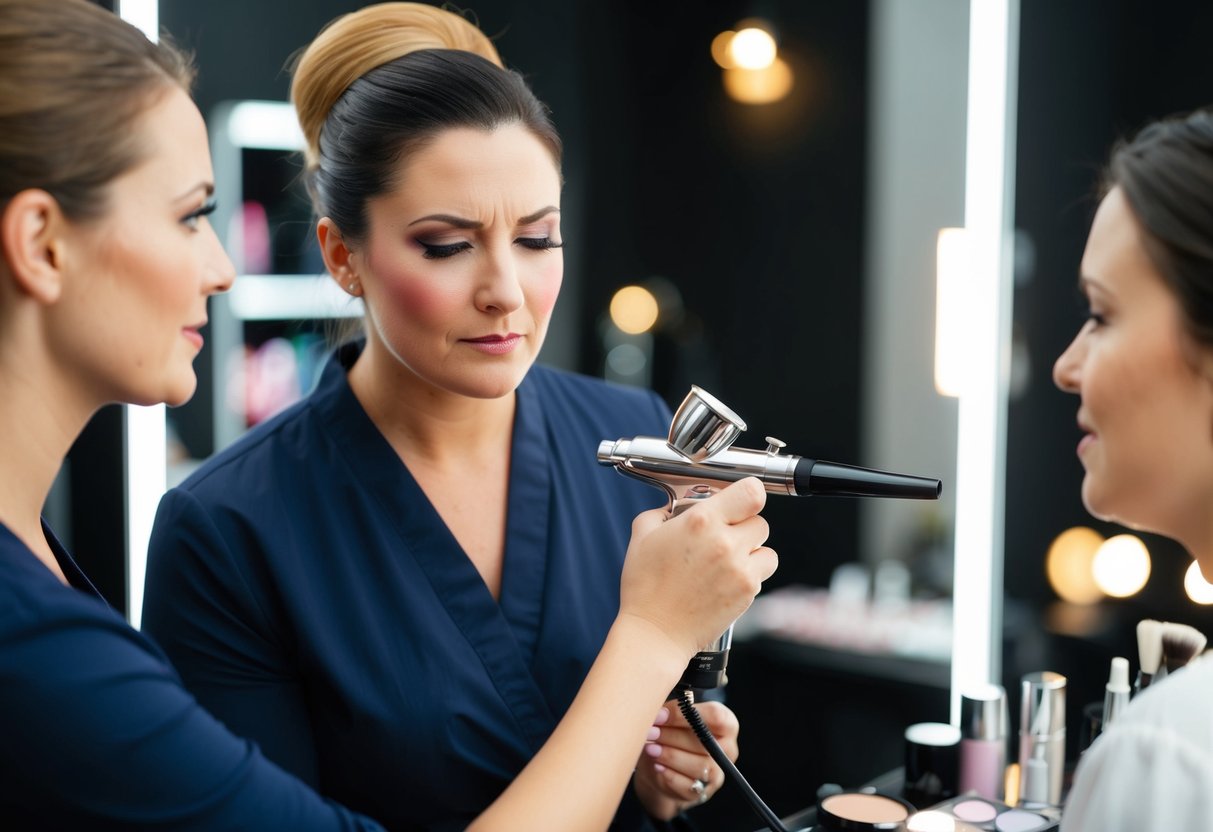
When considering airbrush makeup, it’s important to look at the cost and convenience. These factors play a big role in whether this makeup style works for you.
Cost Implications
Airbrush makeup can be more expensive than traditional makeup. A professional-grade airbrush kit, which includes an airbrush gun and compressor, often costs several hundred dollars. This could be a significant upfront investment if you are looking to apply this technique yourself.
If you choose to hire a makeup artist, the price can increase further. Professionals may charge higher fees for airbrush makeup due to its specialized training and technique. This can make it less accessible for everyday use compared to regular makeup, which is usually more affordable.
Time and Convenience Factors
Applying airbrush makeup takes more time compared to traditional methods. The setup and application process can be involved, requiring careful preparation. This might not be ideal if you’re in a hurry or need something quick for a casual look.
In addition, cleaning and maintaining airbrush equipment demands attention. You need to ensure proper cleaning after each use to avoid clogging. This maintenance can be time-consuming, adding to your overall preparation time.
For special events where long-lasting makeup is essential, airbrush might be a good fit, but for daily wear, the convenience of traditional options is hard to beat.