
What Are the Disadvantages of Marrying a Military Man? Understanding the Challenges Ahead
Marrying a military man can bring unique rewards, but it’s important to also consider the challenges that come with it. One major disadvantage is the risk of infidelity. Long deployments and time apart can create temptations and strain on the relationship. You may find yourself frequently dealing with separation, which can lead to feelings of loneliness and uncertainty in your marriage.
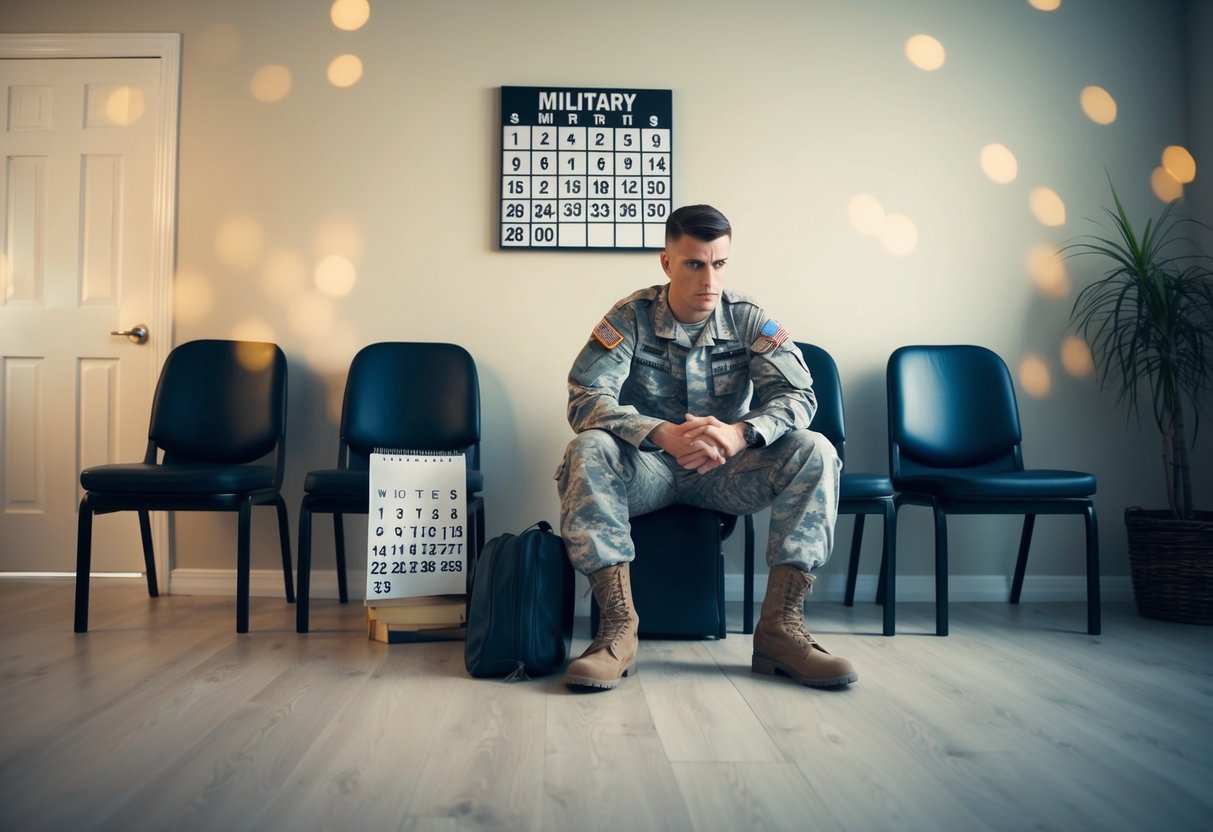
Another issue is the constant moving. As a military spouse, you could relocate often, disrupting your career, making it hard to maintain friendships, and requiring you to adapt to new communities frequently. This lifestyle, while exciting, can also be exhausting and isolating at times.
Financial stress can also be a concern. While military benefits often help, service members may face challenges in civilian jobs after leaving the military. This uncertainty can create instability in your life together, making it important to weigh these factors before fully committing to a military marriage.
Emotional Impact of Military Life
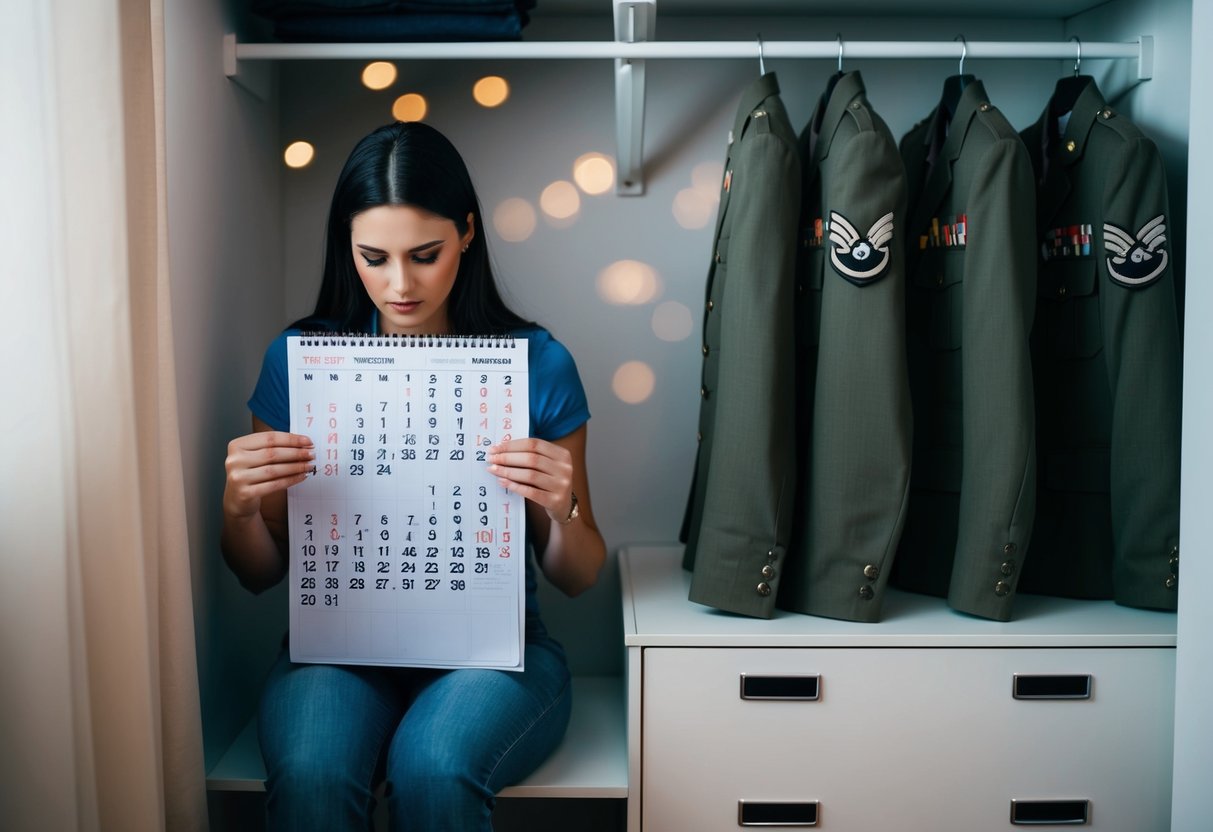
Marrying a military man brings many emotional challenges. You may face feelings of loneliness and isolation, stress from frequent moves, difficulties during deployments, and ongoing worry and anxiety. Each of these factors can affect your mental health and resilience.
Dealing With Loneliness and Isolation
Military life often leads to extended periods of being alone. When your partner is away for training or deployment, the sense of loneliness can be overwhelming. You might find it challenging to maintain friendships, especially if you frequently move. This isolation can even lead to feelings of sadness or depression over time.
Staying connected with family and friends can help. Finding local support groups for military spouses can also provide the camaraderie you need. Remember, reaching out to others who understand your situation can lighten the emotional load.
Stress from Frequent Moves
Frequent moves are a significant part of military life. Each relocation requires adjustments and can be stressful. You’ll need to pack, find new schools for kids, and make new friends. This constant change can create a sense of instability in your life.
You may find yourself longing for a familiar home or friends. Creating a routine during each move can help ground you. Preparing in advance, such as exploring new areas online, might make settling into a new place easier.
Challenges of Deployments
Deployments can be one of the toughest aspects of military life. When your partner is away, you may face uncertainty and worry about their safety. Each deployment can bring emotional ups and downs. Feelings of stress can spike when you receive news from your partner.
To cope, establish a support system of friends and family. Sharing your feelings with others can ease the burden. Keeping busy with hobbies or work can also distract you during these challenging times.
Coping with Worry and Anxiety
Living with constant worry is common for military spouses. You may worry about your partner’s safety, job security, and the overall impact on your family. This anxiety can lead to sleepless nights and difficulties concentrating.
Practicing self-care is vital. Establish a routine that includes exercise, hobbies, and time for relaxation. Mindfulness and meditation can also help manage anxiety. Seeking counseling or joining a support group can provide additional strategies for coping.
Social and Community Dynamics

Marrying a military man can impact your social life and sense of community. You may find yourself navigating friendships and support networks in unique ways. Here’s a closer look at some of these dynamics.
Difficulty Building and Maintaining Friendships
You might face challenges in forming lasting friendships. Frequent moves and deployments can make it hard to establish deep connections. Friends can come and go quickly, which may lead to feelings of loneliness and isolation.
When your partner is deployed, you may struggle to find companionship. The emotional ups and downs can strain your social circle. This situation can leave you feeling unsupported when you need it most.
Support Networks Within the Military Community
While the military provides a unique community, it can also be limiting. You’ll likely meet other military spouses and families, which can help create a support system. However, these relationships might focus exclusively on military life.
Support groups specific to military families can be beneficial. They offer a chance to share experiences and learn from one another. Still, you may sometimes feel like you’re not fully part of the civilian world. This separation can lead to a sense of isolation.
Struggling with Independence and Personal Growth
You may find that marrying a military man affects your personal growth and independence. The demands of military life can require you to put your goals on hold. This might make it harder to pursue your interests or career.
Adjusting to frequent relocations can disrupt your plans for education or work. You could feel like your life is on pause while your partner serves. This struggle for independence can impact your sense of self and fulfillment.
Professional and Financial Considerations
Marrying a military man brings unique professional and financial challenges. Frequent relocations and the nature of military life can impact both career choices and financial stability. Here are the specific considerations to keep in mind.
Career Sacrifices and Job Security
When you marry someone in the military, you may face the need to make career sacrifices. Frequent relocations can disrupt your job stability. You might need to leave a job for a new opportunity or take time off to adjust to a new location.
Finding a job can be challenging, especially if you’re in a specialized field. Local job markets may not offer many options that match your skills. While the military offers job placement services, these can also be competitive.
Additionally, your spouse’s job has its own risks. Deployment can create uncertainty in your financial planning, leading to potential anxiety about job security for both of you.
Navigating Financial Benefits and Strain
Military life does come with significant financial benefits. You may receive housing allowances, which can help reduce living costs. Military housing can sometimes be provided, offering stability in your home life.
However, it’s important to navigate these benefits wisely. Sometimes the costs associated with moving or frequent transitions can lead to financial strain. You might find that some allowances do not completely cover your expenses.
Health and Well-Being Concerns
Marrying a military man brings unique challenges to your health and well-being. From accessing healthcare to managing emotional stress, it’s crucial to understand the specific concerns you might face.
Access to Healthcare and Dealing with PTSD
As a military spouse, you benefit from Tricare, which provides healthcare coverage for your family. However, navigating the system can be complex. You may encounter long wait times for appointments or difficulties finding specialists.
Post-Traumatic Stress Disorder (PTSD) is another critical issue. Many service members return with PTSD, impacting their mental health and household dynamics. Understanding the symptoms, which can include flashbacks, mood swings, and anxiety, is essential. Seeking support through counseling or support groups can make a significant difference.
Importance of Self-Care and Work-Life Balance
Maintaining a healthy work-life balance is vital for you and your military spouse. Frequent relocations and deployments can make it challenging to build stability.
Prioritizing self-care is necessary to cope with this lifestyle.
You might find it helpful to schedule time for your interests and hobbies. This practice can reduce stress and help you feel more grounded.
Also, connecting with other military wives can foster a sense of community and provide emotional support.
Remember, taking care of yourself enables you to better support your partner during tough times.